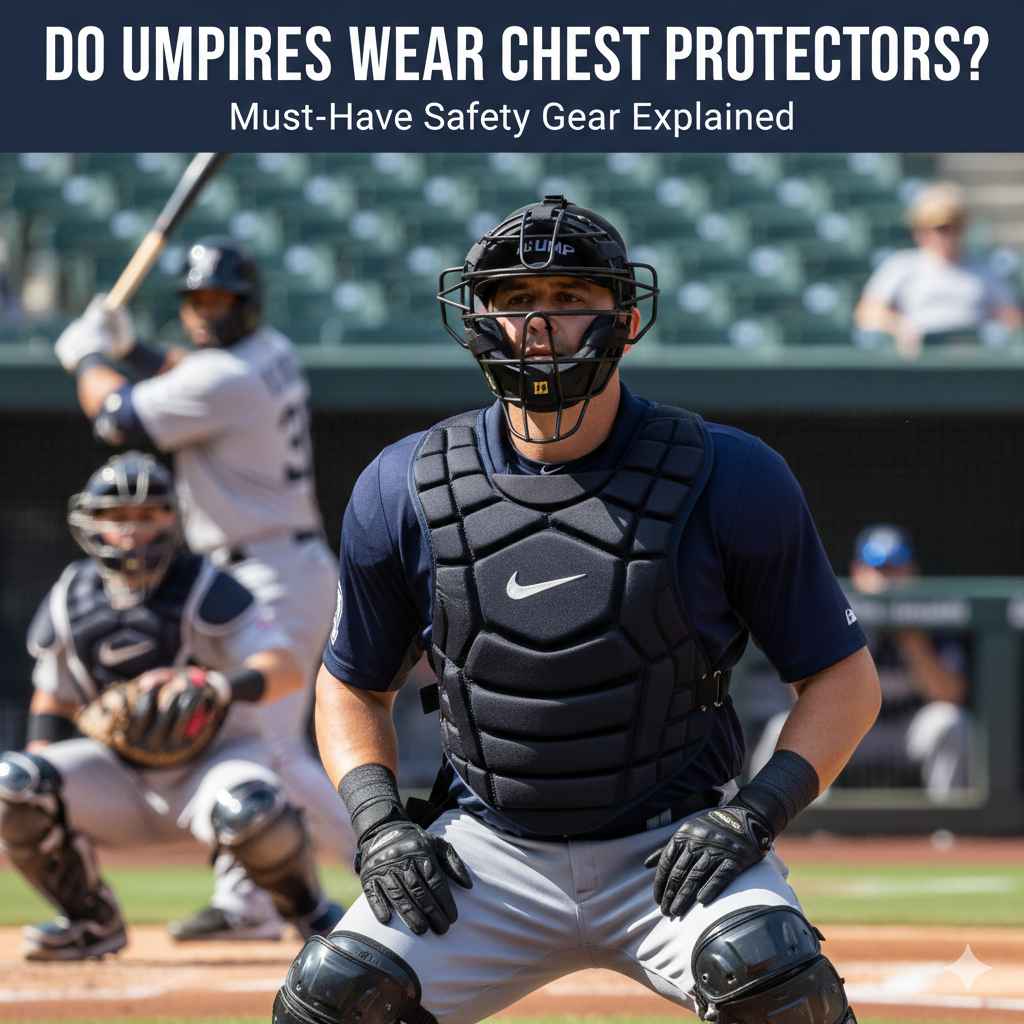
When watching a baseball or softball game, you might wonder, do umpires wear chest protectors? Given the fast pace and unpredictable nature of the sport, umpires stand just a few feet away from pitchers and batters, putting themselves at risk of injury from wild pitches, foul balls, and broken bats. To ensure their safety, umpires rely on specialized protective gear, with chest protectors being one of the most essential items.
In this article, we will explore the reasons behind umpires wearing chest protectors, the types of protectors available, the evolution of this critical piece of safety equipment, and other must-have gear that keeps umpires safe on the field.
Why Do Umpires Wear Chest Protectors?
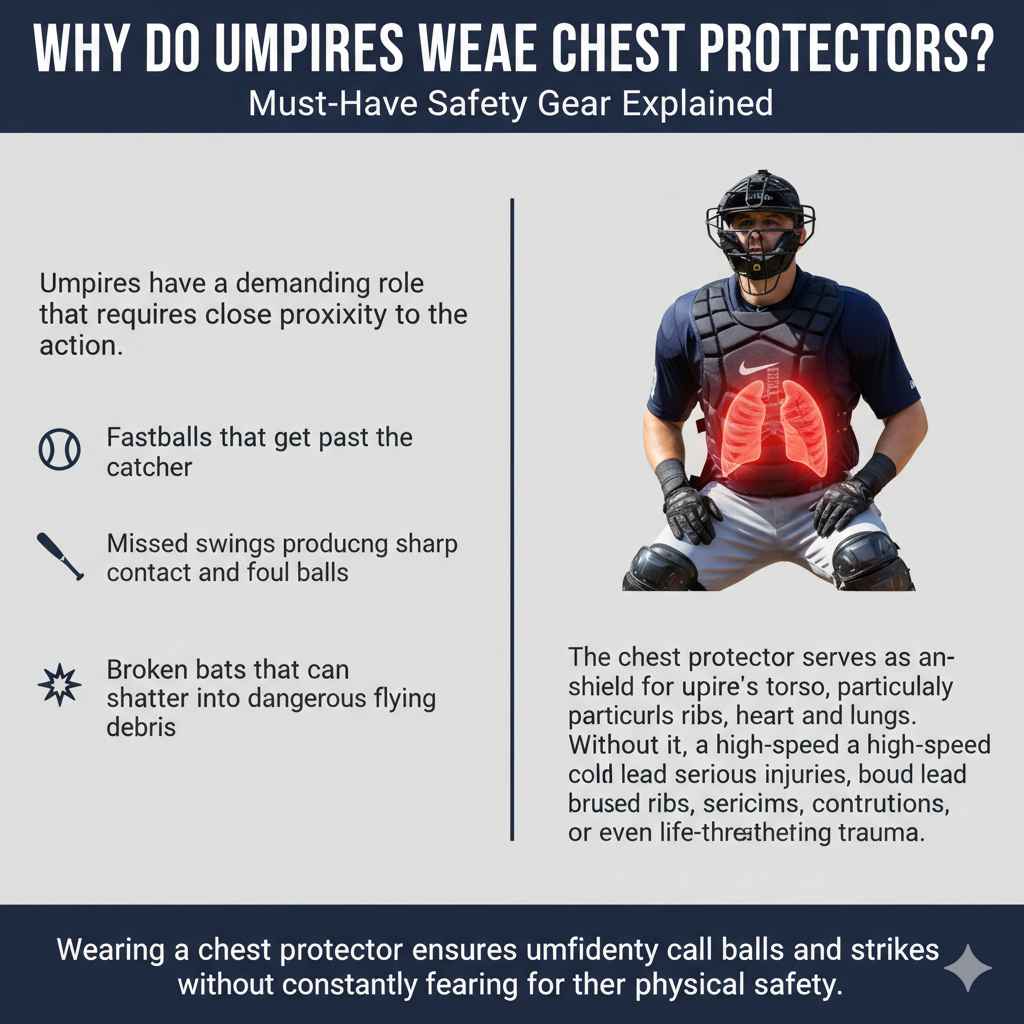
Umpires have a demanding role that requires close proximity to the action. Positioned directly behind the catcher, they are exposed to potential injuries from:
– Fastballs that get past the catcher
– Missed swings producing sharp contact and foul balls
– Broken bats that can shatter into dangerous flying debris
The chest protector serves as a shield for the umpire’s torso, particularly the ribs, heart, and lungs. Without it, a high-speed impact could lead to serious injuries, including bruised ribs, contusions, or even life-threatening trauma.
Wearing a chest protector ensures umpires can confidently call balls and strikes without constantly fearing for their physical safety.
Types of Chest Protectors Worn by Umpires
There are two primary types of chest protectors used during baseball and softball games:
1. Outside Chest Protectors (Balloon Protectors)
These are the traditional style of chest protectors, often seen in professional baseball leagues. They cover the entire front of the umpire’s torso and extend outwards, giving a bulging or “balloon” appearance. Made with thick padding, they offer substantial protection against balls flying at high velocity.
Advantages:
– Maximum coverage of the chest area
– High level of impact absorption
– Preferred by many because of the excellent protection offered
Disadvantages:
– Bulkier and heavier
– Can reduce mobility slightly due to size
2. Inside Chest Protectors
Worn underneath the umpire’s uniform shirt, inside protectors are thinner and more form-fitting. This style is more popular in high school and college leagues where rules might restrict the use of outside protectors.
Advantages:
– Less bulky and more comfortable
– Allows for greater freedom of movement and less heat retention
– Easier to conceal under clothing
Disadvantages:
– Provides slightly less coverage compared to balloon protectors
– May require additional care for proper fitting
How Chest Protectors Have Evolved Over Time
The chest protector has come a long way from its humble beginnings. Early umpires used minimal padding or even no protection at all, resulting in numerous injuries. Today’s chest protectors are crafted with advanced materials like high-density foam, impact-resistant plastics, and moisture-wicking fabrics that combine comfort and safety.
Modern designs also address breathability and flexibility, ensuring umpires can move freely while staying well-protected. Some models are even adjustable, allowing officials to customize the fit according to their body shape and size.
Additional Must-Have Safety Gear for Umpires
While the chest protector is crucial, it is only one part of the umpire’s safety ensemble. Other essential gear includes:
– Mask and Helmet: To protect the head and face from foul tips and errant balls.
– Shin Guards: Shielding the lower legs from foul balls and contact with players.
– Throat Guard: A small, flexible piece that hangs from the mask to protect the neck area from impact.
– Protective Cup: Male umpires typically wear this to safeguard sensitive areas.
– Gloves: Some umpires use padded gloves for extra hand protection, although this is less common.
Together, these elements create a comprehensive safety system that allows umpires to focus on their job without worrying about injury.
The Importance of Safety Equipment Compliance
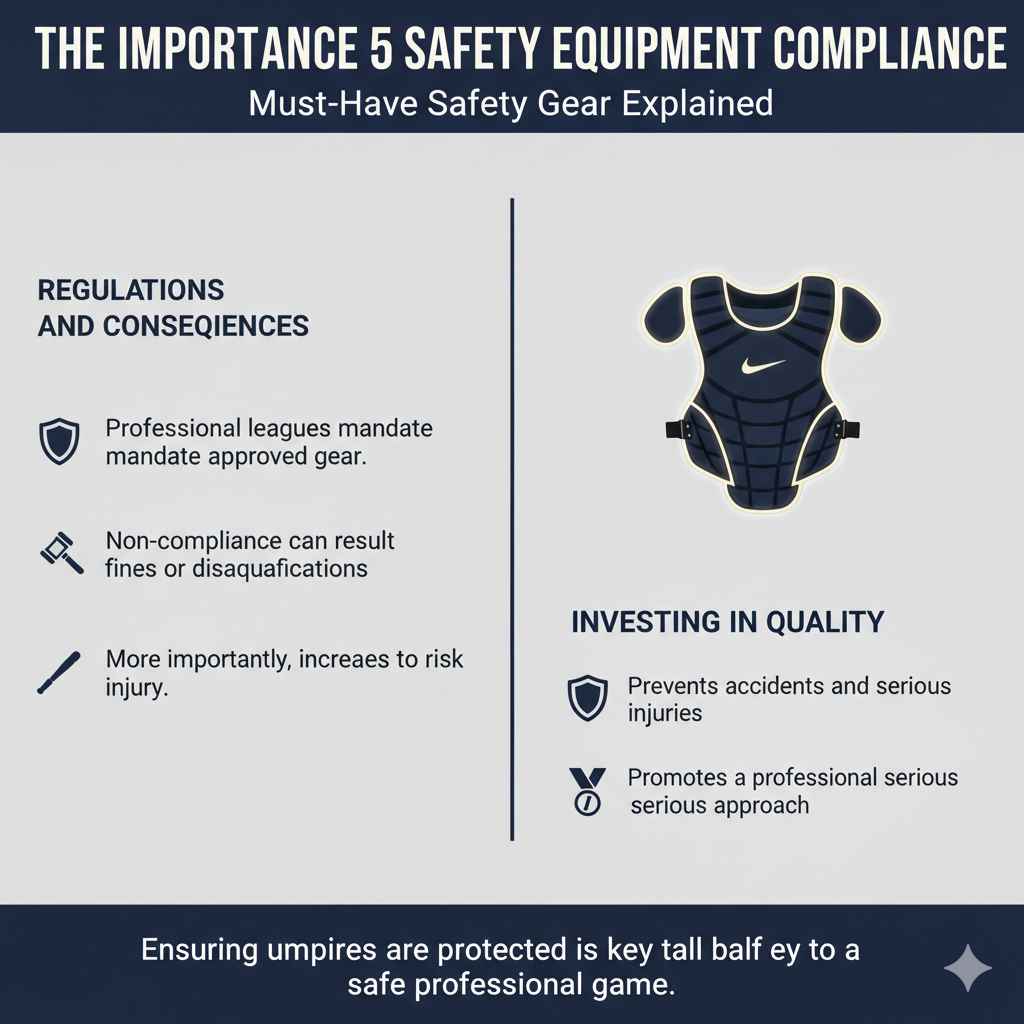
Umpires’ safety gear is often regulated by professional leagues and governing bodies, which mandate wearing approved chest protectors and other equipment during official games. Non-compliance can result in fines or disqualification from officiating. More importantly, it increases the risk of injury.
For aspiring umpires and leagues organizing games, investing in quality protective equipment is critical. Not only does it prevent accidents, but it also promotes a professional and serious approach to the sport.
Final Thoughts
So, do umpires wear chest protectors? Absolutely. Chest protectors are an indispensable element of an umpire’s gear, designed to shield the upper body from powerful impacts during the game. Between outside balloon-style protectors and inside slim-fitting models, umpire chest protection has evolved significantly, balancing safety with comfort and mobility.
Beyond the chest protector, umpires rely on an array of safety items, all working together to keep them safe throughout competitive play. The next time you watch a game, take a moment to appreciate the layers of protection behind the keen eye and confident calls of the umpires—because safety is a crucial part of their role on the field.