Don’T Stand under a Tree During Lightning: Vital Safety Tips
Lightning is one of nature’s most powerful forces. Every year, it strikes the ground millions of times around the world. Many people think standing under a tree during a thunderstorm is safe. But this is a dangerous myth. Trees are actually one of the worst places to shelter when lightning threatens.
Understanding why is not just about safety, it’s about survival. This article explains the science, real risks, and smart alternatives to help you stay safe when storms hit.
Why Lightning Strikes Trees
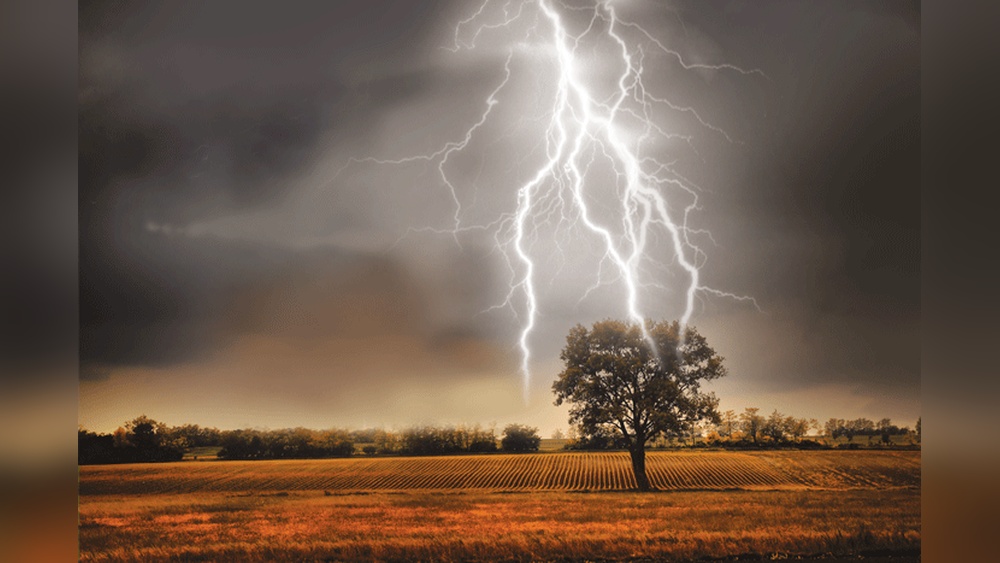
Lightning always seeks the shortest path between clouds and the ground. Trees are tall, often the highest objects nearby, so they attract lightning. Their moisture content also helps conduct electricity. When lightning hits a tree, the current travels down the trunk, sometimes exploding bark and causing fires.
Standing under a tree during lightning can expose you to the same deadly energy.
The Science Of Attraction
Trees act as natural conductors. Their height and wetness make them ideal lightning targets. The current from a strike can reach temperatures of 30,000°C (54,000°F), hotter than the surface of the sun. This energy follows the tree’s roots, which can spread out for meters underground. If you’re near or under the tree, electricity can jump to you or travel through the ground.
Data On Tree Lightning Strikes
According to the National Weather Service, about 10% of lightning deaths in the U.S. involve people sheltering under trees. Most victims are caught by “side flashes”, when lightning jumps from the tree to a person. Serious injuries include burns, nerve damage, and heart problems. Fatalities often happen because people underestimate the risk.
| Lightning Strike Type | Risk Level | Typical Victim Location |
|---|---|---|
| Direct hit | Very high | Open fields, near tall objects |
| Side flash | High | Under trees or shelters |
| Ground current | Medium | Within 10 meters of strike |
| Contact injury | Medium | Touching struck objects |
Real Risks Of Standing Under A Tree
People often look for quick shelter when storms begin. Trees seem handy, easy to reach, wide branches, and shade. But the risks are severe and often misunderstood.
Side Flash Danger
Lightning may not hit you directly. Instead, it can jump sideways from the tree to your body. This happens because your body can conduct electricity better than air. You become the path of least resistance. Many lightning deaths and injuries are caused by this side flash effect.
Ground Current
Lightning travels through the tree and spreads out in the ground. If you stand near the roots, electricity can enter your feet and travel up your body. Ground current injuries are common and can affect several people at once.
Falling Debris
When lightning hits a tree, bark and branches can explode or fall. Even if you avoid the electrical shock, you risk serious injuries from falling debris. In my experience, after a storm, I’ve seen splintered trees and scattered wood, proof of lightning’s destructive force.
Fire Risk
Strikes can set trees on fire. Flames may spread quickly, especially if the tree is dry. If you’re sheltering beneath, you could be trapped or burned.
Why People Still Stand Under Trees
Despite warnings, many people continue to use trees as shelter. This behavior is rooted in myths and misunderstandings.
Common Myths
- Trees are safe in storms: Many believe trees block rain and wind, making them seem like a good choice.
- Lightning never strikes the same place twice: This myth ignores that lightning often hits tall objects repeatedly.
- Only metal attracts lightning: Trees are just as attractive because of their height and moisture.
Behavioral Patterns
People caught outside often panic. They look for the nearest cover, ignoring safety. Parks, sports fields, and hiking trails are common places where this mistake happens. Sometimes peer pressure plays a role, one person chooses a tree, and others follow.
Safer Alternatives During Thunderstorms
Knowing what to do when lightning threatens is crucial. Avoiding trees is just one part of effective storm safety.
Find Proper Shelter
Buildings are the best protection. If you hear thunder, go inside immediately. Cars with metal roofs also provide safety. Avoid small shelters, tents, and sheds, they don’t offer enough protection.
If You’re Caught Outside
If you can’t reach a building or car:
- Move away from tall objects (trees, poles, towers).
- Stay in an open area, but crouch low with feet together. Don’t lie flat; this increases ground current risk.
- Keep away from water and metal objects.
- Wait until the storm passes before moving.
Pro Tip:
If you see lightning and hear thunder within 30 seconds, the storm is close. Seek shelter right away and avoid trees.
How Lightning Injuries Happen
Understanding how lightning affects the body helps explain why tree shelter is so dangerous.
Types Of Injury
- Burns: Skin and internal burns from electrical current.
- Cardiac arrest: The heart can stop suddenly.
- Nervous system damage: Memory loss, confusion, long-term disability.
- Trauma: Falling branches or being thrown by the force.
Recovery Challenges
Lightning injuries often need long-term medical care. Survivors may suffer from chronic pain, anxiety, and depression. Treatment varies depending on injury type, and recovery can take months or years. Always consult a medical professional for advice and treatment if you suspect lightning injury.
Real-life Examples
Stories help illustrate the risk. In 2018, a group of hikers in Colorado took shelter under a tree during a sudden storm. Lightning struck the tree, injuring three people and causing burns and nerve damage. One survivor reported memory problems even a year later.
In a 2026 case, a soccer player in Florida was standing beneath a tree when lightning hit. He suffered cardiac arrest and needed immediate CPR. He survived, but doctors said his recovery would be long and difficult.
These examples show how quickly danger can appear and why avoiding trees is so important.
Comparing Shelter Choices During Storms
Let’s compare common shelter options for outdoor storms:
| Shelter Type | Protection Level | Notes |
|---|---|---|
| Under a tree | Very poor | High risk of side flash, ground current |
| Open field (crouched) | Low | Better than trees, but still risky |
| Inside a building | Excellent | Walls and roof protect from lightning |
| Inside a car | Good | Metal roof protects; avoid touching metal parts |
| Tent or shed | Poor | Minimal protection; not safe |
Factors That Increase Lightning Risk
Some conditions make lightning strikes more likely.
Location
Open fields, mountain tops, and sports fields are more exposed. Tall objects nearby increase risk.
Weather Patterns
Thunderstorms with intense rain, wind, and frequent lightning are more dangerous. Some regions see more storms, Florida, for example, has the most lightning strikes in the U. S.
Personal Behavior
Standing near water, carrying metal objects, or using electronic devices outdoors can increase risk. Even shoes with metal parts can conduct electricity.
Safety Tips For Outdoor Activities
If you enjoy hiking, sports, or picnics, plan ahead for storm safety.
- Check weather forecasts before heading out.
- Carry a weather alert app or radio.
- Know the nearest safe shelter locations.
- Educate your group about lightning risks.
- Avoid group gatherings under trees during storms.
Example:
During a camping trip, I once checked the forecast and saw thunderstorms predicted. We planned to leave the site early and avoided staying near trees. Everyone stayed safe, and the experience reinforced the importance of preparation.
What Happens When Lightning Hits A Tree
The effects are dramatic. Lightning can split trees, strip bark, and ignite fires. The energy may travel through roots and soil, affecting animals and people nearby.
Physical Damage
Trees may explode, sending wood and bark flying. Roots can be destroyed, making the tree unstable.
Environmental Impact
Fires started by lightning can spread, damaging forests and wildlife. Fallen trees block roads and trails, creating hazards even after the storm.
The Role Of Emergency Services
If someone is struck by lightning, emergency services are essential.
Immediate Actions
- Call 911 or local emergency number.
- Begin CPR if the person is unresponsive.
- Move away from the tree to avoid further strikes.
Medical Response
Paramedics treat burns, cardiac arrest, and trauma. Hospitals may offer specialized care for nerve damage and psychological support. Quick action can save lives.
Comparing Lightning Safety Myths Vs. Facts
Many ideas about lightning are wrong. Let’s see the truth:
| Myth | Fact |
|---|---|
| Lightning never strikes the same place twice | Lightning often hits tall objects repeatedly |
| Metal objects attract lightning | Height and isolation matter more than material |
| Rubber soles protect from lightning | Rubber offers little real protection |
| It’s safe to shelter under a tree | Trees are one of the most dangerous places |
| If you’re caught outside, lie flat | Crouch low, feet together to reduce ground current |

Credit: www.youtube.com
Global Patterns In Lightning Strike Injuries
Lightning is a global issue. Some regions see more strikes and injuries.
High-risk Countries
- United States: Especially Florida, Texas, and Colorado.
- India: Many rural areas see frequent strikes, leading to hundreds of deaths each year.
- Africa: Outdoor workers face high risks.
Vulnerable Groups
Farmers, hikers, and athletes are often exposed. Education and access to safe shelters are key to reducing injuries.
The Importance Of Education
Teaching people about lightning safety saves lives. Schools, sports clubs, and outdoor groups should offer training. Posters, alerts, and drills help people remember what to do.
Non-obvious Insight
Many people don’t realize that thunderstorms can arrive quickly, with little warning. Waiting until you see lightning is often too late. Early action is safer.
Another overlooked fact: Lightning can strike up to 10 miles from the main storm. Even if the sky seems clear, thunder means risk.

Credit: www.reddit.com
What To Do If You’re Stranded
If you’re caught outside with no shelter, the steps you take matter.
- Move away from tall objects.
- Crouch low, feet together, minimize contact with the ground.
- Avoid water, metal, and groups of people.
- Stay alert and listen for thunder.
How To Protect Children And Vulnerable People
Children, elderly, and disabled people need extra care during storms.
- Plan safe routes and shelter locations.
- Teach clear rules: “If you hear thunder, go indoors.”
- Assign a group leader to watch for storms and guide everyone.

Credit: www.reddit.com
The Role Of Technology In Lightning Safety
Apps and weather alerts can warn you about storms. Many smartphones have built-in weather notifications. Outdoor groups should use these tools for planning.
Warning:
Never ignore alerts or assume you’ll have enough time. Lightning storms can move fast.
Frequently Asked Questions
Is It Safer To Shelter Under A Small Bush Instead Of A Tree?
Sheltering under a small bush is safer than under a tall tree, but it’s not ideal. Bushes are less likely to be struck, but you should always look for a building or car first.
Can Lightning Strike Inside A Car?
Lightning can hit a car, but the metal frame directs electricity around you. Avoid touching metal parts inside the car. You’re much safer inside a car than outside.
What Should I Do If I See Someone Struck By Lightning?
Call emergency services immediately. Begin CPR if needed. Move the person away from the tree, but only if it’s safe. Wait for professionals for further care.
How Can I Predict Lightning Risk Without Technology?
Watch for dark clouds, sudden wind, and thunder. If you hear thunder, you’re within striking distance. Use the “30-30 Rule”: if thunder follows lightning in less than 30 seconds, get to shelter.
Are Animals Under Trees At Risk During Lightning?
Yes. Animals can be injured or killed by side flashes and ground current. Farmers should move livestock indoors during storms for better safety.
Staying safe during thunderstorms is about knowing the risks and making smart choices. Trees might seem inviting, but they are one of the most dangerous places you can be when lightning threatens. With preparation, education, and quick action, you can avoid tragedy and protect yourself and others. If you want more in-depth information, visit the National Weather Service Lightning Safety page for expert guidance.