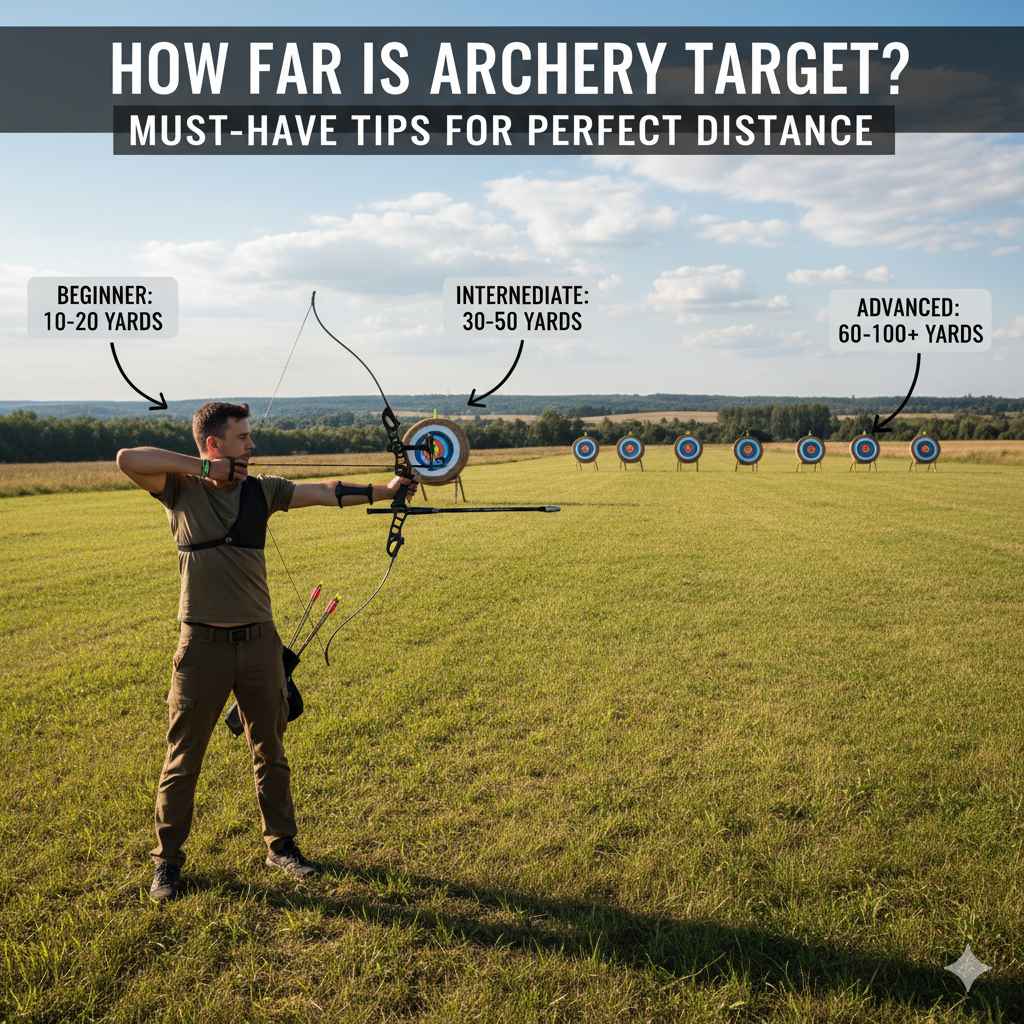
When it comes to archery, one of the most common questions that beginners and even seasoned archers ask is: how far is archery target set from the shooting line? Understanding the ideal distance for your archery target is crucial not only for improving accuracy but also for ensuring safety during practice. Whether you’re shooting in an indoor range, practicing outdoors, or competing, knowing how far to place your archery target can dramatically impact your performance and enjoyment. In this article, we’ll explore the standard distances for archery targets, factors that influence the ideal range, and practical tips to help you find that perfect spot.
Understanding Standard Archery Target Distances
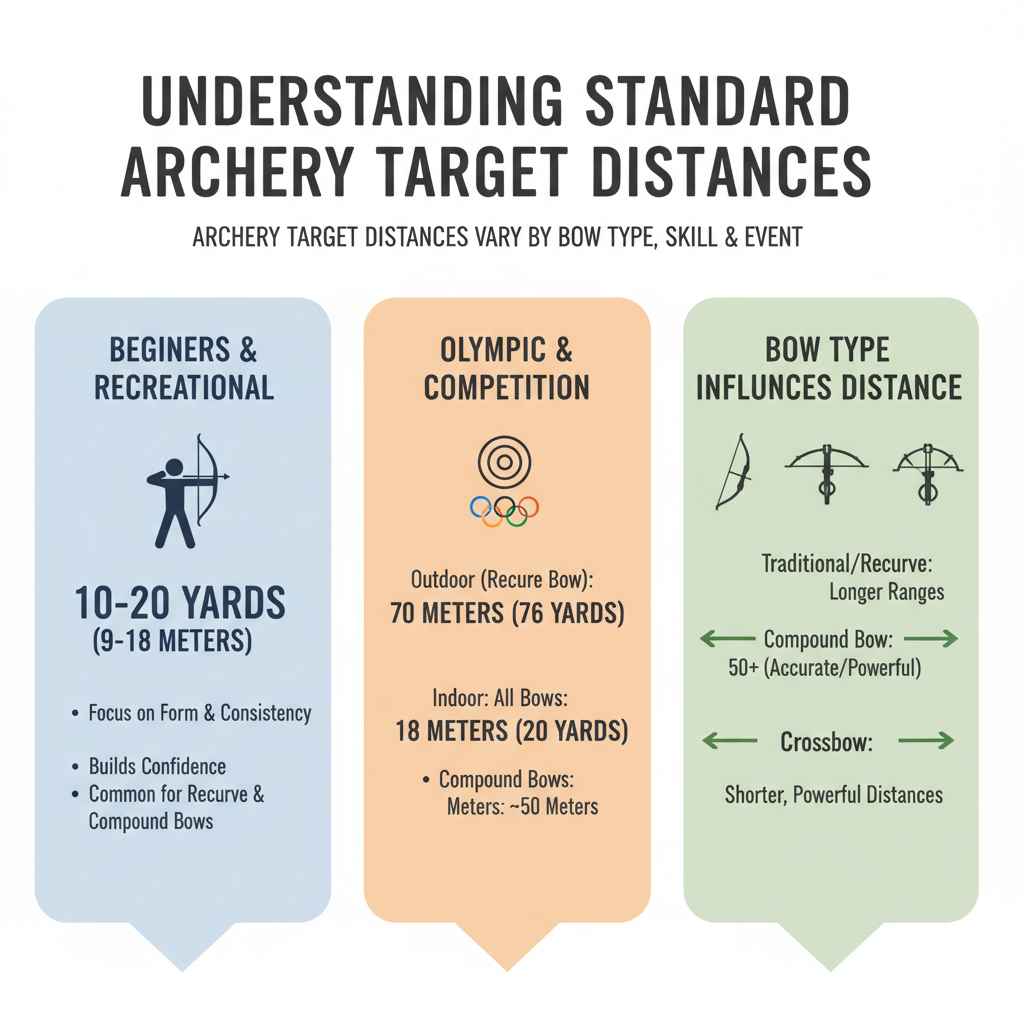
When learning how far is archery target, it’s helpful to first look at widely accepted standards in the sport. Archery target distances vary depending on the type of bow, the skill level of the archer, and the type of event or practice session. Here’s an overview of typical distances:
For Beginners and Recreational Archery
If you’re new to archery, targets are generally placed closer to help develop your skill and confidence. Distances between 10 and 20 yards (around 9 to 18 meters) are common for beginners practicing with recurves or compound bows. Shooting at closer ranges allows you to focus on your form and consistency without being discouraged by the challenge of hitting a target that’s too far.
Olympic and Competition Distances
In professional and Olympic archery competitions, the standard distance for outdoor target shooting with recurve bows is 70 meters (approximately 76 yards) for men and women. For indoor competitions, the distance is often 18 meters (20 yards). Compound bow competitions might use different distances, such as 50 meters.
Bow Type Influences Target Distance
One important factor when considering how far is archery target relates to the bow you use. Traditional longbows or recurves are commonly shot at longer ranges, while crossbows and compound bows can be effective at shorter but more powerful distances. Compound bows, with their increased accuracy and power, allow for effective shooting at 50 meters or more in competitions.
Factors Affecting the Ideal Archery Target Distance
While standards give you a good starting point, several factors influence where you should place your archery target for the best experience.
Skill Level and Confidence
If your goal is learning, start closer and gradually increase the distance as your proficiency improves. This staged approach prevents frustration and helps build muscle memory as you focus on consistent form and aiming.
Purpose of Practice
Are you practicing for precision, speed, or hunting? Each goal might require adjusting the target distance. For example, hunting practice usually mirrors the actual shooting distances you expect in the field, often between 20 to 40 yards.
Safety Concerns
Safety is paramount when deciding how far is archery target should be placed. Your shooting area must have a clear backstop or safety zone behind the target since arrows can travel much farther than the target distance. Make sure that no people, animals, or obstructions are in the line of fire or behind the target area.
Environmental Conditions
Wind, lighting, and terrain can affect your shooting accuracy and the ideal target placement. Outdoors, choose a flat surface and place the target in an area sheltered from harsh winds to maintain consistent shooting conditions.
Must-Have Tips for Perfect Archery Target Distance
To get the most out of your archery practice, keep these important tips in mind:
Start Close, Then Increase Distance Gradually
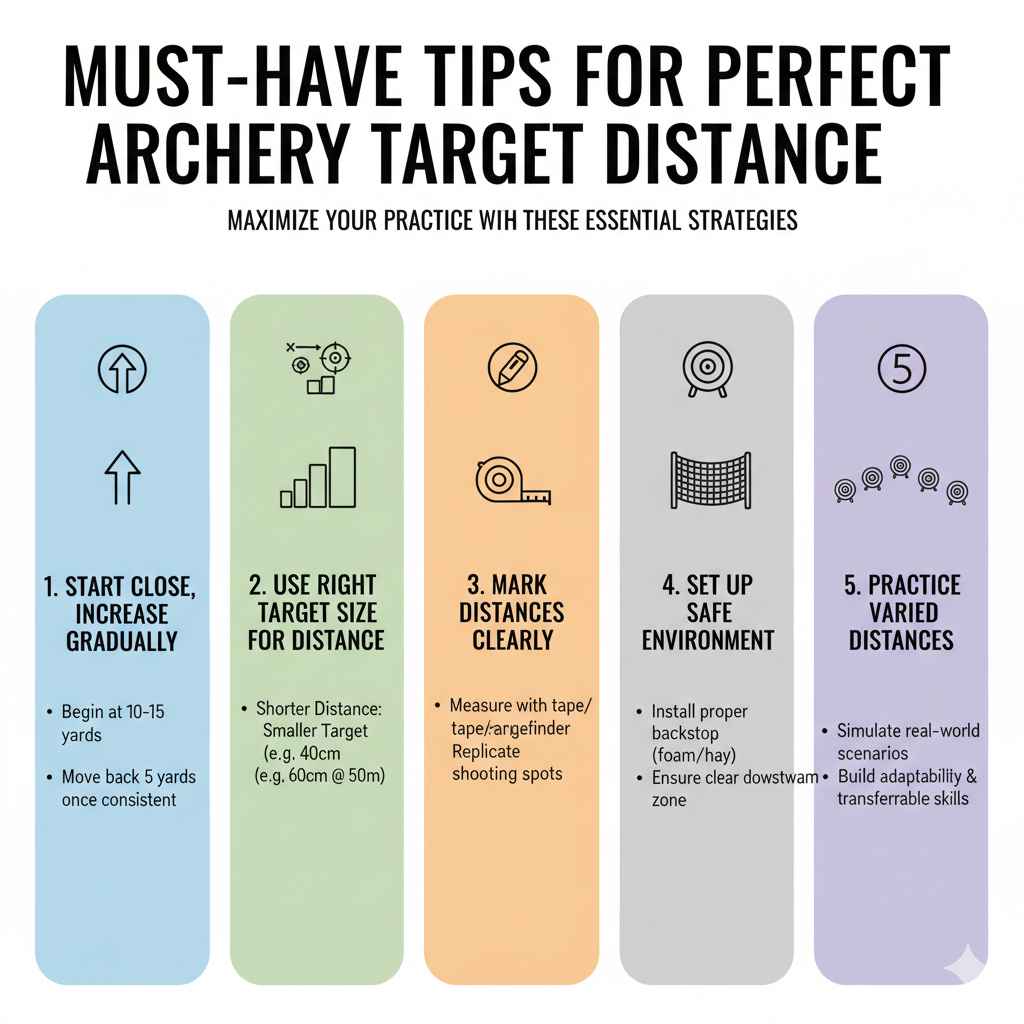
Initially, position your target as close as 10 to 15 yards. Once you feel consistent hitting the target, move back in small increments (5 yards or so) to keep challenging yourself without feeling overwhelmed.
Use the Right Target Size for the Distance
At shorter distances, a smaller target helps improve aim precision. Conversely, larger targets are better for longer distances where accuracy naturally decreases. For example, 40 cm (16 inches) targets work well at 18 meters, but you might need a 60 cm or larger target at 50 meters.
Mark Your Distances Clearly
Accurate distance measurement is key—use a tape measure or rangefinder to ensure your target is exactly where you want it. Mark your shooting spots clearly so you can replicate your practice sessions.
Set Up a Safe Shooting Environment
Install a proper backstop such as thick foam blocks, hay bales, or specialized archery nets behind the target to stop stray arrows. Always inform others in the vicinity when shooting, and never shoot without a safe, clear downstream zone.
Practice with Varied Distances
Mix up your distances during different sessions to simulate real-world scenarios and develop adaptability. This approach builds archery skills that are transferrable whether competing or hunting.
Wrapping Up
When asking how far is archery target, the answer varies considerably based on your goals, equipment, and level of expertise. Starting with shorter distances and progressing toward standard competition ranges allows gradual skill development, precision, and confidence. Always prioritize safety and tailor your target distance to your environment and purpose.
By respecting these must-have tips and understanding the factors involved, you’ll not only perfect your aim but also enjoy every moment spent in the fascinating and rewarding world of archery. Happy shooting!