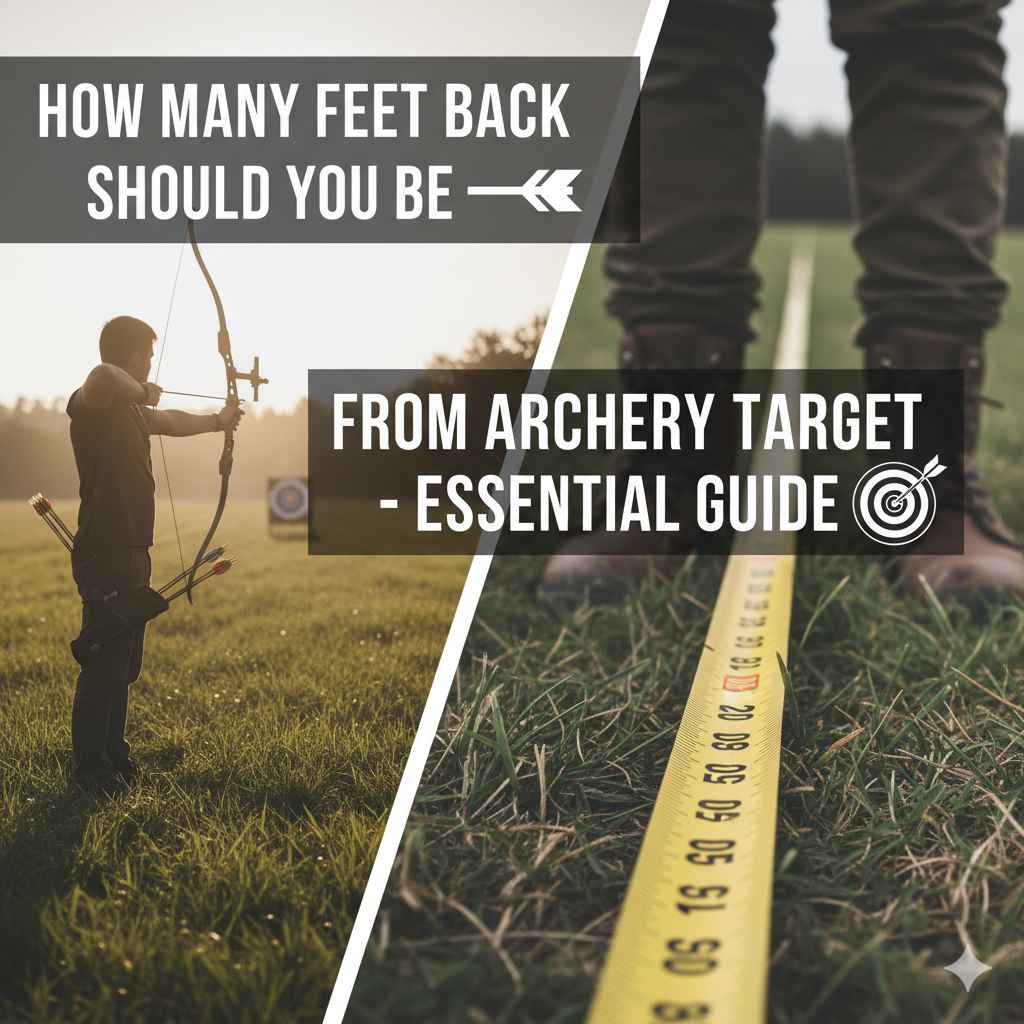
Understanding how many feet back should you be from archery target is a fundamental aspect of practicing and competing in archery safely and effectively. Whether you are a beginner just getting started or an experienced archer looking to refine your technique, knowing the proper distance not only promotes accuracy but also ensures safety on the range. In this essential guide, we’ll explore standard distances for different skill levels, the factors that influence these distances, and the best practices for setting up your archery range.
Why Distance Matters in Archery
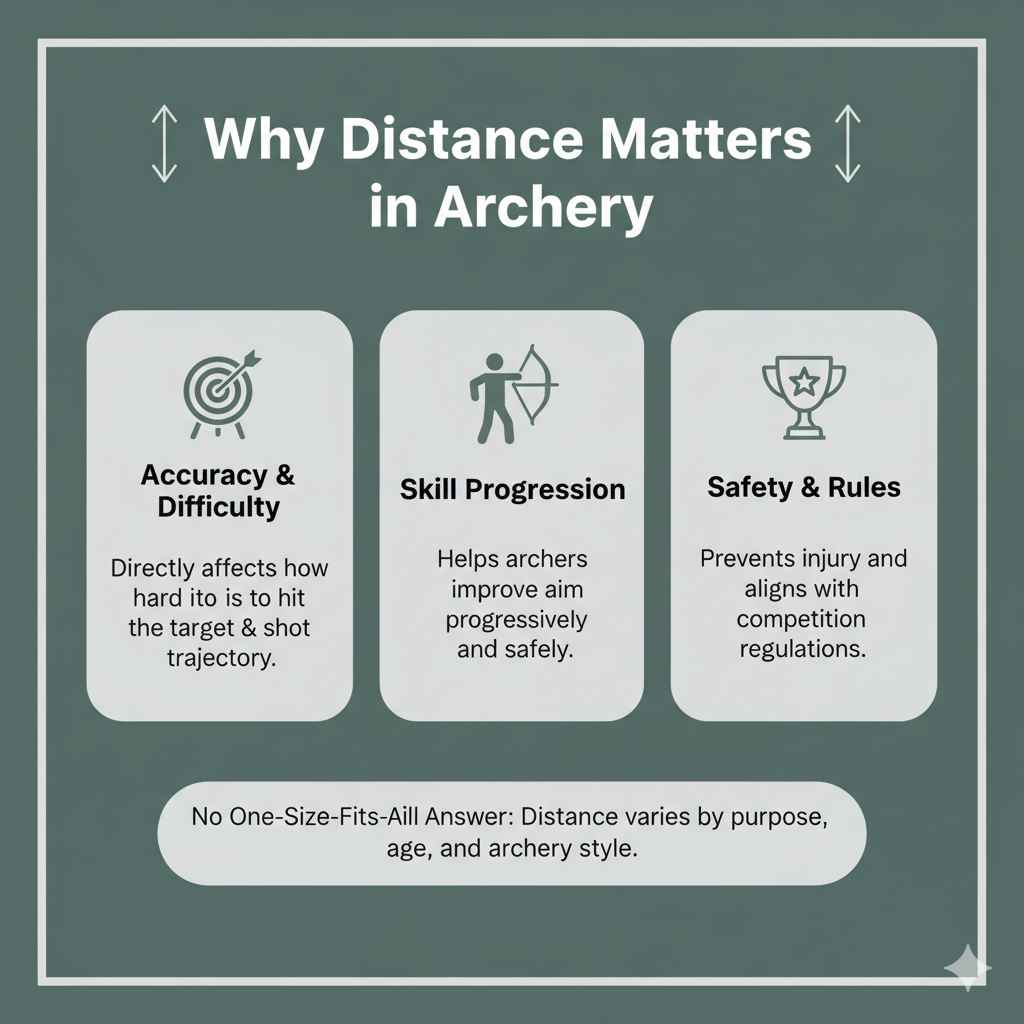
Distance plays a crucial role in archery. It directly affects how difficult it is to hit the target, the trajectory of the arrow, and ultimately your performance. Shooting from the right distance helps archers improve their aim progressively, prevents injury, and aligns with established competition rules.
When asking how many feet back should you be from archery target, it’s important to note that there isn’t a one-size-fits-all answer—distances vary based on purpose, age, and archery style.
Standard Distances Based on Skill Level
Beginner Archers
For those new to archery, practicing at shorter distances is advisable. This helps build confidence, form, and control.
– Typical distance: 10 to 20 feet
– Shooting from 10 to 20 feet allows beginners to focus on learning bow handling and aiming without being overwhelmed by distance challenges.
Intermediate Archers
Once comfortable with basics, archers can gradually increase their distance to improve precision and develop consistency.
– Typical distance: 20 to 40 feet
– At this range, archers begin to account for arrow drop and wind conditions, which are important factors in real-world archery.
Advanced Archers and Competition Standards
Competitive archery has standardized distances depending on the type of event, bow type, and governing body rules.
– Field Archery: 20 to 60 yards (60 to 180 feet) on uneven terrain
– Target Archery (Olympic style): 70 meters (about 230 feet) for outdoor recurve events
– Indoor Archery: 18 meters (about 60 feet)
– Compound bow competitions often shoot at 50 yards (150 feet).
The progression to longer distances reflects increased skill levels and target sizes. Competitions typically require certification of the exact distances, reinforcing the importance of accuracy.
Factors Influencing How Many Feet Back You Should Be From Archery Target
Purpose of Practice
If your goal is casual target practice with friends, the distance can be flexible. However, for formal training or competition preparation, adhere to regulated distances.
Age and Physical Ability
Youth archers often shoot at shorter ranges for safety and comfort. For example, archery programs for kids usually set targets at 10 to 15 feet.
Bow Type
Different bows—such as recurve, compound, or traditional longbows—have varying effective ranges. Compound bows typically offer better accuracy and arrow speed, enabling longer shooting distances.
Arrow Type and Target Size
Using heavier or different arrow types can affect flight and accuracy. Target size also dictates appropriate distance; smaller targets require more skill and often greater shooting distances.
Safety Considerations
Proper backstop and safe shooting lanes should always accompany any distance setup. This means adequate space behind the target to catch stray arrows and prevent accidents.
Best Practices for Setting Up Your Archery Range
Regardless of the distance, the setup of your archery range is paramount to a safe and enjoyable experience.
1. Clear Shooting Path: Ensure no people, animals, or obstacles are in the shooting lane.
2. Establish a Safe Shooting Line: Archers shoot from behind a marked line at the start.
3. Use Proper Backstops: Install thick foam or hay bales behind targets to absorb missed arrows.
4. Maintain Consistent Distances: Mark distances clearly on the ground for training and competition use.
5. Follow Local Rules: Confirm any range or club-specific distance guidelines before shooting.
Tips to Improve Accuracy at Various Distances
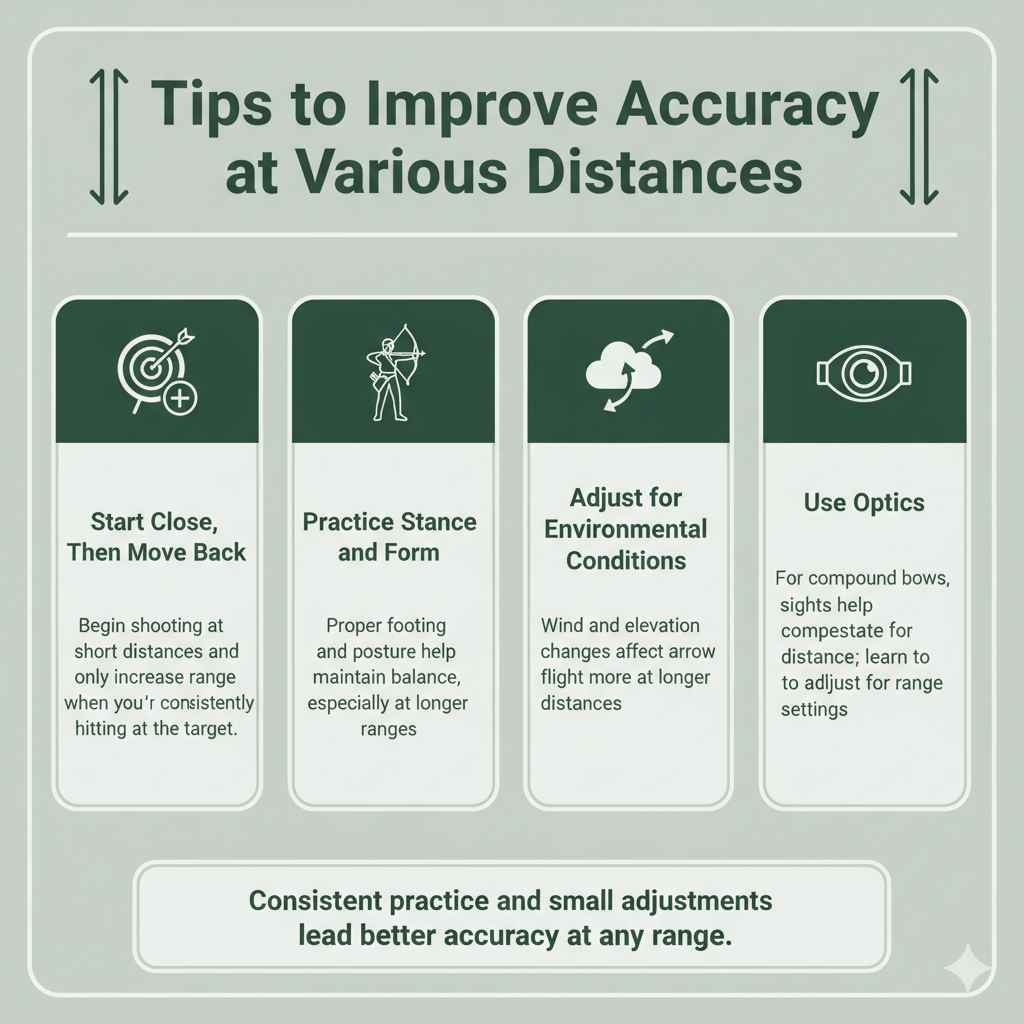
– Start Close, Then Move Back: Begin shooting at short distances and only increase range when you’re consistently hitting the target.
– Practice Stance and Form: Proper footing and posture help maintain balance, especially at longer ranges.
– Adjust for Environmental Conditions: Wind and elevation changes affect arrow flight more at longer distances.
– Use Optics: For compound bows, sights help compensate for distance; learn to adjust for range settings.
Conclusion
The question of how many feet back should you be from archery target depends largely on your skill level, purpose, and equipment. Beginners typically start at 10 to 20 feet to gain confidence, while serious competitors shoot from much farther. Understanding these distances and following safety precautions ensures a rewarding archery experience while improving your skills. Whether you are practicing in your backyard or preparing for an official competition, setting the right distance is an essential step in becoming a proficient archer.