
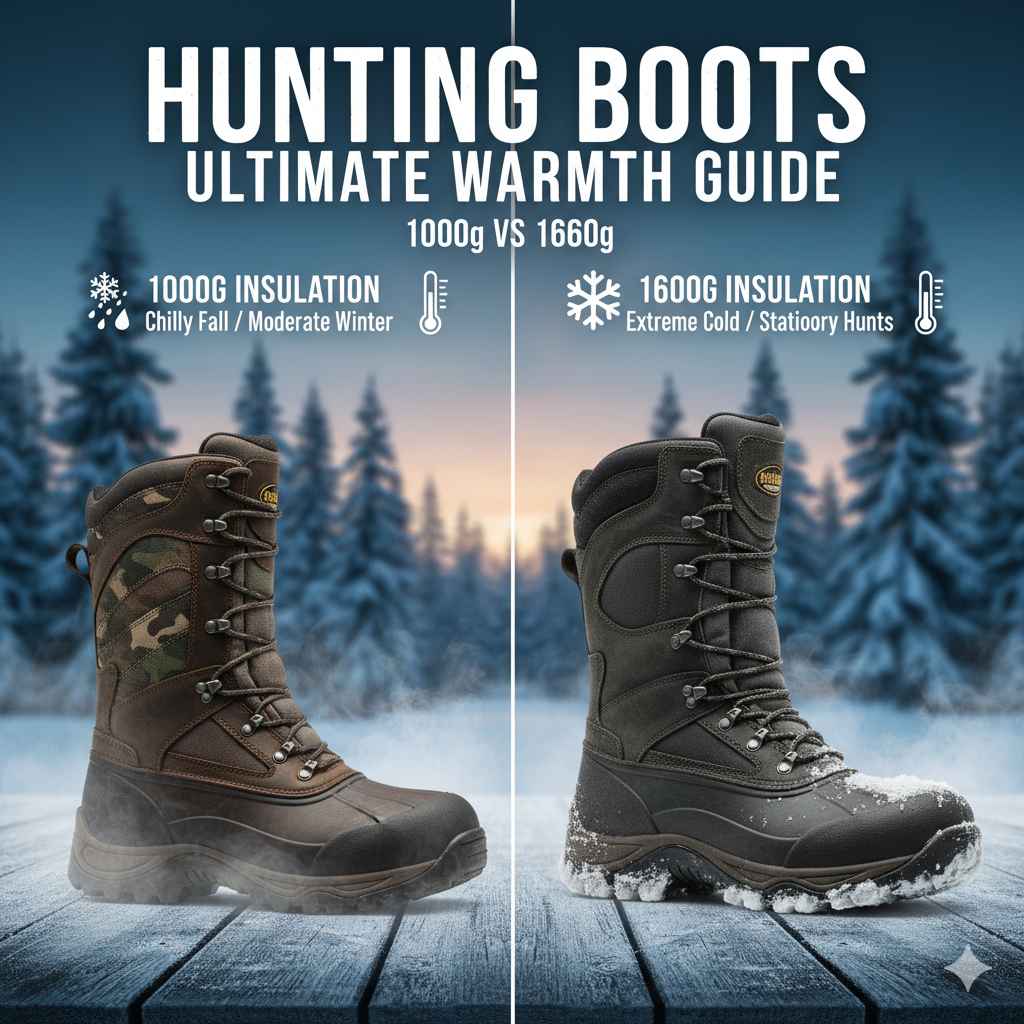
Figuring out which hunting boots are best for staying warm can feel a bit confusing, especially if you’re new to hunting. People often wonder about the difference between 1000g and 1600g insulation in boots and what it really means for their comfort in the cold. It sounds technical, but it’s quite simple once you break it down.
This guide will make the 1000g vs 1600g Hunting Boots: Ultimate Warmth Guide easy to grasp. We’ll walk through everything step-by-step so you can choose the right boots for your adventures.
Understanding Hunting Boot Insulation
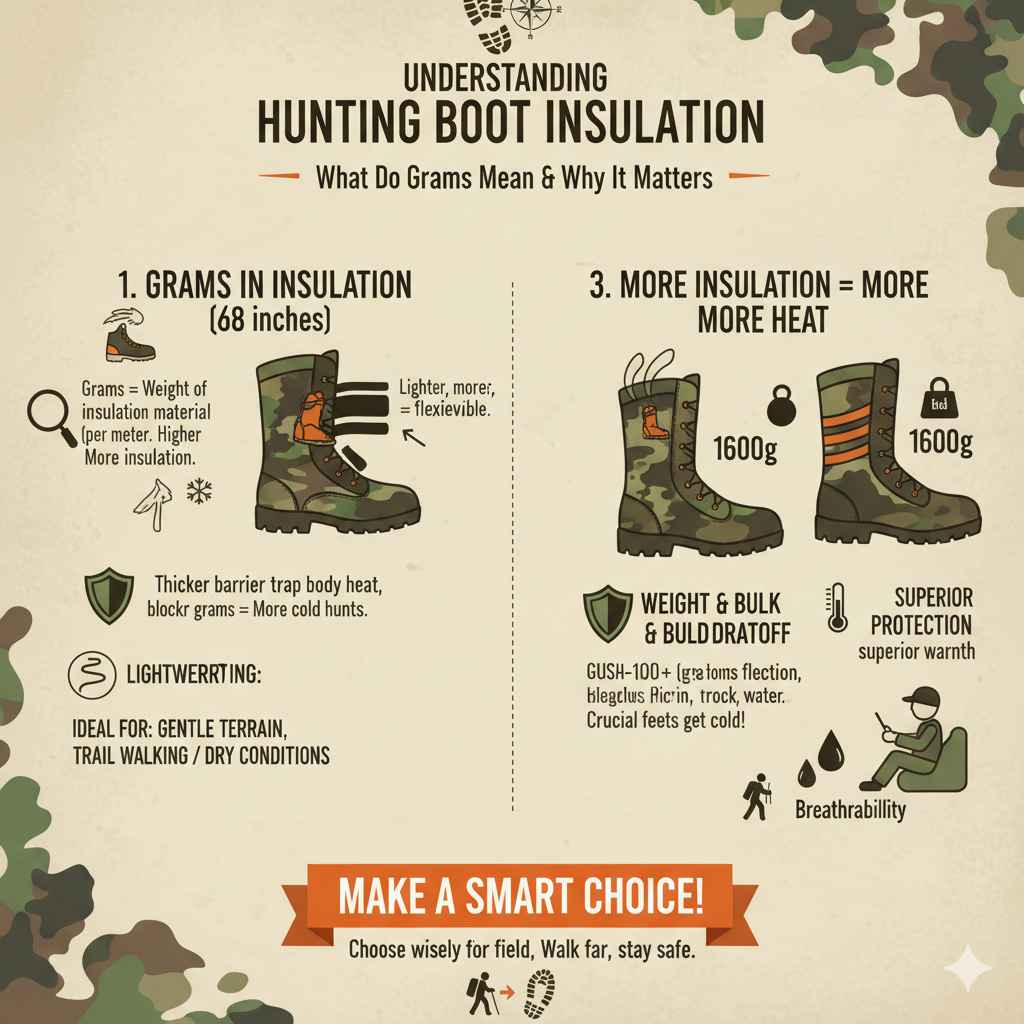
This section helps you grasp the basics of why insulation matters in hunting boots. We will explore what “grams” mean in boot insulation and why this number is a big deal for keeping your feet warm during long days in the field, especially in cold weather. Understanding this core concept is the first step to making a smart choice for your next pair of boots.
What Do Grams Mean In Boot Insulation
When you see numbers like 1000g or 1600g on hunting boots, it refers to the weight of the insulation material used in grams per square meter. This insulation is typically synthetic, like Thinsulate or similar materials. The higher the number of grams, the more insulation is packed into the boot.
More insulation means the boot is designed to trap more heat, keeping your feet warmer.
Think of it like a jacket. A light jacket has less filling, and a heavy winter coat has a lot more. The grams in boots work the same way, indicating how much “filling” the boot has to fight off the cold.
This is a key factor in how well your boots will perform when temperatures drop significantly.
More Insulation Traps More Heat
The primary purpose of insulation is to create a barrier against the cold. More insulation means a thicker barrier. This thicker barrier prevents your body heat from escaping and also stops the cold air from reaching your feet.
For hunters who spend extended periods stationary, this ability to retain heat is vital.
Impact on Boot Weight and Bulk
While more insulation is good for warmth, it can also make the boot heavier and bulkier. This is a trade-off hunters must consider. A heavier boot might feel more cumbersome during long treks, but it often provides superior warmth for static hunting situations like sitting in a blind or waiting for game.
Insulation vs. Other Warmth Factors
It’s important to remember that insulation is just one part of boot warmth. Other factors like waterproofing, breathability, and the overall construction of the boot also play a role. A boot with great insulation but poor waterproofing will let your feet get wet and cold quickly.
Similarly, a boot that doesn’t breathe well can lead to sweaty feet, which then get cold.
Common Insulation Levels Explained
Hunting boots come with various levels of insulation, often indicated by gram counts. Common levels include 200g, 400g, 600g, 800g, 1000g, and 1600g. Each level is suited for different temperature ranges and hunting styles.
For mild to cool weather, 200g to 400g might be enough. As temperatures drop, you’ll want more. 600g to 800g is good for moderately cold conditions.
The 1000g and 1600g levels are generally for the coldest environments and for hunters who will be spending a lot of time sitting still.
The choice depends heavily on where and when you hunt. A hunter in the northern states during winter will need much more insulation than someone hunting in the southern states during a mild fall.
1000g Hunting Boots Your Go-To Choice
This section focuses on 1000g insulated hunting boots. We will discuss what makes them a popular and effective choice for many hunters. You’ll learn about the situations where 1000g insulation shines and why it offers a great balance of warmth and mobility for various hunting scenarios.
When 1000g Insulation is Ideal
1000g of insulation is a popular choice for a reason. It provides excellent warmth for a wide range of cold-weather hunting conditions without being excessively bulky or heavy. This makes it suitable for many hunters who experience sub-freezing temperatures but still need to move around a fair bit.
These boots are great for late-season hunts when the weather can be unpredictable and quite cold. They offer enough warmth to keep your feet comfortable while you’re actively tracking game or moving to new spots. The warmth-to-weight ratio is often very good with 1000g boots, making them a reliable all-around performer.
Moderate to Severe Cold Conditions
1000g insulation is typically recommended for temperatures ranging from around 0°F to 20°F (-18°C to -7°C). This range covers many winter hunting situations across different regions. It’s enough to combat the biting cold of a winter morning or an extended period in a treestand as temperatures hover near freezing.
Active Hunting Styles
For hunters who move frequently, such as stalking, hiking to a hunting spot, or actively covering ground, 1000g boots strike a good balance. They offer substantial warmth but still allow for a decent range of motion and don’t feel overly restrictive during movement. This is key to avoiding overheating when on the move.
Balance of Warmth and Mobility
The 1000g level strikes a great balance between providing serious warmth and maintaining a reasonable level of mobility. While heavier than lighter insulated boots, they are generally less bulky and stiff than 1600g options. This balance makes them a versatile choice for many hunters who don’t exclusively hunt in extreme, static conditions.
Benefits of 1000g Insulated Boots
The primary benefit of 1000g insulated boots is their ability to keep your feet warm in cold weather. This warmth is crucial for comfort and performance in the field. Cold feet can lead to discomfort, reduced focus, and even frostbite in extreme cases.
1000g insulation helps prevent these issues.
These boots also tend to offer good durability and support. The added insulation often comes within a robust boot structure, providing ankle support and protection from rough terrain. This means you’re not just getting warmth; you’re getting a reliable piece of gear for the challenges of hunting.
A well-insulated boot helps you stay out longer. When your feet are warm and comfortable, you can focus on the hunt instead of constantly thinking about the cold. This allows for a more enjoyable and productive hunting experience, especially during those long, cold days.
Real-Life Scenario: The Late-Season Deer Hunter
Imagine Sarah, a deer hunter in Montana, who hunts during the late season. Temperatures often dip well below freezing, especially in the mornings and evenings. She spends a lot of time sitting in her treestand or blind, waiting patiently for deer to appear.
For her, 1000g insulated boots are perfect. They keep her feet toasty warm even when the thermometer reads 10°F (-12°C). The insulation prevents the cold from seeping in during her long periods of inactivity.
When she does need to move to a new spot or walk out of the woods, the boots are still comfortable enough not to feel like lead weights.
Sarah’s experience shows how 1000g boots provide the essential warmth for static hunting while still allowing for necessary movement. They are her reliable companions for surviving frigid hunting conditions and staying focused on the hunt.
1600g Hunting Boots For Extreme Cold
Here, we explore 1600g insulated hunting boots. This section highlights their purpose in very harsh, cold environments. You will learn why such a high level of insulation is necessary for extreme conditions and for specific types of hunting where staying warm is the absolute top priority.
When 1600g Insulation is Necessary
1600g insulation is designed for the most extreme cold. Think of hunting in the deep North during winter, or in very high altitudes where temperatures can plummet to well below 0°F (-18°C), even down to -20°F (-29°C) or colder. In these environments, standard insulation just won’t cut it.
These boots are ideal for hunters who will be spending extended periods of time completely still in frigid conditions. This often includes waterfowl hunters in icy blinds, late-season bowhunters in extremely cold climates, or anyone who needs maximum protection against severe frostbite.
Sub-Zero Arctic Conditions
1600g insulation is the standard for hunters facing temperatures consistently below 0°F (-18°C). This level of insulation is crucial for preventing serious cold-related injuries like frostbite when exposed to prolonged, extreme cold. It provides a thick thermal barrier that can withstand the harshest winter weather.
Static Hunting in Deep Freeze
This insulation level is best suited for hunters who remain stationary for long periods. Think of sitting in an ice fishing shelter, waiting in a frigid duck blind, or enduring a long stakeout in a snow-covered tree. When your body generates minimal heat through movement, maximum insulation becomes critical.
Maximum Protection Against Frostbite
The primary advantage of 1600g insulation is its unparalleled ability to protect against frostbite. By trapping a significant amount of heat, these boots keep your feet warm even when external temperatures are dangerously low. This level of protection is non-negotiable for survival and comfort in extreme cold.
Considerations for 1600g Boots
While 1600g boots offer exceptional warmth, they come with some trade-offs. The most significant is their bulk and weight. These boots are considerably heavier and larger than those with less insulation.
This can make walking and hiking more challenging and tiring.
Because they are so insulated, 1600g boots can sometimes be too warm for milder conditions or for hunters who tend to overheat easily. If you are moving a lot in temperatures above freezing, your feet might become uncomfortably sweaty, which can also lead to cold feet.
Another factor is flexibility. The thick insulation can make the boots stiffer, potentially reducing ankle articulation and overall comfort during movement. For activities requiring a lot of walking on uneven terrain, this stiffness might be a drawback.
When to Choose 1600g Over 1000g
You should opt for 1600g boots over 1000g boots when your hunting plans involve consistently extreme cold. This means temperatures regularly dropping to 0°F (-18°C) or below, and you expect to be stationary for many hours at a time.
If you hunt in regions known for brutal winters, like parts of Alaska, Canada, or the northernmost states during their coldest months, 1600g is likely your best bet. The extra insulation is not just for comfort; it’s for safety and to prevent debilitating cold.
Here’s a simple way to think about it: if you’re concerned about your feet freezing off and you’ll be sitting still, go for 1600g. If you need solid cold-weather warmth for active hunting in very cold, but not extreme, conditions, 1000g is likely sufficient.
Real-Life Scenario: The Extreme Cold Duck Hunter
Consider Mark, a waterfowl hunter who hunts in the Dakotas during the heart of winter. The lakes and marshes are often frozen, and wind chill factors can make the air feel incredibly cold. He typically hunts from a stationary blind, often for several hours without much movement.
For Mark, 1600g insulated boots are essential. During his hunts, temperatures can easily be -10°F (-23°C) or lower. His 1600g boots provide the necessary warmth to keep his feet from becoming numb and painful.
The significant insulation traps body heat, creating a warm microclimate around his feet, even when sitting for hours in sub-zero temperatures.
Without this level of insulation, Mark would be forced to cut his hunting trips short due to severe cold affecting his feet. His 1600g boots allow him to endure the harsh conditions and remain focused on the hunt, making his passion for waterfowl hunting enjoyable despite the extreme weather.
Comparing 1000g and 1600g Insulation
In this section, we’ll directly compare 1000g and 1600g insulation. This will help you visualize the differences and make an informed decision. We will look at key aspects like warmth, weight, flexibility, and ideal use cases to highlight which might be better for your specific needs.
Direct Comparison Table
Here is a table that lays out the key differences between 1000g and 1600g insulated hunting boots. This can help you quickly see the main points for each insulation level.
| Feature | 1000g Insulation | 1600g Insulation |
|---|---|---|
| Recommended Temperature Range | 0°F to 20°F (-18°C to -7°C) | Below 0°F (-18°C), often down to -20°F (-29°C) or colder |
| Primary Use Case | Active cold-weather hunting, late-season hunts, moderate freezes | Extreme cold, prolonged static hunting, severe winter conditions |
| Warmth Level | Very Warm | Extremely Warm |
| Weight | Moderate | Heavy |
| Bulk | Moderate | High |
| Flexibility | Good to Very Good | Moderate to Stiff |
| Risk of Overheating (in milder temps) | Moderate | High |
This table illustrates that 1600g offers superior warmth for the absolute coldest conditions. However, this comes at the cost of increased weight and bulk, and reduced flexibility compared to 1000g boots. The choice largely depends on your expected hunting environment and activity level.
Weight and Bulk Considerations
The most noticeable difference between 1000g and 1600g boots is their weight and bulk. 1600g boots contain significantly more insulating material, making them heavier and physically larger. This extra material takes up more space inside the boot, which can affect the fit and feel.
For hunters who are covering long distances on foot, the extra weight of 1600g boots can be a significant factor. It can lead to increased fatigue over the course of a day. 1000g boots are generally lighter and less bulky, offering a more comfortable experience for active hunters who still need substantial warmth.
When trying on boots, pay attention to how they feel on your feet and how much they weigh. If you plan to do a lot of walking, a lighter boot might be more practical, even if it means slightly less insulation. Conversely, if you prioritize maximum warmth above all else and will be stationary, the extra weight might be a worthwhile sacrifice.
Flexibility and Mobility
Insulation, especially in higher gram counts like 1600g, can impact the flexibility of a hunting boot. The thick layers of insulating material can make the boot stiffer, limiting ankle movement and overall agility. This can be a concern for hunters who need to navigate rough terrain, climb, or make quick movements.
1000g boots, while still very warm, tend to offer a better balance of flexibility. They provide substantial insulation without the extreme stiffness that can come with 1600g. This allows for a more natural stride and greater comfort when walking for extended periods or in varied terrain.
When choosing, consider the type of ground you’ll be hunting on. If it’s mostly flat and you’ll be sitting, flexibility might be less of a concern. If you’ll be hiking through steep, uneven ground, a more flexible boot might be preferable, even if it means a slight compromise on absolute warmth.
Choosing Between 1000g and 1600g
The decision between 1000g and 1600g hunting boots hinges on your specific hunting conditions and personal preferences. If you hunt in temperatures that regularly dip below 0°F (-18°C) and you often remain still for hours, 1600g offers superior protection. This is especially true for activities like ice fishing or extreme winter waterfowl hunting.
On the other hand, if your hunts generally involve temperatures from about 20°F (-7°C) down to 0°F (-18°C), and you expect to move around a fair amount, 1000g is likely the better choice. It provides excellent warmth without the excessive weight and bulk that can hinder mobility. This makes 1000g boots a more versatile option for a wider range of cold-weather hunting scenarios.
Ultimately, it’s about matching the boot’s insulation level to the demands of your hunt. Over-insulating can be as uncomfortable as under-insulating. Consider your typical hunting environment and how much you’ll be moving to make the best choice.
Other Factors for Boot Warmth
While the gram count of insulation is crucial, it’s not the only thing that determines how warm your hunting boots will be. This section will explore other vital features that contribute to overall foot warmth and comfort. Understanding these elements will help you make a more informed decision about your footwear.
Waterproofing and Breathability
Keeping your feet dry is just as important as keeping them warm. Even the best insulation is useless if it gets wet. Look for boots with reliable waterproofing membranes, like Gore-Tex or similar technologies.
These materials prevent water from entering the boot while allowing some moisture vapor to escape.
Breathability is the other side of the coin. If a boot traps all moisture, your feet will sweat, and that sweat can freeze, making your feet cold. A balance between waterproofing and breathability is key.
This means allowing sweat to escape while keeping external water out, ensuring your feet stay dry and comfortable from both rain and internal moisture.
Waterproof Membranes
High-quality waterproof membranes are essential. They act as a barrier, preventing rain, snow, and puddles from soaking into the boot. This is critical for maintaining warmth, as wet feet lose heat much faster than dry feet.
Technologies like Gore-Tex are industry standards, offering excellent protection.
Moisture Wicking Linings
Inside the boot, look for linings made from materials that wick moisture away from your skin. Synthetics like polyester or specialized wool blends are excellent at this. They pull sweat away from your foot towards the outer layers, where it can evaporate, helping to keep your feet dry and comfortable.
Ventilation Features
Some boots might have subtle ventilation features, though this is less common in extreme cold boots. The primary way breathability is achieved is through the membrane and lining materials. A boot that “breathes” allows warm, moist air from your foot to escape, preventing a sauna effect that can lead to clammy, cold feet.
Fit and Sizing
Getting the right fit is paramount for both comfort and warmth. A boot that is too tight can restrict blood flow, leading to cold feet. Conversely, a boot that is too loose won’t provide adequate support and can cause friction, leading to blisters.
When trying on hunting boots, wear the type of socks you would typically use while hunting. This typically means thicker, warmer socks. Ensure there’s enough room to wiggle your toes, but not so much that your foot slides around.
Proper fit ensures that the insulation can work effectively by trapping warm air around your foot.
A common mistake is to buy boots too small because you’re afraid of them feeling too big. Remember that your feet can swell slightly during activity, and you might also wear thicker socks in colder weather. Always prioritize a comfortable, snug fit with enough room for your toes.
Socks and Footwear Systems
The socks you wear are as important as the boots themselves. Using a layered system can significantly enhance warmth. A good system often includes a thin, moisture-wicking liner sock as the base layer, followed by a thicker insulating sock made of wool or a wool blend.
Avoid cotton socks at all costs, as they hold moisture and make your feet cold.
Consider the thickness of your socks when choosing boot size. Thicker socks will take up more space. Some hunters also use chemical foot warmers in very cold conditions, and the boot must have enough room to accommodate these without being too tight.
The boot and sock combination forms your personal thermal system.
Construction Quality and Durability
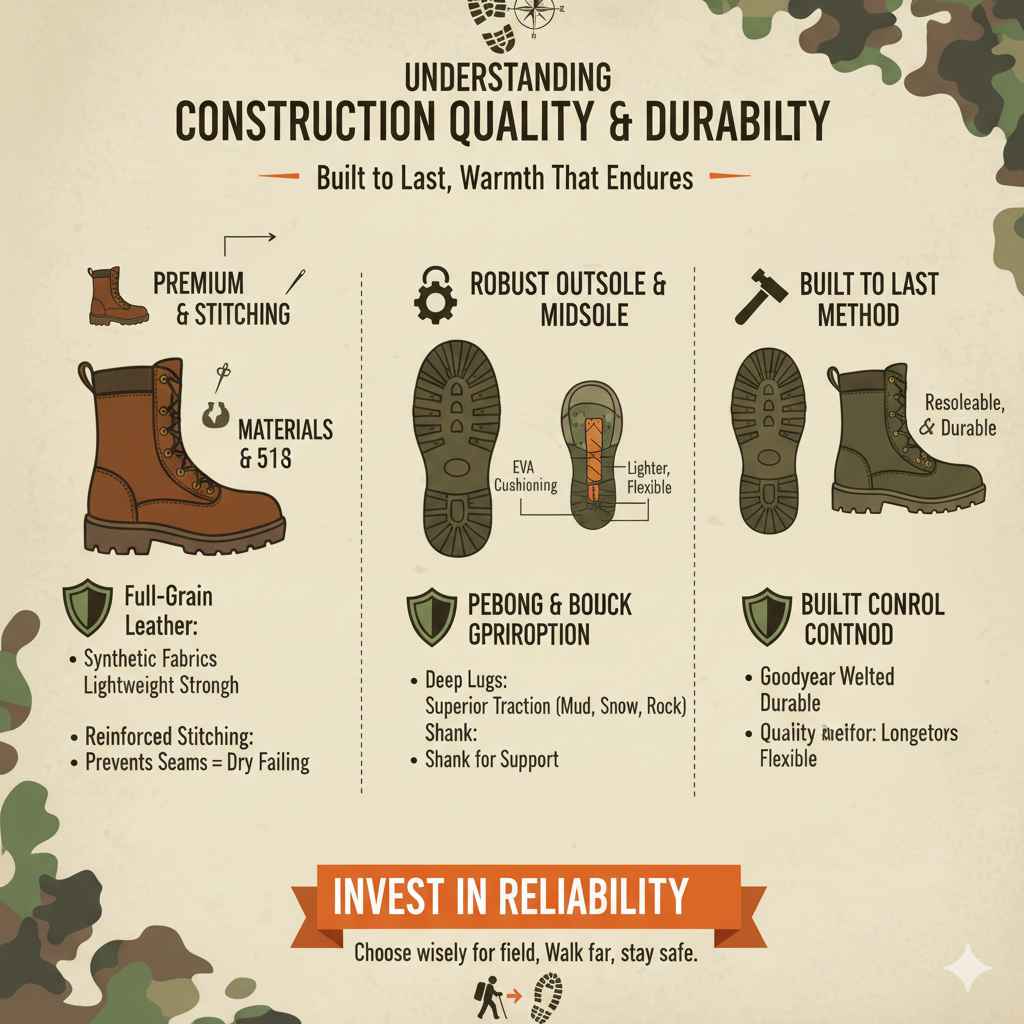
The overall construction of a hunting boot plays a vital role in its warmth and longevity. High-quality materials, strong stitching, and durable outsoles contribute to a boot that will perform well in harsh conditions. A well-built boot will maintain its structure and insulating properties over time.
Look for boots made from premium leather or durable synthetic materials. The sole should offer good traction for various terrains and be sturdy enough to withstand rough use. A robust construction ensures that your investment will last for many hunting seasons, providing consistent warmth and protection.
Frequently Asked Questions
Question: What is the main difference between 1000g and 1600g hunting boots?
Answer: The main difference is the amount of insulation. 1600g boots have more insulation than 1000g boots, making them warmer and suitable for extreme cold conditions. 1000g boots are warm for most cold weather but are less bulky and more flexible.
Question: Can I wear 1600g boots if it’s only moderately cold?
Answer: It’s generally not recommended. 1600g boots can be too warm for moderate cold, causing your feet to sweat excessively. This moisture can then make your feet cold.
1000g boots or even lighter insulated boots are better for moderate temperatures.
Question: Do 1000g boots work for all types of winter hunting?
Answer: 1000g boots are suitable for many winter hunting scenarios, especially if you are active. However, if you hunt in extreme sub-zero temperatures for long periods while remaining stationary, 1600g boots might be necessary for maximum warmth and protection.
Question: How important is waterproofing for warm hunting boots?
Answer: Waterproofing is extremely important. Wet feet lose heat very quickly, making even the warmest boots ineffective. Look for boots with reliable waterproof membranes like Gore-Tex to keep your feet dry from the outside.
Question: What are the trade-offs for having 1600g insulation?
Answer: The main trade-offs for 1600g insulation are increased weight, bulk, and reduced flexibility. These boots can be heavier to walk in and may feel stiffer than boots with less insulation, potentially hindering mobility on rough terrain.
Summary
Choosing between 1000g and 1600g hunting boots depends on your needs. For most cold weather and active hunting, 1000g offers a great balance. For extreme cold and stationary hunting, 1600g provides maximum warmth.
Always consider waterproofing, fit, and sock choice for optimal comfort in the field.