Applewood Longbow Vs Yama Great bow: Essential Showdown
The Applewood Longbow generally offers better balance, faster recovery, and superior traditional aesthetics for new archers, while the Yama Greatbow often provides higher draw weight potential and a more robust, modern feel, making the choice depend on your preferred shooting style and comfort level.
Welcome to the Range: Choosing Your First Major Bow
Picking your first serious piece of archery equipment can feel overwhelming. You hear names like “Applewood Longbow” and “Yama Greatbow” thrown around, and it sounds like you need a degree in wood science to decide! Don’t worry. As your guide, Salman, I promise to break this down simply. Both bows are excellent tools for building skill, but they feel very different in your hands. We will look at what makes each one special so you can choose the bow that feels right, helps you improve safely, and makes practice fun.
This showdown is not about declaring one bow “the best,” but about finding the best fit for you. We’ll cover the materials, how they shoot, and what beginners need to know before making that important investment. Let’s step up to the line and see what these famous bows offer!

Understanding the Contenders: Applewood vs. Yama
Before we compare them side-by-side, let’s get a basic understanding of what defines the Applewood Longbow and the Yama Greatbow. These names often refer to specific construction styles or models popular within certain archery circles, usually revolving around traditional shooting.
The Applewood Longbow: Tradition Meets Versatility
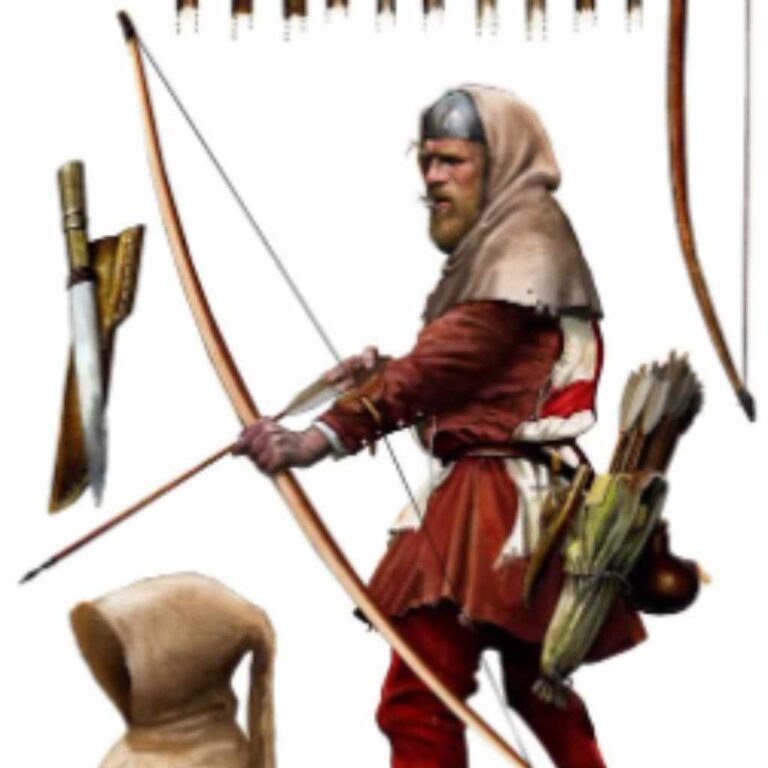
The term “Applewood Longbow” usually brings to mind a classic design. While a true longbow made solely from applewood is rare and highly specialized, in modern contexts, this often refers to a traditional-style longbow that emphasizes natural materials and craftsmanship. These bows are famous for their smooth draw cycle and excellent ‘feel’ when shooting.
Key Characteristics of the Applewood Style:
- Materials Focus: Often favors laminated woods that mimic the characteristics of traditional hardwoods, offering a natural, warm look.
- Draw Feel: Generally known for a very forgiving and relatively smooth draw curve, which is excellent for beginners learning consistent anchoring.
- Weight Range: Usually found in lighter to medium draw weights, perfect for building form without stressing the shoulders.
- Aesthetics: Strong emphasis on traditional craftsmanship, often featuring beautiful wood grains and simple finishes.
The Yama Greatbow: Power and Modern Design
The Yama Greatbow, frequently associated with high-performance traditional or hybrid designs (sometimes incorporating elements that blur the line between a traditional longbow and a modern recurve), is built for performance and often handles higher draw weights comfortably. They are robust and designed for repeatability.
Key Characteristics of the Yama Style:
- Construction: Tends to use modern laminations or composite materials for durability and strength, often resulting in faster arrow speeds (Faster Arrow Velocity).
- Brace Height: May utilize a lower brace height (the distance from the grip to the string when unstrung) to maximize potential speed, though this requires more precision from the archer.
- Weight Range: Easily found in heavier draw weights, appealing to those interested in hunting or advanced target shooting relatively quickly.
- Durability: Built to withstand rigorous use and varying environmental conditions.
Applewood Longbow Vs Yama Greatbow: The Direct Comparison
When comparing these two styles, we need to look at specific factors that directly impact your learning curve and enjoyment at the range. For beginners, consistency and comfort are king!
1. Feel and Forgiveness (The Beginner Factor)
This is perhaps the most crucial difference. A forgiving bow makes small errors less punishing on your arrow grouping.
The Applewood Longbow, due to its typical profile and materials, often has a draw that stacks (gets progressively harder) later in the draw cycle. This means the final few inches are relatively smooth, helping a beginner maintain their anchor point longer without excessive strain. This forgiveness builds confidence quickly.
The Yama Greatbow, prioritizing speed and power, might have a slightly more aggressive draw weight ramp-up, or “stacking,” earlier in the draw cycle, especially in higher poundages. While powerful, this can make holding at full draw momentarily harder for someone still developing back tension.
2. Speed and Efficiency
Speed relates to how fast the bow flings the arrow. This is often measured by the bow’s efficiency.
Generally, modern materials used in the Yama Greatbow construction often translate to slightly higher speeds (feet per second or FPS) for the same draw weight when compared to a purely traditional wood design like the Applewood style. More speed means the arrow gets to the target faster, slightly reducing the impact of minor timing errors.
3. Maintenance and Care
As a new archer, you want a bow that doesn’t demand constant fussing. Both bows require respectful care, but their requirements differ slightly.
Applewood Longbows (especially if they lean heavily toward traditional wood construction) can be more sensitive to temperature and humidity swings. Protecting them from extreme moisture changes is vital to prevent warping or tiller issues. Always store your bow vertically or on a proper rack.
Yama Greatbows, utilizing more modern resins and laminations, are often more resilient to minor environmental shifts, making them slightly lower maintenance for the archer who shoots outdoors frequently in varied weather.
4. Aesthetics and Connection
Archery is as much mental as it is physical. The look and feel of your bow matter!
- Applewood: Offers a deep, historical connection. If you love the look of classic archery and want something beautiful to display, the natural wood tones often win here.
- Yama: Tends toward sleek lines, sometimes utilizing modern finishes or grips that feel more contemporary.
Side-by-Side Comparison Table
To make the choice clearer, here is a quick summary of how the two styles stack up against the needs of a beginner archer:
| Feature | Applewood Longbow Style | Yama Greatbow Style |
|---|---|---|
| Beginner Draw Cycle | Often smoother, more forgiving hold at full draw. | Can stack slightly earlier; requires more consistent draw force. |
| Primary Vibe | Traditional, classic, natural connection. | Performance-oriented, robust, modern traditional hybrid. |
| Durability/Climate | More sensitive to high humidity/dryness (wood dependent). | Generally very robust against environmental changes. |
| Arrow Speed Potential | Good, but speed is often secondary to feel. | Often faster for the same draw weight due to construction. |
| Recommended For | Archers prioritizing form, feel, and traditional aesthetics. | Archers focused on maximizing speed or targeting higher draw weights sooner. |
How to Decide: A Step-by-Step Guide for Beginners
Making this purchase decision shouldn’t be stressful. Follow these steps to ensure you pick the right bow for your current skill level and future goals.
- Determine Your Starting Draw Weight: This is non-negotiable for safety and long-term success. For most adult beginners, a starting weight between 25 lbs and 35 lbs is ideal. Never start too heavy! If you plan to hunt later, you’ll build up to it; don’t try to skip ahead now. Both bows can likely accommodate this range.
- Visit a Pro Shop (If Possible): The best way to compare is to feel them. If you can find a local archery shop that stocks both styles, hold them. How does the grip feel? Does the draw cycle feel comfortable when pulled back to your anchor point? This tactile feedback is priceless.
- Consider Your Long-Term Goals:
- Do you want to learn historical archery techniques? Lean toward the Applewood Longbow feel.
- Are you already strong and focused on hitting the furthest targets or perhaps transitioning to bowhunting soon? The performance focus of the Yama Greatbow might suit you.
- Check Brace Height Sensitivity: Ask the vendor about the brace height. Lower brace heights provide speed but are less forgiving if your release timing is slightly off. Higher brace heights are easier for beginners. Generally, traditional longbows (Applewood style) sit in a good middle ground.
- Factor in Accessories: Sometimes, one style works better with common beginner accessories like physical bow rests or string silencers. While purists avoid rests, beginners often use them initially. Check if the bow design easily accommodates these simple aids.
Focusing on Form: Why the Bow Matters Less Than You Think (At First)
I want to stress something important here: whether you choose the Applewood or the Yama, your arrow will only go where your form takes it. A great bow won’t fix bad habits, but a bad bow can certainly make good habits harder to learn.
For beginners, the bow’s primary job is to provide a consistent platform while you learn the fundamentals of stance, set, draw, anchor, and release. Consistency in these steps is key to accuracy. You can learn all the core skills on either bow.
According to leading archery coaching resources, developing muscle memory through repetitive, comfortable motion is more important than achieving maximum velocity early on. See this resource on basic archery form development from a reputable sports science source, which emphasizes consistency: Biomechanics of Archery Performance.
The Importance of the Grip
The grip—where your hand meets the handle—is your only connection point to the bow. If the grip isn’t comfortable, you will grip too tightly (the “death grip”), which destroys accuracy.
- Applewood Style Grip: Often features a more rounded or slightly thicker belly, promoting a relaxed, near-vertical hand placement, which is naturally comfortable for beginners.
- Yama Style Grip: Depending on the exact model, this might lean towards a more modern, often contoured grip designed for a powerful lock-in, which requires conscious effort to keep relaxed.
If you find yourself tensing your forearm when holding the bow at full draw, the grip might be wrong for you, regardless of the bow’s name!
Essential Beginner Gear Checklist (Regardless of Bow Choice)
Once you decide between the Applewood Longbow feel or the Yama Greatbow power, you still need the supporting gear. Never skimp on safety equipment!
| Item | Purpose | Why It Matters |
|---|---|---|
| Armguard | Protects the inside of your forearm. | Prevents painful string slap, which can cause you to flinch or drop the bow. |
| Finger Protection | Tab or glove for drawing/releasing the string. | Protects sensitive finger skin from abrasion and ensures a clean release. |
| Quiver | Holds arrows safely. | Keeps arrows secure and prevents tripping hazards on the shooting line. |
| Arrows (Matching Spine) | The projectile itself. | Must match the bow’s draw weight for safety and accuracy. Never use damaged arrows. |
| Bow Stringer | Used to safely string and unstring the bow. | Essential for preventing limb twist, which can permanently damage any longbow style. |
Arrow Spine: A Critical Safety Note
When buying arrows, you must match the arrow’s “spine” (its stiffness) to your bow’s draw weight. An arrow that is too weak (too flexible) for a powerful bow can break upon release, causing serious injury. Always confirm the recommended spine chart with the bow manufacturer or a knowledgeable pro shop before purchasing arrows for your new Applewood or Yama.
Addressing Common Beginner Concerns: Draw Weight and Progression
Many beginners ask if they should choose a lighter bow than they think they can pull just to start.
The Answer is Yes, Almost Always.
If you can pull 50 lbs today but struggle to hold it steady for 5 seconds while aiming, that 50 lb bow is too heavy for learning form. You will end up using improper technique just to muscle the arrow to the target.
Both the Applewood and Yama options are available across many weight ranges. Stick to a weight where you can:
- Draw smoothly to a consistent anchor point.
- Hold steady for a count of five seconds without shaking.
- Release cleanly without torqueing the grip.
Once you can shoot 50 arrows comfortably with great form, consider moving up 5 lbs on your next bow. This slow, steady progression is how you build lasting skill and avoid injury.
The Aesthetics of Practice: Does Look Matter?
While I’ve always preached function over form, I understand the emotional connection. Choosing equipment you love looking at increases your desire to pick it up and practice—and practice is what builds skill.
If you love the sleek, fast look of the Yama Greatbow, use that energy! If you feel a connection to the rich, deep wood tones of the Applewood Longbow, let that inspire you.
Remember, both bows are designed to shoot arrows. The difference between them in terms of grouping ability (once you are proficient) will likely be negligible compared to the difference in your own form from one month to the next.

FAQ: Quick Answers for New Archers
Q1: Which bow is easier to string and unstring safely?
A: Both longbow styles should ideally be strung using a dedicated bow stringer. Never try to bend the limbs by stepping on the string or using brute force, as this can break the limbs immediately, regardless of whether you have an Applewood or Yama.
Q2: Do I need a bow rest for the Applewood Longbow?
A: Traditionally, no. Longbows are shot off the knuckle of your hand (the shelf created by your index finger). However, beginners often use a simple leather or Velcro rest temporarily to focus purely on the release until they are comfortable with the knuckle shot.
Q3: Can I use the same arrows for both bows?
A: Only if the draw weights of both bows happen to be identical AND both bows have the same brace height/design that requires the same arrow spine. Always confirm the required arrow spine based on the actual draw weight you purchase for your specific bow.
Q4: Is the Yama Greatbow louder than the Applewood Longbow?
A: Often, yes, potentially. Bows designed for maximum speed (like many Greatbow styles) can sometimes have a slightly sharper “thwack” sound because the string hits its brace height faster. You can significantly quiet either bow by adding string silencers (wool puffs).
Q5: If I choose the Applewood style now, can I still shoot long distances?
A: Absolutely. Distance and accuracy are functions of form, draw weight, and arrow spine, not the name on the bow. You can become highly proficient and hit targets at 50+ yards with a quality Applewood Longbow.
Q6: Which bow is better if I plan on bowhunting?
A: The Yama Greatbow style often has inherent advantages for hunting due to its durability and potential for slightly higher power output within a manageable traditional frame. However, check local regulations—some areas have minimum draw weight requirements that might push you toward a heavier-pull Yama.
Conclusion: Your Next Step on the Range
When standing between the Applewood Longbow vs Yama Greatbow, remember that you are comparing two excellent paths toward mastering traditional archery. The Applewood style offers a beautiful, often gentler introduction focused on classic feel and smooth transitions, rewarding patience with a deep sense of connection to the craft.
The Yama Greatbow appeals to those wanting a robust, high-performance tool ready to deliver speed right out of the gate. The choice truly boils down to which characteristics resonate more strongly with your personal goals and what feels best in your hand during that critical hold at full draw.
My best advice, Salman’s advice, is this: Don’t overthink the name. Focus on the weight, the grip comfort, and the confidence the bow instills in you. Pick the one that makes you excited to go back to the range tomorrow. Safety first, practice consistently, and soon you won’t be worrying about the name on the riser—you’ll just be focused on hitting that gold!