Apache vs Apache Longbow: Proven Essentials
The Apache recurve bow is a simple, reliable starter bow, while the Apache Longbow (a specific type of traditional longbow) offers a purer, more challenging experience. Choosing between them depends on whether you prioritize instant usability (Apache Recurve) or deep traditional connection (Longbow). This guide breaks down the essentials for beginners.
Choosing your first or next bow can feel confusing. You hear terms like “Apache” and “Longbow” and wonder what makes them different. Don’t worry! Many new archers face this. It often comes down to style and simplicity versus tradition and feel. The good news is both options are fantastic ways to enjoy archery. We will clearly explain what these bows are and help you decide which one fits your goals best. Let’s simplify the choice so you can get back to shooting!
Understanding the Apache Recurve Bow: The Beginner’s Best Friend
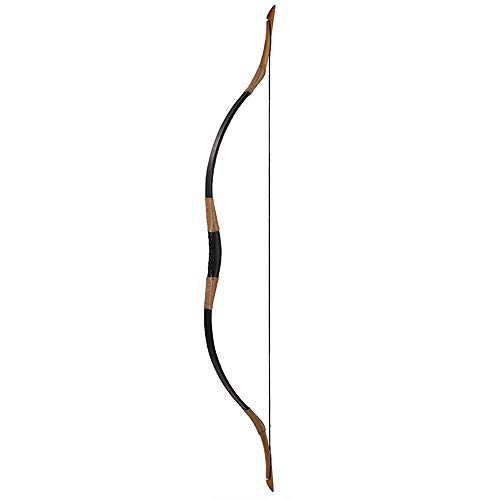
When archers talk about the “Apache” bow in a modern context, they are usually referring to an entry-level, take-down recurve bow, often marketed for new shooters. These bows are designed for ease of use, assembly, and portability. They are not historical reproductions but modern tools built for learning the fundamentals.
What Makes a Recurve Bow “Recurve”?
The key feature is in the name. A recurve bow has limbs (the top and bottom parts that flex) that curve away from the archer when the bow is unstrung. When strung, the tips curve forward toward the target. This design stores more energy than a simple straight limb, giving you more power for the same draw weight.
The Apache Recurve: Simple Setup and Portability
The typical Apache recurve bow is a “takedown” model. This means you can easily remove the limbs from the riser (the handle section). This feature is a huge advantage for beginners.
- Easy Transport: Break it down, and it fits easily into a small case or backpack.
- Limb Swapping: As you get stronger, you can buy heavier limbs and screw them onto your existing handle, saving money.
- Affordability: They are generally very cost-effective entry points into the sport.
Key Components of the Apache Recurve
To shoot your Apache bow safely and effectively, you need to know its parts. Unlike a bare longbow, modern recurves often come pre-drilled for accessories.
- Riser: The central handle, usually made of aluminum or durable plastic.
- Limbs: The flexible parts that store the energy.
- String: Connects the two limbs.
- Sight Window: The cutout area where you can rest your arrow.
- Accessory Mounts: Places to attach stabilizers, arrow rests, or clickers later on.

Diving Deep into the Apache Longbow: The Traditional Path
The term “Apache Longbow” usually refers to a traditional bow inspired by historical designs used by Apache peoples, though modern versions often blend tradition with practical, durable materials. If an archer specifies a “Longbow” versus a “Recurve,” they are usually looking for a simpler, one-piece bow.
What Defines a Traditional Longbow?
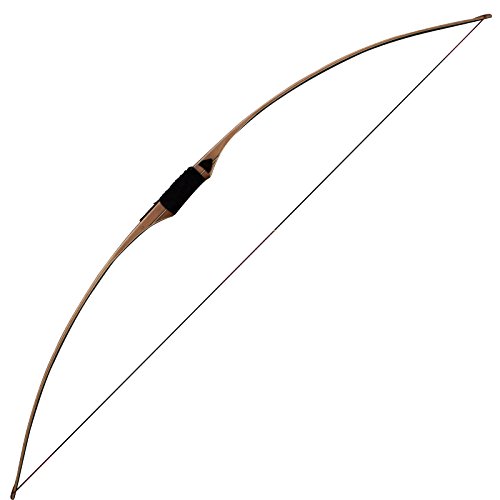
A true longbow is characterized by its length and its relatively straight limb profile when unstrung, often drawing in a “D” shape when drawn. They are typically one piece (or a simple two-piece take-down design) and lack the pronounced curves of a recurve.
The Spirit of Simplicity
Shooting a longbow is often described as a purer experience. There are fewer moving parts and usually no cutouts or accessory mounts. This forces the archer to rely purely on form and instinct, often leading to a deeper connection with the shot process.
Longbows, including those marketed as Apache Longbows, emphasize clean lines. They teach you fundamentals like instinctive shooting much faster because you cannot rely on mechanical aids like sights.
Material Matters in Traditional Bows
While historical bows were made purely of wood (like Osage Orange or Yew), modern, durable longbows often use laminated construction for better performance and longevity. This means layers of wood are glued together with fiberglass or bamboo backing to prevent warping and increase speed.
- All-Wood: Beautiful, but sensitive to temperature and humidity changes.
- Laminated Wood/Fiberglass: Offers superior durability and consistency—highly recommended for serious beginners transitioning to tradition.
- Handle Design: Often features a simple, straight grip designed for a comfortable, deep hold.
Apache vs Apache Longbow: The Core Differences Explained
The main confusion arises because both terms might use “Apache.” However, one is usually a modern, takedown recurve platform (built for adaptability), and the other is a specific style of simple, often traditional, longbow (built for purity of form).
For clarity, let’s compare the standard modern Takedown Recurve (often labeled as a simple “Apache” starter kit) against a modern, laminated Longbow.
Comparison Table: Recurve vs. Longbow Essentials
| Feature | Modern Takedown Recurve (Apache Style) | Traditional Longbow (Apache Longbow Style) |
|---|---|---|
| Limb Shape | Curved tips curving away from the archer. | Mostly straight, bending uniformly into a “D” shape. |
| Take-Down Capability | Standard: Limbs easily detach from the riser. | Often one-piece, or simple two-piece take-down. |
| Accessory Mounting | Usually has threaded holes for sights, rests, stabilizers. | Rarely has mounts; designed to be bare. |
| Arrow Speed/Power | Often faster and more forgiving due to limb shape. | Slower, requiring longer draw length for maximum efficiency. |
| Learning Curve | Slightly easier; sights/rests aid initial aiming. | Steeper; requires more focus on form and instinctive aiming. |
Which Style Teaches Fundamentals Better?
This is a classic debate! Both styles teach essential skills, but they emphasize different things:
The Recurve Advantage (Apache Style)
The recurve helps beginners develop good form because the modern setup allows for adjustments. You can add an arrow rest, which ensures the arrow flies straight, masking minor wobbles in your early shots. Many Olympic and competitive target archers use recurves precisely because of their tuning capabilities.
The Longbow Advantage (Apache Longbow Style)
The longbow demands perfection from the start. Because you often shoot off the shelf (the shelf is just the handle wood, perhaps covered by leather), any hand torque or slight movement is immediately noticeable in the arrow’s flight. This speeds up the process of mastering consistent anchor points and release smoothness.
If your goal is competition or high-precision target shooting soon, start with the adjustable recurve. If your goal is a deep connection to historical archery, the longbow is your path.
Choosing the Right Draw Weight: Safety First!
Regardless of whether you choose the recurve or the longbow, the most critical decision for a beginner is the draw weight. Drawing a bow that is too heavy leads to bad habits, muscle strain, and injury. We want shooting to be fun, not painful!
How to Determine Your Safe Starting Weight
When starting out, you should be able to draw the bow to full anchor smoothly at least 10 times without significant shaking or strain. For most adult beginners, this usually translates to a lighter weight.
Recommended Starting Draw Weights (General Guidelines)
| Archer Profile | Recommended Starting Draw Weight (Pounds) |
|---|---|
| Small Adult Female / Older Teen | 18 – 25 lbs |
| Average Adult Male / Stronger Teen | 25 – 35 lbs |
| Experienced Adult (Coming from compound) | 35 – 45 lbs (Proceed with caution) |
Remember, modern fiberglass-backed longbows and recurves often shoot faster than older wooden bows of the same weight. A 30 lb laminated bow feels powerful!
The Importance of Arrow Spine
This is where many beginners get tripped up, especially when switching between recurve and longbow. The arrow must match the bow’s power. This is called “Spine.”
Spine is an arrow’s stiffness rating. A stiff arrow is needed for a powerful bow (like a heavy longbow), and a slightly weaker arrow can work for a less powerful bow (like a light recurve).
Consulting a chart is essential. For example, a 30 lb recurve might use a relatively flexible arrow spine (like 600 or 700 spine carbon). A 30 lb longbow, because of how it transfers energy differently, might require a slightly stiffer spine (perhaps 500 or 600 spine) to fly safely. Always check the manufacturer’s recommendations for your specific bow.
If you use the wrong spine, the arrow can break upon release, which is extremely dangerous. For precise, safe guidelines, you can refer to resources like those provided by the National Field Archery Association (NFAA).
Setting Up Your Chosen Bow: Step-by-Step Guide
Once you decide between the versatile recurve (Apache style) or the pure longbow (Apache Longbow style), setup is the next hurdle. We will use the slightly more complex Takedown Recurve setup, as the longbow is usually simpler (string it, and you are done!).
Phase 1: Assembling the Apache Takedown Recurve
Safety is paramount. Ensure your limbs are correctly oriented before stringing.
- Identify Limbs: The limb marked “Upper” or “Top” goes on top. The limb marked “Lower” or “Bottom” goes near the grip.
- Attach Limbs to Riser: Slide the base of each limb into the limb pockets on the riser. Ensure the bolt holes align perfectly.
- Secure Limbs: Insert the limb bolts (usually T-handle bolts) and tighten them finger-tight only. Do not fully tighten yet.
Phase 2: Stringing the Bow Safely
This is where many beginners struggle. Never try to force the string on. Always use the proper technique, especially with recurve tips that can break if bent incorrectly.
- The Stringer Tool: For recurves, you MUST use a bow stringer tool. This device hooks onto both limb tips and uses leverage to safely bend the bow enough to slip the string on.
- Placing the String: Hook the stringer onto the top and bottom limb tips.
- The Push/Pull: Stand with the riser facing you. Apply gentle pressure to the stringer, pulling the string loop onto the upper limb tip, then repeat for the lower tip. The string should sit in the grooves near the limb tips.
- Check Brace Height: Once strung, measure the distance from the deepest part of the grip to the string. This is the brace height. A typical recurve brace height is 7 to 9 inches. If it’s too low (string too loose), you lose power and the string might slap your arm.
For the Longbow, if it is a simple two-piece take-down, the process is similar but you might be able to string it using the “step-through” method (placing the string loop over the bottom limb, stepping over the bow, and pushing down on the top limb with your foot). However, stringer tools are always safer.
Phase 3: Arrow Rest Setup (Recurve Only)
If you are using a bare shelf (like on a longbow or a very basic recurve), you must use a “finger sling” or shoot off the shelf carefully. For a standard Apache recurve setup, you will likely use a simple stick-on arrow rest.
- Clean Surface: Ensure the side of the riser where the arrow sits is clean and dry.
- Positioning: The rest should sit directly under the location where your arrow naturally lines up with your eye—this is often slightly above the physical center of the bow handle.
- Attachment: Peel the adhesive backing and press the rest firmly onto the riser, holding steady for 30 seconds.
Pro Tip: For enhanced accuracy on a recurve, consider adding a plunger button later, but for now, a simple stick-on rest is perfectly fine for learning basic form.
Mastering the Shot Sequence: Form Over Gear
The best gear in the world won’t help if your shot process is sloppy. Both the Apache Recurve and the Longbow require rock-solid consistency.
The Seven Steps to a Consistent Shot
Focus on these steps every single time you draw the bow, whether it’s a recurve or a longbow. The differences are subtle, but the core structure remains the same.
- Stance: Feet shoulder-width apart, perpendicular to the target (square stance), or slightly angled away (open stance). Keep your core relaxed but stable.
- Nock and Grip: Nock the arrow correctly. For the recurve, use a light “pressure point” grip on the handle. For the longbow, use a relaxed grip, often applying very little pressure, relying on a finger sling to keep the bow in your hand.
- Pre-Draw: Lift the bow arm smoothly towards the target. Do not aim yet.
- The Draw: Engage your back muscles (rhomboids and traps), not just your bicep. Draw the string back smoothly towards your anchor point.
- Anchor Point: This must be identical every time. For a recurve, this might be under the chin or jawbone. For a longbow, it’s often a firmer point on the cheekbone or behind the ear.
- Aiming: Recurve archers may use the sight pins or gap shooting. Longbow archers rely on “sight alignment” or pure instinct, focusing on a spot on the target.
- The Release (The Goal): Relax your drawing fingers completely, allowing the string to slide cleanly off your fingers. Do not pluck or grab the string. Follow through by letting your drawing hand travel straight back along your neck/shoulder without moving your head.
Addressing Fatigue and Form Breakdown
If you start shaking, your draw weight is too high, or you are too tired. Stop shooting for the day. Pushing through fatigue reinforces bad habits.
If you notice your arrow flying wildly (especially with the Longbow), check your grip. A common mistake is “torquing” the handle—squeezing it too hard or twisting it on release. Longbows expose this flaw immediately.
Maintenance and Care for Your Apache Bow
Protecting your investment ensures years of enjoyable shooting. Recurves and longbows require different levels of care.
Recurve Maintenance (Apache Style)
The takedown nature makes maintenance easy, focusing mainly on the limbs and hardware.
- Check Bolts: Periodically check the limb bolts for tightness (but do not overtighten).
- String Care: Wax your string every few months, depending on use. Dry strings wear out quickly.
- Storage: Store the bow disassembled (limbs off the riser) in a protective bag or case when traveling or storing long-term. Keep it away from extreme heat (like a car trunk).
Longbow Maintenance (Apache Longbow Style)
Traditional bows demand respect for environmental changes.
- Humidity Control: Laminated longbows are more stable than solid wood, but they still dislike extreme moisture swings. Never leave a longbow lying on damp ground.
- De-Stringing: Unless explicitly told by the manufacturer that the bow is designed to be kept strung (some high-end laminated longbows can be left strung for short periods), always de-string your longbow after every session. Leaving it strung puts constant stress on the limbs, causing them to “take a set” (permanently lose some draw weight).
- Handle Protection: Keep the grip area clean and dry.
For further care information specific to traditional archery equipment, resources from organizations focused on traditional shooting practices can offer deeper insights into wood and laminate care.

Frequently Asked Questions (FAQ) for Beginners
Q1: Can I use my recurve arrows on my longbow?
Maybe — but you must check arrow spine first.
Longbows and recurves transfer energy differently. Even at the same draw weight, a longbow may require a slightly stiffer spine. Always confirm with a spine chart based on your draw weight and draw length before switching arrows.
Q2: Is a longbow harder to shoot than a recurve?
Generally, yes — especially at the beginning.
A traditional longbow has:
- No sight mounts
- Often no arrow rest
- Less mechanical forgiveness
This means your form must be more consistent. However, many archers find longbows incredibly rewarding once they adapt.
Q3: Which bow is better for backyard target practice?
A takedown recurve (Apache-style) is usually better for casual backyard shooting because:
- It’s easier to transport and store
- It allows future upgrades
- It’s slightly more forgiving while learning
That said, if you love minimalist shooting and instinctive aiming, a longbow is equally enjoyable.
Q4: Which bow is more durable?
Modern laminated versions of both bows are very durable.
- Recurves handle environmental changes well.
- Laminated longbows are strong but still benefit from careful humidity control.
All-wood longbows require more attention to climate and storage conditions.
Q5: Can I hunt with either bow?
Yes — if the draw weight meets local hunting regulations.
Most regions require 40 lbs or more for big game. Always check local laws before hunting. Beginners should master accuracy and consistency long before considering hunting applications.
Q6: Which bow builds better long-term skill?
Both build skill — just in different ways.
- Recurve: Builds structured, technical form with the option to add sights and stabilizers later.
- Longbow: Builds instinctive shooting ability and forces you to perfect release and grip early.
If you want competition potential, start with a recurve.
If you want traditional mastery, choose the longbow.
Final Conclusion: Proven Essentials
Choosing between the Apache-style takedown recurve and the Apache Longbow-style traditional bow isn’t about which is “better.” It’s about what kind of archer you want to become.
- If you value ease of use, adjustability, portability, and a smoother learning curve, the Apache Recurve is the smarter beginner choice.
- If you crave simplicity, tradition, instinctive shooting, and a deeper connection to the shot process, the Apache Longbow offers a purer experience.
Both bows can deliver accuracy, enjoyment, and years of growth. The real difference lies in your priorities:
Convenience and versatility — or tradition and challenge.
Whichever you choose, start with a safe draw weight, focus on solid form, and shoot consistently. The bow doesn’t make the archer — practice does.