Ark Longbow Vs Recurve Bow: Ultimate Showdown
Are you curious about the differences between the Ark Longbow and the Recurve Bow? Choosing the right bow can feel overwhelming, especially with so many options available.
You’re not alone in wondering which one suits you best. Whether you’re a seasoned archer or just starting, understanding these two popular bow types can significantly impact your shooting experience. Imagine holding a bow that feels just right, enhancing your accuracy and boosting your confidence.
We’ll break down the essentials of the Ark Longbow and Recurve Bow, helping you make an informed decision. Stick around, and discover which bow might become your new favorite companion on the range or in the field.

Credit: www.archeryshop.com.au
History And Evolution
The longbow has a rich history. It dates back to ancient times. People used it for hunting and war. Made from a single piece of wood, it was very strong. The English longbow became famous in the Middle Ages. Archers trained for years to use it well. It was essential in battles. The longbow’s simplicity and power were admired. Many cultures have stories about it. Its design stayed the same for many years.
The recurve bow is different from the longbow. Its shape is unique. The tips curve away from the archer. This gives more power to the shot. Many ancient cultures used it. The Mongols and Egyptians loved it. It was good for shooting from horseback. Lighter and smaller than a longbow, it was easy to carry. Modern recurve bows are used in sports. They are popular in the Olympics.
Design Differences
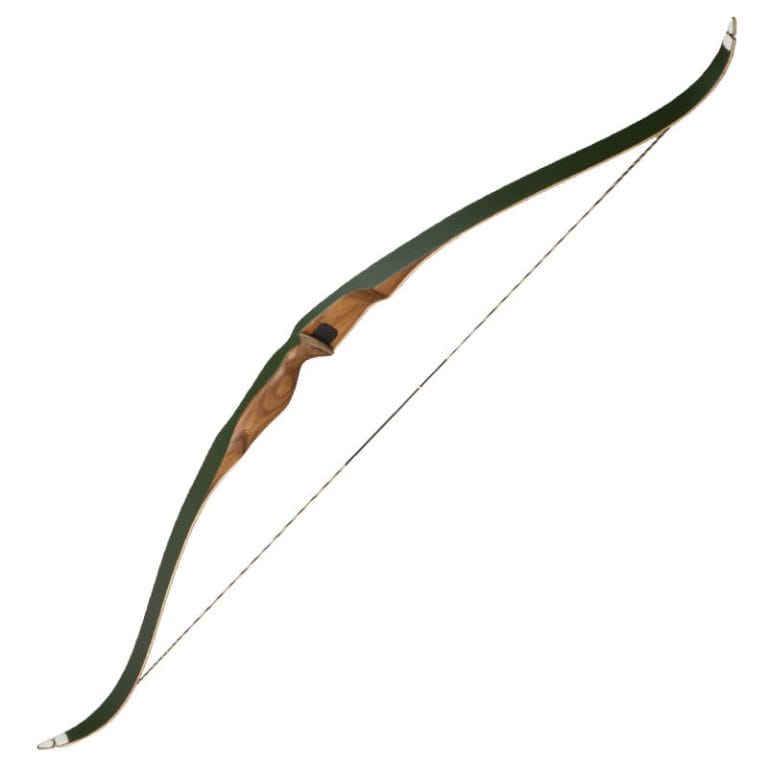
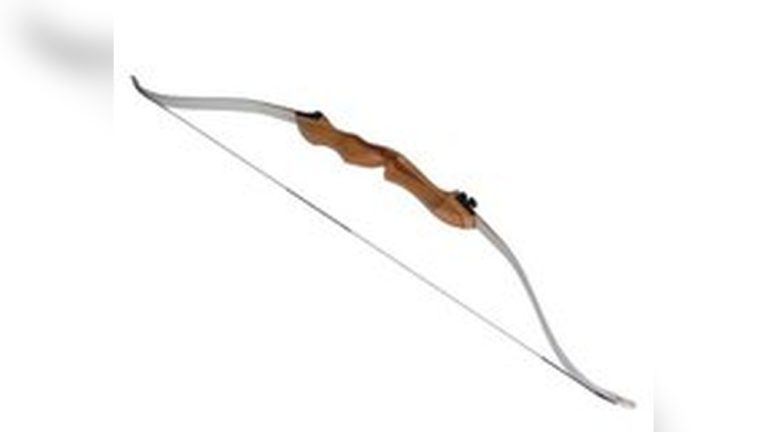
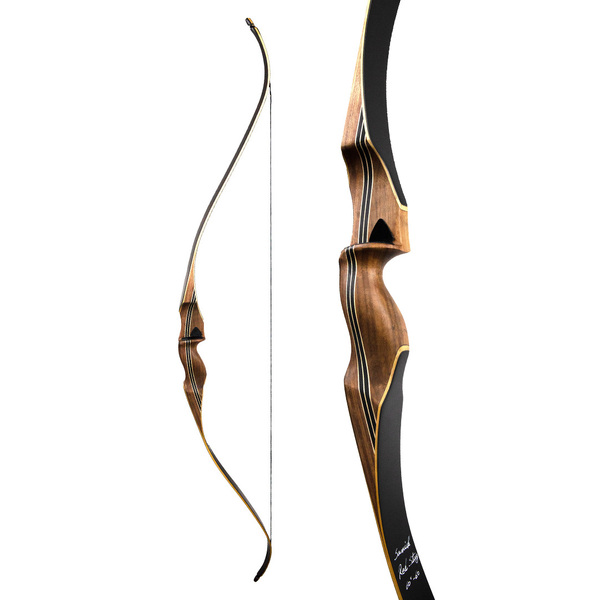
Ark longbows are tall and straight. They have a simple design. Their shape helps in long-distance shooting. Recurve bows have curved tips. These curves store more energy. They shoot faster. Recurve bows are shorter than longbows. They are easier to handle. Ideal for tight spaces.
Ark longbows are usually made from wood. Strong and flexible. Traditional materials include yew or elm. Recurve bows use modern materials. Fiberglass and carbon fiber are popular choices. These materials make them durable. Lightweight too. Perfect for beginners and experts.
Performance Comparison
Both bows aim well. The Ark Longbow gives a steady aim. It helps in hitting the target. The Recurve Bow is also good at aiming. It offers a smooth shot. Each bow has its own charm. Choosing between them can be hard. It depends on what you like. Some like the longbow’s feel. Others prefer the recurve’s style.
The Ark Longbow has strong power. It shoots arrows far. Many users like its reach. The Recurve Bow is powerful too. It sends arrows at a good speed. Both bows have their uses. The longbow is great for long shots. The recurve is good for quick shots. Each has a place in the world of bows.
Ease Of Use
The Ark Longbowis longer. It needs more space. It can be hard to use in tight spots. The Recurve Bowis shorter. Easier to handle in small areas. It offers better controland maneuverability.
Beginners find the Recurve Boweasier. It requires less strength. They learn faster with it. The Ark Longbowneeds more skill. It can be tough for new users. Practice is key to mastering both.
Cultural Significance
Exploring the ark longbow and recurve bow reveals their cultural significance in history and tradition. The ark longbow is linked to medieval warfare, while the recurve bow is often associated with ancient cultures and modern archery sports. Both have influenced artistic expressions and hunting practices across civilizations.
Historical Impact
The Ark Longbow played a big role in battles. People used it in ancient wars. It was known for its long range. Soldiers trusted it in fights. The Recurve Bow has a different story. It was famous among nomads. They carried it on horses. Both bows tell tales of history. They shaped how people fought. They are part of our past.
Modern-day Usage
Today, the Ark Longbow is for sport. People use it in archery contests. It is also popular in reenactments. The Recurve Bow is still loved. It is used in Olympic games. Many archers prefer it for its style. Both bows are fun to use. They bring joy to many people. They connect us to our past. And they keep archery alive.
Credit: www.apexhunting.com.au
Maintenance And Durability
Ark Longbows need regular cleaning. Dust can affect their performance. Wax the string often. This keeps it strong. Check for cracks on the bow. Repair them quickly.
Recurve Bows need less cleaning. Their design helps keep dust away. Wax is still important. Check strings for fraying. Replace them if needed. Tighten screws regularly. This keeps the bow sturdy.
Ark Longbows can last a long time. Proper care is key. They are made from strong wood. This helps them last.
Recurve Bows are durable. They can last many years. Modern materials make them strong. Proper care makes them last longer. Replace worn parts quickly. This helps maintain their longevity.
Cost Considerations
Choosing between an Ark Longbow and a Recurve Bow involves cost considerations. Longbows are generally more affordable due to simpler design. Recurve bows, with advanced features, might be pricier but offer enhanced performance. Budget and personal preferences play a crucial role in deciding the best option.
Initial Investment
The Ark Longbowoften costs more. Made with high-quality materials, it’s built to last. The Recurve Bowis usually cheaper. This makes it a good choice for beginners. The price can vary based on the brand and features.
Long-term Expenses
The Ark Longbow may need fewer repairs. It is sturdy and durable. But, it might need special care. The Recurve Bow might need more maintenance. This can add to the cost over time. Both bows need regular string replacement. This is a necessary expense for all bow owners.
Suitability For Different Archers
The recurve bow is often seen in sports. It is used in the Olympics. It is good for target shooting. It gives better accuracy. Many archers like its design. It is easy to handle. The longbow is also used in competitions. It has a simple design. It needs more skill. It is less common in sports events. Both bows have their fans. Archers choose based on preference.
The longbow is a popular choice for hunting. It is quiet and powerful. Hunters like its range. It can shoot from a distance. The recurve bow is also used for hunting. It is compact and easy to carry. It is good for close-range hunting. Both bows offer different advantages. Choosing depends on what the hunter needs.

Credit: classic-bow.com
Frequently Asked Questions
What Is The Difference Between Longbow And Recurve Bow?
A longbow is a traditional bow with a simple design. It features a long, straight shaft. A recurve bow has curved tips that increase power and speed. Each bow offers unique advantages for different types of archery.
Which Bow Is Better For Beginners?
Recurve bows are often recommended for beginners. They offer greater ease of use and versatility. They are easier to handle and aim. Longbows may require more skill to master. Choose based on your comfort and interest.
Are Longbows More Powerful Than Recurve Bows?
Longbows can be powerful, but recurve bows often provide greater speed and efficiency. Recurve bows utilize curved limbs to enhance energy transfer. This design boosts their shooting power. Longbow power depends largely on its length and draw weight.
Can You Hunt With Both Bow Types?
Yes, both longbows and recurve bows are suitable for hunting. They offer different advantages based on the situation. Recurve bows offer quick shots, while longbows provide a traditional experience. Choose based on your hunting style and preferences.
Conclusion
Choosing between an Ark Longbow and a Recurve Bow depends on personal needs. Longbows offer simplicity and tradition. Recurve bows provide power and versatility. Both have unique strengths. Consider your goals and skill level. Longbows suit those who love history and simplicity.
Recurve bows fit modern archers seeking flexibility. Think about your budget and usage. Visit local archery shops. Try both types. Feel their grip and balance. Ask for expert advice if needed. This helps make an informed decision. Enjoy your archery journey, whatever bow you choose.