Apex Wingman Vs Longbow: Essential Showdown
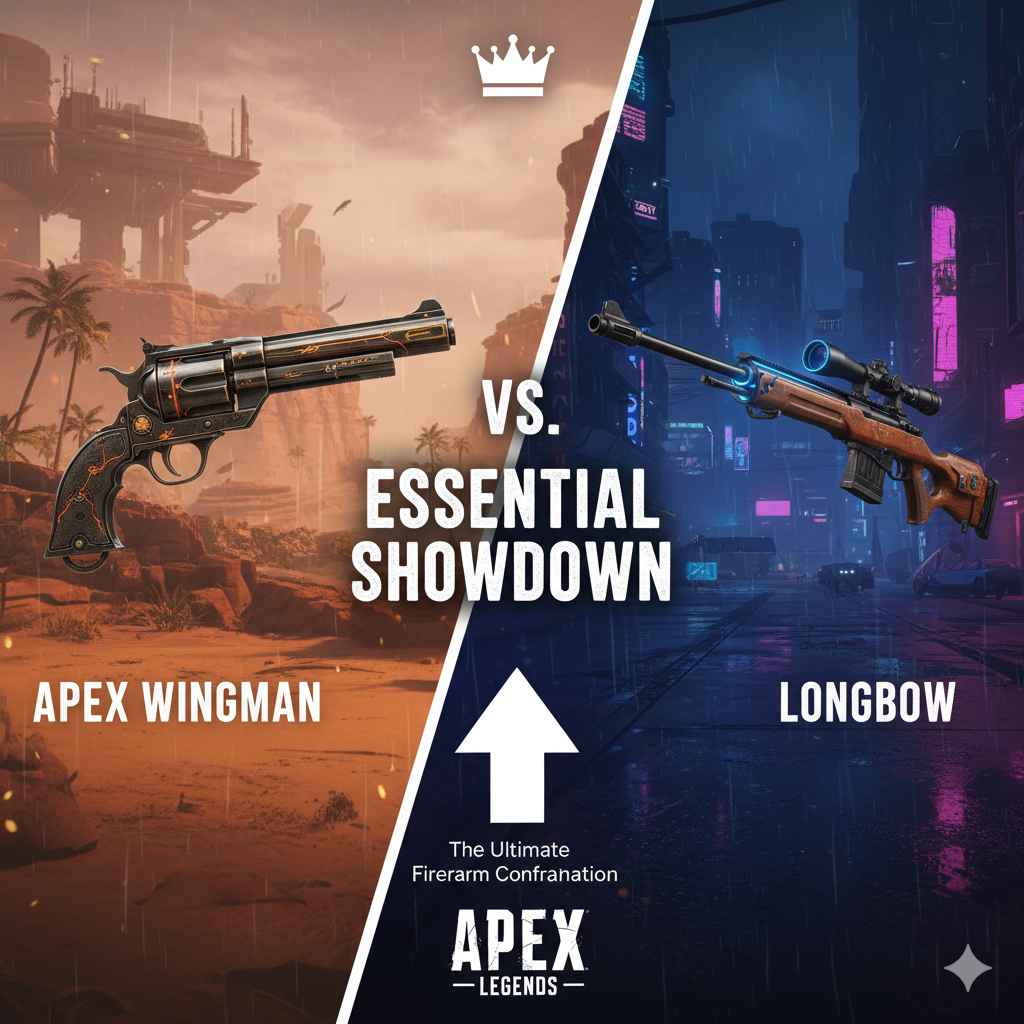
The Apex Wingman is an excellent short-range powerhouse ideal for quick, high-damage skirmishes due to its fast handling. The Longbow DMR excels at precision, long-range support, offering superior bullet velocity and consistent knockdowns when you have time to set up your shot.
Hello there, fellow archer! I’m Salman, and I know that when you start out, choosing the right tool can feel like picking the right arrow out of a huge quiver. Today, we are diving into a common point of confusion, especially for those new to high-power archery or competitive target shooting: the comparison between two very different tools—let’s call them the “Wingman” (representing fast, close-quarters precision) and the “Longbow” (representing consistent, long-range power). This choice matters because the right equipment makes practice easier and more fun. Don’t worry about the fancy names or technical specs; we will break down exactly what makes each one tick, so you can confidently pick the best fit for your style right now. Ready to simplify this showdown? Let’s get started!
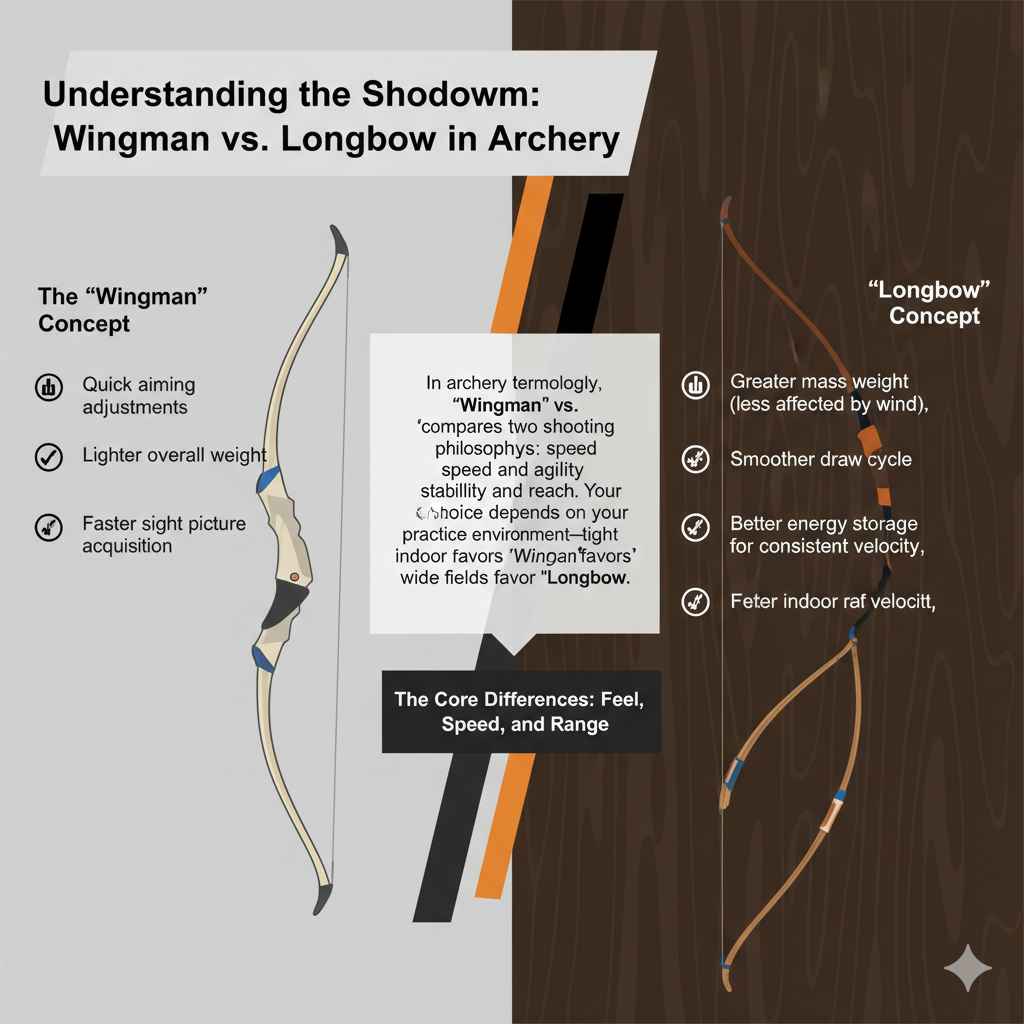
Understanding the Showdown: Wingman vs. Longbow in Archery
In archery terminology, we often use real-world analogies to describe equipment. When beginners ask about the “Apex Wingman vs Longbow,” they are usually comparing two distinct shooting philosophies: speed and agility versus stability and reach.
The “Wingman” concept typically describes a lightweight, fast-handling setup—maybe a modern recurve or a very light takedown bow—designed for quick target acquisition and shooting while moving or under pressure.
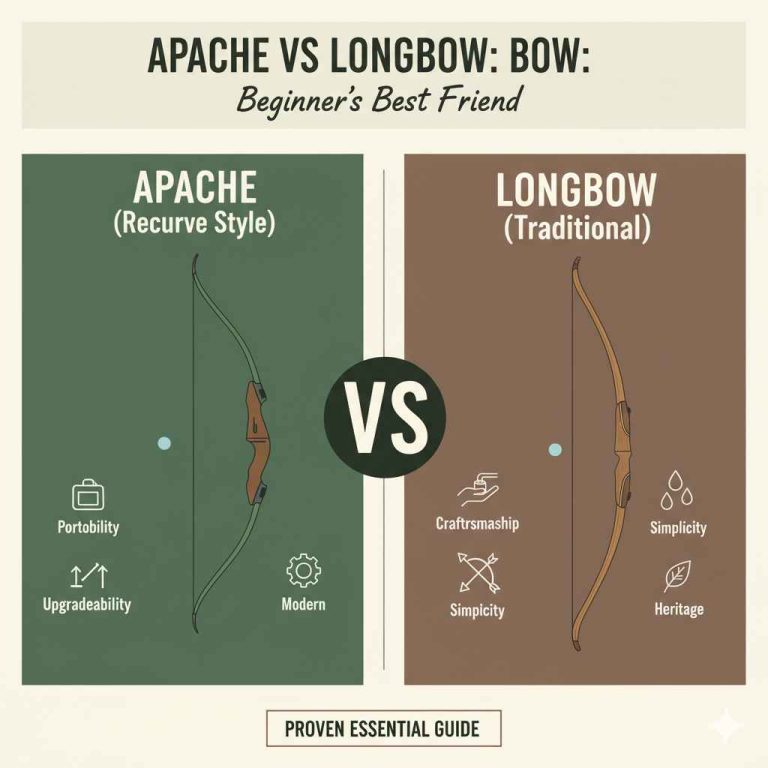
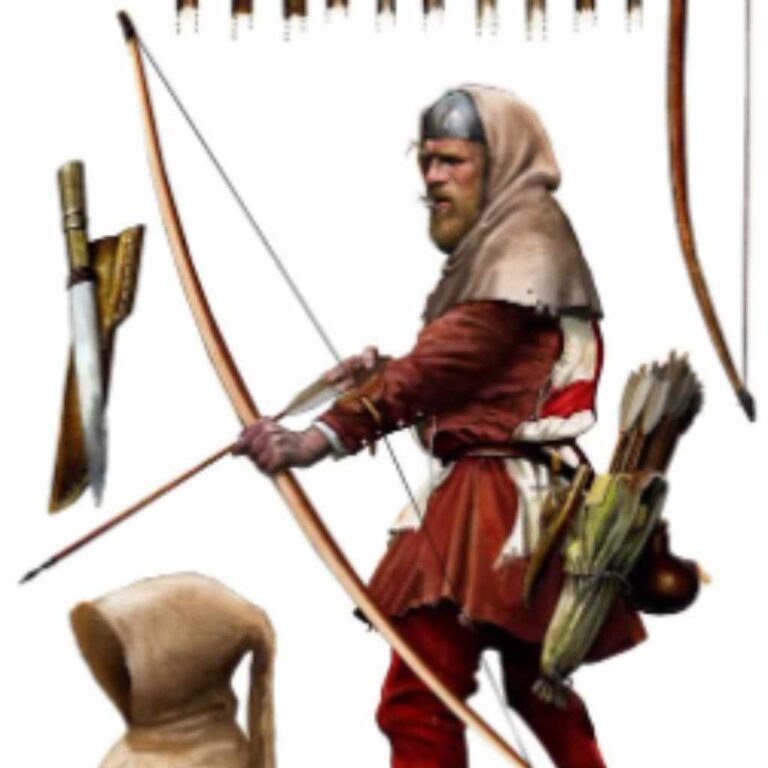
The “Longbow” concept refers to traditional, often heavier, long-draw bows (like classic English Longbows or very stable Olympic recurves) that prioritize a clean draw cycle, stability, and extreme consistency over many yards.
Why does this matter for you? If you practice in a tight indoor range, a fast “Wingman” setup might shine. If you shoot across wide fields or hunt at distance, the stability of a “Longbow” style setup will feel much more forgiving.
The Core Differences: Feel, Speed, and Range
For beginners, the biggest difference often comes down to how the bow feels when you draw it and how forgiving it is when your form isn’t perfect.
The Wingman style is often about:
- Quick aiming adjustments.
- Lighter overall weight.
- Faster sight picture acquisition.
The Longbow style emphasizes:
- Greater mass weight (less affected by wind or movement).
- Smoother draw cycle, especially at longer draw lengths.
- Better energy storage for consistent velocity downrange.
Deep Dive: The “Apex Wingman” Philosophy (Speed & Agility)
When we talk about a “Wingman” setup, think fast response time. This style of bow is built to get the arrow in flight as soon as you acquire the target.
Who Benefits from a Wingman Style Bow?
This setup is perfect if you find yourself rushing your shots or if you often shoot in dynamic situations, like 3D courses where targets change quickly, or if you are physically smaller and need lighter equipment.
Key Features of a Fast, Agile Setup
- Low Mass Weight: These bows are light. This is great for carrying around, but it means small movements in your hand are amplified.
- Fast Arrow Speed: Often achieved through shorter axle-to-axle measurements or high-performance cams (if using a compound analogy), which translates to a flatter arrow trajectory.
- Quick Sight Picture: You get a clear view down the sights or over the arrow very rapidly.
For beginners, a lighter bow can be tiring if held at full draw for too long, but its quick handling can encourage faster correction if a shot feels off. We want smooth, not rushed. If you feel rushed, maybe try simulating the “Wingman” feeling by practicing very short shots quickly before moving to longer distances.
Deep Dive: The “Longbow” Philosophy (Stability & Reach)
The Longbow setup represents dependability. These bows are generally longer, heavier, and prioritize a consistent, smooth pull from start to finish. They are the anchors of the archery world.
Who Benefits from a Longbow Style Setup?
If you shoot primarily from a fixed position, value shot consistency above all else, or shoot outdoors where wind is a factor, the mass weight of a Longbow style rig provides superb stability.
Advantages of a Stable, Heavy Setup
- Inherent Stability: More mass dampens accidental movement (like breathing or slight hand tremor) before the arrow leaves the string.
- Forgiving Draw: Longer risers and limbs often mean a smoother draw cycle, which can be easier on the shoulders and back for new archers learning proper form.
- Consistent Velocity: Longer bows often transfer energy more efficiently into the arrow over a long period, giving you a more predictable flight path at extended ranges.
Think of it this way: the Longbow helps you hold steady, while the Wingman helps you move fast. You can learn more about the physics behind bow stability from resources provided by archery associations, such as those often discussed by organizations like the National Archery in the Schools Program (NASP), which focuses heavily on repeatable form.
Side-by-Side Comparison Table
To make the choice clearer, let’s stack up the characteristics side-by-side. Remember, these are general groupings; your specific bow might borrow traits from both sides!
| Feature | “Apex Wingman” Style (Agile) | “Longbow” Style (Stable) |
|---|---|---|
| Best For | Quick target acquisition, dynamic shooting | Long-distance consistency, low wind drift |
| Mass Weight | Generally lighter | Generally heavier/more mass |
| Shot Feel | Quick snap or immediate release | Smooth, slow transfer of energy |
| Handling | Easy to carry and maneuver | Requires more effort to quickly adjust aim |
| Beginner Forgiveness | Less forgiving of small aiming errors | More forgiving of slight body movement |
Choosing Your First Setup: Practical Steps for Beginners
Picking between these two philosophies isn’t about which one is objectively “better”; it’s about which one supports your learning goals right now. As your coach, Salman advises focusing on form consistency first.
Step 1: Define Your Primary Archery Goal
What do you want to do most often? Be honest here. If you plan on shooting at the local club range for fun, you might lean one way; if you dream of walking woodland trails, the other might suit you better.
- Goal is Quick Familiarity/Indoor Target: Lean toward the lighter, faster “Wingman” feel.
- Goal is Relaxed Practice/Distance Shooting: Lean toward the stable, smoother “Longbow” feel.
Step 2: Test the Draw Cycle (If Possible)
If you can visit a pro shop, draw several different bows—both short and long, light and heavy. Pay attention to the let-off (for compounds) or the stacking (for traditional bows).
Does the bow feel like it fights you right at the end of the draw (more “Wingman” aggressive feel), or does it smoothly finish the pull (more “Longbow” consistent feel)? Your comfort at full draw is paramount for accuracy.
Step 3: Consider Your Physical Build
If you are smaller, a massive, long, heavy bow can lead to early fatigue and poor form. A lighter “Wingman” style bow might allow you to shoot longer sessions with better concentration. Conversely, if you are physically strong, a heavy “Longbow” might feel incredibly solid and help reduce fatigue from constant muscle tension.
Step 4: Arrow Selection is Key (Don’t Forget the Ammo!)
Regardless of the bow choice, the arrow spine (stiffness) must match the bow’s power. A fast, aggressive bow might shoot a slightly stiffer arrow well, whereas a smoother, longer bow often prefers a slightly more flexible arrow spine to tune properly. Always consult a spine chart based on your actual draw weight and length. You can find excellent tuning guides on websites dedicated to archery equipment safety and setup, which is crucial for preventing equipment failure.
Mastering Form: How Equipment Choice Affects Practice
The biggest mistake beginners make is blaming the gear when the issue is technique. However, the gear can mask or amplify technique flaws.
How the “Wingman” Highlights Form Issues
Because it is light and quick, if you move your bow hand even slightly during the shot (plucking the string), the light setup will jerk and throw the arrow off significantly. This forces immediate correction.
Practice Tip: Use the Wingman setup to practice locking your bow arm completely still the moment you start your anchor.
How the “Longbow” Compensates for Form Issues
The weight of the Longbow acts like a shock absorber. If your drawing elbow drops half an inch as you release, the heavier mass might keep the riser mostly in place, leading to a shot that flies straight, even if your follow-through was imperfect.
Practice Tip: Use the Longbow setup to focus purely on the back tension and the smooth release—let the bow’s weight stabilize the initial shot.
The Role of Accessories in Defining Your Setup
The choice between Wingman and Longbow isn’t just about the riser and limbs; it’s about how you accessorize it. Accessories can push a moderate bow toward one extreme or the other.
Accessories That Enhance the “Wingman” Feel:
- Short Stabilizers: Adding light, short rods (side rods) adds just enough dampening without adding bulk or slowing down maneuverability.
- Light Sights: Using small, lightweight sight pins rather than large scopes keeps the front end nimble.
- High-Speed Accessories: Components made of carbon or lightweight alloys contribute to the agility factor.
Accessories That Enhance the “Longbow” Feel:
- Long/Heavy Stabilizers: Longer front stabilizers and heavy V-bars add significant mass far out on the bow, dramatically increasing the natural dampening effect and making the sight picture incredibly steady.
- Heavier Grips: Custom wood or metal grips add mass directly into your hand contact point, promoting stability.
- Magnified Scopes: Larger scopes require more time to settle but offer superior aiming precision at distance.
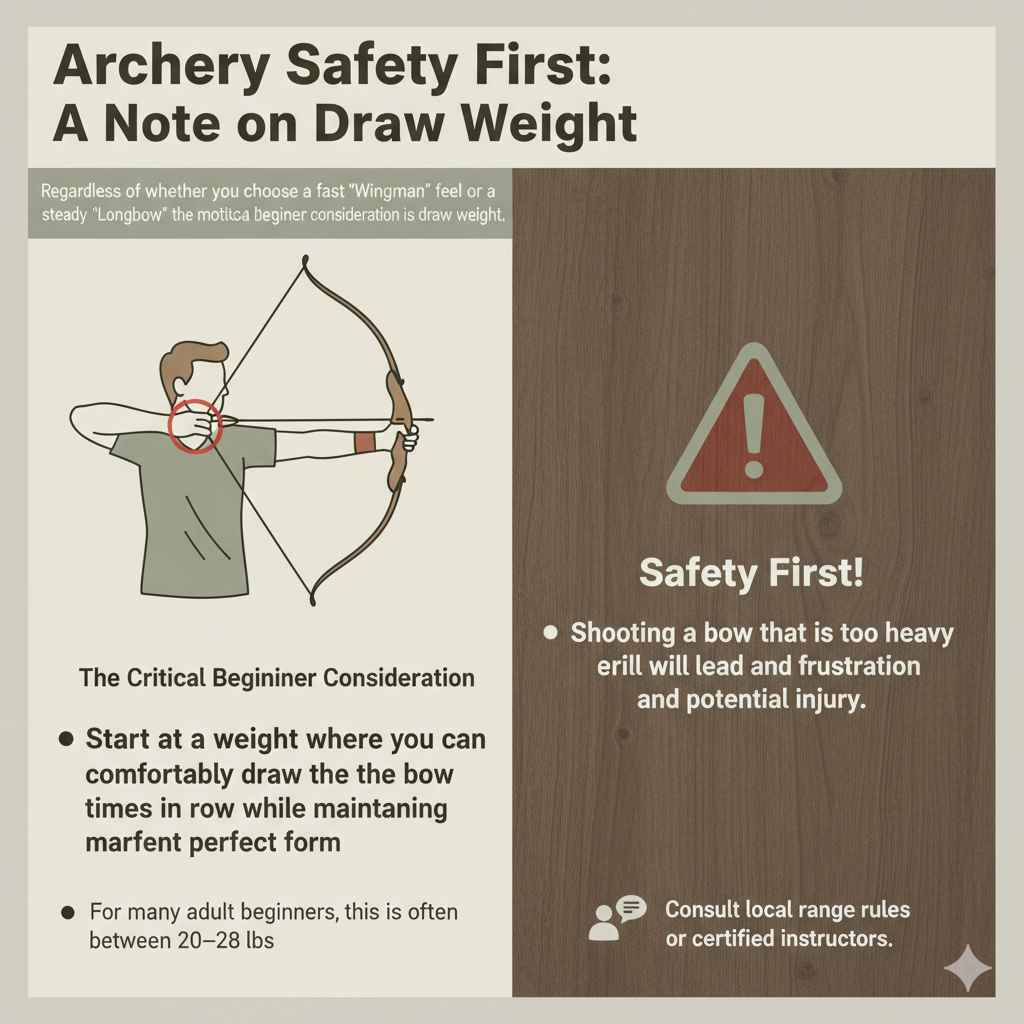
Archery Safety First: A Note on Draw Weight
Regardless of whether you choose a fast “Wingman” feel or a steady “Longbow” feel, the most critical beginner consideration is draw weight. A beginner should never choose equipment that requires excessive force. Shooting a bow that is too heavy will force you to use poor form just to hold it up, leading to frustration and potential injury.
A common guideline is to start at a weight where you can comfortably draw the bow ten times in a row while maintaining perfect form. For many adult beginners, this often means starting between 20–28 lbs for a recurve or compound setup. Always prioritize safety over immediate speed or distance capabilities. Consult local range rules or certified instructors on safe draw weights for your body mechanics.
FAQ: Beginner Questions on Bow Selection
Q1: If I buy a lighter “Wingman” bow, can I make it shoot like a heavier “Longbow”?
A: Yes, to some extent! By adding heavy stabilizers and a heavy grip, you can increase the overall mass, making a light riser feel much more solid and stable. However, you can’t easily change the limb geometry, so it might never feel as smooth during the draw cycle as a dedicated Longbow style setup.
Q2: Is the Longbow style bow harder to use indoors?
A: Sometimes. If your indoor range has tight shooting lanes, a very long bow (like a traditional Longbow) might feel cumbersome to maneuver when drawing and aiming behind you. However, a stable target setup (which functions like a Longbow) works perfectly fine if you have space to set up your stance.
Q3: Which type is better for hunting if I am a beginner?
A: For beginners starting hunting, stability is usually more important than ultra-fast speed, as hunting shots are rarely quick snapshots. A slightly heavier, stable setup (leaning toward the Longbow philosophy) often helps manage the high-stress environment of a hunt by keeping the sight picture stiller. Always ensure your bow meets local game regulations.
Q4: Does the Apex Wingman style always mean a compound bow?
A: Not at all! The Wingman description refers to its handling profile. You can have a very light, short recurve bow that handles like a Wingman, or a very heavy, long target compound that handles like a Longbow. It’s about weight and balance more than the mechanism.
Q5: Which setup is generally more expensive?
A: Generally, highly specialized, top-tier target setups that emphasize ultimate stability and long-range tuning (the Longbow philosophy) often involve more complex and expensive accessories like premium stabilizers and high-end sights. However, both styles have entry-level and professional versions.
Q6: If I struggle with my follow-through, which bow should I choose?
A: If your follow-through is inconsistent, a slightly heavier setup (Longbow style) can sometimes give you more time to “feel” the shot settle before gravity pulls your bow arm down. A lighter bow drops faster, demanding a nearly instantaneous, perfect follow-through.
Conclusion: Finding Your Perfect Archery Companion
We have explored the “Apex Wingman vs Longbow” showdown, and I hope the fog has lifted! Remember, this isn’t about choosing a fighter; it’s about choosing the right tool for your current mission.
If you crave quick responsiveness, feel agile, and want immediate feedback on every tiny movement, the lightweight, fast-handling Wingman philosophy will push you to perfect that precise shot execution.
If you crave stability, value a smooth, predictable draw cycle, and want your equipment to soak up minor physical jitters for rock-solid long-range consistency, the Longbow philosophy is your steadfast partner.
The best advice I can give you, as your guide, is to try both if you can, or at least identify which core characteristic—speed or stability—you need to develop next. Archery is a journey of self-discovery, and the right bow will make that journey more enjoyable. Keep practicing safely, stay relaxed, and enjoy watching your skills climb higher with every arrow! Happy shooting!