Arabian Bow vs Longbow: Proven Best
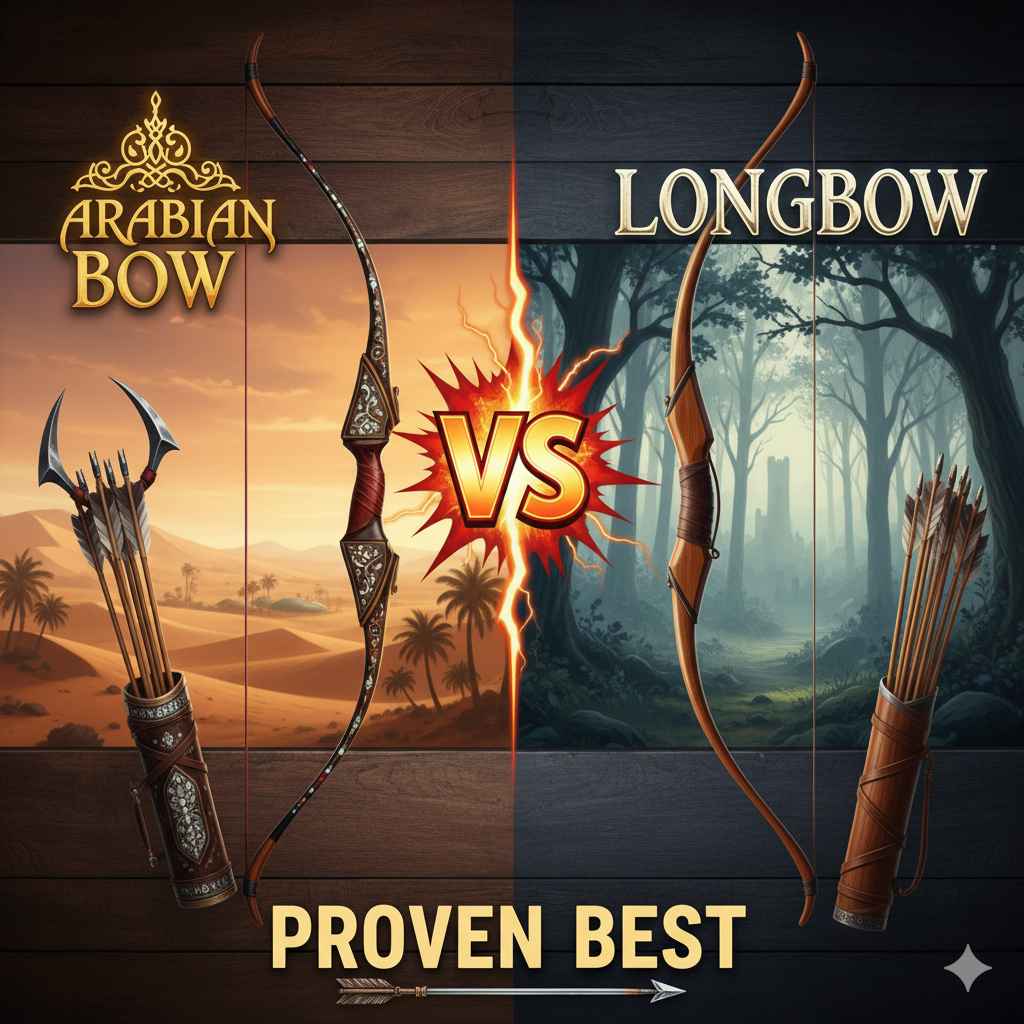
For beginners choosing their first traditional bow, the Arabian Bow (Composite) offers excellent power in a short size, ideal for mounted or close-quarters shooting. The English Longbow provides great power and simplicity with easier maintenance, though it requires more draw length and space. Neither is universally “best”; the right choice depends on your shooting style, space, and comfort.
Welcome, fellow archer! Choosing your first traditional bow can feel like navigating a crowded marketplace. You hear about the mighty English Longbow—a giant of history. Then you hear whispers of the compact, powerful Arabian Bow, often known as the composite bow. Which one is right for you?
This comparison, “arabian bow vs Longbow,” often leaves beginners confused. Don’t worry! We are going to break down these two fantastic historical weapons using simple words. We will focus on what matters most for new shooters: ease of use, portability, and results.
By the end of this guide, you will know exactly which bow fits your goals, whether you dream of field archery or historical reenactment. Let’s simplify this choice and get you confidently holding the right bow in your hands!
Understanding the Contenders: Arabian Bow vs. Longbow
To compare the Arabian Bow and the Longbow, we first need to know what makes them unique. They come from completely different design philosophies, which drastically affects how they feel and shoot.
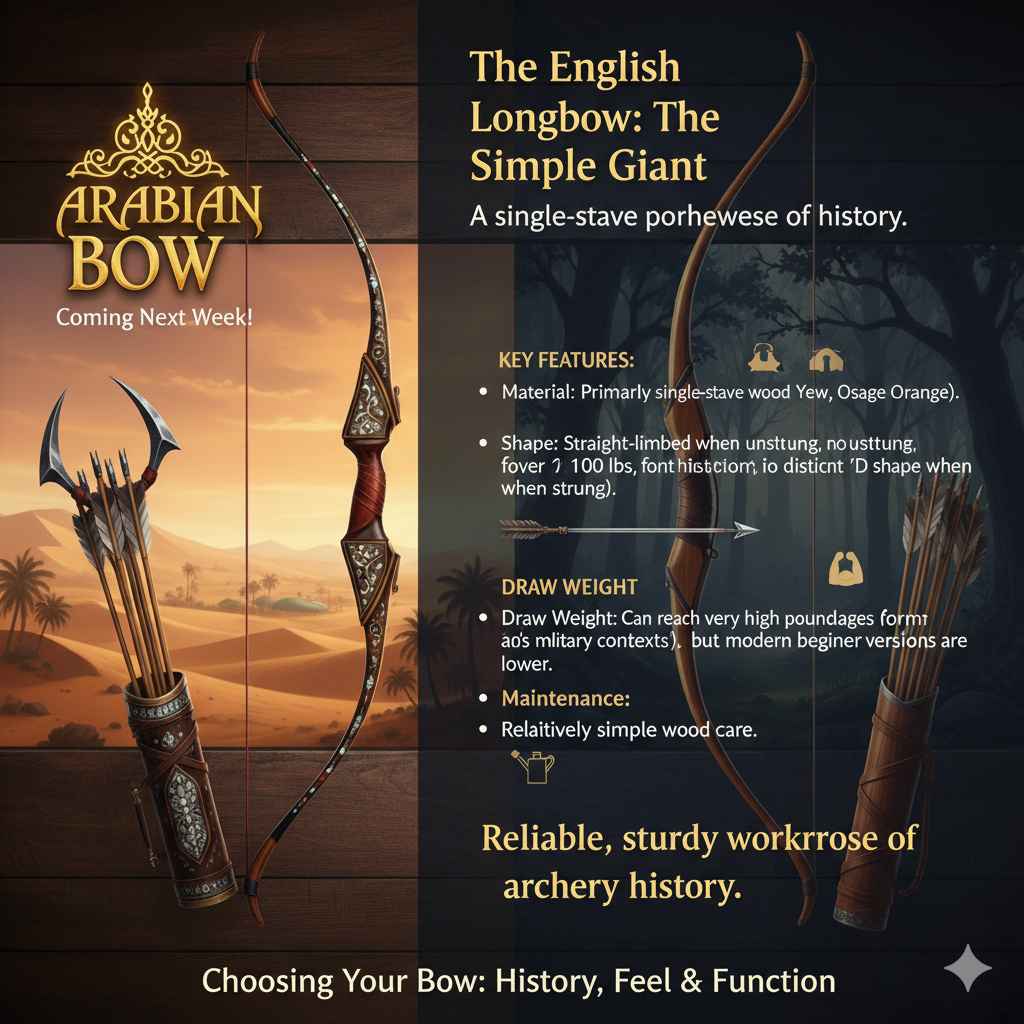
The English Longbow: The Simple Giant
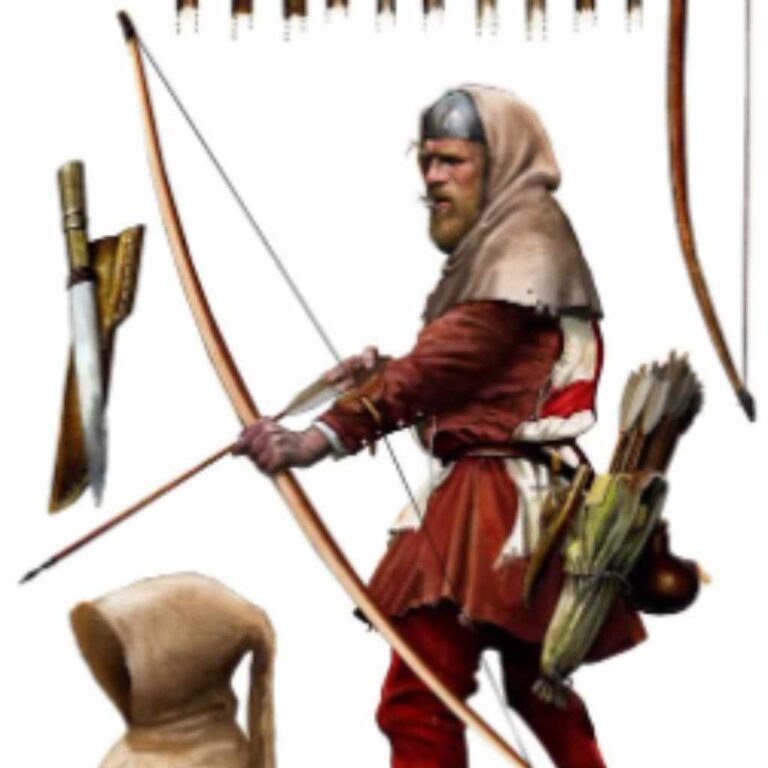
The English Longbow is famous for its imposing size and straightforward construction. Think of it as the reliable, sturdy workhorse of archery history.
It is made almost entirely from a single piece of wood, traditionally Yew. Because it is one piece, it is often very tall, sometimes matching the height of the archer.
Key Features:
- Material: Primarily single-stave wood (Yew, Osage Orange).
- Shape: Straight-limbed when unstrung, forming a distinct ‘D’ shape when strung.
- Draw Weight: Can reach very high poundages (over 100 lbs in historical military contexts), but modern beginner versions are much lower.
- Maintenance: Relatively simple maintenance, focused mostly on wood care and string condition.
The Arabian Bow (Composite Bow): The Compact Powerhouse
The Arabian Bow, often referring to Scythian, Mongolian, or Middle Eastern composite bows, is a masterpiece of historical engineering. It is short, brutally effective, and complex.
These bows are built in layers, glued together, combining different materials for incredible efficiency. They use horn on the belly (the side facing you), sinew on the back (the side facing the target), and wood as the core.
Key Features:
- Material: Composite (wood core, animal horn, animal sinew).
- Shape: Very short, with prominent, rigid “grips” or horn tips (siyahs) that don’t bend much when shot.
- Power: Stores massive amounts of energy in a short limb structure, giving high arrow speed for its size.
- Portability: Extremely compact, making it perfect for riding horses or maneuvering in tight spaces.
Direct Comparison: Arabian Bow vs Longbow
Now let’s put them side-by-side. For a beginner, these differences in construction translate directly into different shooting experiences. Think about where you plan to shoot: a long, open field, or a closer, more varied terrain?
Table 1: Key Differences for the Beginner Archer
| Feature | English Longbow | Arabian (Composite) Bow |
|---|---|---|
| Typical Length | Tall (5.5 to 6.5 feet) | Short (3 to 4 feet) |
| Construction | Simple, single piece of wood | Complex, glued layers (Composite) |
| Draw Length Needed | Longer draw length required for power | Shorter draw length possible |
| Portability | Less portable; awkward to carry | Highly portable; easy to stow |
| Sensitivity to Weather | Very sensitive (wood warps easily) | More stable (due to composite nature) |
| Learning Curve | Simpler mechanics, but requires good form to manage length | More complex draw cycle; can be harder to tune initially |
The Beginner’s Perspective: Which Is Easier to Start With?
When you are first learning archery, we want the equipment to help you, not fight you. Complexity often equals frustration at the beginning. This is where the Longbow often gets the nod for absolute beginners.
Why the Longbow is Often Recommended First
The Longbow’s simplicity is its strength for the novice. There are no glues, layers, or materials to worry about warping in humidity.
- Familiarity: You are using a solid piece of wood. If it breaks, you usually know why (e.g., bad brace height or excessive strain).
- Form Focus: Because the draw cycle is generally smooth (though long), you can focus purely on anchor points and release mechanics without fighting a tricky composite stack.
- Accessibility: Modern, low-poundage Longbows (25-35 lbs) are widely available and affordable for new shooters who need to build back strength safely.
However, there is a catch: the sheer size! If you are shooting indoors or in a small backyard, handling a six-foot bow can feel clumsy. You need space both behind and to the sides of you to shoot safely and effectively.
The Arabian Bow Challenge for Beginners
The composite nature of the Arabian Bow makes it inherently more advanced, even in lower draw weights.
- Stacking: Composite bows, especially when stressed, can “stack” near the end of the draw. This means the draw weight suddenly spikes, making a smooth release difficult for a beginner learning consistency.
- Grip and Bracing: The unique grip and the rigid tips require precise stringing and handling. If strung incorrectly or braced improperly, you can damage the delicate layers.
- Cost and Availability: True, modern reproductions of historical Arabian bows are often specialty items, meaning they cost more and finding one tuned for a beginner is harder than finding a basic wooden Longbow.
The Takeaway: If you want the most straightforward introduction to traditional archery mechanics, start with a modern, low-poundage Longbow. If you are primarily interested in historical accuracy or need extreme portability right away, prepare for a slightly steeper learning curve with the composite.
Performance Factors: Speed, Power, and Range
When people ask which is “proven best,” they often mean which one is the fastest or most powerful. Historically, the composite bow dominated in terms of power-to-size ratio, but modern advancements change the equation.
Speed and Energy Storage
The materials used in a composite bow—horn resisting compression and sinew resisting tension—allow it to store energy incredibly efficiently in a very short limb. This leads to high arrow speeds (Feet Per Second, or FPS) for its physical size.
The Longbow relies purely on the elasticity of the wood grain. To achieve the same speed as a composite bow, a Longbow usually needs to be much longer and often requires a significantly higher draw weight.
For example, a 40 lb Longbow might shoot an arrow at 150 FPS, while a 40 lb composite bow, due to its material efficiency, might push that same arrow to 170 FPS or more. This is why mounted archers favored the short composite design.
Effective Range and Accuracy
Range is less about the bow type and more about the archer’s skill, but the bow’s design plays a role in shot consistency.
Longbow Accuracy: Because the Longbow demands a longer draw length (often 28 inches or more) to achieve its full potential, the consistency of that draw length is critical. If an archer’s anchor point varies by an inch, the point of impact can change drastically downrange.
Arabian Bow Accuracy: The short draw length possible with a composite bow can sometimes make achieving a perfect anchor point easier for shorter individuals. However, the rapid acceleration and potential stacking can make the release inconsistent if form is not yet perfect. Furthermore, shooting accurately from horseback (the original intent) requires immense practice.
For target archery on the ground, both bows, when matched to the archer’s draw length, can achieve excellent accuracy. However, the Longbow’s smoother draw profile often results in slightly easier consistency for a beginner trying to master the release.
Practical Considerations for Beginners
Archery should be fun! Practicality involves maintenance, cost, and where you practice. These factors often decide the “best” bow for your current situation.
Maintenance and Care
This is a major difference, especially concerning weather.
Longbow Maintenance
The Longbow is very susceptible to moisture. Wood absorbs water, which changes the wood’s stiffness, potentially causing it to lose its shape or even crack if not dried slowly and properly.
- Keep it dry. Never leave it in a hot car or out in the rain.
- Regularly wax the wood surfaces to repel moisture.
- Check for cracks or “take-down” (where the wood begins to separate under tension) before every session.
Arabian Composite Bow Maintenance
Because these bows are multilayered (horn, sinew, wood), changes in humidity affect them differently. Sinew shrinks when dry, and horn swells when wet. This can cause delamination (the layers separating).
- Requires very careful temperature and humidity control.
- Modern composite bows made with synthetic glues and resins are far more resilient than historical versions, but still need gentle handling.
- Never “dry fire” (shoot without an arrow) a composite bow; the internal tension can cause immediate, catastrophic failure.
Safety Note on Dry Firing: While dry firing is damaging to all bows, it is particularly destructive to composite bows due to the different tensions in their layered construction. Always ensure an arrow is nocked before drawing.
Portability and Storage
If you travel to an archery range, go to historical markets, or shoot in dense woods, portability matters.
The Longbow is long and awkward. Carrying it requires a dedicated, long case and careful handling to avoid bumping the limbs. It’s difficult to store safely in small apartments.
The Arabian Bow is inherently portable. Many historical designs could be unstrung quickly and fit into a saddlebag or a small backpack. This compact size is a huge advantage for hobbyists on the move.
Cost of Entry
Generally, a beginner-grade Longbow made of laminated bamboo or hickory is one of the most affordable entry points into traditional archery. You can find reliable models for a modest investment.
Modern reproductions of traditional composite bows, especially those crafted using time-honored methods (even modern versions of composite bows), require specialized craftsmanship. This specialization usually pushes the price point significantly higher than a comparable wood Longbow.
Choosing Based on Your Archery Goals
The “best” bow is the one that aligns with what you want to achieve in the sport. Let’s match the bow to the dream.
Goal 1: Learning Form and Consistency (Target Archery)
If your primary goal is to join a local target league or practice backyard accuracy while building fundamental strength, the Longbow is likely the better starting point.
Its linear draw and simple mechanics allow the beginner to isolate form flaws (anchor point, release) without complex material interactions muddying the feedback.
Reference for proper form principles, applicable to both styles, can be found through organizations dedicated to traditional archery standards, such as those promoting safety and adherence to established shooting styles at recognized national governing bodies.
Goal 2: Historical Reenactment or Mounted Archery
If you are interested in recreating historical scenarios, especially those involving cavalry or high mobility, the Arabian Composite Bow is the clear historical and practical choice.
Its design is optimized for quick shots from non-stable platforms. Starting with this bow means you are starting with the tool designed for that specific environment.
Goal 3: Maximum Power in a Small Package
If you love the idea of getting the most velocity possible from a short bow, the Arabian Composite Bow wins. Its efficiency is unparalleled among traditional bow types of similar weight.
However, remember that higher power requires immense physical control, which takes time to build safely.
Setting Up Your Beginner Bow: Essential Gear
No matter which path you choose—Longbow or Arabian—you need the right accessories. Poor equipment choice can ruin the experience, regardless of the bow type.
The Arrow Matters Most
This is critical for safety and accuracy. Arrows must be matched to the bow’s draw weight and the archer’s draw length. An arrow that is too light for the bow’s poundage can cause the bow to break.
Factors for Arrow Selection:
- Spine Stiffness: This is how stiff the arrow shaft is. A Longbow generally requires a stiffer spine (lower spine number) than a composite bow of the same poundage because the Longbow imparts less initial torque upon release.
- Point Weight: Heavier points stabilize the arrow for longer shots.
- Draw Length Match: Always have your draw length measured professionally when first purchasing arrows.
Consulting with a reputable archery supplier, like those specializing in traditional archery equipment, ensures your arrows are safe for your chosen bow weight. You can find resources on arrow tuning principles on many specialized sports science websites, emphasizing safe equipment matching.
Essential Safety Gear for Both
Safety is non-negotiable. These pieces of gear are required whether you choose a 30 lb Longbow or a 40 lb Composite.
| Item | Purpose | Why It’s Needed |
|---|---|---|
| Armguard | Protects the inside of your bow arm | Prevents painful string slap, which can bruise or cause flinching. |
| Finger Tab or Glove | Protects drawing fingers | Reduces friction and wear on the fingertips, ensuring a clean release. |
| Quiver | Holds arrows safely | Keeps arrows contained and prevents tripping hazards. |
| Backstop/Target | Stops the arrow safely | Ensures arrows are caught; never shoot into the air or toward an unsafe backdrop. |
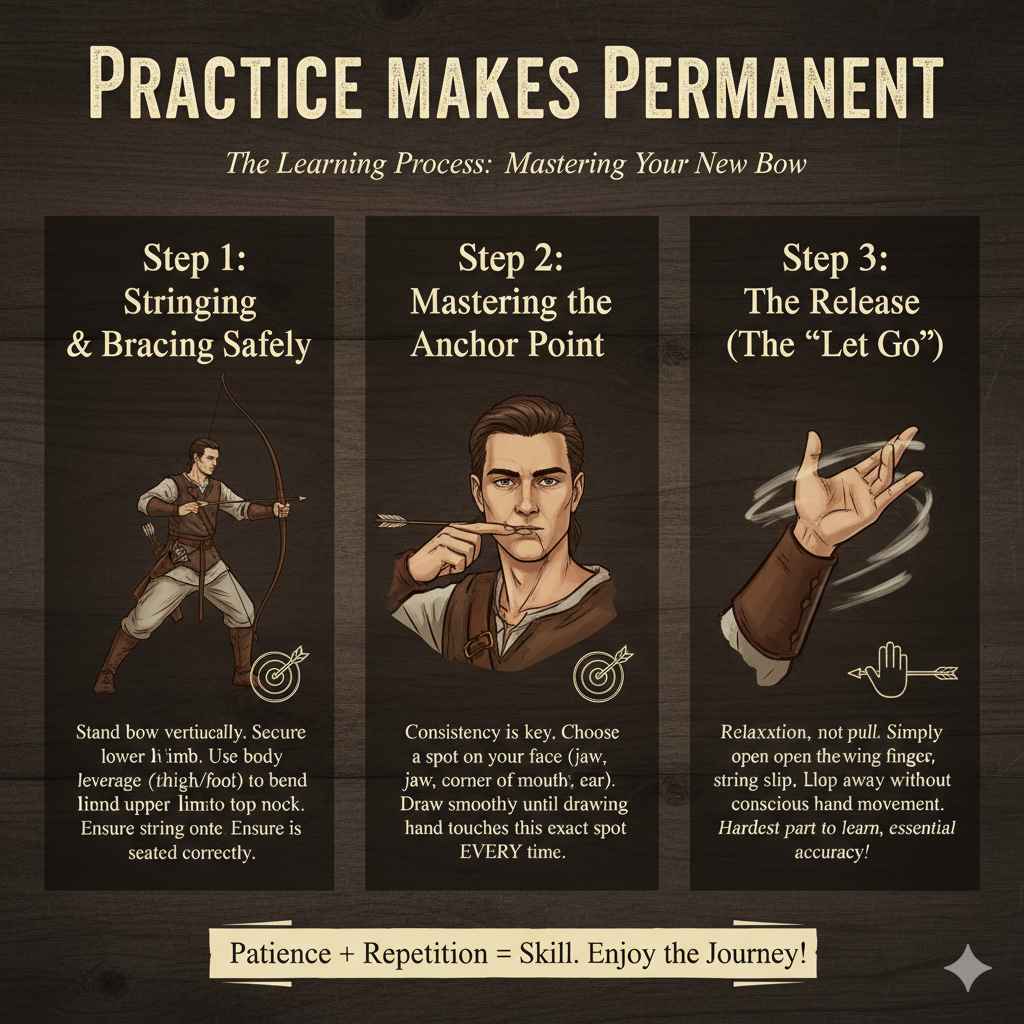
The Learning Process: Practice Makes Permanent
Once you have selected your bow—Longbow or Arabian—the real work begins. Mastering either requires patience.
Step 1: Learning to String and Brace Safely
Bracing is putting the string onto the bow.
- Stand the bow vertically on the ground (or hold it securely).
- Place the lower limb tip into the ground or securely against your hip/foot.
- Using the correct technique (often involving stepping the limb over your foot or pressing the upper limb down with your thigh), gently bend the top limb until the string can slide onto the top nock.
- For the Longbow, ensure the string sits correctly on the stringer nock first. For the composite, ensure the string is seated properly on the horn tips without undue twisting.
Step 2: Mastering the Anchor Point
This is where consistency comes from. The anchor point is the spot on your face (jaw, corner of the mouth, or behind the ear) where your drawing hand consistently settles.
- Draw smoothly until your drawing hand touches this exact spot every time.
- If you switch between a Longbow and a Composite, your anchor might feel slightly different due to draw length variations—practice finding that perfect spot with the new bow.
Step 3: The Release (The “Let Go”)
Many beginners tense up here. A good release is not a pull or a snap; it is a relaxation.
For both bows, the goal is to let the drawing fingers simply relax, allowing the string to slip away without you consciously moving your hand forward. This is often the hardest part to teach in writing, but essential for accuracy!
FAQ: Arabian Bow vs Longbow for Beginners
Q1: Which bow is better for shooting heavy arrows?
A: Historically, the Arabian Composite Bow was designed to handle heavy arrows for maximum penetration, especially at shorter ranges. Modern Longbows can handle heavy arrows if they are appropriately stiff (spined) for the draw weight.
Q2: Do I need a specialized stringer for the Longbow?
A: Yes. A bow stringer is highly recommended for both bows, but especially for a Longbow. Using a proper stringer reduces limb twist and prevents damage. The old “step-through” method can warp limbs over time if done incorrectly.
Q3: Is the Arabian composite bow harder to maintain?
A: Generally, yes. Traditional horn-and-sinew composite bows are sensitive to humidity and temperature changes. Modern synthetic versions are more durable, but they still require careful storage. Longbows are simpler—keep them dry, waxed, and out of extreme heat.
Q4: Which bow is better for indoor shooting?
A: The Arabian composite bow is more convenient indoors because of its shorter length. A full-length English Longbow can feel awkward in tight spaces and requires more room behind and around you.
Q5: Which bow builds strength faster?
A: Both will build strength if the draw weight is appropriate. However, Longbows often require a longer draw length, which can engage back muscles more noticeably for beginners.
Q6: Can beginners start with a composite bow?
A: Yes—but it’s usually recommended only if you are committed to learning its unique draw cycle and maintenance needs. For most beginners seeking simplicity, a low-poundage Longbow is more forgiving.
Q7: Which bow lasts longer?
A: A well-maintained Longbow made from quality wood can last decades. Composite bows also last long when cared for properly, but traditional organic composites are more vulnerable to environmental damage if neglected.
Final Conclusion: Which Is Proven Best?
There is no universal winner in the Arabian Bow vs Longbow debate—only the bow that fits your goals.
- If you want simplicity, lower cost, easier maintenance, and smoother beginner learning, the English Longbow is often the safer starting choice.
- If you value compact size, historical cavalry authenticity, and maximum power in a short frame, the Arabian Composite Bow stands unmatched.
For most new archers learning form and consistency, the Longbow offers a more forgiving and accessible introduction.
For those passionate about mounted archery, historical Middle Eastern traditions, or compact efficiency, the Arabian composite bow delivers unmatched performance per inch of limb.
In the end, the best bow is the one that matches your environment, your dedication level, and your long-term vision as an archer. Mastery comes from practice—not just equipment.