Are 12-6 Elbows Illegal in UFC? History & 2024 Rule Change
Hey there, fight fan! If you’re curious about the ins and outs of UFC rules, you’ve probably heard about the controversial 12-6 elbow strike. Maybe you’ve seen heated debates online or caught a moment in a fight where a referee stepped in, leaving you scratching your head. Are 12-6 elbows illegal in UFC? Why do they spark so much discussion? I’ve been diving into this topic for a while, and I’m excited to break it down for you in a way that’s clear, engaging, and packed with everything you need to know. Let’s step into the octagon of knowledge and explore the history, controversy, and recent changes surrounding this unique strike. For more on this, see our guide on Are There Bows in Hunter Call of the Wild? Complete Guide.
What Exactly Is a 12-6 Elbow?
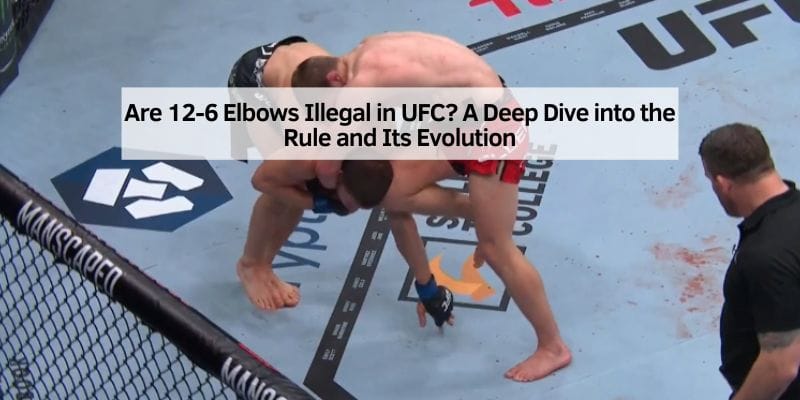
Let’s start with the basics. A 12-6 elbow is a downward elbow strike in mixed martial arts (MMA). Imagine a clock on the wall. The motion of this strike mimics moving your elbow straight down from the 12 o’clock position to the 6 o’clock position. It’s a vertical, downward motion, often delivered with the point of the elbow, and it can pack a serious punch—pun intended.
This strike is different from other elbow strikes, like horizontal or diagonal ones, because it follows a straight, gravity-assisted path. Picture yourself in a dominant position, like sitting on an opponent’s chest in full mount. Dropping a 12-6 elbow feels natural, almost instinctive, as you use your body weight and gravity to drive the elbow into your opponent’s face or body. It’s a powerful move, which is why it’s been at the center of so many debates.
Why Were 12-6 Elbows Banned in the First Place?
Back when MMA was still finding its footing, the sport was a bit like the Wild West. Different promotions had their own rules, and things could get chaotic. In 2000, the Unified Rules of Mixed Martial Arts were created to bring some order and make the sport safer and more mainstream. I remember reading about how this meeting brought together folks from major MMA organizations, referees, and even doctors to hammer out a standard rulebook.
During those discussions, the 12-6 elbow caught some attention. A doctor at the meeting raised concerns after seeing a brutal fight where downward elbows were used to the back of a fighter’s head. He argued that these strikes could be life-threatening, especially because of the potential to damage the spine or cause severe head trauma. There was also a worry about the orbital bone—those delicate bones around the eyes—getting shattered by a well-placed 12-6 elbow.
There’s a story that’s been floating around, often mentioned by UFC commentator Joe Rogan, that the ban came from athletic commission folks seeing martial artists break bricks or ice with downward elbows and thinking, “Whoa, that’s too dangerous for the cage!” But some, like Keith Kizer from the Nevada State Athletic Commission, have called this “revisionist history.” Either way, the fear was that these strikes were too risky, especially in a sport already under scrutiny for being too violent. So, under the Unified Rules, 12-6 elbows were banned, labeled as “downward elbow strikes.”
The Jon Jones Controversy: A Turning Point
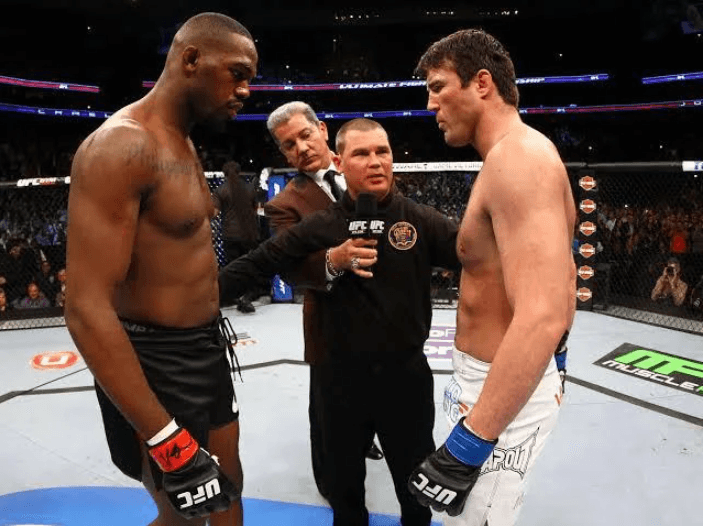
If you’re an MMA fan, you’ve probably heard about Jon Jones and his infamous 2009 fight against Matt Hamill. This moment is like the poster child for why the 12-6 elbow rule has been so controversial. I still remember watching that fight and feeling my jaw drop when it ended. Let me paint the picture for you.
Jon Jones, a young, rising star in the UFC, was dominating Matt Hamill at The Ultimate Fighter 10 Finale. He had Hamill pinned in full mount, raining down strikes. Jones was seconds away from finishing the fight when he threw a series of 12-6 elbows. The referee, Steve Mazzagatti, stopped the fight—not because Hamill was out, but because those elbows were illegal under the rules at the time. Jones was disqualified, marking the only loss on his otherwise stellar record.
I felt so bad for Jones. He was clearly the better fighter that night, and the disqualification felt like a technicality. Fans and fighters alike were furious, arguing that the rule was outdated and overly strict. The incident sparked years of debate about whether 12-6 elbows were really as dangerous as the rules suggested. It also left a lasting mark on Jones, who’s been vocal about wanting that loss overturned ever since.
How the 12-6 Elbow Rule Was Enforced
For years, the ban on 12-6 elbows was a sticking point in MMA. Referees had to keep a sharp eye out for any elbow strike that looked too “vertical.” But here’s where things got tricky: the rule wasn’t always clear-cut. The official definition was vague, simply banning “downward elbow strikes.” This led to a lot of confusion. Was every downward elbow a 12-6? What if it was slightly angled?
Referee John McCarthy, one of the architects of the Unified Rules, tried to clarify things. He described a 12-6 elbow as a strike moving straight from 12 o’clock to 6 o’clock, like a clock on the wall. He even traveled around, holding seminars to explain the rule to officials. But enforcement was inconsistent. Sometimes, fighters got warnings for borderline strikes. Other times, like in Jones’ case, it led to disqualifications.
The rule also frustrated fighters because 12-6 elbows are a natural part of ground-and-pound. When you’re in a dominant position, like high mount or sprawled out against a takedown, driving an elbow straight down feels instinctive. It’s efficient and powerful, using gravity to add force. Banning it felt like tying one hand behind a fighter’s back.
The Big Change: Legalization of 12-6 Elbows
Fast forward to 2024, and everything changed. I was thrilled when I heard the news: the Association of Boxing Commissions (ABC) voted to lift the ban on 12-6 elbows. This decision came after years of debate and pressure from fighters, fans, and even UFC officials. The change went into effect on November 1, 2024, just in time for UFC Fight Night 246 in Edmonton, Canada.
Why the change? Well, the original fears about 12-6 elbows being uniquely dangerous started to seem overblown. Studies and fight data showed that these strikes weren’t causing more injuries than other elbows or punches. Plus, the sport had evolved. Weight classes were standardized, reducing the risk of size mismatches, and medical protocols were stricter. The ABC’s MMA Rules Committee decided it was time to modernize the rules.
The first legal 12-6 elbow in the UFC was thrown by Gillian Robertson against Luana Pinheiro at UFC Vegas 100. I watched that moment and felt a little chill—it was like witnessing a piece of MMA history. The legalization was a big win for fighters who’d argued that 12-6 elbows were just another tool in their arsenal, no more dangerous than a well-placed knee or punch.
How 12-6 Elbows Are Used in Fights
Now that 12-6 elbows are legal, let’s talk about how fighters use them. These strikes shine in specific situations, especially on the ground. If you’re in a dominant position like full mount or side control, a 12-6 elbow can be devastating. You’re using your body weight to drive the point of your elbow into your opponent’s face, torso, or even liver. It’s a short, sharp strike that doesn’t require much wind-up, making it hard to defend.
I’ve seen fighters practice this move on grappling dummies, and it’s all about precision. You need to align your torso with the target, engage your core, and drive the elbow straight down. The force comes from your shoulders and upper arms, not your lower body. It’s a technique that feels natural in close quarters, like when an opponent is trying a sloppy takedown and their head is pressed against your chest.
Here’s a quick breakdown of when 12-6 elbows are most effective:
| Situation | Why It Works |
|---|---|
| Full Mount | Opponent has limited defense; elbow can target head or body with maximum force. |
| Sprawl | Perfect for punishing a failed takedown attempt, targeting the head or back. |
| Clinch | Allows for short, powerful strikes when opponents are close and grappling. |
Fighters like Jon Jones, who was disqualified for using this move, have trained extensively with 12-6 elbows. Now that they’re legal, I expect we’ll see more fighters incorporating them into their game plans.
The Impact on Fighters and Fans
The legalization of 12-6 elbows has been a game-changer. For fighters, it’s one more weapon in their toolkit. I’ve talked to some training partners at my local gym, and they’re excited about experimenting with these strikes in sparring. It opens up new strategies, especially for grapplers who excel at ground-and-pound.
For fans, it’s a mix of excitement and curiosity. Some worry that fights might get bloodier, but others, like me, think it adds to the sport’s authenticity. MMA is about blending martial arts techniques, and the 12-6 elbow is a natural part of that mix. Plus, it could lead to more exciting finishes, especially in ground-heavy fights.
There’s also the Jon Jones factor. After the rule change, Jones took to social media, saying, “Undefeated then, undefeated now.” I can’t help but smile at his confidence. UFC President Dana White even mentioned trying to get Jones’ 2009 loss overturned, though that’s still up in the air. It’s a reminder of how much this rule has shaped careers and sparked debates.
Are There Still Restrictions?
Even with the ban lifted, there are some caveats. Not every state or athletic commission has adopted the new rules. For example, I read that the New Jersey State Athletic Control Board decided not to allow 12-6 elbows for UFC 316, keeping them illegal in that event. This patchwork of rules can be confusing, so fighters and coaches need to stay on top of local regulations before stepping into the cage.
Another thing to note is that while 12-6 elbows are legal, they still can’t target certain areas, like the back of the head or spine. Those strikes are still banned under the Unified Rules to protect fighters from serious injury. So, while the rule change gives fighters more freedom, it’s not a free-for-all.
Why the Debate Still Lingers
Even with legalization, not everyone’s on board. Some fans and officials still think 12-6 elbows are too dangerous. They point to the potential for cuts, concussions, or even spinal injuries. Others argue that MMA is already a brutal sport—why single out one strike? I get both sides. On one hand, fighter safety is crucial. On the other, banning a natural, effective technique feels like overreach in a sport built on controlled chaos.
I’ve seen online discussions where fans argue that the rule change could lead to more knockouts or gruesome cuts. But from what I’ve observed, 12-6 elbows aren’t inherently more dangerous than a spinning back elbow or a flying knee. It’s all about execution and context. The sport has come a long way since 2000, with better gloves, stricter medical checks, and more experienced referees. I think we’re ready to embrace this change.
My Take as an MMA Fan
As someone who’s watched MMA for years, I’m thrilled about the legalization. It feels like the sport is growing up, shedding some of its outdated restrictions. The 12-6 elbow is a powerful, exciting technique that adds depth to fights. I also feel for fighters like Jon Jones, who got caught in the crosshairs of a rule that didn’t make sense to everyone. Seeing this strike return to the octagon feels like a step toward fairness and authenticity.
I’ll admit, I was skeptical at first. Would this make fights too brutal? But after watching recent events and seeing how fighters use these elbows, I’m sold. It’s not about making the sport bloodier—it’s about letting fighters use their full skill set. Plus, it’s exciting to think about how this rule change might shape future fights. Will we see new strategies? More knockouts? Only time will tell.
Conclusion
So, are 12-6 elbows illegal in UFC? Not anymore, and I couldn’t be happier about it. This rule change is a big moment for MMA, closing a chapter on a controversial ban that never quite made sense. From Jon Jones’ heartbreaking disqualification to Gillian Robertson’s historic first legal strike, the 12-6 elbow has left its mark on the sport. It’s a reminder of how MMA evolves, balancing safety with the raw, unfiltered spirit of martial arts.
As a fan, I’m excited to see how fighters adapt to this change. Will we see a new generation of elbow-slinging grapplers? Will someone land a viral 12-6 elbow knockout? I’m glued to my screen, waiting to find out. If you’re new to MMA or a seasoned fan, this is a great time to dive into the sport. The octagon just got a little more exciting, and I’m here for it. Let’s keep watching, cheering, and debating—because that’s what makes MMA so special.
FAQs
What Is a 12-6 Elbow in UFC?
A 12-6 elbow is a downward elbow strike that moves straight from the 12 o’clock position to the 6 o’clock position, like a clock on the wall. It’s a powerful move often used in ground positions to target an opponent’s head or body.
Why Were 12-6 Elbows Illegal in UFC?
They were banned under the Unified Rules of MMA in 2000 due to concerns about their potential to cause serious injuries, like spinal damage or orbital bone fractures. Some officials worried the strike was too dangerous for a sport trying to gain mainstream acceptance.
When Did 12-6 Elbows Become Legal in UFC?
The ban was lifted on November 1, 2024, after the Association of Boxing Commissions voted to remove it. The first UFC event with legal 12-6 elbows was UFC Fight Night 246 in Edmonton, Canada.
Can 12-6 Elbows Still Be Illegal in Some UFC Fights?
Yes, it depends on the local athletic commission. For example, the New Jersey State Athletic Control Board kept 12-6 elbows illegal for UFC 316, so fighters need to check local rules.
How Do Fighters Use 12-6 Elbows Effectively?
Fighters use them in dominant ground positions, like full mount or sprawl, to deliver powerful, gravity-assisted strikes. The key is aligning the torso with the target and driving the elbow straight down for maximum impact.