If you’re starting archery, figuring out gear can feel like a puzzle. One of the first questions many archers have is, Are Bow Quivers Universal? What You Should Know. It seems simple, but getting the right quiver can be tricky. Don’t worry, this guide will make it easy! We’ll explore everything you need to know about quivers to get you shooting arrows accurately. Keep reading for a step-by-step breakdown.
What Makes a Bow Quiver Work?
Bow quivers are an important part of archery. They hold your arrows securely, keeping them close at hand while you shoot. There are different types, each with unique features. Some attach directly to the bow, while others are worn on the archer’s body. The right quiver can make a big difference in how comfortable and effective you are on the range. Understanding their parts and function is key to finding the right match for your bow and your archery style.
Types of Bow Quivers
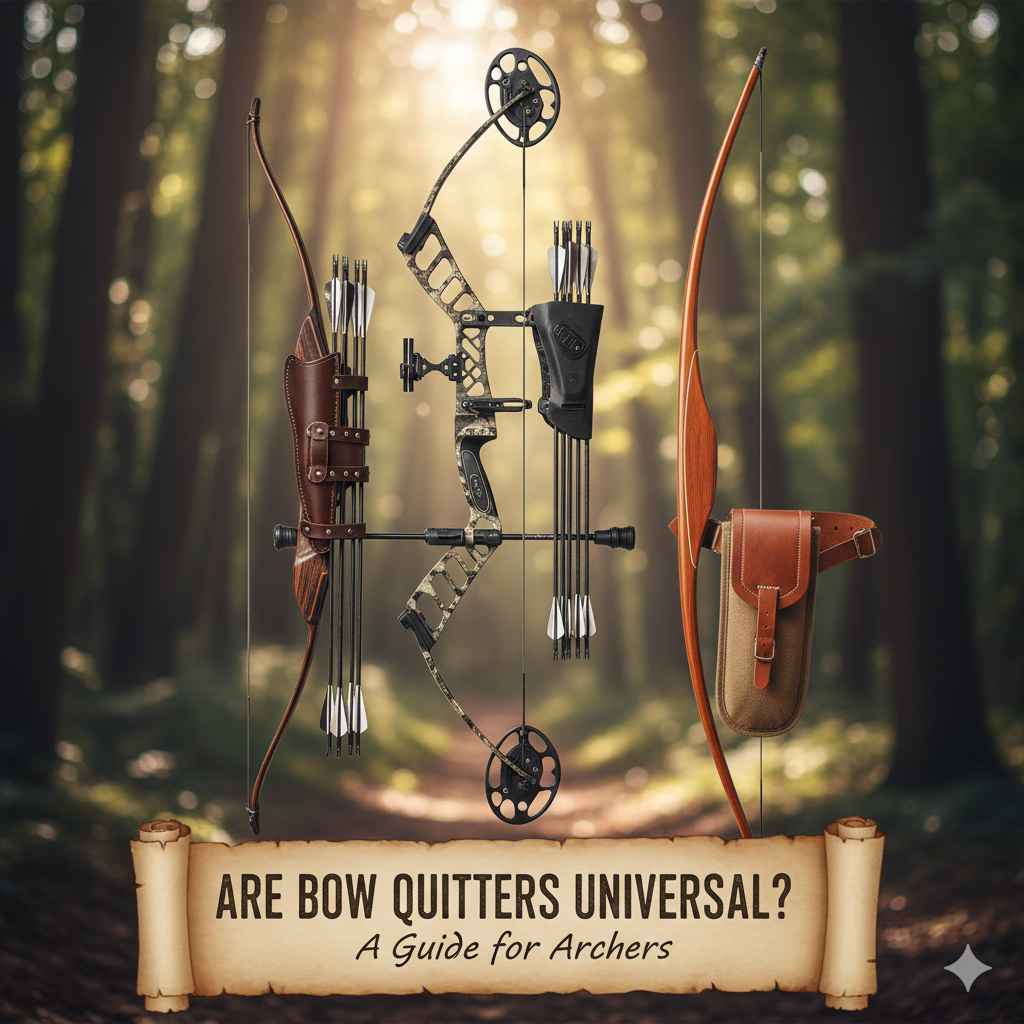
There are several styles of bow quivers, each with its advantages. One popular type is the bow-mounted quiver, attaching directly to the bow. These are good for keeping arrows close, especially during hunting. Another common choice is a hip quiver. This style keeps arrows at your side, making them easy to reach. Finally, a back quiver is often used by target archers and archers who like a traditional style. Each kind offers a different experience, so you should check them all to see which works best for you.
- Bow-Mounted Quivers: These attach right to the bow, making them ideal for hunting. They keep arrows close, reducing movement and noise. These typically hold a limited number of arrows, usually 4-8. They come in various designs to match different bow types.
- Hip Quivers: Worn on the hip, hip quivers provide quick access to arrows. They’re great for target practice and field archery, where you need to draw arrows quickly. They can hold many arrows, giving you flexibility during practice.
- Back Quivers: Back quivers hold arrows vertically and are often associated with traditional archery. They’re great for situations that require a lot of movement. They distribute the weight evenly across your back, so they are comfortable for long periods.
Bow-mounted quivers are often preferred by hunters because they keep the arrows within easy reach, and the arrows are protected during movement. The downside is that they can add weight to the bow and sometimes affect balance.
Hip quivers are known for their accessibility and convenience. They’re often adjustable to fit different body sizes. The main thing is to pick a model with a stable design that won’t swing as you move.
Back quivers, while stylish, can be less convenient for beginners since the arrows are behind you. Arrows are protected, and there is no interference from the bow itself. They are frequently used in the context of medieval re-enactment or historic archers, and in general, any context where the aesthetics of the equipment are important.
Key Features of Bow Quivers
When selecting a bow quiver, look for features that fit your needs. The material should be durable and withstand weather and wear. Consider arrow capacity, which should match how many arrows you plan to carry. Other things to consider are the attachment method, either to the bow or to your body, and the adjustability of the quiver, for example, the length. Think about whether you want a quiver that protects the arrow tips or one with a simple, open design. Choosing the right features helps improve your shooting experience.
- Material: Quivers are made from various materials, each offering different benefits. Leather quivers look classic and can last for years with care, but they might need protection from weather. Fabric quivers are often lightweight and come in many colors and patterns. Some materials like sturdy nylon and even carbon fiber are tough and water-resistant.
- Arrow Capacity: Think about how many arrows you typically shoot during a session. If you practice a lot or compete, you may need a quiver that holds more arrows. Beginner archers will often start with a smaller quiver, as they don’t need a lot of capacity. Hunters may want a quiver that holds fewer, but easily accessible, arrows.
- Attachment Method: Bow-mounted quivers attach directly to the bow. They offer easy access to arrows but add weight. Hip quivers are worn at your side and provide great accessibility while allowing for movement. Back quivers hold arrows on your back and are often preferred for target archery.
- Adjustability: Some quivers have adjustable features, such as strap lengths or height adjustments. This allows you to customize the fit. Adjustable quivers can be worn by archers of different sizes and provide more comfort.
The material impacts how long your quiver lasts, how it feels, and how much it weighs. Pick a material that can endure the conditions you will experience when shooting.
The right arrow capacity can help you stay organized and keep shooting without interruption.
The attachment method affects how fast you can grab an arrow and how it feels to carry the quiver.
If you’re still developing your style, or if you share equipment with others, adjustability is especially useful.
Are Bow Quivers Universal?
Are Bow Quivers Universal? What You Should Know: The short answer is, “mostly no”. Bow quivers are not completely universal, as different types of bows require specific quivers, but some aspects of their design are common. The compatibility often depends on the type of bow, the quiver’s mounting system, and the arrow size. Understanding these factors will help you select a quiver that works with your setup.
Compatibility Factors
When picking a bow quiver, look at the type of bow you have. Compound bows often use bow-mounted quivers. Recurve bows sometimes use side or back quivers, and traditional bows can go either way. Then check how the quiver attaches. Some attach with screws or brackets, while others use straps or magnetic systems. Finally, make sure the quiver can handle the size of your arrows. Understanding these things ensures a good fit and performance.
- Bow Type: Compound bows often use bow-mounted quivers because they are made for this and do not interfere with the bowstring. Recurve bows can use different quiver types. Hip and back quivers work well for recurve bows because they don’t interfere with the bowstring when you draw. Traditional bows are another kind. You can use different quiver types.
- Attachment System: Bow-mounted quivers connect directly to the bow using screws or clamps. Hip quivers have belts or straps. Back quivers have shoulder straps. The attachment must be secure and suitable for your bow type. If you are using a bow-mounted quiver, make sure that the bracket system is compatible with the holes or other mounting points available on your bow.
- Arrow Size: Arrows come in different sizes, defined by their spine, diameter, and length. Make sure your quiver can hold arrows that are the right size for your bow and draw length. A quiver needs to accommodate the arrows’ width and length to keep them secure.
The shape and design of your bow directly affect what kind of quiver will fit best.
A secure attachment keeps your quiver in place while shooting and prevents accidents.
The quiver should hold arrows so they don’t rattle, fall out, or get damaged.
Differences by Bow Type
Different bow types have distinct needs for quivers. Compound bows usually have bow-mounted quivers because of their design. Recurve bows can work with bow-mounted, hip, or back quivers. Traditional bows might use back or hip quivers, fitting with the classic style. Choosing the right quiver considers the bow’s shape, how it’s used, and the archer’s personal preferences. Matching the quiver to your bow type improves the entire shooting experience.
- Compound Bows: Compound bows benefit most from bow-mounted quivers. These quivers attach to the bow’s riser and limbs. They keep arrows close and easy to reach. Bow-mounted quivers often come with a bracket that fits the specific bow model.
- Recurve Bows: Recurve bows can use various quiver styles, including bow-mounted, hip, and back. Bow-mounted quivers are not as common. Side or back quivers offer more freedom for drawing arrows without obstruction.
- Traditional Bows: Traditional bows often pair with back or hip quivers. These quivers match the classic look. The quiver choice can be a statement of personal preference and can affect the style and experience.
Bow-mounted quivers on compound bows offer speed and convenience. It is not common to see compound archers with hip or back quivers.
The choice depends on shooting style, such as target archery or field archery.
For traditional bows, the quiver is often part of the aesthetic, as well as the functionality.
Choosing the Right Quiver for Your Needs
Choosing a quiver is about knowing what you need. Think about your archery style: Are you target shooting, hunting, or doing field archery? Next, look at the type of bow you have and the features you desire. Your comfort, the arrow capacity, and how easily you can access your arrows are important too. Getting it right makes the difference between a frustrating time and a great one on the range.
Considering Your Archery Style
Your archery style greatly affects the best quiver for you. If you are target shooting, hip or back quivers are often preferred. They make it easy to draw arrows repeatedly. If you are hunting, you might choose a bow-mounted quiver. It keeps arrows close and quiet. For field archery, a hip quiver might be best. It offers easy access while on the move. Your style determines what features and designs are important.
- Target Archery: Target archers often use hip or back quivers. These are easy to reach, and they hold many arrows, allowing for repeated shots. In a competitive environment, it’s about speed and efficiency, making quick draws.
- Hunting: Hunters often favor bow-mounted quivers. These keep arrows close. The bow-mounted style is also quiet, preventing noise during the hunt. Some hunters might also choose hip quivers for accessibility while moving through the field.
- Field Archery: Field archery combines elements of target and hunting styles. Hip quivers are often preferred because they allow for both mobility and quick arrow access while moving across various terrains.
The goal is to provide a smooth, fast shooting experience.
The key factors are quietness and easy access while staying mobile.
A good balance between mobility and arrow accessibility is key.
Key Features to Consider
When selecting a quiver, think about its most important features. Look at the arrow capacity, ensuring it matches your shooting needs. The material should be durable and withstand weather. The attachment method must fit your bow and style. Additional features, such as arrow tip protection and a place to hold accessories, can add to the quiver’s functionality. A good quiver enhances your archery experience by meeting your specific demands.
- Arrow Capacity: The number of arrows a quiver can hold is essential. Beginners might not need many arrows, but competitive shooters need more capacity. Make sure the quiver has enough space for your typical shooting session.
- Material and Durability: The quiver’s material should withstand weather and wear. Leather quivers are attractive but need care. Fabric quivers are often lightweight. Durable nylon or carbon fiber quivers are more rugged. Pick a material that can endure what you want to do with it.
- Attachment Method and Security: Whether the quiver is bow-mounted, hip, or back, it must attach securely. Bow-mounted quivers require a proper fit with the bow’s riser. Hip quivers have belts or straps. Back quivers require shoulder straps that are comfortable.
- Additional Features: Consider extra features. Many quivers have arrow tip protection, protecting the fletching from damage. Some offer compartments for small tools or accessories, such as a field point puller or a bow square. These features can add value to the quiver.
A proper arrow capacity minimizes interruptions and allows for smooth shooting.
A robust material ensures your quiver lasts a long time, protecting your arrows.
A secure attachment prevents the quiver from falling off during use.
Added features improve convenience and functionality during shooting.
Maintenance and Care for Your Quiver
Taking care of your quiver extends its life and keeps it working well. For leather quivers, it’s good to apply leather conditioner to keep it from drying out and cracking. Fabric quivers need to be cleaned from time to time to remove dirt. The attachment mechanisms need to be checked regularly for wear and tear. Proper maintenance protects your arrows and makes your quiver last longer. By keeping up with these things, you make sure your quiver stays in good shape.
Cleaning and Storage
Regular cleaning and correct storage preserve your quiver. Use a damp cloth to clean fabric quivers, removing dust and dirt. Leather quivers can be cleaned with leather cleaner. Store your quiver in a dry place away from direct sunlight when not in use. This protects it from fading and damage. Proper storage prevents wear and tear, keeping your quiver ready for your next archery session.
- Cleaning Fabric Quivers: Use a damp cloth to wipe down fabric quivers. Remove loose dirt and debris. For tougher stains, use a mild soap solution. Allow the quiver to dry completely before storage.
- Cleaning Leather Quivers: Clean leather quivers with a leather cleaner. Apply the cleaner to a soft cloth, and gently wipe the quiver’s surface. After cleaning, apply a leather conditioner to moisturize the leather and avoid cracking.
- Storage: Store your quiver in a dry place. Keep it away from direct sunlight to prevent fading. Make sure the quiver is completely dry before storing it.
Regular cleaning keeps fabric quivers looking good and prevents mildew.
Leather care is important to prevent drying and cracking.
Correct storage extends the life of your quiver.
Inspecting and Maintaining Attachment Systems
Inspect your quiver regularly to make sure that the attachment mechanisms are in good shape. Check the screws, straps, and buckles for wear and tear.
- Bow-Mounted Quivers: Check the screws and brackets on bow-mounted quivers. Ensure the screws are tight and the brackets are secure. If any part looks worn or damaged, replace it immediately.
- Hip Quivers: Inspect the belt or straps on hip quivers. Make sure the stitching is in good shape. Check for fraying or loose threads. If any damage is found, replace the straps or have them repaired.
- Back Quivers: Check the shoulder straps on back quivers. Make sure that they are securely attached. Look for wear and tear. Replace straps that are worn or stretched.
Regular checks prevent the quiver from coming loose during shooting.
Secure straps make sure the quiver stays on your hip.
Secure shoulder straps ensure the quiver remains stable on your back.
Real-World Examples and Scenarios
Seeing examples shows how different quivers work in practice. For instance, a hunter might prefer a bow-mounted quiver. A target archer could use a hip quiver. These examples show how the quiver choice affects performance. Knowing these examples helps you choose the correct quiver for your needs.
Example 1: Hunter’s Setup
A bowhunter, preparing for a deer hunt in a dense forest, chooses a bow-mounted quiver.
- Why It Works: The hunter wants to move silently through brush while keeping arrows within easy reach. The bow-mounted quiver secures arrows tightly, preventing them from snagging on branches and making noise. The compact design ensures the hunter doesn’t get slowed down or make unwanted sound.
This setup works well because the hunter needs to move silently and quickly, and the bow-mounted quiver is built for this.
Example 2: Target Archer’s Choice
A target archer at a local competition picks a hip quiver.
- Why It Works: The archer needs rapid arrow access during the competition. The hip quiver allows for quick draws and smooth loading, enabling faster shooting. The archer can also carry many arrows, allowing more shooting.
The hip quiver is the best choice because it emphasizes the ability to access arrows quickly.
Example 3: Beginner’s Practice
A beginner practices archery at a local range and uses a basic hip quiver.
- Why It Works: The hip quiver is simple, holds enough arrows for practice, and keeps the arrows secure. This allows the archer to focus on the basics of shooting without worrying about handling arrows or carrying them around.
It provides a simple and manageable system for a beginner to practice.
Frequently Asked Questions
Question: Are all bow quivers compatible with every bow?
Answer: No, not all bow quivers are compatible with every bow. Compatibility often depends on the type of bow, the quiver’s attachment system, and the arrow size.
Question: What’s the main benefit of a bow-mounted quiver?
Answer: A bow-mounted quiver keeps arrows close at hand and reduces movement and noise, making it useful for hunters.
Question: Can I use any quiver for target archery?
Answer: While you could use any, hip or back quivers are typically used for target archery, as they provide easy access to arrows.
Question: How do I pick the right arrow capacity for my quiver?
Answer: Think about how many arrows you usually shoot during a session. More frequent shooters should choose a quiver that holds more arrows.
Question: How often should I clean my quiver?
Answer: Clean your quiver regularly, especially if you shoot outdoors. Wipe down fabric quivers after each use, and treat leather quivers as needed.
Final Thoughts
So, Are Bow Quivers Universal? What You Should Know is that while they are designed to hold arrows, the fit isn’t a “one size fits all” deal. We’ve explored the different types, the essential features, and how to choose one. We covered key things like arrow capacity and the right attachment method. Remember to consider your archery style, whether you’re hunting, target shooting, or simply practicing. Proper care, from cleaning to storage, is also key to keeping your quiver in top shape for years to come. Now, you’re ready to pick the best quiver. Get out there, and enjoy your archery!