

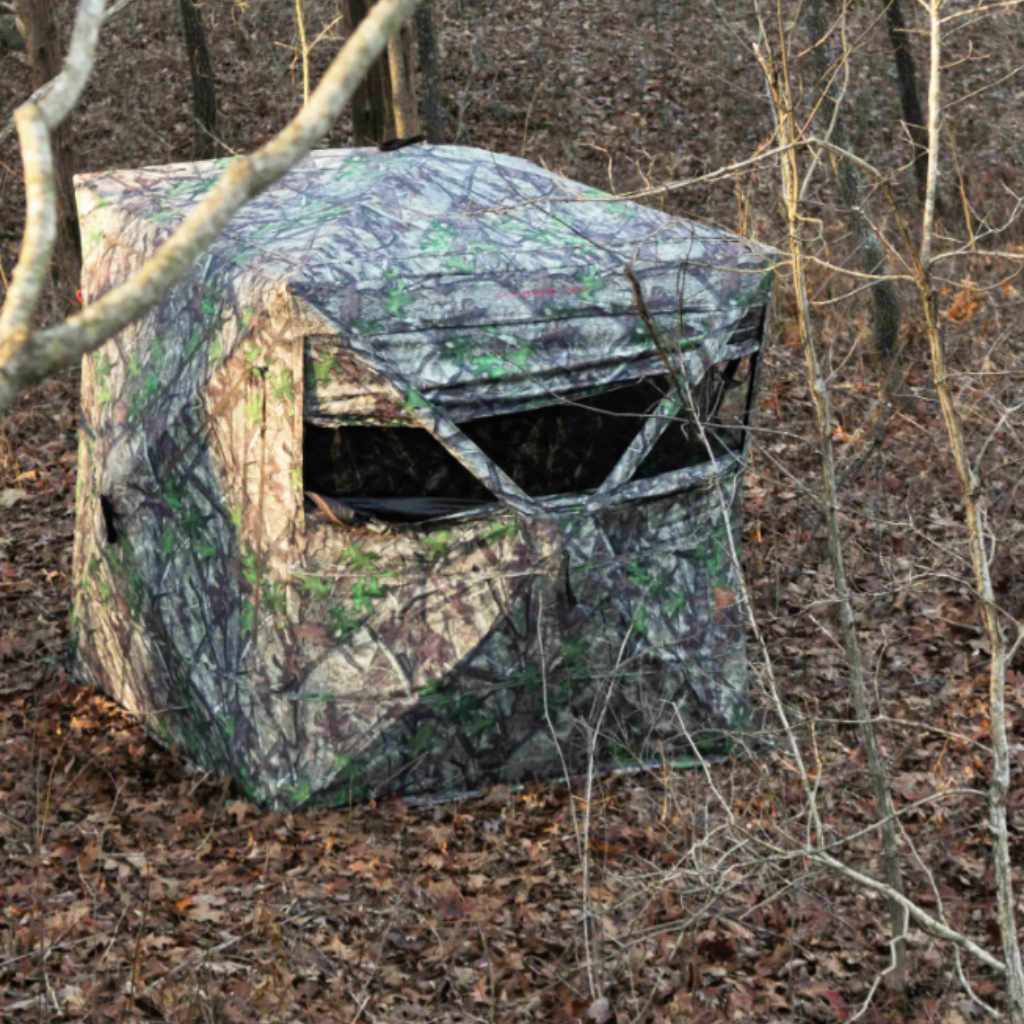
No, deer are generally not spooked by quality ground blinds if they are set up correctly. The key is minimizing movement, scent control, and allowing the blind to “settle in” before hunting. Proper placement and camouflage are far more important than the blind material itself.
If you are new to hunting or just starting to use a ground blind, you might wonder if those large fabric structures scare deer away. It is a very common worry! Deer have excellent senses, and anything new or unnatural in their environment can make them cautious. You might have heard stories where deer bolt the second they spot a blind. That is frustrating, especially after you put time and money into your setup.
The good news is that ground blinds are incredibly effective tools when used right. Deer rely on habit and routine. If you introduce the blind slowly and correctly, they will quickly accept it as part of the landscape. We are going to walk through exactly how to set up your blind so that deer see it, accept it, and walk right past it without a second thought. Let’s unlock the secrets to blending in perfectly!
Understanding the Deer’s Mindset When Approaching a New Object
Before we talk about covering up the blind, we must understand how a deer views a foreign object in its pathway. Deer are creatures of habit and survival. Their senses are fine-tuned to detect danger.
When a deer encounters something new—like a bright orange object or a large, oddly shaped dome—its immediate reaction is skepticism, not panic. They stop, assess, and rely on their senses to determine if the object poses a threat.
- Sight: They look for unnatural shapes, movement, and color contrast.
- Smell: Human odor is a major giveaway.
- Sound: Creaking fabric, a zipper sound, or moving inside can immediately cause alarm.
If you manage these three factors, the blind becomes a non-issue. If you fail in one area, the deer will likely spook and avoid the area entirely. It is not the blind itself that spooks them; it is how you introduce that blind into their world.
Secret #1: The Critical Importance of “Scent Soaking” and Conditioning
This is perhaps the most overlooked step for beginners. A brand-new ground blind smells strongly of plastic, chemicals, and factory processing. To a deer whose nose is thousands of times more sensitive than ours, that blind screams “human.”
The Setup and Settling Process
You cannot just throw up a blind the morning you plan to hunt and expect success. You need to condition the deer herd to its presence. We call this “scent soaking” or breaking the blind in.
- Initial Set Up: Choose your spot and set the blind up completely. Don’t worry about perfect camouflage yet—just get it positioned.
- Field Spray Application: Use an unscented field spray designed to neutralize foreign odors and mimic local ground smells. Spray the exterior thoroughly.
- Wait Period: Leave the blind up, set, and open (if safe from weather) for several days, or even a week, before hunting out of it. The sun, rain, and wind need time to bake out the plastic smell and replace it with local earth and vegetative odors. The longer you can leave it, the better.
- Adding Natural Cover: After the initial settling period, start adding native vegetation (grasses, small branches) to the exterior loops. This breaks up the artificial lines of the blind.
Think of it like this: If a strange, new tent suddenly appeared in your backyard, you’d be curious. If it sat there unused for a week, you’d stop noticing it. Deer operate similarly.
Secret #2: Mastering Blind Placement and Visibility
Where you place the blind determines whether the deer even notice it in the first place and how they react. Deer are naturally curious but wary of odd shapes interrupting their usual travel corridors.
Avoid Breaking the Skyline
The biggest visibility mistake new hunters make is placing the blind on the highest point of relief or against a stark, open background. This makes the blind look like a dark, unnatural blob against the bright sky.
Instead, follow these placement guidelines:
- Use Natural Funnels: Place the blind near a natural break in cover, like the edge of a thicket, a creek bottom, or where timber meets a field.
- Background Matters: Always place the blind with a dark, heavily shadowed background if possible (e.g., dark pines or dense brush). This helps the fabric blend in rather than standing out.
- Angle of Approach: Position the blind so that approaching deer see the side profile rather than the front. The side profile is easier to break up with natural cover than a flat front face.
Breaking Up Lines with Vegetation
Deer do not recognize a blind as a threat until they see clear, man-made lines. Your job is to erase those lines using local materials. You can check out best practices compiled by agricultural extension offices on creating natural buffers, which often apply directly to camouflage techniques used in field settings (see resources like university extension programs for local planting tips that might inform your habitat setup).
Use the natural shooting windows provided by the blind, but ensure the surrounding vegetation covers the edges of the blind walls.
| Placement Element | Good Practice (Reduces Spooking) | Bad Practice (Increases Spooking) |
|---|---|---|
| Background | Dark, dense foliage or tree line. | Open field or against a bright sky. |
| Integration | Edges of cover, naturally occurring features. | Middle of an open clearing. |
| Scent Management | Upwind of the deer betting area. | Downwind, allowing scent to drift toward deer. |
| Set Time | Set up days or weeks in advance. | Set up just before entering to hunt. |
Secret #3: Movement—The True Instant Spook Factor
Even if your blind smells right and looks perfectly situated, deer will instantly flee if they see motion coming from inside the structure. For a beginner, managing movement is the single most difficult but most crucial step.
The Slow Reveal Technique
Once you are inside, everything slows down. You must move with purpose but extreme slowness. Think in terms of minutes, not seconds, for any major action.
- Entry Protocol: Enter the blind well before daylight or after dark if possible. Zip up slowly.
- Settling In: Once inside, remain motionless for at least 10–15 minutes, allowing your eyes to adjust and ensuring any internal scent settles near the floor.
- Window Management: Only open shooting windows or zipper flaps just wide enough for your line of sight. If you must open a window wider, do it during a noisy moment (like when a crow calls or wind gusts).
- Drawing Your Bow/Raising the Gun: This is the moment of highest risk. Practice drawing your bow or raising your firearm slowly while sitting in the blind before the season starts. Learn to use the blind’s built-in shooting rest or a strategically placed natural stick to support your weapon during the waiting period.
Never shift your feet, scratch an itch, or look around quickly. Deer observe subtle movements that we often ignore. If you must adjust your position, do it when the deer is furthest away or obscured by terrain or brush.
Secret #4: Managing Noise: Zippers, Creaks, and Gear Clatter
The specialized fabric of modern ground blinds is much quieter than older models, but noise transfer is still a major concern. Deer hear well, and unexpected sounds are interpreted as threats.
Silencing the Structure
The noise often comes from the zippers, the fabric rubbing against itself, or dropping gear.
- Zipper Control: Before the season, take black tape (like duct tape or electrical tape) and place a small piece over the zipper pull tab. This stops the metal tab from rattling against the fabric when the wind blows lightly.
- Lube Zippers: A light application of silicone spray on zipper teeth once a season can ensure they glide silently when you do need to open or close them.
- Internal Gear Management: Keep all gear (camo bags, rangefinders, bottles) off the floor where they can be accidentally kicked. Use loops inside the blind to hang quiet items.
- Shooting Upward: Be very careful when shooting upwards or at steep angles through a window opening, as the arrow or bolt can sometimes strike the fabric edge on the way out, causing a distinct thwack noise right at the moment of release.
When practicing your form at home, try shooting from a similar seated position to simulate the small window of opportunity you’ll have inside the blind. This builds muscle memory specific to that confined space.
Secret #5: Scent Control Inside the Blind
We mentioned scent soaking the outside, but what about the scent you bring in? Your clothing, your breath, and your body heat all carry odor.
Reducing Your Signature Inside
Even with excellent wind direction, a sudden gust can carry trace amounts of your scent directly to the deer.
Use these steps inside:
- Wash Everything: Use only scent-free detergents on your hunting clothes. Air dry them outside if possible, rather than putting them in a dryer with scented dryer sheets.
- Odor Elimination: Before sitting down, lightly mist your outer layer of clothing with a reputable scent eliminator spray once you are safely inside the blind.
- Ventilation Awareness: Understand your ventilation windows or built-in vents. If the wind is swirling or unpredictable (common near gullies or edges), try to keep your primary shooting windows closed until you are ready. Most deer blinds are designed to pull scent down and out through lower vents if they are open.
- Avoid Food/Drink Close to Openings: Strong food odors (even coffee) can travel surprisingly far, especially when heated by sunlight.
If you adhere strictly to scent control, you dramatically increase your odds, regardless of whether the deer sees the blind, as their nose often detects danger before their eyes do. For more official guidance on scent management and field etiquette, resources from wildlife agencies often highlight human scent reduction as a primary factor in hunting success.
Building Confidence: The Psychology of the Ground Blind
Many times, deer are spooked by ground blinds because the hunter inside is nervous. If you are tense, fidgety, and constantly worried about being seen, you are more likely to make a sudden move.
The ground blind is your fortress. Once you are set up correctly (Scent Soaked, Camouflaged, Quiet), you should feel secure. Treat the blind like a small, silent room you are sitting in—because that is exactly what it is.
Practice Makes Perfect (And Calm)
To build this confidence, practice sessions are essential. Set up your blind in your backyard or a safe area and sit in it for an hour, even simulating an actual hunt.
Practice tasks you will have to do while hunting:
- Sit motionless for 20 minutes without looking at your phone or eating.
- Slowly retrieve your rangefinder from your pack and use it.
- Slowly stand up and sit back down (if you are hunting standing deer).
- Practice accessing your grunt tube or bleat call without leaning.
When these movements become subconscious and quiet, your heart rate will stay lower, and your actions will become smoother, leading to fewer spook incidents.
Troubleshooting: What If Deer Still Seem Wary?
If you have followed all the steps and deer are still approaching your blind cautiously, staring at it, or circling wide around it, it usually points to one of two remaining issues: Movement or Exposure (Shape).
Scenario 1: Deer See Movement
If they look directly at the blind and then jerk their heads away, they likely saw an anomaly. Check your shooting windows. Is the sun glinting off your scope or bow hanger? Are you moving your head too much?
Fix: Use a Camo Mesh Veil. While the blind has windows, sometimes hanging small pieces of black mesh or sheer fabric over the window openings—leaving just a small aiming slit—can eliminate any reflection and further obscure your human shape.
Scenario 2: Deer See the Shape
If they avoid the area entirely, it means the blind’s general outline is too obvious, likely because you skipped the scent-soaking or edge-breaking steps.
Fix: Take the blind down. Leave it for another week. When you reset it, add significantly more natural cover—use bungee loops to attach large evergreen branches or tall bunches of local grasses to the exterior frame loops. You want the blind to look less like a tent and more like a small pile of brush.
The Beginner’s Quick Guide to Blind Essential Gear
Having the right supportive gear inside the blind makes managing movement and comfort much easier, which in turn reduces the chance of a spook.
- Silicone Spray
| Item | Why It Helps Prevent Spooking |
|---|---|
| Portable Ground Seat/Chair | Keeps you seated and stable, preventing fidgeting or shifting weight that deer easily spot. |
| Black Electrical Tape (or Gaffer Tape) | Silences rattling zipper pulls and covers any reflective hardware or tags. |
| Lubricates zippers for silent operation. | |
| Shooting Sticks/Tripod Rest | Allows you to keep your weapon positioned and aimed without needing to hold it steady for long periods. |
| Scent Elimination Spray Kit | Essential for refreshing clothing and gear before and during the hunt. |
Understanding the Deer’s Mindset When Approaching a New Object
So, are deer spooked by ground blinds? Only when the hunter treats the blind like something temporary or fails to respect the deer’s acute senses. A ground blind is an excellent piece of hunting equipment that provides cover from sight, scent, and weather, allowing you to stay comfortable and stationary for hours.
The secret sauce is patience and preparation. Set the blind up early. Let nature weather it and absorb local scents. Move inside it with the slowness of drying paint. If you combine these proven techniques—scent soaking, breaking up lines, and disciplined slow movement—you will find that deer treat your new structure not as a threat, but as just another part of the scenery. Happy hunting, and enjoy the confidence your preparation brings!

Frequently Asked Questions (FAQ) About Ground Blinds
Q1: Do I have to use camo netting over my ground blind?
A: While full camo netting is not always required, breaking up the hard edges of the blind with natural local vegetation (twigs, grasses) secured to the exterior loops is highly recommended. This helps the blind look less like a geometric shape and more like a natural lump in the landscape.
Q2: What is the best time of day to set up a new blind?
A: The absolute best time to set up a new ground blind is right before dawn (in the dark) or after peak hunting hours (late morning/midday) when deer activity is minimal. If you must set it up during daylight, do so when you know deer are actively feeding far away from the location.
Q3: Can deer smell me through the fabric of the ground blind?
A: Yes, human scent can permeate the fabric, especially if it is windy or heavily saturated. This is why proper scent control (washing clothes, using scent eliminators) and using the blind’s vents correctly to manage airflow are crucial, even when you are completely concealed.
Q4: Should I keep the windows completely closed when I am waiting?
A: It is generally safer to keep most windows closed until you see deer actively approaching your setup location. A completely closed blind minimizes any accidental movement showing through an opening. Once deer are within shooting range, open only the necessary window slowly.
Q5: What if wind blows from my blind toward the deer?
A: If the wind direction forces your scent toward where deer are likely to travel, you should avoid hunting from that blind that day. No amount of scent control can completely overcome a strong, direct downwind scenario.