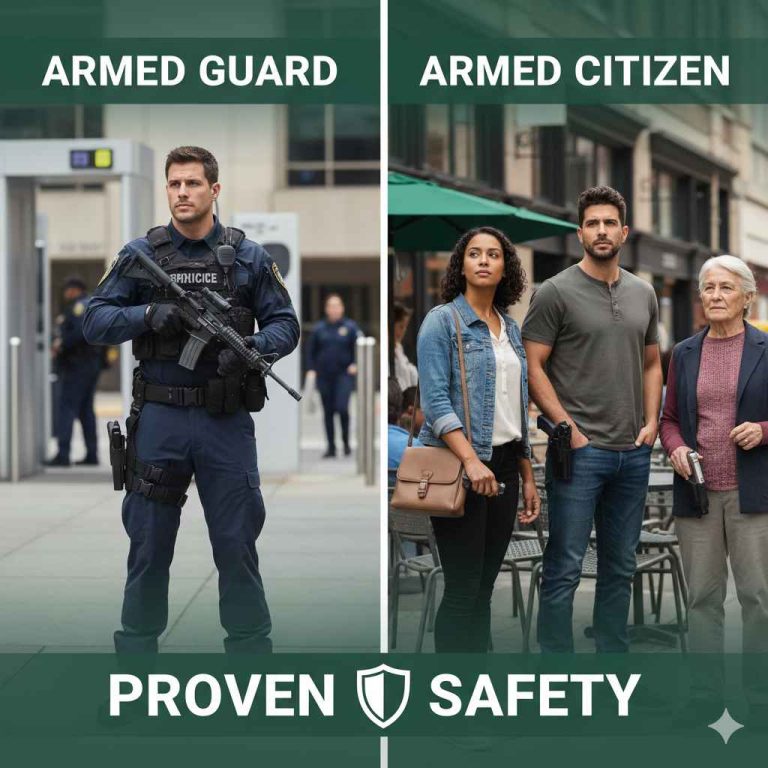
Armed Guard At Bank Vs UnArmed: Essential Showdown
Armed guard at bank vs unArmed: An armed guard offers superior immediate deterrence and response capabilities against serious threats, while an unarmed guard focuses on surveillance and deterrence, making the armed option generally preferred for maximum security against violent incidents.
Deciding between an armed or unarmed guard at a bank can feel confusing. You want your money and your community to be safe. This decision impacts everything from perceived security to actual response time during an emergency. It’s a common worry for bank managers and community members alike. Don’t worry; we will break down exactly what each role means. We will look at the pros and cons clearly, making the choice much simpler. Let’s explore the essential showdown between armed and unarmed protection.
Understanding Security Roles: Armed vs. Unarmed Guards
When you walk into a bank, you might see security personnel. Their presence is reassuring, but their training and gear can differ a lot. Think of it like choosing the right arrow for a target—the tool must fit the job!
Security guards fall broadly into two categories regarding armed status:
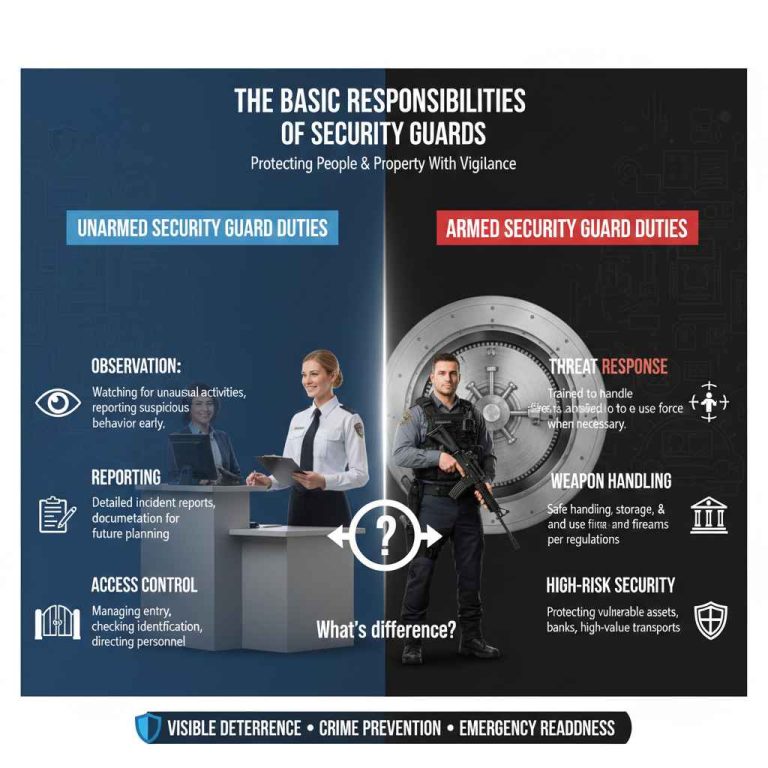
- Unarmed Guards: These professionals focus on observation, access control, customer service, and reporting suspicious activity. They rely on communication, presence, and established protocols.
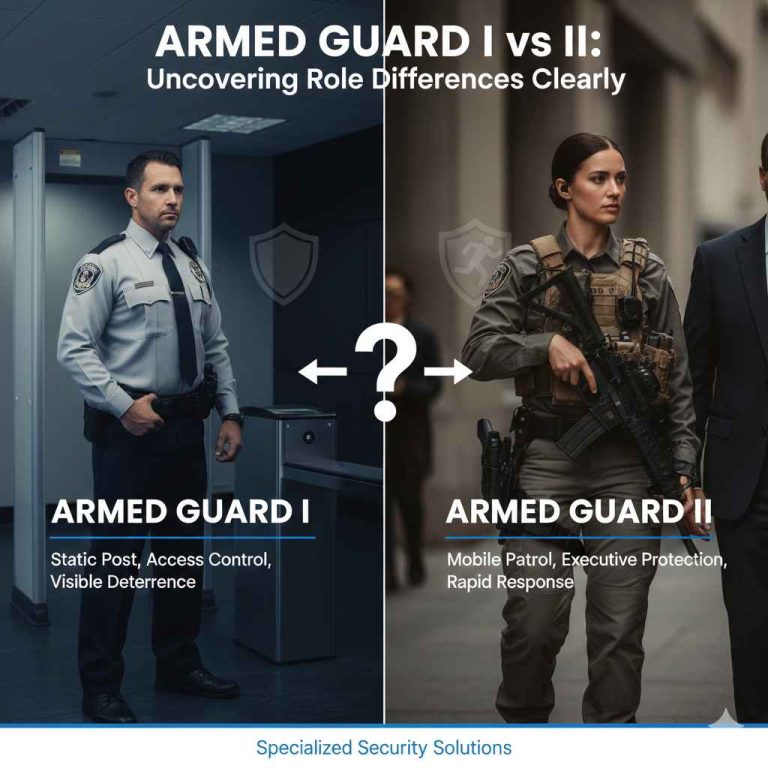
- Armed Guards: These guards have the same duties as unarmed guards but are also licensed, trained, and equipped to carry a firearm to use as a last resort against lethal threats.
The key difference isn’t just the presence of a weapon; it’s the entire scope of their authorized response capabilities, especially when facing armed robbery or active threats.

The Role of the Unarmed Bank Guard: Presence and Prevention
Unarmed guards are the frontline of visibility and routine security. Their job is largely preventative and observational. They are excellent at creating a general atmosphere of safety.
Primary Duties of Unarmed Guards
If you see an unarmed guard, they are likely focusing on these important tasks:
- Deterrence by Presence: Just being visible often stops petty crime or opportunistic theft. Criminals look for easy targets.
- Access Control: Checking IDs, monitoring who enters secure areas, and ensuring only authorized personnel pass.
- Observation and Reporting: Watching surveillance cameras, monitoring entry points, and promptly reporting anything unusual to management or local police.
- Customer Service: Guiding visitors and providing a friendly point of contact, which can sometimes diffuse minor conflicts before they escalate.
- Emergency Protocol Enforcement: Ensuring staff follow evacuation plans during fires or medical emergencies.
Pros and Cons of Unarmed Security
It’s helpful to weigh the benefits against the limitations.
| Pros (Unarmed) | Cons (Unarmed) |
|---|---|
| Lower operational cost for the bank. | Cannot physically stop an armed assault. |
| Less intimidating for the general public. | Response time depends entirely on external police arrival. |
| Focus remains on customer service and visibility. | Limited ability to contain high-level threats. |
The Role of the Armed Bank Guard: Immediate Response Capability
When a bank hires an armed guard, they are investing in the ability to immediately counter a violent, life-threatening situation. This is a significant step up in security measures.
Specialized Training and Legal Requirements
Carrying a firearm in a public, regulated environment like a bank involves strict legal adherence. Armed guards must meet stringent requirements that unarmed guards typically do not.
These requirements often include:
- Extensive background checks far exceeding standard hiring processes.
- Mandatory, regular firearm qualification courses (often monthly or quarterly).
- Certification in the legal use of force, de-escalation techniques, and first aid/CPR.
- Adherence to state and federal laws regarding concealed or open carry in financial institutions. (For example, the Bureau of Alcohol, Tobacco, Firearms and Explosives often has regulations concerning security details in financial buildings.)
Immediate Impact During a Crisis
In a robbery, seconds count. An armed guard provides an immediate, armed deterrent that can stop a robbery in progress faster than waiting for law enforcement to arrive.
Consider the difference in response:
- Deterrence: A visible firearm often causes criminals targeting the bank to immediately seek an easier target elsewhere before the crime even starts.
- Intervention: If a robbery begins, the armed guard is trained to neutralize the threat quickly, protecting staff and customers who are hiding or compliant.
- Containment: They can secure the scene after the threat is neutralized until local police take over command.
Pros and Cons of Armed Security
This level of protection comes with increased responsibility and cost.
| Pros (Armed) | Cons (Armed) |
|---|---|
| Ability to counter armed threats immediately. | Higher hiring and operational costs (training, insurance). |
| Strongest form of physical deterrence. | Increased perceived threat level for some customers. |
| Reduced response time during active violence. | Risk of accidental discharge or misuse of force requiring strict policy adherence. |
Armed Guard at Bank Vs UnArmed: The Critical Deciding Factors
When we put the two side-by-side, the decision often boils down to risk tolerance and the specific threat assessment of the bank’s location and operations. Banks are prime targets because they hold cash, making high-level protection necessary.
1. Threat Assessment and Location
A bank located in a high-crime area or one dealing with exceptionally large amounts of cash daily might strongly lean toward armed protection. Conversely, a small branch in a very low-crime suburban area might feel that an unarmed guard provides sufficient visual deterrence.
Security experts often use statistical models to determine necessary force levels. You can find publicly available risk assessment tools provided by safety organizations that help evaluate environmental factors.
2. De-escalation vs. Force
Unarmed guards are masters of de-escalation through conversation and procedure. They try to keep every situation non-violent.
Armed guards also train in de-escalation, but their primary purpose during a violent attack is stopping the violence immediately using the minimum necessary force. This is a key difference: the unarmed guard manages the situation; the armed guard can legally end a lethal threat.
3. Public Perception
Some customers feel safer seeing any security presence. Others may feel anxious entering a building where firearms are openly visible or implied. Banks must balance the need for safety against maintaining a welcoming atmosphere for community engagement.
4. Insurance and Liability
Having armed guards often requires higher liability insurance premiums for the bank because the potential for legal repercussions regarding the use of force, while necessary, is higher than with an unarmed presence.
Training Differences: Beyond the Basics
The training gap between these two roles is vast, especially concerning high-stress decision-making.
Unarmed Guard Training Focus:
- Customer service standards.
- Report writing and documentation.
- Basic first aid.
- Observational skills (spotting suspicious behavior).
- Understanding trespass laws.
Armed Guard Training Focus:
Armed guards cover all the unarmed topics, plus intense scenario-based training focusing on life-saving decision-making under extreme duress:
- Firearms Proficiency: Regular qualification scores must be maintained above required benchmarks.
- Tactical Response: How to move, communicate, and cover staff and customers during an active threat.
- Use of Force Continuum: Understanding precisely when verbal commands end and lethal force becomes legally justifiable. This is governed by strict legal standards.
- Scenario Simulation: Practicing responses to armed robbery, hostile takeovers, and barricaded subjects.
The psychological preparation for using deadly force is perhaps the most significant difference in training.
When Is an Armed Guard Absolutely Necessary?
While an unarmed guard is useful for many security needs, certain financial environments generally mandate armed security due to the inherent risks involved with handling large amounts of currency and serving high-net-worth clients.
Armed guards are often considered essential for:
- Vault Protection: Guarding areas containing large cash reserves or safe deposit boxes overnight.
- Cash-in-Transit Escorts: Any time large sums of money are moved between the branch and a courier service.
- High-Risk Locations: Banks in downtown areas or neighborhoods with documented increases in violent crime targeting financial institutions.
- ATMs and Depository Services: Protecting staff servicing exterior ATMs, especially during non-standard hours.
The goal of an armed guard is not to invite confrontation but to ensure that if confrontation comes, the armed response capability is present to protect lives immediately. It acts as the ultimate layer of defense.
Navigating Customer Comfort and Security Presence
A modern bank security plan must always balance safety with service. Customers should feel secure, not besieged.
Making Unarmed Presence Effective
If a bank chooses an unarmed route, the guard’s uniform and positioning are vital. A crisp, professional uniform makes the guard look official, boosting deterrence without displaying weaponry. Positioning near the main door or teller line maximizes visibility.
Managing Armed Presence Perception
When armed guards are used, clear communication is necessary. Often, the public knows that banks require high security. Banks must ensure their armed personnel are impeccably professional, interacting warmly when appropriate, so they are seen as protectors, not just enforcers.
Proper uniform standards and posture help convey control without aggression. Remember, the gun is the absolute last resort; the professional demeanor is the first line of defense.

FAQ: Quick Answers for Beginner Security Questions
Q1: Does having an unarmed guard prevent a robbery?
A: An unarmed guard acts as a strong visual deterrent against opportunistic or low-level crime, but they cannot physically stop an organized or armed robbery in progress.
Q2: Are armed guards always visible at banks?
A: Not always. Some banks employ plainclothes (undercover) armed guards, especially for specific tasks, though the most common setup involves a visibly uniformed, armed officer.
Q3: How often must armed guards practice shooting?
A: This varies widely by state law and the contract requirements, but typically, armed guards must qualify with their firearm every one to three months to maintain their commission.
Q4: Which option costs the bank more money?
A: An armed guard costs significantly more because of higher training costs, specialized insurance, and typically higher required wages due to the increased responsibility.
Q5: Can an unarmed guard physically stop a thief?
A: Yes, an unarmed guard can use physical restraint or defensive tactics if the situation is safe enough, but they are not authorized or trained to face down an armed assailant with force.
Q6: Is an unarmed guard better for customer service?
A: Many argue that an unarmed guard promotes a more relaxed customer experience because the visible presence of weapons can make some people uneasy about visiting the financial institution.
Conclusion: Choosing the Right Shield for Your Bank
The showdown between the armed guard at bank vs unArmed protection ultimately points toward the level of risk the institution is willing—and legally able—to manage. For most modern financial institutions dealing with potential threats of violence, the presence of a highly trained, armed guard provides the essential layer of immediate defense that an unarmed guard, however professional, simply cannot match when lives are on the line.
Unarmed guards excel at prevention, surveillance, and maintaining order during minor incidents. They are the eyes and ears of the branch. However, when a situation escalates to armed confrontation—the nightmare scenario for any bank—the armed professional transitions from being a deterrent to being the immediate line of defense, ready to intervene before law enforcement can arrive. The final choice rests on a careful balance of community perception, operational budget, and, most importantly, a thorough assessment of the potential threat environment.