
Are you passionate about archery and eager to choose the right bow for your next adventure? The debate between barebow and recurve bow can be as intense as a championship match.
Each has its own unique charm and benefits, but which one truly aligns with your style and needs? Imagine stepping onto the shooting range with confidence, knowing you’ve made the perfect choice. This article will guide you through the key differences, advantages, and potential drawbacks of each option.
By the end, you’ll have the clarity you need to elevate your archery skills and enjoy every shot. Ready to discover which bow suits you best? Let’s dive in!
Credit: www.worldarchery.sport
Barebow Basics
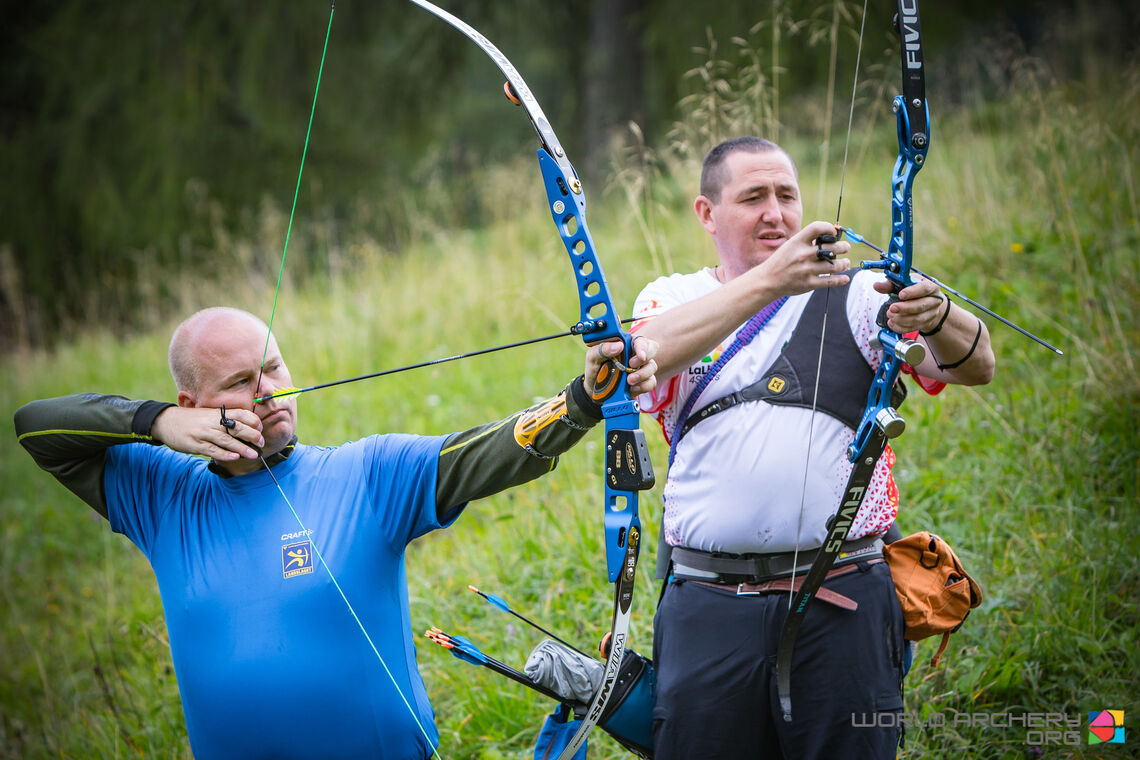
A barebow is simple and traditional. It does not have sights or stabilizers. This makes it harder to aim. Archers must rely on their own skills. The bow is lightweight and easy to carry.
Barebows are often used in field archery. They are also popular in traditional competitions. Bows come in different sizes and weights. This helps archers find a good fit.
Barebows are simple and easy to use. They are great for beginners. No extra gear means less to carry. This makes them great for hiking and camping. Barebows are also quiet. This is important for hunters.
But barebows can be hard to aim. No sights make it tricky. Accuracy depends on skill. This can be a challenge for new archers. Barebows also have less power than other bows. This limits their range.
Credit: www.archerybusiness.com
Recurve Bow Fundamentals
Barebow and recurve bows offer distinct experiences for archers. Barebow emphasizes simplicity, relying on skill without sight aids. Recurve bows offer more precision with added accessories like sights and stabilizers. Each style suits different preferences and skill levels in archery.
Design And Components
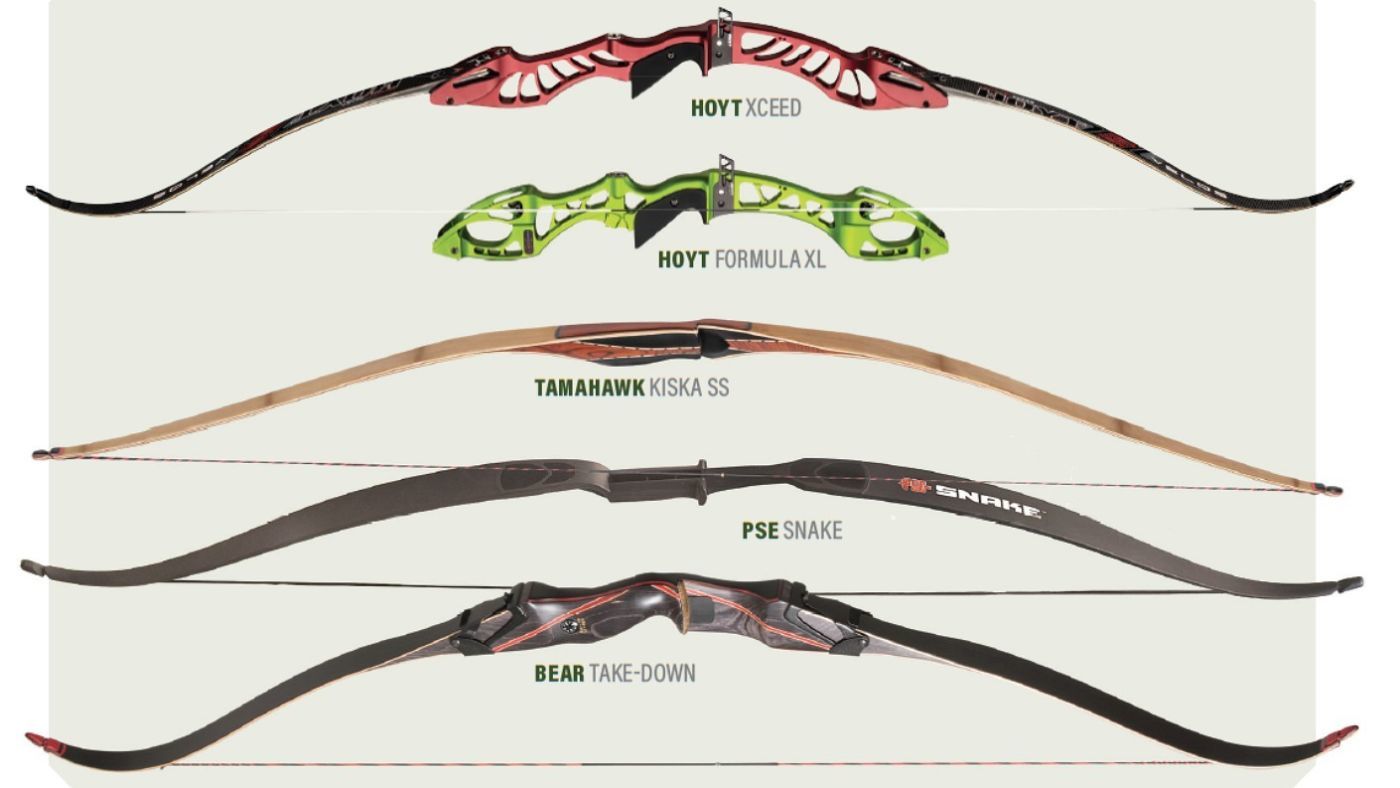
The recurve bow has a simple design. It includes a curved shape that helps the arrow go far. The bowstring is attached to the ends of the bow. There are three main parts: the riser, the limbs, and the string. The riser is the handle. Limbs are flexible and strong. The string connects both ends.
Advantages And Disadvantages
Recurve bows are easy to use for beginners. They are light and not too heavy. These bows are good for target practice. But, they need more strength to pull back. Not as powerful as some other bows. Arrows might not go as fast.
Comparing Barebow And Recurve
Barebow and recurve bows are popular for target shooting. The barebow is simple. It has no sights or stabilizers. You aim using instinct. This can be challenging. Accuracy depends on skill. The recurve bow uses sights and stabilizers. This helps with aiming. It can be more accurate. Archers often choose based on preference. Some like the challenge of a barebow. Others prefer the precision of a recurve.
Beginners find the recurve bow easier to learn. The sights help with aim. It offers more control. The barebow is harder to master. No sights make aiming tricky. Beginners might struggle with accuracy. Patience is key. Both bows need practice. Start with a recurve for easy learning. Then try a barebow for a challenge.
Choosing The Right Bow
Deciding between a barebow and a recurve bow depends on your archery style. Barebows offer simplicity and are great for beginners. Recurve bows provide more precision and power, making them ideal for competitive shooting.
Purpose And Skill Level
Picking a bow depends on what you want to do. Barebow is simple. No sights or gadgets. It’s good for those who like a challenge. It’s also great for beginners. They learn to aim with their eyes. Recurve bow has more features. It’s used in the Olympics. Good for those who want to compete. It’s easier to aim with a recurve. Skill level matters too. Beginners might find barebow fun. Advanced archers might like recurve for its precision. Think about what you need. Choose a bow that fits your style.
Popular Uses
Many archers love both barebow and recurve for target archery. The barebow is simple. It has no sights or gadgets. Archers rely on skill and focus. The recurve bow has more features. Sights help improve aim. Both bows are fun to use. Each has unique challenges. Many competitions include both types. Archers can choose which bow they like more.
Hunters use both barebow and recurve bows. Each bow has strengths. The barebow is light. Easy to carry in the forest. The recurve bow is more accurate. It often has sights for better aim. Both bows need practice. Animals are quick and smart. Hunters must be quiet and still. Choosing the right bow is important. Each hunter has a favorite. Many enjoy the challenge of hunting with a bow.
Cultural And Historical Context
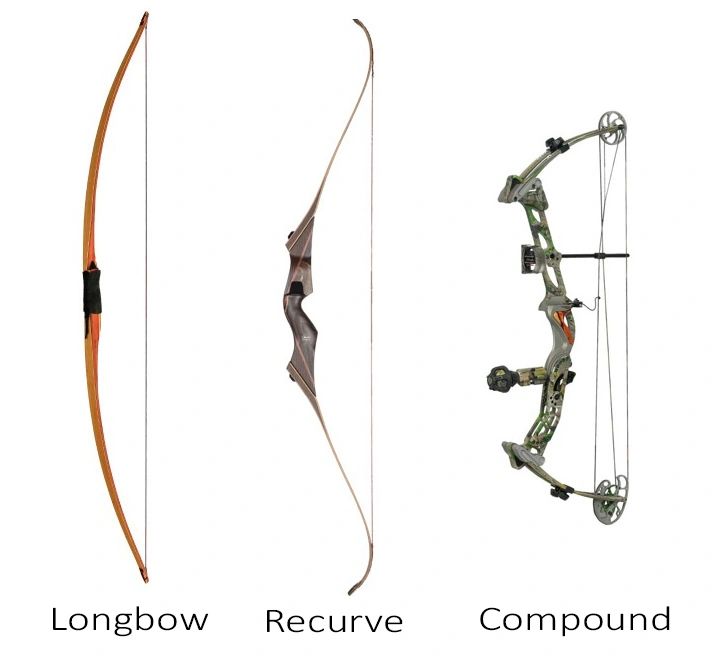
Barebow and recurve bows have deep roots in history. These bows have been used for hunting and warfare. Barebow archery is often seen in ancient cultures. It shows the skill of the archer. The recurve bow was famous in many civilizations, like the Mongols. This bow was used for its power and precision.
Barebow is popular in traditional archery. It is simple and has no sights. This makes it a favorite in many cultural events. The recurve bow is more modern. It is used in Olympic events and sports. These bows have their own unique appeal. People choose based on culture and personal style.
Future Trends In Archery
Barebow and recurve bows are gaining popularity in modern archery. Barebow offers a traditional experience with no sights. Recurve bows provide precision with advanced technology. Both styles attract archers eager to improve skills and embrace archery’s evolving trends. The choice depends on personal preference and archery goals.
Technological Innovations
Archery is seeing new technological innovations. Bows are now more advanced. Some bows have smart sensors. These sensors help archers aim better. Materials are also changing. New materials make bows lighter and stronger. This helps archers hold the bow longer. String technology has improved too. Strings are now more durable and flexible. This helps in accurate shooting. Archers can now use apps to track their performance. These apps show data like arrow speed and accuracy.
Shifts In Popularity
Archery is becoming more popular. Movies and TV shows have helped. More people are trying archery now. Barebow and recurve bow are both liked. Each has its own fans. Some like the simple design of the barebow. Others prefer the precision of the recurve bow. Competitions are also helping. They make archery exciting to watch. More schools are adding archery to their sports programs. This helps young people learn and enjoy the sport.
Credit: binghamarchery.co.uk
Frequently Asked Questions
What Is A Barebow Archery?
Barebow archery involves using a bow without sights or stabilizers. It focuses on instinctive shooting, relying on the archer’s skill. Barebow is popular for its simplicity and traditional approach, allowing archers to connect deeply with the art of archery.
How Does Recurve Bow Differ From Barebow?
Recurve bows use sights and stabilizers for accuracy and stability. They are designed for competitive archery and Olympic events. Barebows, however, emphasize skill and instinct, without added equipment, offering a traditional archery experience.
Which Bow Is Better For Beginners?
Barebows are great for beginners learning instinctive shooting. They teach basic skills and focus on technique. Recurve bows might be easier for those interested in competitive archery, with equipment aiding accuracy and precision.
Can Recurve Bows Be Used In Barebow Competitions?
Recurve bows can be used in barebow competitions by removing sights and stabilizers. This creates a level playing field, focusing on archer’s skill and technique. Many archers enjoy the challenge and simplicity of competing with recurve bows in barebow events.
Conclusion
Choosing between a barebow and a recurve bow can be tricky. Both offer unique experiences for archery lovers. Barebows provide simplicity and focus on skill. Recurve bows offer more precision and flexibility with accessories. Consider your goals and preferences. Do you enjoy a traditional feel?
Or do you prefer advanced features? Each bow type has its own charm. Try both to see what fits your style. Enjoy the journey of archery. Discover what brings you joy. Whether it’s the classic barebow or the modern recurve, happy shooting!