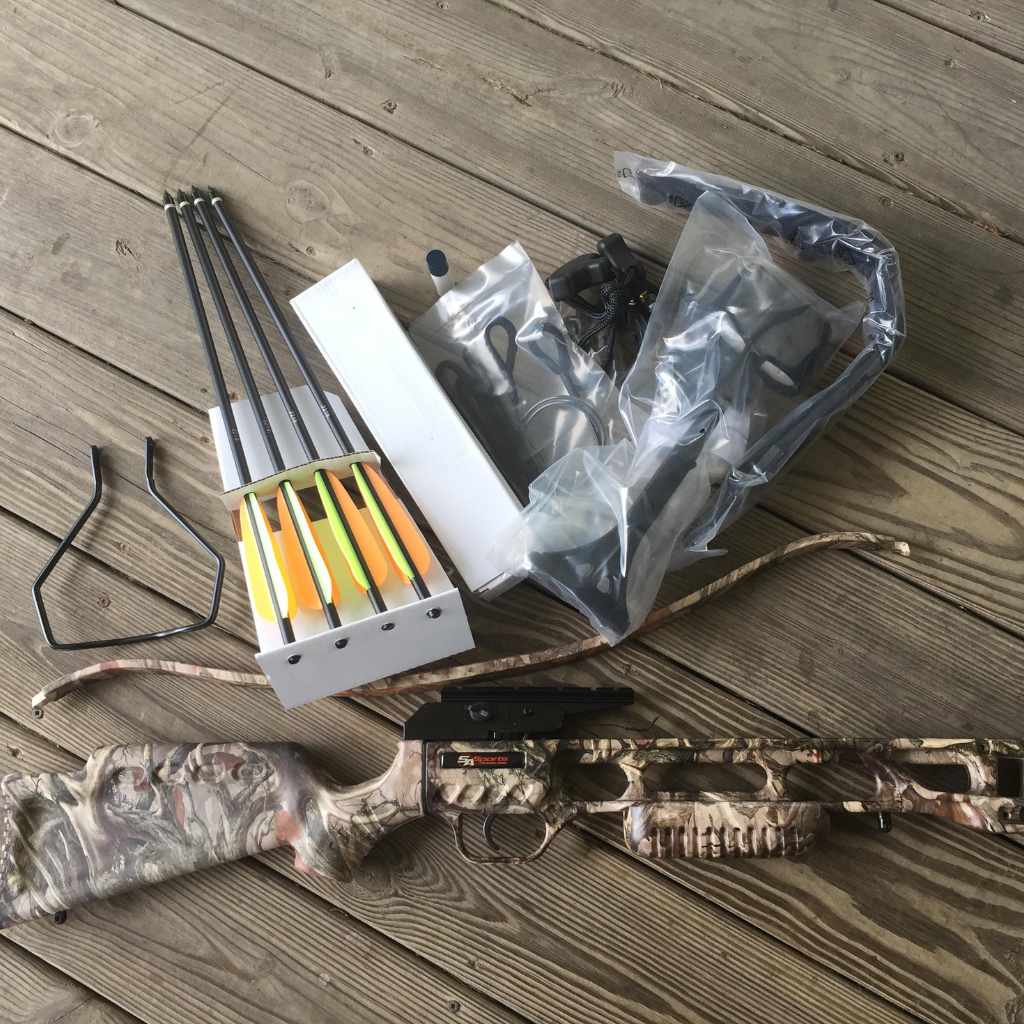
Choosing the right crossbow type is key for beginners. The main types – recurve, compound, and reverse-draw compound – each offer unique advantages in terms of power, size, and ease of use, making understanding these differences essential for a confident start in crossbow archery.
Welcome, aspiring archers! Are you looking to dive into the exciting world of crossbows but feel a bit lost with all the different options out there? It’s totally normal to be puzzled when you first start exploring. With so many terms like “recurve,” “compound,” and “reverse-draw,” it can feel like learning a new language. But don’t worry, I’m here to guide you through it, step by simple step. We’ll break down the different types of crossbows so you can make an informed choice. Get ready to feel confident and excited as we explore these amazing tools together!
Understanding Different Crossbow Types: Your Beginner’s Guide
As Salman Arfeen, your friendly guide to all things archery, I understand that starting out can feel like navigating a maze. When it comes to crossbows, the variety can be overwhelming. But fear not! My goal is to shed light on the essential differences between crossbow types, making your decision process clear and straightforward. We’ll focus on what matters most for beginners and hobbyists: ease of use, performance, and safety. Let’s unlock the secrets of crossbows together.
What Exactly is a Crossbow?
Before we dive into the different types, let’s quickly define what a crossbow is, in simple terms. Think of it as a transverse bow mounted on a frame. Unlike a traditional bow that you hold and draw with your body’s strength, a crossbow uses a mechanism to hold the drawn string, allowing you to aim and shoot with more stability and less physical strain after the initial draw. This makes it accessible and powerful for a wide range of users. It’s a fantastic way to enjoy archery, hunt, or compete.
The Three Main Crossbow Types
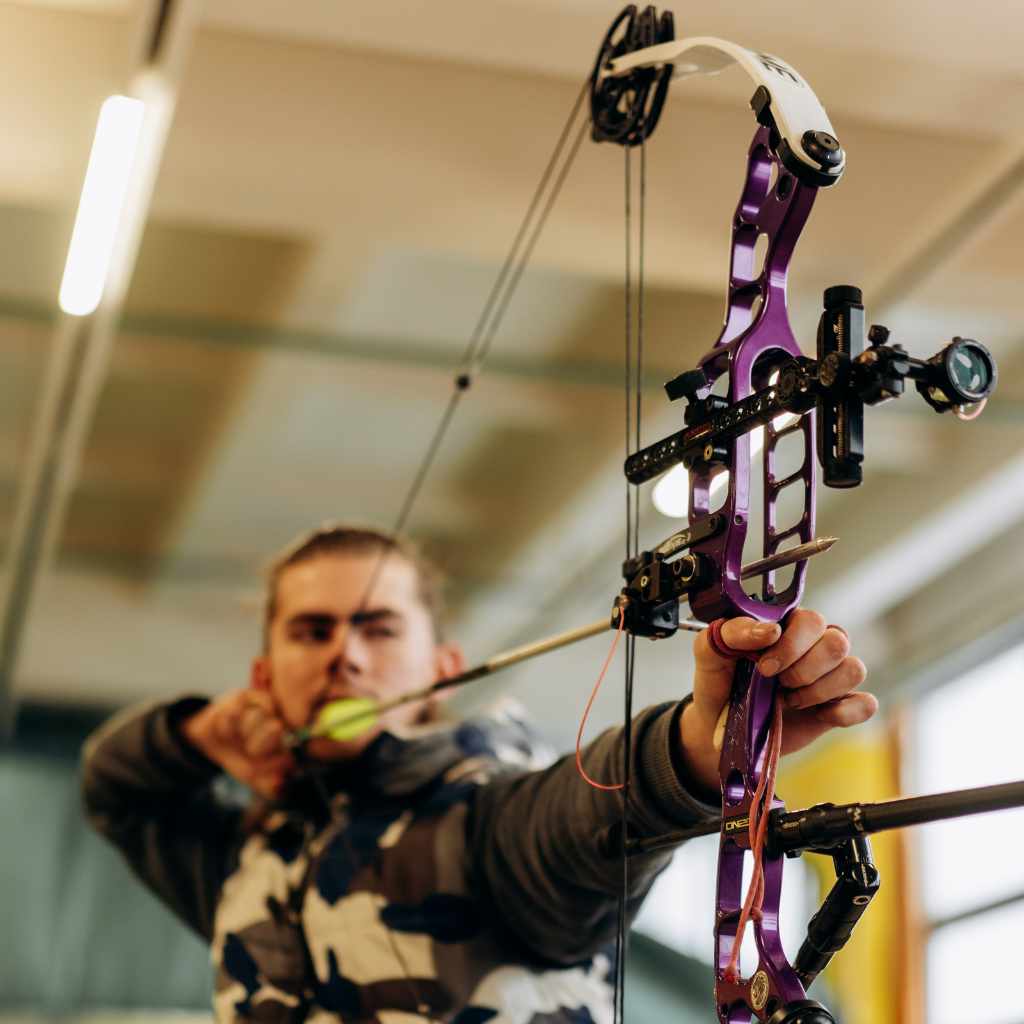
When you start looking at crossbows, you’ll quickly notice three primary categories: Recurve Crossbows, Compound Crossbows, and Reverse-Draw Compound Crossbows. Each has its own unique design and set of characteristics that make it suitable for different purposes and preferences. Let’s break them down.
1. Recurve Crossbows
The recurve crossbow is often considered the most traditional and simplest type. Its design is based on the ancient recurve bow, featuring two limbs that curve forward at the tips. The string attaches to the very ends of these limbs.
How they work: When you draw the string back, the limbs bend and store energy. The unique shape of the recurve limbs means they can store a lot of energy efficiently, resulting in good power. The simplicity of their design means there are fewer moving parts, making them generally reliable and easier to maintain.
Pros for Beginners:
- Simplicity: Fewer parts mean less to go wrong and easier maintenance.
- Durability: Generally robust and can withstand a good amount of use.
- Ease of Cocking: While still requiring effort, they can sometimes be easier to cock than early compound designs, especially with a cocking aid.
- Cost-effective: Often more affordable than compound models.
Cons:
- Size and Weight: Can be longer and bulkier, making them less maneuverable in tight spaces.
- Arrow Speed: Typically slower than compound crossbows of similar draw weight.
- Noise: Can be louder than compound crossbows due to the direct string-to-limb energy transfer.
Who is it best for? Recurve crossbows are a great starting point for those who appreciate simplicity, durability, and a more traditional feel. They are excellent for target practice and hunting in open areas where maneuverability isn’t a major concern.
2. Compound Crossbows
Compound crossbows are the modern workhorses of the archery world. They utilize a system of cables and cams (pulleys) at the ends of the limbs. This intricate system significantly changes how the crossbow draws and releases energy.
How they work: The cams are designed with different radii. As you draw the string, the cams rotate. This design allows for “let-off,” meaning that once you reach full draw, the cams reduce the holding weight considerably (often by 50-85%). This makes it much easier to hold the bow at full draw for extended periods while aiming.
Pros for Beginners:
- Easier Holding: The let-off feature makes holding the crossbow at full draw much more manageable.
- Higher Arrow Speeds: The cam system allows for more efficient energy transfer, resulting in faster arrow speeds and flatter trajectories.
- Accuracy: The stability provided by the let-off and often more compact design can contribute to improved accuracy.
- Quieter Operation: The cable and cam system often dampens vibrations, leading to a quieter shot.
Cons:
- Complexity: More moving parts mean more potential for wear and tear, and maintenance can be more involved.
- Cocking Effort: While holding weight is reduced, the initial cocking effort can be significant, often requiring either a rope cocker or a crank cocker.
- Cost: Generally more expensive than recurve models.
- Tuning: Can require more precise tuning of the cams and cables.
A great resource for understanding some of the physics behind archery equipment, including kinetic energy and arrow speed, can be found through university physics departments that often publish research or educational materials on biomechanics and projectile motion. For instance, you might find information on Physics of Archery or similar educational pages, which can offer deeper insights into how these systems work.
Cocking Aids for Compound Crossbows:
Because compound crossbows typically have higher draw weights and significant initial cocking forces, using a cocking aid is almost essential. The two most common types are:
- Rope Cocker: A simple pulley system that attaches to the string and provides mechanical advantage to help pull the string back. It’s lightweight and portable.
- Crank Cocker: A more robust system, often permanently attached to the stock, that uses a crank handle (like a winch) to draw the string. This offers the most mechanical advantage and requires the least physical effort, making it ideal for those with strength limitations or for repeated shooting.
Who is it best for? Compound crossbows are ideal for hunters who need speed and accuracy in various conditions, as well as for target shooters looking for precision and a more comfortable shooting experience after the draw. The let-off makes them a great choice for many individuals.
3. Reverse-Draw Compound Crossbows
Reverse-draw crossbows are a more advanced variation of the compound design. The key difference is the orientation of the limbs and cams. Instead of the cams being at the front of the limbs (towards the front of the crossbow), they are positioned at the rear, closer to the shooter.
How they work: This backward-facing cam system allows the limbs to flex in the opposite direction, creating a more balanced limb stroke. The string travels a longer distance on the power stroke, and the cams are positioned to maximize efficiency and speed. They still use the same let-off principle as standard compound crossbows.
Pros for Beginners:
- Exceptional Speed and Power: The design often allows for some of the highest arrow speeds available.
- Balance and Reduced Vibration: The reversed system can lead to more even weight distribution and less vibration during the shot, resulting in a smoother feel.
- Compact Design: Many reverse-draw crossbows are designed to be narrower axle-to-axle (when cocked), which can improve maneuverability.
- Quieter Shooting: Often very quiet due to efficient energy transfer and vibration damping.
Cons:
- Complexity and Maintenance: Even more complex than standard compound bows, requiring expert maintenance when adjustments are needed.
- Cost: Typically the most expensive type of crossbow.
- Cocking Effort: While they possess let-off, the initial cocking can still be substantial and always requires a cocking aid.
- Durability Concerns: Due to the advanced engineering and stress on components, they may be less forgiving of mishandling than simpler designs.
Who is it best for? Reverse-draw crossbows are generally for experienced archers or those who prioritize cutting-edge performance, speed, and a sophisticated shooting experience. They are less commonly recommended for absolute beginners due to their cost and complexity, but if you’re looking for top-tier performance and are willing to learn, they can be incredibly rewarding.
Comparing the Crossbow Types
To make it even easier to visualize the differences, let’s put the key characteristics side-by-side in a table. This will give you a quick reference point.
| Feature | Recurve Crossbow | Compound Crossbow | Reverse-Draw Compound Crossbow |
|---|---|---|---|
| Mechanism | Simple limbs bending | Cams and cables | Rear-mounted cams and cables, reversed limbs |
| Let-Off | None | Yes (50-85%) | Yes (often high let-off) |
| Arrow Speed | Moderate | High | Very High |
| Holding Weight | Full draw weight | Reduced holding weight | Reduced holding weight |
| Complexity | Low | Medium | High |
| Maintenance | Easy | Moderate | Difficult/Requires expert |
| Cost | Low to Medium | Medium to High | High |
| Maneuverability (Axle-to-Axle) | Generally Wider | Moderate to Narrow | Often Narrowest (when cocked) |
| Ease of Cocking | Manageable (easier with aid) | Difficult without aid; managed with aid | Difficult without aid; managed with aid |
Remember, these are general characteristics. Specific models within each category can vary widely. It’s always a good idea to check the specifications of any crossbow you are considering.
Other Important Crossbow Features to Consider
Beyond the basic type, several other features will influence your choice:
- Draw Weight: This is the amount of force required to draw the string back. For beginners, a lower draw weight (e.g., 150-170 lbs for a compound) is recommended. Higher draw weights mean more power but also more effort to cock the bow.
- Draw Length: This is the distance the string travels when the bow is fully drawn. It’s usually determined by the crossbow’s design rather than user adjustment, but it impacts arrow speed and power.
- Kinetic Energy (KE): Measured in foot-pounds (ft-lbs), KE indicates the impact force of the arrow when it hits the target. Higher KE means more energy transfer, which is important for hunting. For general target practice, moderate KE is sufficient. You can often find KE calculators online that use arrow weight and speed to estimate this value. The U.S. Fish and Wildlife Service sometimes provides information related to energy requirements for hunting, which can give context to KE values.
- Arrow Speed: Usually measured in feet per second (fps), higher speeds lead to flatter arrow trajectories and better long-range accuracy. However, extreme speeds aren’t always necessary for beginner enjoyment.
- Cockpit Width: This refers to the width of the crossbow from axle to axle. Narrower cocked widths are easier to maneuver in tight spaces like treestands or dense woods.
- Trigger Pull: A lighter, crisper trigger pull contributes to better accuracy.
- Safety Features: Look for anti-dry-fire mechanisms (preventing firing without an arrow) and ambidextrous safeties.
Safety First: Always a Priority!
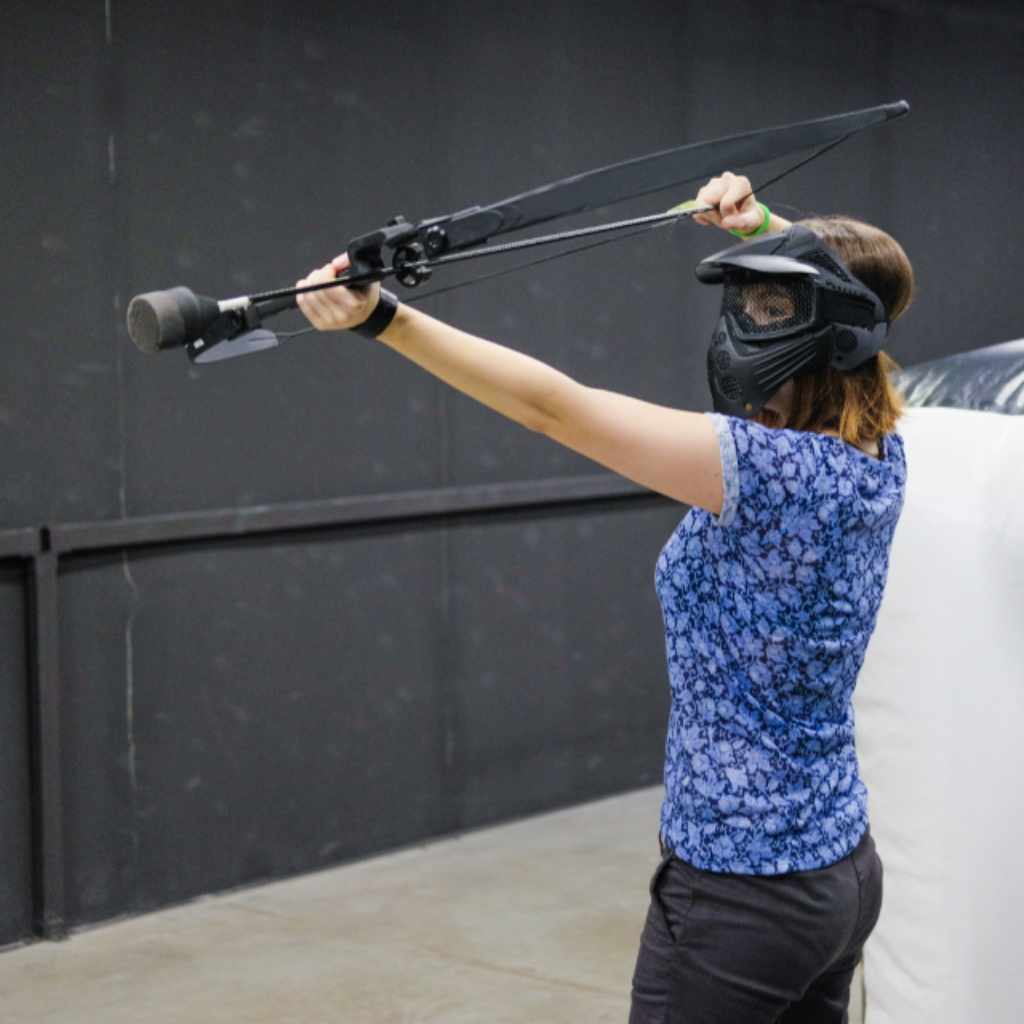
No matter which type of crossbow you choose, safety is paramount. Here are essential safety tips for beginners:
- Never dry-fire a crossbow: This means never firing it without an arrow properly nocked. It can severely damage the bow and be dangerous.
- Always use a cocking aid: As mentioned, for compound and reverse-draw crossbows, using a rope cocker or crank cocker is crucial for safety and to prevent injury.
- Ensure an arrow is nocked correctly: Make sure the arrow is seated properly on the string and against the rail.
- Treat every crossbow as if it were loaded.
- Keep fingers away from the string, cams, and trigger mechanism when cocking, loading, or firing.
- Use a sturdy target designed for crossbows for practice.
- Always be aware of your surroundings: Ensure no people or animals are in the line of fire or behind the target.
- Wear appropriate safety gear: An armguard and shooting gloves can be helpful, especially when learning to cock the bow. Some people also wear eye protection.
Understanding the mechanics and components of archery equipment can be fascinating. For those interested in the engineering behind it, resources like Science Learning Hub from the University of New Zealand often have excellent, simplified explanations of physics principles applied to everyday objects and activities, including archery.
Frequently Asked Questions (FAQ)
Q1: Which type of crossbow is easiest for a beginner to use?
For absolute beginners, a simple recurve crossbow might seem easiest due to its straightforward design. However, modern compound crossbows with a good cocking aid (like a crank cocker) and a high let-off percentage are often considered easier to manage in the long run because holding them at full draw is much less strenuous, allowing for more focus on aiming and shooting.
Q2: Do recurve crossbows have “let-off”?
No, recurve crossbows do not have let-off. The limbs bend directly to hold the string back, so you must hold the full draw weight of the bow when it is cocked.
Q3: What is the recommended draw weight for a beginner?
For a beginner using a compound crossbow, a draw weight that results in a holding weight of around 25-35 lbs after let-off is often ideal. This usually translates to a peak draw weight of 150-175 lbs. For recurve crossbows, which require holding the full weight, a slightly lower draw weight (around 120-150 lbs) might be more manageable.
Q4: How often do I need to maintain my crossbow?
Maintenance depends on the type and usage. Recurve crossbows require minimal maintenance, mostly just ensuring the string is in good condition. Compound and reverse-draw crossbows need more regular checks of the cables, cams, and strings for wear. It’s recommended to have compound crossbows inspected by a professional archer or technician at least once a year, or more often if you shoot frequently or notice any issues.
Q5: Can I hunt with any of these crossbow types?
Yes, all three types can be used for hunting, provided they meet the minimum power requirements set by local hunting regulations. Compound and reverse-draw crossbows, with their higher speeds and kinetic energy, are often preferred for hunting larger game. Always check your local wildlife agency’s regulations regarding legal draw weights, arrow energy, and allowed archery equipment for hunting.
Q6: Is it difficult to reload a crossbow?
Reloading, or cocking, a crossbow can be physically demanding, especially compound and reverse-draw models. This is why cocking aids like rope cockers or crank cockers are not just helpful but essential for most users. They significantly reduce the physical effort required to draw the string back, making reloading manageable and safe.