Do Chest Protector Shirts Work Baseball? Essential Guide
Chest protector shirts in baseball are highly effective for absorbing impact from batted or thrown balls, offering essential protection for young players and catchers. They reduce bruising and serious injury risk by distributing force across a padded area, making them a worthwhile investment for safety and confidence on the field.
Welcome to the field! If you’ve been wondering about those padded shirts athletes wear, you’re asking a great question. Seeing a baseball fly off a bat or a pitcher’s throw heading toward a player can be scary. You want your player, or yourself, to be safe without feeling bulky or slow. It is completely normal to feel unsure about whether these specialized shirts actually help.
The good news is that modern protective gear is designed to keep you safe while letting you move freely. We are going to break down exactly what chest protector shirts do, who needs them most, and how to pick the best one for the game. Think of this as your friendly, step-by-step guide to confident protection on the diamond. Let’s dive in and see how these shirts can boost safety and fun!
What Exactly is a Baseball Chest Protector Shirt?
A baseball chest protector shirt isn’t just a regular undershirt with some padding sewn in. It’s engineered sports equipment designed specifically to absorb and disperse the force of impact. Imagine it as a lightweight, flexible second skin that carries impact protection right where you need it most—your ribs, sternum, and sometimes the sides of your torso.
Understanding the Technology: Foam vs. Hard Plastic
When we talk about protection, we usually look at two main materials used in these shirts:
- High-Density Foam: This is the most common material in true compression-style protector shirts. It uses specialized foams that are soft and flexible until an impact occurs. When struck, the foam instantly stiffens (or compresses), absorbing the energy before it reaches your body. Think of it like a really high-tech memory foam mattress.
- Molded Inserts: Some higher-end or hybrid shirts might incorporate small, hard plastic or carbon fiber panels embedded within the foam layer, especially over the sternum or ribs. These are designed to spread a very sharp impact over a wider area, preventing puncture or extreme localized trauma.
The Difference Between Catcher’s Gear and Protective Shirts
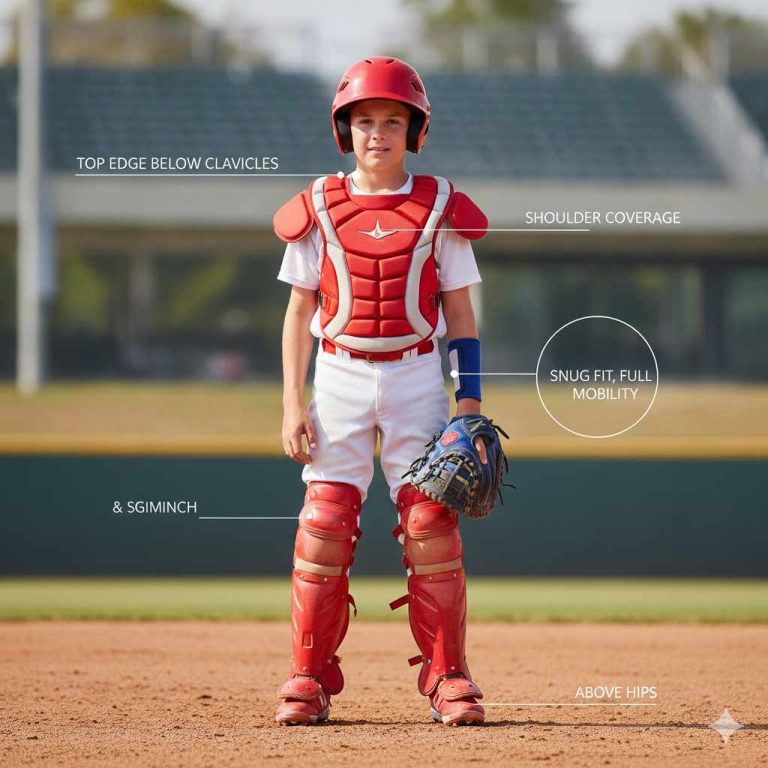
It is important not to confuse these shirts with traditional catcher’s gear. Catcher’s gear is bulky, rigid, and designed for maximum, sustained protection against foul tips and high-speed pitches coming directly toward the chest. Protective shirts are:
- Lighter weight.
- More flexible and form-fitting.
- Intended for general field players or relief pitchers needing low-profile protection against accidental hits.

Do Chest Protector Shirts Really Work Baseball? The Proof
To answer the core question directly: Yes, they absolutely work. Their effectiveness comes down to physics and design. They don’t eliminate the feeling of being hit, but they significantly reduce the force transferred to your body’s sensitive areas.
How Impact Absorption Works
When a baseball hits you, that energy needs somewhere to go. Without protection, that energy transfers directly to your ribs, potentially causing bruising, cracking, or more severe internal injuries. A quality protective shirt works in two ways:
- Dispersion: The padding spreads the force of the small ball over a much larger surface area of the shirt.
- Deceleration: The specialized foam slows down the speed at which the impact hits your body, reducing the peak force felt at any single point.
According to studies on impact protection in sports, even a small increase in material thickness and density can drastically reduce the measured force transmitted to the body, which is crucial for preventing contusions (bruises) that can sideline a player. You can find more about general sports safety standards and impact testing on sites like the National Institute of Standards and Technology (NIST), which often sets standards for impact-related protective equipment testing.
Real-World Scenarios Where They Shine
While a pitcher might wear one every time, these shirts offer vital protection in specific, often unexpected moments:
- Batted Balls Off the Mound: The most common reason for a pitcher to wear one. A hard-hit line drive can reach a pitcher incredibly fast.
- Infielders and Baseline Collisions: Sliding runners or wild throws can sometimes strike an infielder in the ribs or side.
- Catchers in Training: Young catchers learning to frame pitches often wear these under their chest protectors for an extra layer of padding against foul tips they might miss.
- Batters Taking Practice Swings: While most protection is worn while batting, sometimes players want light protection during warm-ups or light fielding drills.
Who Benefits Most from Wearing a Chest Protector Shirt?
Not every player needs one, but for certain positions and age groups, they move from “nice-to-have” to “essential.”
The Pitcher: Frontline Defense
The pitcher faces the highest risk of being hit by a batted ball directly after the release. A line drive hit back up the middle can be traveling 90–100+ mph. Even a fraction of a second slower reaction time means the ball finds the pitcher.
Key Benefit for Pitchers: Confidence. Knowing they have a layer of protection allows pitchers to focus purely on their mechanics rather than subconsciously flinching away from the plate.
The Catcher: Added Comfort and Safety
While catchers wear heavy chest protectors, these shirts serve a fantastic secondary purpose. They wick sweat away, provide a barrier against rubbing from the hard gear, and offer protection during drills where the full chest protector might be too cumbersome (like agility drills or light fielding practice).
Youth Baseball Players (T-Ball through 12U)
Younger players often have less developed reactions and sometimes less consistent mechanics. A slight miscue in fielding or a weak hit can easily strike a young player in the chest or side, causing significant pain or fear that lasts for weeks. For parents, the peace of mind these shirts offer is invaluable.
Table 1: Player Position vs. Protection Necessity
| Position | Primary Risk Addressed | Recommended Level of Padding |
|---|---|---|
| Pitcher | Line drives back up the middle | Moderate to High (Especially sternum/ribs) |
| Catcher (Practice/Drills) | Foul tips missed by gear, general knocks | Light to Moderate (Comfort layer) |
| Infielders | Wild throws, line drives hit right at them | Light (Focus on mobility) |
| Youth Players (All Positions) | Lower reaction speed, fear reduction | Moderate (Prioritize coverage) |
Choosing the Right Baseball Chest Protector Shirt: A Beginner’s Guide
Buying protective gear can feel overwhelming. We want maximum protection, but we absolutely do not want something that restricts our throwing motion or makes us overheat. Here is how to choose wisely, focusing on fit, material, and coverage.
Step 1: Determine the Coverage Area
Where do you need protection the most? Most shirts cover the sternum (center of the chest) and the upper ribs. Some offer protection along the sides (flanks) or back.
- Standard Coverage: Focuses on the sternum and clavicle area. Ideal for general players.
- Maximum Coverage: Includes side padding that wraps around the rib cage. This is usually better for pitchers who have a larger surface area exposed when they follow through.
Step 2: Focus on Fit and Comfort (Don’t Size Up!)
This is the most critical step. A protective shirt that is too loose will shift during play, meaning the padding won’t align with your body when you get hit. A shirt that is too tight will restrict breathing and movement.
Actionable Tip: Always buy the size you normally wear in a compression shirt, or size down only if the manufacturer specifically recommends it. The padding should sit snugly against your body.
Step 3: Evaluate the Material and Breathability
Baseball is played in the heat. If your shirt traps sweat, you won’t wear it. Look for materials that advertise moisture-wicking technology (like polyester/spandex blends). Better ventilation means you stay cooler, which helps you play longer and more comfortably.
High-quality shirts often feature mesh panels in high-sweat areas (like the back or armpits) to improve airflow.
Step 4: Check for Durability and Washability
These shirts will take a beating from sweat, turf burns, and sliding. Ensure the stitching is robust, especially where the padding interfaces with the fabric. Can it be machine washed? Most modern ones can, but always check the care tag. Frequent washing is necessary for hygiene!
Table 2: Key Features to Compare When Buying
| Feature | Beginner Priority | Why It Matters |
|---|---|---|
| Padding Material | Foam Density | Determines how much impact is absorbed before injury. |
| Flexibility | High | Must not restrict the throwing or batting motion. |
| Ventilation | Medium | Keeps the player cool during long games or practices. |
| Padding Removal | Optional, but useful | Allows for easier washing or replacement of worn pads. |
The Psychological Edge: Safety Builds Confidence
One of the biggest, yet often overlooked, benefits of wearing protective gear is the mental boost it provides. Archery teaches us this well: if you are worried about hurting yourself, you tense up, and tension ruins your shot. Baseball is no different.
Reducing the Flinch Response
When a young player sees a hard-hit ball coming their way, the natural, immediate response is to flinch, tense up, or turn away. This ‘flinch response’ does two negative things:
- It takes their eyes off the ball, ruining their ability to catch or field it cleanly.
- It tightens their muscles, which can negatively affect their performance in fielding or throwing mechanics.
Wearing a comfortable chest protector removes a layer of anxiety. The player knows that if the worst happens, they have a cushion. This allows them to stay focused, keep their eyes on the ball, and maintain fluid, relaxed movements.
Encouraging Aggressive Play
Confidence breeds aggression—the good kind! A pitcher who isn’t worried about their follow-through being too slow because they are bracing for a line drive is more likely to attack the zone. An infielder might feel more comfortable charging a hard ground ball if they know their ribs are shielded.
Maintenance and Care for Your Protective Shirt
To ensure your shirt continues to work effectively season after season, proper care is essential. Damaged padding or degraded fabric equals reduced protection.
Cleaning the Shirt Safely
Since these shirts are worn directly against the skin and absorb sweat, cleaning them after every use is vital for hygiene and material longevity.
- Check for Removable Pads: If the pads are removable, take them out first. This allows you to wash the fabric shell separately and inspect the pads for cracks or excessive wear.
- Use Cold Water: Always wash the shirt on a gentle cycle using cold water. Hot water can break down the specialized polymers in the protective foam, reducing its shock-absorbing properties.
- Mild Detergent Only: Avoid harsh chemicals or fabric softeners. Fabric softeners can sometimes leave a residue that compromises the moisture-wicking capabilities of technical fabrics.
- Air Dry is Best: Never put protective gear in the dryer. The high heat can melt or degrade the protective foam instantly. Always hang the shirt to air dry completely.
When to Replace Your Gear
Protective gear is not forever gear. It has a finite lifespan, especially after it sustains a significant impact.
- Visible Cracks: If you remove the padding and see cracks or chunks missing from the foam, it must be replaced immediately. The structural integrity is compromised.
- Loss of Shape: If the foam no longer springs back after being compressed, or if the shirt seems permanently stretched out, it’s time for a new one.
- Fabric Wear: Thinning fabric or holes in high-abrasion areas mean the shirt can no longer hold the pads correctly.

Frequently Asked Questions (FAQ) About Baseball Chest Protector Shirts
Q1: Are chest protector shirts required by baseball leagues?
A: Generally, no. Chest protector shirts are considered optional protective equipment, unlike batting helmets. However, youth leagues or specific coaching associations might recommend or mandate them for pitchers due to safety concerns regarding batted balls.
Q2: Can I wear a football or hockey padded shirt instead?
A: While they offer padding, baseball shirts are better suited. Football/hockey gear is often much bulkier, designed for collisions rather than sharp, fast impacts from a ball. Baseball shirts are specifically designed for a low profile that doesn’t interfere with the throwing motion.
Q3: Will a padded shirt affect my pitching velocity?
A: If the shirt fits correctly (snugly), it should have minimal to no effect on velocity. If it is too large or baggy, it could create drag or restrict shoulder movement, but a well-fitted shirt is virtually unnoticeable once you start warming up.
Q4: Do I need one if I only play first base?
A: First base is generally lower risk than the mound, but they are still beneficial. If you are prone to balls being thrown wild into your side while you stretch for a pick-off, a light, side-padded shirt can save you a painful bruise.
Q5: Are these shirts hot to wear under a jersey?
A: They can be warmer than a standard undershirt, as you are adding a layer. However, modern materials are highly breathable. Look for brands that use substantial mesh paneling on the back to help manage heat and sweat effectively.
Q6: How much protection should I expect from a compression-style shirt?
A: Expect significant reduction in bruising and minor impact pain. They are excellent at mitigating the force of a direct hit from a line drive. They are not replacements for full catcher’s gear or hard-shell chest protectors in high-impact situations like full-speed pitching practice.
Conclusion
Yes, chest protector shirts do work in baseball. They absorb and spread out impact from batted or thrown balls, reducing bruises and lowering injury risk.
They’re especially helpful for pitchers and youth players, providing both physical protection and added confidence. While not a replacement for full catcher’s gear, they’re a smart, lightweight safety upgrade for many players.