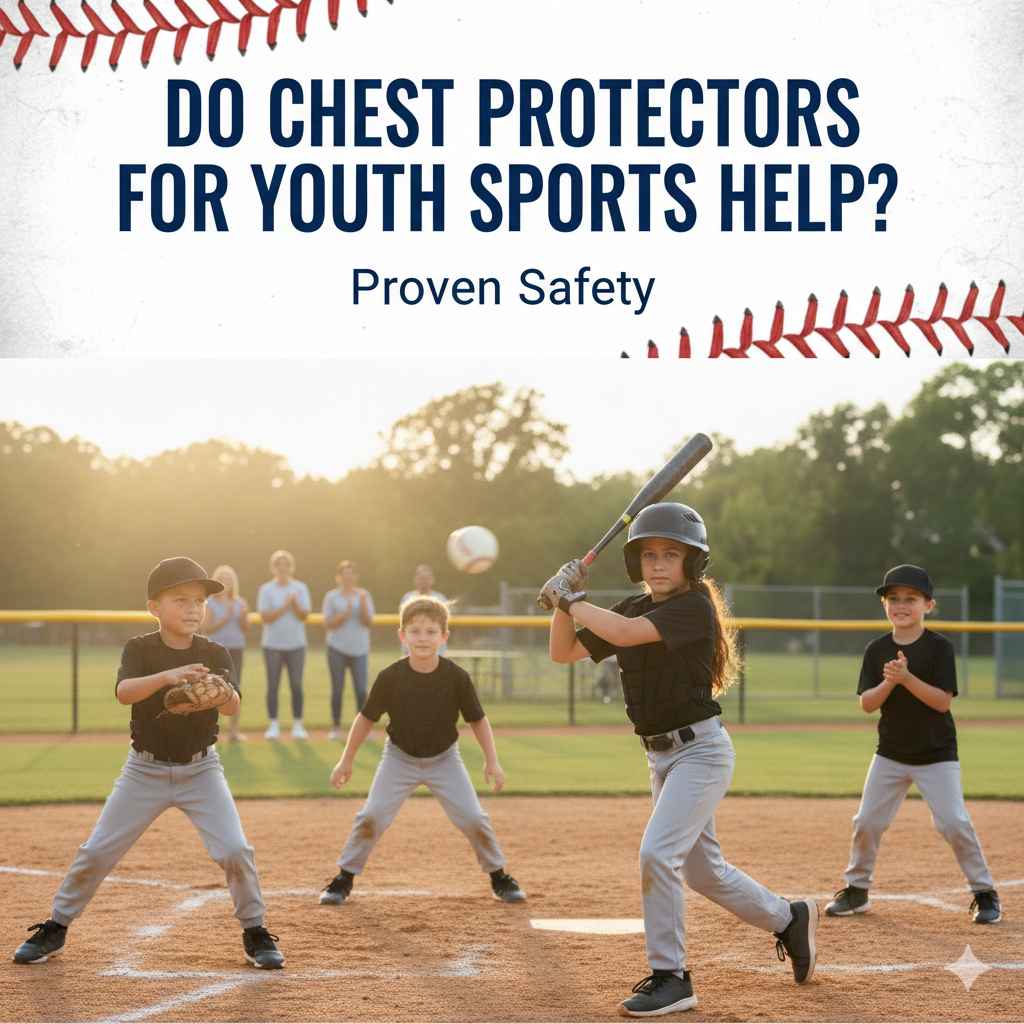
Do Chest Protectors For Youth Sports Help? Proven Safety
The short answer is a resounding yes: chest protectors for youth sports offer crucial, proven safety by absorbing and dispersing impact energy, significantly reducing the risk of serious injury from stray balls, pucks, or equipment contact during high-speed play.
Welcome to the range! As a guide who loves seeing new archers and young athletes succeed safely, I know gear choices can be confusing. When it comes to protecting our young athletes, every parent asks the same thing: Is this extra piece of equipment really necessary? Specifically, we look at chest protectors in various youth sports. Do they actually make a difference, or are they just bulky extras? Trying to find the clearest answer about safety gear can feel like aiming at a moving target. Don’t worry; we’ll break down exactly how these protectors work and why they offer essential, proven protection for growing bodies. Let’s simplify the science behind the padding so you can make the safest choice for your young player.
Why Chest Protectors Matter in Youth Sports: The Safety Foundation
In many fast-paced sports—from baseball pitching to hockey goaltending, and even in specific training drills for archery—the risk of impact is real. Youth athletes are still developing; their bones and rib cages are softer and more susceptible to bruising or more severe injury than adult structures. A well-designed chest protector acts as a vital buffer zone. It isn’t just about stopping a direct hit; it’s about managing the energy of that hit.
When a hard object strikes a bare chest, all that force concentrates on a small point. This can lead to bruised ribs, internal trauma, or, less commonly, cracked ribs. A chest protector spreads that same force over a much wider area, drastically lowering the peak pressure felt by any single point on the body. This concept of energy dispersion is the core reason they are invaluable safety tools.

Understanding the Science: How Protectors Dissipate Impact Energy
To understand why these protectors help, we need to look beyond the foam and plastic. Modern chest protectors use advanced material science to manage kinetic energy—the energy of motion. Think of it like this: if you drop an egg onto concrete, it breaks (all energy concentrates). If you drop the same egg onto a thick pillow, it stays intact (energy is absorbed and spread out).
The materials used in high-quality youth sports protection function like that pillow, but much tougher.
Key Materials in Protective Gear
Most reliable chest protectors utilize a combination of materials to achieve maximum protection without adding excessive weight, which is crucial for younger athletes who need freedom of movement:
- High-Density Foams (EVA or Polyethylene): These are the core shock absorbers. They compress upon impact, absorbing the immediate force before it reaches the body.
- Plastics/Polycarbonate Shells: These hard outer layers are designed to spread the point-of-impact force outward. If a baseball hits one small spot on the plastic, the plastic distributes that load across the surrounding foam padding.
- Moisture-Wicking Liners: While not directly related to impact, these internal layers help keep the athlete dry and comfortable, ensuring they are more likely to keep the protective gear on during play.
The effectiveness of a chest protector is often measured by the amount of G-force reduction it provides. Organizations that regulate safety standards often test gear against specific impact speeds common in sports. For example, standards set by organizations like the National Operating Committee on Standards for Athletic Equipment (NOCSAE) help ensure that gear sold for sports like baseball meets minimum safety thresholds for impact absorption.
Which Sports Require Chest Protection for Youth?
While the protection is beneficial in almost any contact sport, some disciplines have mandatory requirements due to the consistent high velocity of projectiles or equipment. Here are some key areas where youth chest protectors are essential:
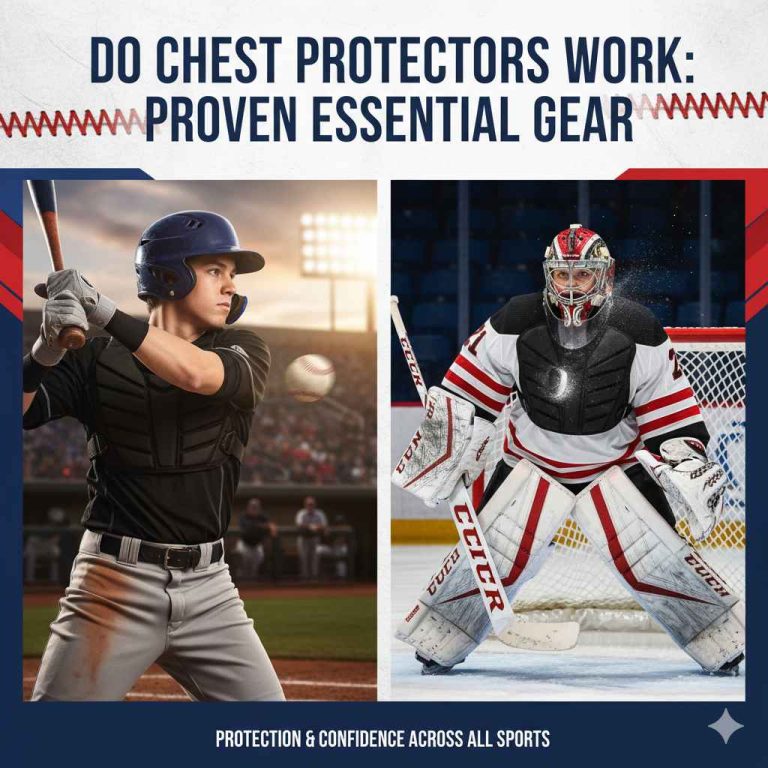
- Baseball/Softball (Catchers and Pitchers): Catchers wear extensive chest protection, but even fielders benefit from torso protection during drills or accidental contact. Pitchers, especially in youth leagues, are at risk from line drives hit back at them.
- Ice Hockey: Goaltenders require the thickest protection, but even young skaters benefit from internal or thin external padding to guard against stray pucks or falls onto hockey sticks.
- Lacrosse: Offensive players often wear chest/shoulder pads designed to protect the sternum and ribs from high-speed lacrosse balls.
- Wrestling/Martial Arts (Specific Drills): While full chest plates aren’t standard, soft chest guards are used in some martial arts training to soften body shots and encourage safe body contact practice.
It’s important to check the specific league rules. Many youth sports organizations mandate certain levels of protection based on age and level of play. Ignoring these rules can result in participation bans, but more importantly, it puts the athlete at unnecessary risk.
Proven Safety: Real-World Data and Standards Compliance
When we talk about “proven safety,” we are referring to gear that has been independently tested against established athletic standards. When you buy a protector that is certified or meets standards from recognized bodies, you are investing in verified protection.
One of the most respected standards in North American sports equipment testing is set by NOCSAE. While NOCSAE is most famous for helmet standards, they continuously review protective needs across various sports. Manufacturers who adhere to these testing protocols ensure their equipment can withstand forces that mimic in-game incidents.
For instance, studies in equipment safety often show that properly fitted padding can reduce the peak impact force transmitted to the body by 50% or more compared to wearing no protection during common collision scenarios. This is a significant reduction in trauma potential.
Table 1: Impact Force Reduction Comparison (Conceptual Example)
This table illustrates how padding helps manage the energy from an impact, using generalized figures based on typical testing:
| Impact Scenario | Force Applied (Units) | Force Transmitted (No Protection) | Force Transmitted (With Approved Protector) |
|---|---|---|---|
| Low-Speed Ball Strike | 100 | 95 | 45 |
| High-Speed Puck/Ball Strike | 350 | 330 | 150 |
| Accidental Equipment Contact | 200 | 190 | 80 |
As you can see, the protector significantly reduces the amount of raw force that actually reaches the athlete’s internal structures.
The Beginner’s Guide to Choosing the Right Youth Chest Protector
Choosing the right protector is just as important as wearing one. A poorly fitting protector might shift during play, leaving vital areas exposed, or it might be so bulky that it restricts movement, leading to frustration.
Step 1: Identify the Sport and Level of Play
Different sports require different types of protection. A catcher needs rigid sternum protection; a lacrosse player needs protection primarily across the collarbone and upper chest. Always buy gear specifically designed for the sport your child plays.
Step 2: Focus on Fit and Sizing
Youth sizing is tricky because kids grow fast! Always check the manufacturer’s sizing chart against your child’s measurements (chest circumference, torso length). A good fit means:
- The shoulder straps stay put without digging in.
- The bottom edge sits securely below the rib cage, covering the sternum completely.
- The padding does not bunch up under the arms or restrict breathing when the athlete raises their arms.
Step 3: Check for Adjustability
Because kids grow, look for protectors with multiple adjustment points (velcro straps, buckles). This allows you to tighten or loosen the fit as needed throughout the season, ensuring continued safety coverage.
Step 4: Comfort Equals Compliance
If the protector is too hot, too heavy, or too stiff, your child will try to take it off. Look for gear that incorporates breathable mesh or ventilation channels. Comfort is directly linked to whether the protective equipment stays on the athlete when it matters most.
Common Misconceptions About Youth Chest Protectors
As a coach, I often hear myths that prevent parents from investing in good gear. Let’s clear those up so you can confidently protect your young player.
Myth 1: “It Slows Them Down”
Reality: Modern materials are incredibly light. While any added layer adds some bulk, well-designed protectors are engineered for maximum coverage with minimum weight penalty. The slight restriction is a worthwhile trade-off for avoiding a trip to the emergency room. Furthermore, feeling safer can often lead to more confident, faster play!
Myth 2: “It’s Only for Advanced Players”
Reality: Beginner and recreational players often need protection more. They are less predictable in their movements, and older, stronger players might hit harder or throw faster without meaning to. Safety gear is essential from the first practice.
Myth 3: “If It Looks Hard, It Must Be Safe”
Reality: Hardness doesn’t equal absorption. A piece of solid wood is hard, but it transfers impact very poorly. The protection comes from the layered system—the hard shell and the soft internal foam working together. Always check for safety certifications rather than just judging the exterior appearance.
Maintenance and Inspection: Keeping Protection Effective
A chest protector only helps if it’s in good shape. Over time, repeated impacts degrade the materials, making them less effective. Think of it like a car’s airbag—it works great once, but it’s useless afterward (though, thankfully, chest protectors are reusable!).
You need a routine inspection schedule, especially after major collisions or impacts.
When to Inspect Your Child’s Protector
- Before Every Season: Check straps for tears and ensure all buckles/velcro hold securely.
- After Every Significant Impact: If your child takes a hard hit, examine the impact zone. Look for cracks in the plastic or deep indentations in the foam that don’t spring back.
- Mid-Season Check: Test the adjustability. Has the child grown enough that the straps are maxed out?
If the foam feels permanently compressed, or if the hard shell shows deep fractures, it’s time to replace the unit. The integrity of the impact absorption system has been compromised.
The Unexpected Benefits: Building Confidence on the Field
We often focus only on preventing injury, but a major benefit of quality protective equipment is psychological. When young athletes know they are well-protected, they play with greater confidence and focus.
Consider a young pitcher who worries about getting hit by a line drive. That fear might cause them to flinch, rush their delivery, or subconsciously aim away from the center of the plate. When they put on a certified chest protector, that worry lessens. They can focus purely on their mechanics and the game.
This boost in confidence is an invisible layer of performance enhancement. When we remove the fear of pain, we allow skill development to happen naturally. Safety gear supports better performance by allowing the athlete to be fully present.
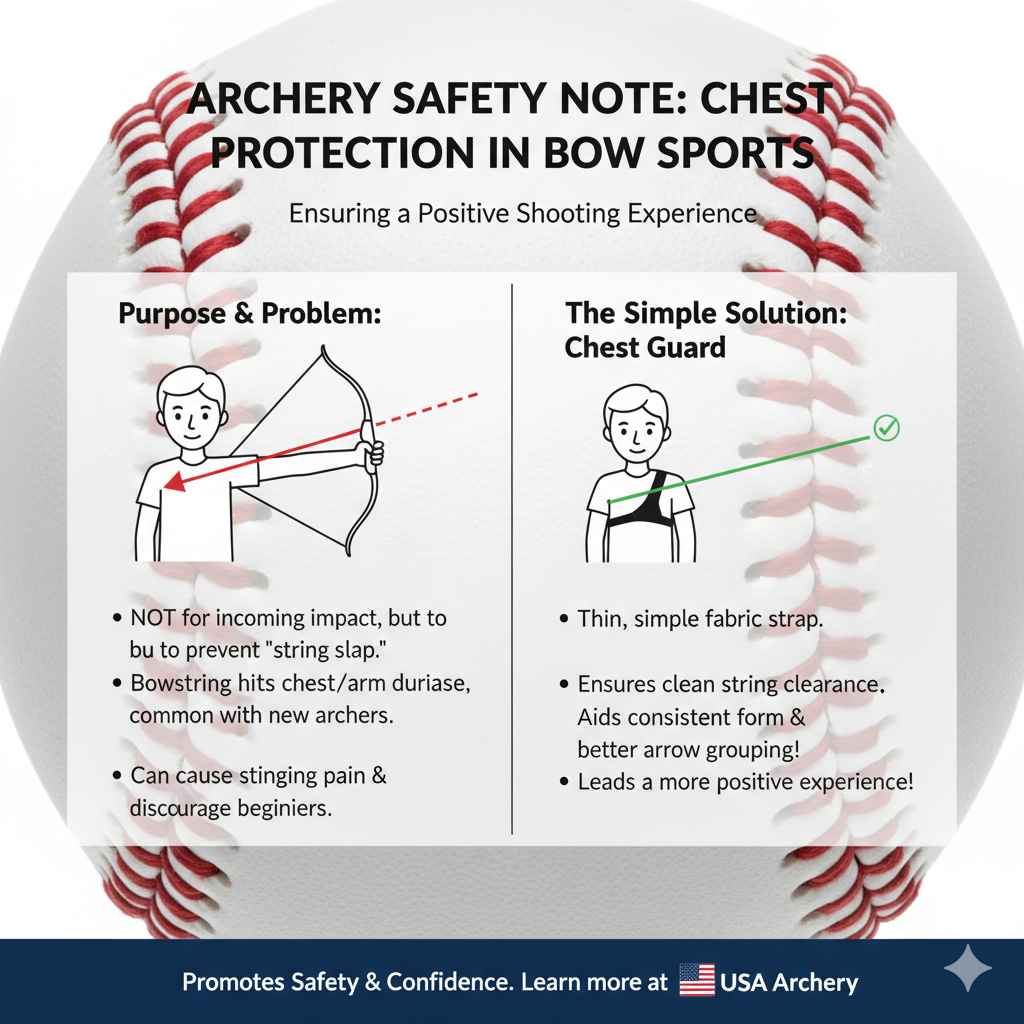
Archery Safety Note: Chest Protection in Bow Sports
While this topic usually centers on ball sports, I must mention chest protection for archers, especially beginners learning recurve or compound bows. While not mandatory in the same way, a chest guard (often called a chest strap or chest protector) is crucial for archers using their left arm (for right-handed shooters) to steady the bow.
The purpose here is different: it’s not impact protection from an incoming object, but preventing the bowstring from slapping the chest or arm during release (a common issue when form is inconsistent).
A string slap, even from a low-poundage youth bow, can sting and discourage a new archer. By wearing a simple, thin chest guard, archers ensure clean string clearance, leading to better grouping and, critically, a much more positive and encouraging shooting experience. This small piece of gear dramatically aids in building consistent form early on.
You can read more about safe equipment setup and sizing guidance from recognized governing bodies like USA Archery, which emphasizes correct form and necessary protective wear for all levels.
Comparing Different Types of Youth Chest Protectors
Not all chest protectors are created equal. They vary significantly based on the coverage area and rigidity required by the sport. Here is a comparison to help you match the gear to the need:
Table 2: Protector Styles and Best Uses
| Protector Style | Primary Material | Best For | Key Feature |
|---|---|---|---|
| Full Rigid Catcher’s Vest | Hard Plastic Shell + High-Density Foam | Baseball/Softball Catching | Maximum impact dispersion against fast pitches. |
| Under-Jersey/Sleeveless Padding | Thin, Multi-Density Foam | Fielders, Soccer Goalies (light contact) | High mobility; discreet look. |
| Hybrid/Segmented Pads | Molded Plastic Segments over Foam | Lacrosse, Hockey Skaters | Flexibility across the torso while maintaining hard points of protection. |
| Archery Chest Guard | Nylon/Elastic Fabric | All Archers | Prevents string slap; ensures smooth string trajectory. |
Frequently Asked Questions (FAQ) About Youth Chest Protection
Q1: How often should I replace my child’s chest protector if they don’t take any major hits?
A: Even without visible damage, the foam degrades slightly over several years due to age and sweat absorption. If the gear is more than 3-4 seasons old, or if the plastic straps are brittle, it’s wise to replace it for optimal safety, as material science advances yearly.
Q2: My child complains the protector is too hot. What can I do?
A: Look for newer models that specifically advertise “ventilation channels” or “cooling mesh.” Many modern protectors use materials that wick moisture away faster. Ensure the fit isn’t too tight, as tight clothing traps heat against the body.
Q3: Does a chest protector cover the collarbones adequately?
A: It depends on the style. Most baseball/softball catcher’s vests offer excellent sternum and upper rib coverage. For contact sports like hockey or lacrosse, you often need a separate shoulder pad component to ensure adequate, certified protection over the collarbones (clavicles).
Q4: Is it safe to buy a used chest protector for my child?
A: Generally, this is not recommended for high-impact sports. If the protector took a major impact previously, the internal foam structure may be compromised without any external signs. For hygiene reasons and safety verification, new or gently used gear with no history of heavy impacts is best.
Q5: Can a chest protector stop broken ribs?
A: A good protector is designed to prevent the type of high-pressure impact that causes broken ribs from a ball or puck. While no equipment offers 100% guaranteed protection against all possibilities (especially severe falls or body checks), it drastically reduces the probability of such injuries.
Q6: Does wearing a chest protector affect breathing capacity during intense activity?
A: If the protector is sized correctly, it should not significantly restrict breathing. If it restricts breathing, it is likely too tight or the wrong style. The athlete should be able to take deep, full breaths comfortably, even when exerting maximum effort.
Conclusion: Investing in Confidence and Well-Being
When we look closely at the evidence—the material science, the industry standards, and the simple physics of energy transfer—the answer to “Do chest protectors for youth sports help?” is definitive: they are a cornerstone of effective injury prevention. These pieces of gear are not just accessories; they are engineered barriers designed to translate potentially dangerous, concentrated force into manageable pressure across a larger surface area.
For parents and coaches, choosing and ensuring the correct fit of a certified chest protector removes one of the biggest variables in youth sports safety. It allows young athletes to focus their energy on learning, competing, and most importantly, having fun, without the constant underlying worry of unnecessary bodily harm. By prioritizing well-fitting, sport-appropriate protection, you are giving your young player the foundation they need to build skill, develop confidence, and enjoy their sport for years to come. Remember, safety is the first rule on the range or the field—gear up right, practice well, and enjoy the game!