
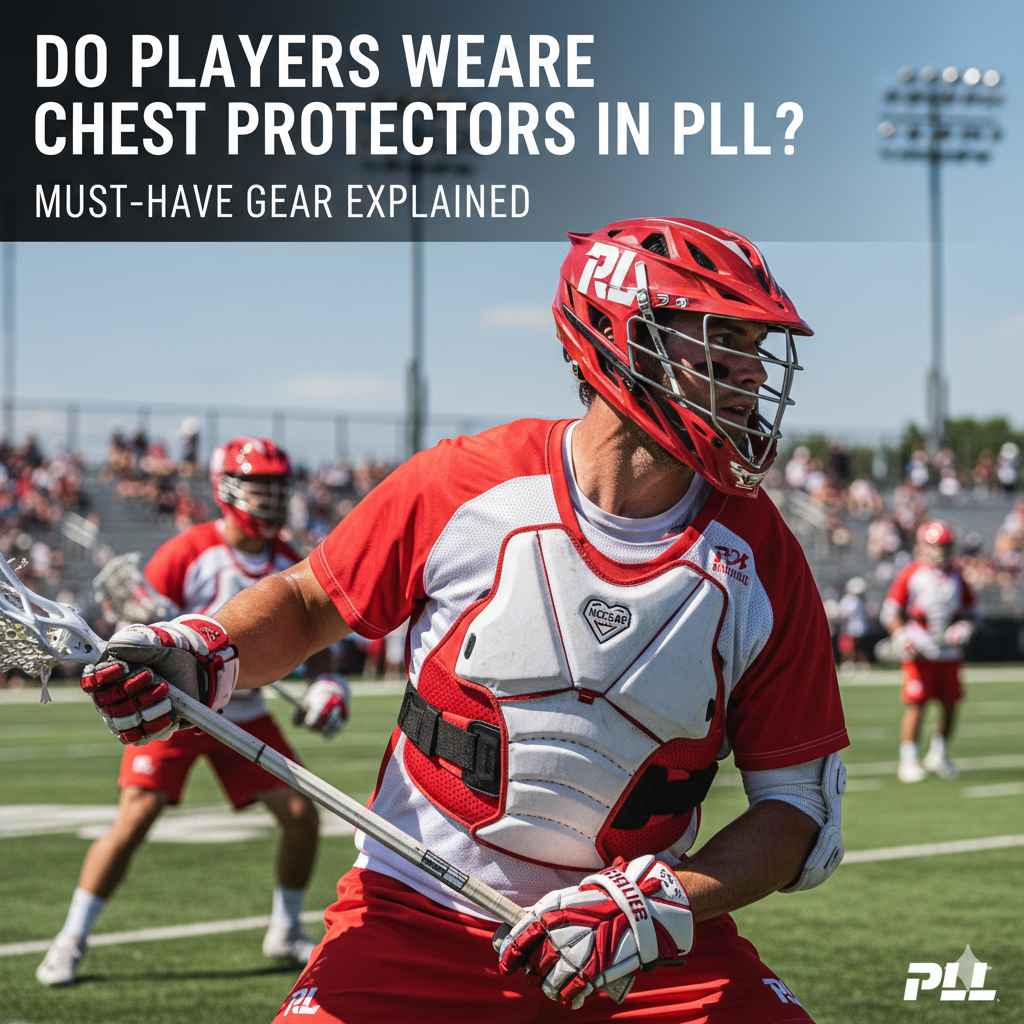
When it comes to professional lacrosse, especially in the Premier Lacrosse League (PLL), one question that often arises among fans and newcomers to the sport is: do players wear chest protectors in PLL? Understanding the protective equipment used by players is essential not only for appreciating the physicality of the game but also for recognizing the safety protocols that keep athletes protected during intense competition.
In this article, we’ll explore whether chest protectors are a standard part of PLL gear, what other equipment players wear, and why each piece is critical to high-level lacrosse play.
Do Players Wear Chest Protectors in PLL?
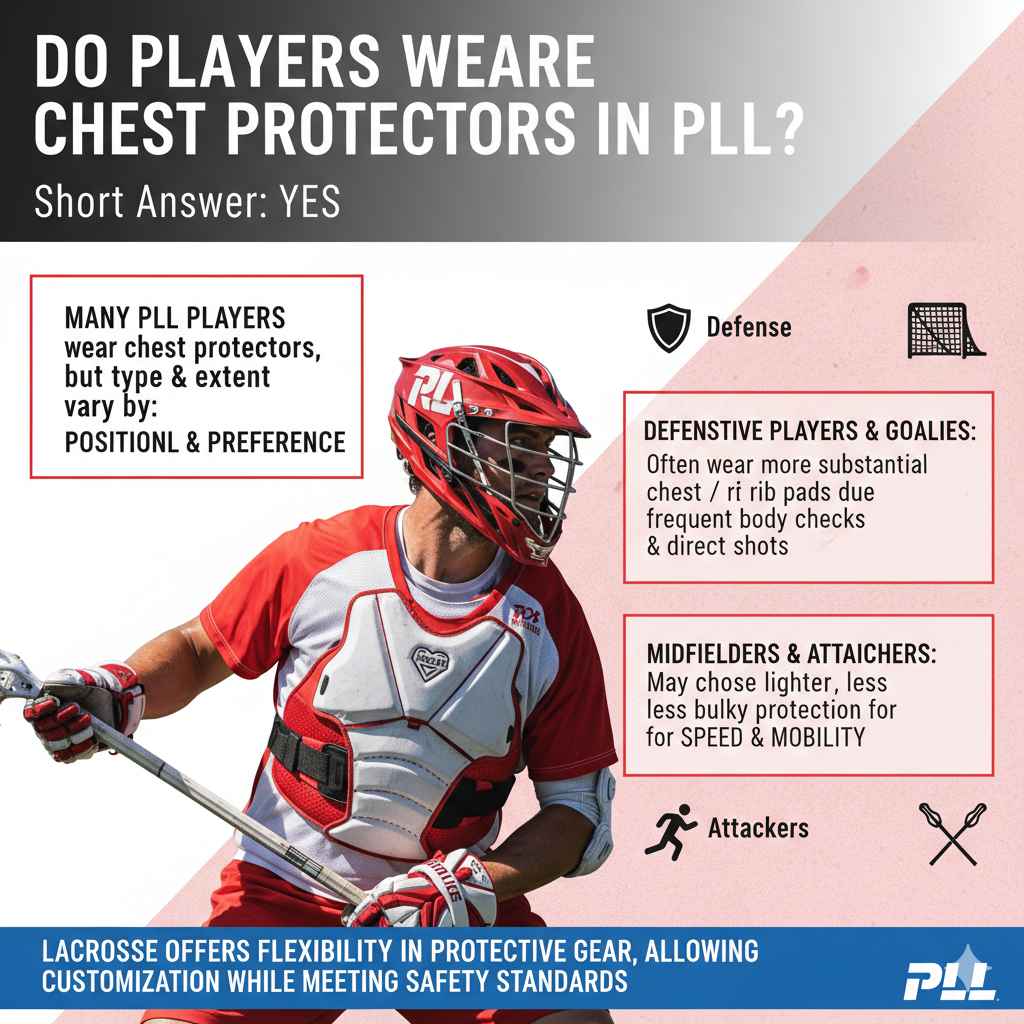
The short answer is yes, many players in the Premier Lacrosse League do wear chest protectors, but the type and extent of protection can vary significantly depending on the position and personal preference. Unlike some other contact sports, lacrosse offers some flexibility in protective gear, allowing players to customize their setup while meeting safety standards.
Chest protectors, also known as rib pads or arm pads that extend toward the torso, are especially popular among defensive players and goalies who face frequent body checks and direct shots on goal. Midfielders and attackers might opt for lighter, less bulky chest protection to maintain speed and mobility.
Why Do Players Choose to Wear Chest Protectors?
Lacrosse is a fast-paced, high-impact sport where players frequently encounter body checks, stick checks, and hard hits from opponents. The chest and ribs are particularly vulnerable areas, so protective padding is critical to avoid serious injuries such as bruises, broken ribs, or even internal damage.
Chest protectors in PLL help absorb and disperse the force of impacts, allowing players to maintain aggressive play and greater confidence on the field. For goalies, who face rapid shots at close range, a substantial chest protector is often mandatory as it offers essential coverage of the upper body.
The Must-Have Gear Players Wear in the PLL
Beyond chest protectors, understanding the full array of equipment used by PLL players provides a more comprehensive view of the sport’s safety requirements.
Helmet
Every PLL player wears a helmet equipped with a face mask and chin strap, providing vital head protection. Given the speed and power of lacrosse balls and sticks, helmets are engineered to withstand impacts and keep players safe from concussions and facial injuries.
Mouthguard
A mouthguard is a non-negotiable piece of gear, protecting the teeth and reducing the risk of concussions by absorbing some shocks to the jaw.
Gloves
Lacrosse gloves protect the hands from checks and impacts. They are padded on the fingers, back of the hand, and wrist, allowing players to grip the stick securely while minimizing injury risk.
Shoulder Pads and Arm Guards
Shoulder pads cover a broader area than chest protectors and help safeguard the upper chest, back, and shoulders. Combined with arm guards—which shield the forearms from slashes and checks—these components form a critical second line of defense for players.
Rib Pads
Distinct from full chest protectors, rib pads wrap around the sides of the torso to shield the ribs without adding excessive bulk. Many players prefer rib pads for greater mobility, especially in less physical positions.
Position-Specific Gear Choices in the PLL
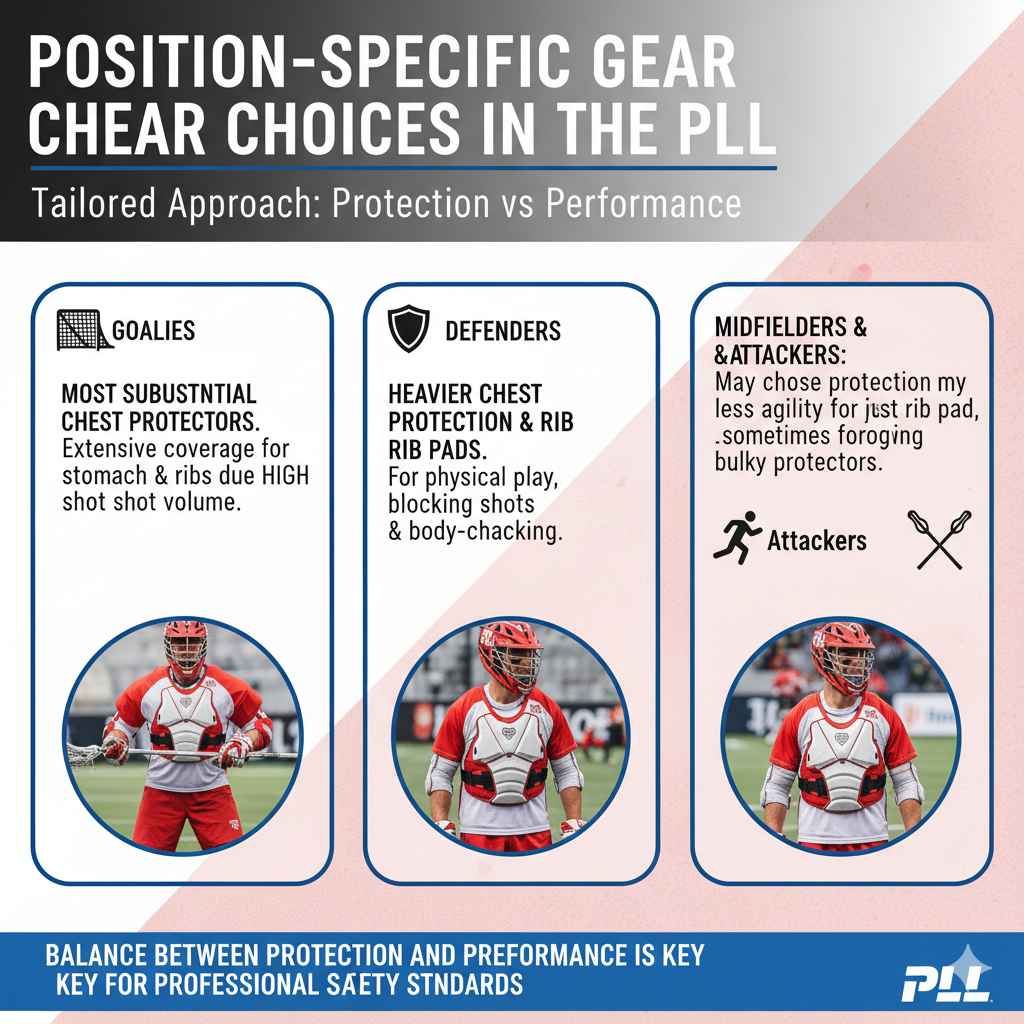
The choice and extent of chest protection in the PLL often depend on the player’s position:
– Goalies almost always wear the most substantial chest protectors, often extending coverage to the stomach and ribs, due to the high volume of shots they face.
– Defenders tend to opt for heavier chest protection and rib pads as they engage more physically, blocking shots and body-checking opposing players.
– Midfielders and Attackers might select lighter protection to maintain agility, sometimes foregoing bulky chest protectors for minimal padding or just rib pads.
This tailored approach reflects the balance between protection and performance that professional athletes must manage.
Conclusion
So, do players wear chest protectors in PLL? Yes, many do, but the form and amount of chest protection vary based on position, playing style, and individual comfort. Chest protectors, rib pads, shoulder pads, helmets, and other gear collectively ensure that players remain as safe as possible while competing in this dynamic and high-intensity sport.
By understanding the protective equipment used in the PLL, fans can better appreciate the risks players take and the precautions in place to safeguard their health. Whether a casual observer or a budding lacrosse player, recognizing these nuances adds depth to the excitement of watching professional lacrosse.