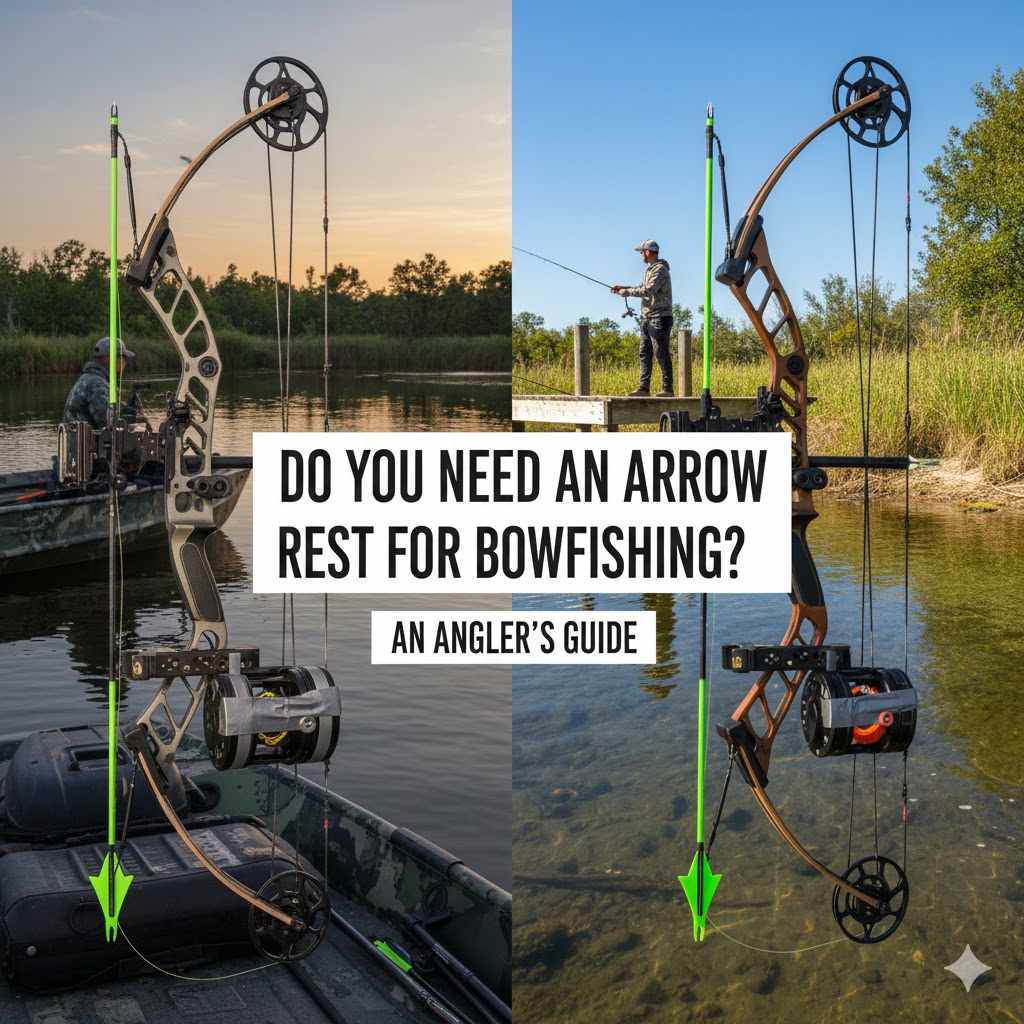
Thinking about bowfishing? That’s awesome! A common question for people starting is Do You Need an Arrow Rest for Bowfishing? It can seem tricky at first, with so many parts to consider. Don’t worry; it’s easier than you think. This guide will break it down simply, step by step, so you can make the right decision. Ready to get started and find out if you need one?
What Is an Arrow Rest and Why Does It Matter?
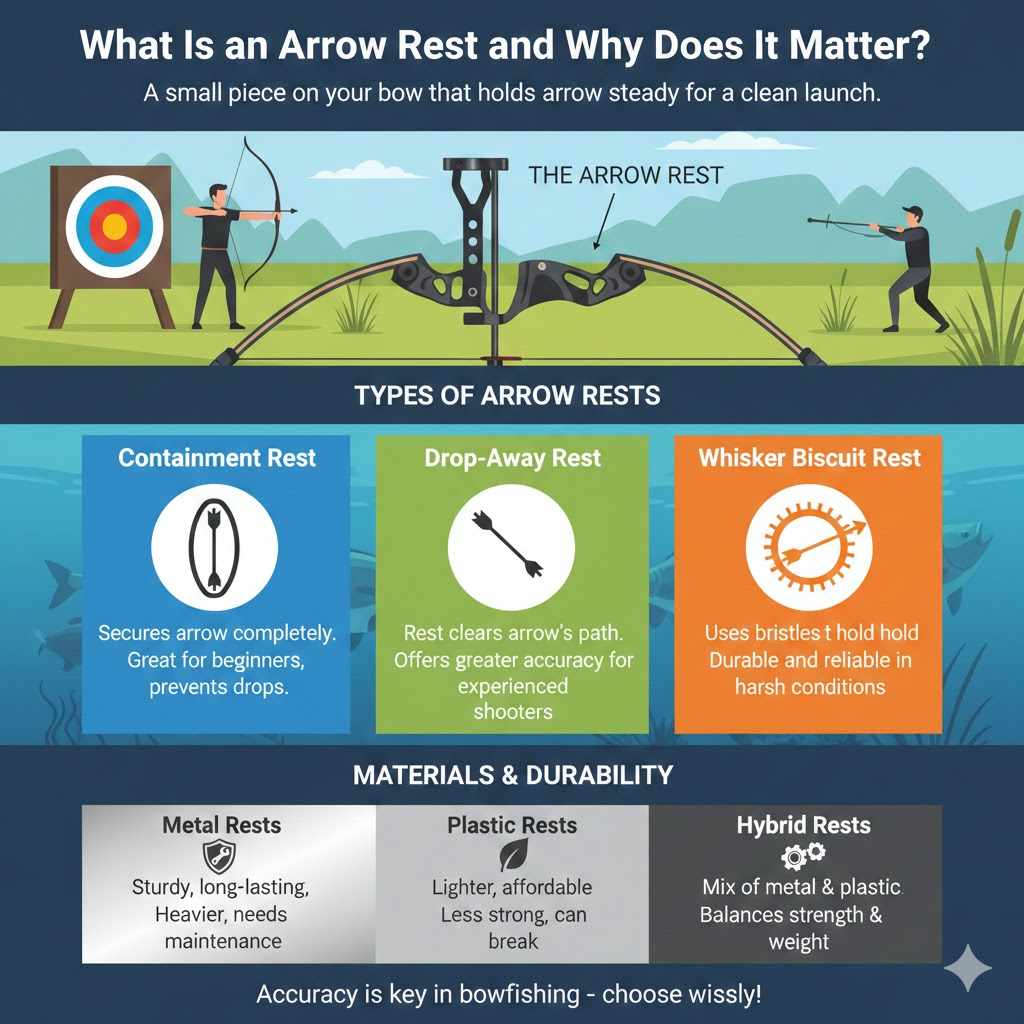
An arrow rest is a small piece on your bow that holds the arrow in place. It’s like a little shelf for your arrow. Without it, the arrow would wobble around before you shoot, making it hard to hit your target. This is true whether you’re shooting at a target on land or fish in the water. For bowfishing, accuracy is key, so this small piece can make a big difference. Think of it like the support system for your arrow, ensuring a clean and consistent launch every time you draw your bow.
Types of Arrow Rests
There are different types of arrow rests, each with its own advantages. Choosing the correct type can influence your overall bowfishing experience. These rests come in various designs, from simple to more advanced.
Containment Rest: This type of rest completely surrounds the arrow, holding it securely. It’s excellent for beginners because it keeps the arrow in place even if you move the bow around.
A containment rest is great if you’re new to bowfishing. It completely holds the arrow, so it’s less likely to fall off when you’re moving around on a boat or in the water. This added security can help you focus on aiming and shooting.
Drop-Away Rest: This rest drops away from the arrow’s path when you shoot. This setup offers greater accuracy because the arrow isn’t touching anything as it leaves the bow.
Drop-away rests are favored by experienced shooters. They get out of the way, giving the arrow a clear path. This usually means better accuracy, but they may require more care and adjustment than simpler designs.
Whisker Biscuit Rest: This rest uses a series of bristles to hold the arrow. It’s simple, reliable, and provides good arrow support.
The whisker biscuit is known for its durability. It’s a good choice for bowfishing because it’s not easily damaged by the elements or the rough handling that bowfishing gear can sometimes get.
Arrow Rest Materials and Durability
The material used to make an arrow rest is crucial to its lifespan. Bowfishing can be harsh on equipment. You are often in wet environments, and gear can get bumped around. Materials that can withstand these conditions are vital.
Metal Rests: These are sturdy and last a long time. However, they can be heavier and may need more maintenance.
Metal rests are strong and reliable. The downside is they might be heavier than some other options. They need to be looked after to prevent rust or damage from saltwater.
Plastic Rests: These are usually lighter and often more affordable. But, they might not be as strong as metal ones and could break more easily.
Plastic rests are a good budget choice. They’re light, but they may not be as tough in the long run. If you bowfish often or in rough conditions, a metal rest could be a better deal.
Hybrid Rests: Some rests combine metal and plastic for a balance of strength and weight.
Hybrid rests try to offer the best of both worlds. They try to be strong and light. This mix can offer a good balance of durability and performance, especially for bowfishing.
The Role of an Arrow Rest in Bowfishing
In bowfishing, the arrow rest plays a vital part in accuracy and reliability. When you are shooting at moving targets in the water, every detail counts. The correct arrow rest can help make your shots much more successful. Think of it as a tool that helps you to get your arrow where you need it.
How Arrow Rests Improve Accuracy
An arrow rest is crucial for consistent shots. It minimizes arrow wobble, which helps the arrow fly straight and true. Bowfishing requires precision due to the refraction of light in water, which makes things look different than they are. The right arrow rest can help you compensate for this.
Consistent Arrow Flight: A good arrow rest ensures the arrow leaves the bow the same way every time. This consistency means you can predict where the arrow will go.
Consistent arrow flight is vital for hitting fish. By using the same launch trajectory, you know where the arrow will land. This is really useful when you’re trying to hit a moving fish.
Reduced Arrow Wobble: A well-designed arrow rest keeps the arrow stable as it leaves the bow. It stops the arrow from swaying back and forth, making your shots more accurate.
Reducing wobble is like removing a barrier to success. A more stable arrow flight is easier to hit your mark. This can lead to more fish being caught.
Improved Aiming: With a stable arrow, it’s easier to aim. You can focus on the target, not the arrow’s movement.
When you have a stable arrow, you can concentrate on judging the depth of the fish and lead the shot correctly. This also improves your chances of hitting the target.
Arrow Rest and Arrow Selection
The arrow rest should work with the arrows you choose. Some rests fit some arrows better than others. It’s about getting the right combination for the best results. Matching the arrow rest to your arrow setup helps in accuracy and performance.
Arrow Compatibility: Not all arrow rests work well with all types of arrows. Make sure your arrow rest is made for the size and type of arrow you are using.
Always double-check that your arrows work with the rest you choose. Using the wrong arrows can damage the rest and make your shots inaccurate.
Arrow Spine: Arrow spine is the arrow’s flexibility. The arrow rest needs to work with the arrow’s spine to help with accuracy.
Arrow spine affects how the arrow bends when shot. If the rest doesn’t work with the spine, the arrow may not fly straight.
Arrow Length: The length of your arrow also matters. Ensure the arrow rest can accommodate the length of your arrows, allowing for safe and effective shooting.
The arrow rest needs to fit your arrow’s length. Too short, and the arrow might not reach the target. Too long, and it might not work well with the bow.
Choosing the Right Arrow Rest for Bowfishing: Key Considerations
Deciding which arrow rest to get involves more than just picking a type. You should think about what you need from the rest and what matches your bowfishing style. Consider where you will be fishing and what kind of fish you want to catch.
Bowfishing Environment
Where you fish can affect the arrow rest you need. If you fish in different water environments, your choices might change. The setting impacts the gear you select. Consider the challenges each environment introduces.
Freshwater vs. Saltwater: Saltwater can damage equipment faster. Choose rust-resistant rests if you fish in the ocean or coastal areas.
If you fish in saltwater, rust is a real problem. Select materials and designs that can resist corrosion, or your rest may not last long.
Boat vs. Shore: If you are on a boat, you might want a rest that is simple and easy to use. If you are on the shore, you may need something that can handle mud and rough terrain.
Boat bowfishing often means less stable shooting. A rest that offers good arrow support can be very helpful. Shore fishing might mean more rugged conditions.
Water Clarity: In murky water, you might need an arrow rest that helps with quick shots. In clear water, precision might be more important.
Water clarity impacts your shots. Clear water lets you aim precisely. Murky water may call for faster setups.
Budget and Skill Level
Your budget and experience level are important when choosing an arrow rest. Expensive rests don’t always mean better performance. Start with what you can afford and that suits your skill. Consider how much you are prepared to invest. Are you a beginner or a more experienced shooter?
Beginner-Friendly Rests: Beginners often do well with simple, easy-to-use rests. These may include containment rests or whisker biscuits.
Simplicity is key when you are starting out. Easy rests will help you learn the basics. You can upgrade later as you get better.
Advanced Rests: Advanced shooters may choose more complex rests for better accuracy. Drop-away rests are commonly used by pros.
Once you are more experienced, you might want more control. Rests with more options let you tweak your setup for top performance.
Cost vs. Performance: More expensive rests aren’t always better. A good arrow rest doesn’t have to break the bank. Balance cost with how well it fits your needs.
Find the best value. Look at reviews and see which rests give you the features you need. This could be a balance of price and performance.
Setting Up and Maintaining Your Arrow Rest
Setting up and looking after your arrow rest is key for good shooting. The right adjustments make a difference in your accuracy. Regular care keeps your rest working at its best. Taking the time to properly set up your gear will make bowfishing more enjoyable.
Arrow Rest Setup
Setting up your arrow rest should follow the bow’s instructions. A well-set-up rest ensures the arrow flies straight. Precise adjustment leads to accuracy. Do not rush the set-up process.
- Leveling the Rest: Make sure the arrow rest is level with the bow. This ensures the arrow leaves the bow straight.
Use a small level to make sure your rest is straight. If it is not level, your shots will likely go off course.
- Center Shot Alignment: Center shot means the arrow sits in the center of the bow. The arrow should pass through the center of the bowstring. This helps the arrow fly straight and true.
Center shot is key. Get it right, and your arrows will have a much better chance of hitting the target. Improper center shot can create erratic arrow flight.
- Tuning the Rest: After setting up the rest, tune your bow by shooting arrows and adjusting. See how the arrows fly and make slight changes to improve accuracy.
Tuning can involve moving the rest slightly up or down. Watch how your arrows fly. This will help you get the best possible shot.
Arrow Rest Maintenance
Taking care of your arrow rest can help it last. Cleaning and checking it often is important, especially when bowfishing in the water. Maintenance keeps the equipment in good working order. Proper care means better performance.
Cleaning: Clean the arrow rest after each use. Remove any dirt or debris that could affect how it works.
Get rid of dirt, mud, and water. A clean rest will perform better and last longer.
Inspection: Check the rest for damage often. Look for wear and tear on the parts.
Look over your rest before and after each fishing trip. Catching problems early can prevent them from getting worse.
Lubrication: Apply lubricant to moving parts as needed. This helps keep the rest working smoothly.
Some rests need lubrication to work well. Follow the manufacturer’s directions for the best results.
Advanced Techniques and Troubleshooting
Once you have the basics down, you can explore advanced methods. Understanding how to handle various issues and using specific tips can increase your accuracy. Improve your skills and boost your chances of getting those fish.
Advanced Techniques
These techniques help you get the most out of your bowfishing setup. They include advanced techniques to improve your shots. These methods make your shots consistent.
Walk-Back Tuning: This method helps you fine-tune your bow. Shoot arrows at different distances and adjust your arrow rest or bow to center the shots.
Walk-back tuning lets you see how your arrows fly at different ranges. This can fix any issues with arrow flight.
Bare Shaft Tuning: Shooting arrows without fletching (the feathers or vanes on the back) is another technique. This method shows how the arrow flies without these elements.
Bare shaft tuning shows how well your bow is set up. If the arrows fly straight without fletching, you have a solid setup.
Using a Sight: A sight can help you aim better, especially at different ranges. Choose a sight designed for bowfishing.
A sight makes aiming easier. Some sights have pins that you use to aim at different distances. This helps you get more accurate.
Troubleshooting Common Issues
Things don’t always go smoothly, and problems can happen. Learn how to fix these common issues. This gives you the tools to overcome problems. Know what to do if things go wrong.
Arrow Fletching Contact: If your arrow fletching is hitting the arrow rest, adjust the rest or change your arrow type.
Fletching contact can mess up your shots. Fixing it is important to prevent problems. This prevents poor arrow flight.
Inconsistent Arrow Flight: If your arrows don’t fly straight, check your rest setup. Make sure the arrow is balanced and that the rest is adjusted correctly.
Consistent arrow flight is vital for good shooting. Look at your rest setup if the arrow isn’t flying right.
Arrow Fall-Off: If the arrow falls off the rest easily, switch to a rest that offers more support.
An arrow that falls off is a problem. Ensure your arrows stay in place while bowfishing. This boosts safety and efficiency.
Real-World Examples and Case Studies
Real-life examples can show you how different arrow rests perform. Here are a couple of examples. These examples highlight the impact of the right arrow rest.
- Case Study 1: Freshwater Bowfishing: A group of anglers in a freshwater lake found their accuracy improved by switching from a basic rest to a containment rest. The secure hold of the containment rest helped when the boat moved around. They reported a 30% increase in fish caught after the change.
This shows how a more stable rest can help in moving boats. Secure rests can improve accuracy.
- Case Study 2: Saltwater Bowfishing: A team using drop-away rests in saltwater saw their arrow rests corrode quickly. They changed to rests made of corrosion-resistant materials. This switch protected their gear and increased the longevity of their equipment, allowing them to bowfish for many seasons.
This shows how important the choice of material is in saltwater environments. They found that selecting the proper material could solve durability issues.

Frequently Asked Questions
Question: Is an arrow rest essential for bowfishing?
Answer: It’s not strictly essential, but it greatly improves accuracy and consistency. Most bowfishers find it a must-have.
Question: What’s the difference between a containment rest and a drop-away rest?
Answer: A containment rest holds the arrow at all times, while a drop-away rest lowers out of the arrow’s path after the shot.
Question: Can I use any arrow rest for bowfishing?
Answer: Not all rests are ideal. Consider the environment, type of bow, and arrow selection when choosing an arrow rest for bowfishing.
Question: How often should I replace my arrow rest?
Answer: It depends on use and care. Inspect it regularly. Replace it when it shows wear or damage.
Question: What are the main benefits of using an arrow rest?
Answer: The primary benefits are increased accuracy, consistent arrow flight, and improved aiming.
Final Thoughts
So, Do You Need an Arrow Rest for Bowfishing? The simple answer is generally yes. While you could technically bowfish without one, an arrow rest is essential for any serious angler. It’s a key part of your gear that makes shots more accurate. Think of it as a helpful tool that makes your experience better. To make the right choice, look at the type of bowfishing you do, your skill level, and your budget. Remember that the right arrow rest, plus proper setup and maintenance, are your keys to better aim. Consider the environment you’ll be fishing in, as saltwater or rough terrain may influence your decision. Now, take what you’ve learned and get out there to have some fun and catch some fish. Happy fishing!