
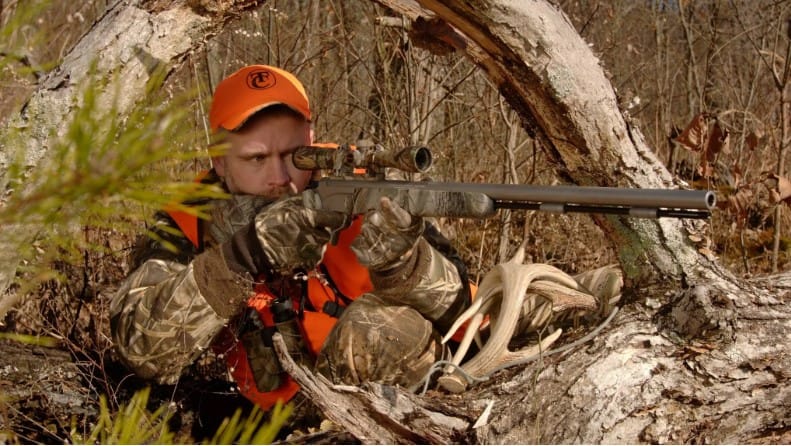
Yes, deer are generally not inherently afraid of correctly used ground blinds, especially once they’ve become accustomed to them. Their reaction depends heavily on setup, scent control, and minimal movement, making them a safe and effective hunting tool when managed properly. Proper placement and quiet operation are key to overcoming any initial wariness.
Welcome, fellow archery enthusiasts! Stepping into the world of hunting with a bow can feel like a big adventure, and choosing where to set up is a big part of that. Many beginners wonder about using ground blinds. You might be asking, “Are deer afraid of ground blinds?” It’s a totally normal question! Deer are naturally cautious creatures, and anything new in their environment can make them a bit skittish. But don’t worry, we’ll break down how these blinds work with deer and how you can use them effectively and safely. By the end of this, you’ll feel much more confident about using a ground blind for your next hunt.
Understanding Deer Behavior and Ground Blinds
Deer are masters of their environment. Their survival depends on spotting danger quickly. This means they have incredibly sharp senses – sight, smell, and hearing. So, when you introduce something new like a ground blind, they’re going to notice it. A ground blind is essentially a portable, fabric structure that hides you from view. For a beginner, it’s a fantastic way to get close to deer without spooking them, provided you understand how to use it correctly. It offers concealment, protection from the elements, and a stable platform to shoot from. The key isn’t whether deer are afraid of the blind itself, but rather how the blind is placed and used around them.
Why Ground Blinds Are Great for Beginners
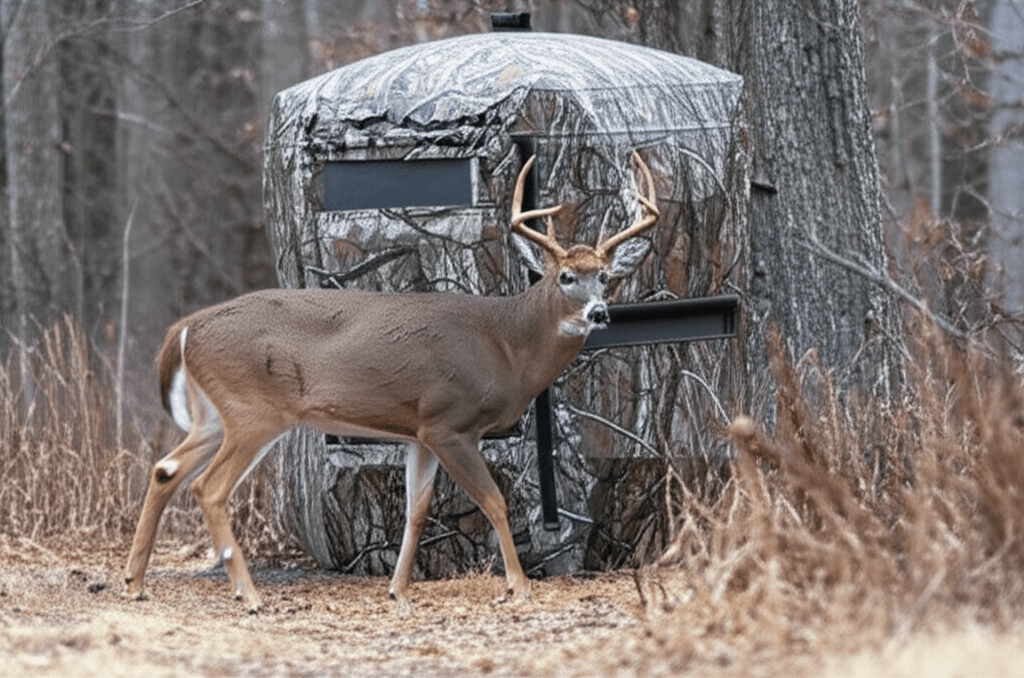
For those just starting out or enjoying archery as a hobby, ground blinds offer several advantages:
- Easier Concealment: They blend into the landscape more naturally than trying to hide behind a tree.
- Reduced Movement: You can draw your bow inside the blind with less chance of being seen.
- Comfort: They offer protection from wind, rain, and sun, making your hunting experience more enjoyable, especially on longer sits.
- Safety: They provide a defined, safe space for you and your equipment.
Many experienced hunters rely on ground blinds because they significantly increase the chances of a successful encounter with wary animals like deer. The fabric walls and strategically placed windows help you stay invisible, while you wait for your moment.
How Deer Perceive Ground Blinds: Initial Reactions vs. Habituation
When deer first encounter a ground blind, especially if it’s new or hasn’t been in a particular spot for long, they might exhibit caution. This is normal. They might:
- Become alert and look towards the blind.
- Stop feeding or moving.
- Approach cautiously, often circling downwind.
- If they detect a scent or see movement, they might bolt.
However, deer are also creatures of habit. If a ground blind is set up in their travel corridor or feeding area and is consistently used without any negative experiences (like being chased or startled), they often become accustomed to its presence. Over time, they may pass by a familiar blind without much concern, especially if it’s well-camouflaged and doesn’t emit any unusual smells or sounds. This habituation is what makes ground blinds so effective.
Key Factors Influencing Deer’s Reaction to Ground Blinds
Several elements play a crucial role in how deer react to a ground blind. Think of it like this: the blind is just a tool, and how you use it makes all the difference.
1. Scent Control: The Invisible Enemy
Deer have an incredible sense of smell. Your scent is often the first giveaway. This is paramount for staying undetected.
- Pre-Hunt Preparation: Wash your hunting clothes thoroughly using scent-free detergents. Store them in airtight scent-proof bags or containers.
- Body Odor Control: Shower with scent-free soap before heading out. Avoid scented deodorants, colognes, or lotions.
- Blind Placement: Position your blind downwind of anticipated deer travel routes. This means the wind will carry your scent away from them.
- Scent Eliminator Sprays: Use a high-quality scent eliminator spray on your clothing, boots, and the blind itself.
- Venting: Ensure your blind is properly vented to allow air to flow through, helping to dissipate your scent.
Even the best ground blind won’t work if your scent gives you away immediately. Think of it as erasing your presence before you even get there. Reputable sources like the Navionics blog often highlight scent control as a critical component of successful hunting strategies.
2. Visual Concealment: Blending In
While ground blinds provide excellent cover, their effectiveness depends on how well they blend with the surroundings.
- Choose the Right Camouflage: Select a blind with a camouflage pattern that matches your hunting environment (e.g., hardwoods, field, brush).
- Strategic Placement: Position the blind near natural cover like bushes, trees, or tall grass. This breaks up its unnatural shape.
- Add Natural Vegetation: Use branches, tall grass, or leaves to further camouflage the blind by attaching them to the exterior loops or simply draping them over parts of it. This makes it look like a natural part of the landscape.
- Brush In the Blind: This is a crucial step. Walk around the blind and gently push nearby natural foliage against its sides and top. This is especially important for the edges and corners that might look too uniform.
- Avoid Open Areas: Do not place a ground blind in the middle of a wide-open field unless absolutely necessary and you’ve thoroughly brushed it in.
The goal is to make the blind disappear into the background. If it looks like a foreign object, deer will be more likely to notice and avoid it.
3. Noise Discipline: The Sound of Silence
Deer have acute hearing. Any sudden or unfamiliar noise can spook them instantly. This means everything you do inside the blind must be quiet.
- Setting Up: Set up your blind well before deer are expected in the area, ideally during daylight hours or when no deer are present. Avoid setting up in front of a bedded or approaching deer.
- Entering and Exiting: Approach and enter the blind quietly. Open and close zippers slowly and deliberately.
- Movement Inside: Avoid shifting your weight excessively or making sudden movements. If you need to adjust your position, do it slowly and smoothly.
- Gear Management: Ensure all your equipment is secured and won’t rattle or fall. Keep essentials within easy reach.
- Drawing Your Bow: Practice drawing your bow smoothly and quietly. Some blinds have specific shooting lanes or ports designed to minimize noise.
Think of yourself as a completely silent observer. Every rustle of fabric or clink of metal can be a red flag to a deer.
4. Window Management: Open but Hidden
Ground blinds typically have zippered windows or open shooting ports. How you manage these is key.
- Opening Windows: Only open shooting windows when you are ready to shoot or when you know deer are close and in your sightline. Keeping them closed most of the time helps with scent and visual concealment.
- Partial Openings: Sometimes, a small crack is enough for a clear shot without revealing too much.
- The “Peek and Conceal” Method: If you see deer approaching, ensure all windows are closed or nearly closed. Only open the necessary shooting port just before you intend to draw.
- Avoid Silhouettes: Try not to create a silhouette of yourself against the windows. Keep your body low and behind the cover of the blind’s frame and fabric.
The design of modern ground blinds often includes smart features to help with this. For instance, many have meshed windows you can shoot through silently, or they allow you to unzip one side completely for a clear, unobstructed shot.
Pros and Cons of Using Ground Blinds
Like any hunting tool, ground blinds have their advantages and disadvantages. Understanding these can help you make the best decision for your situation.
| Pros | Cons |
|---|---|
| Excellent concealment from deer’s keen eyesight. | Can limit your shooting angles compared to being in a tree. |
| Provides physical protection from weather elements. | Initial setup can take time and effort, especially brushing in. |
| Allows for drawing a bow or crossbow with less chance of detection. | Can attract attention if not properly camouflaged or if placed improperly. |
| Offers stability and a comfortable, safe space for extended sits. | Requires careful attention to scent control and noise discipline. |
| Easier for beginners to shoot from compared to tree stands. | Can be cumbersome to transport, especially heavier models. |
| Reduces the need for perfect body positioning needed for stalking. | May not offer the panoramic view of a tree stand. |
Practical Tips for Ground Blind Setup and Use
Getting your ground blind set up and using it effectively is a skill that improves with practice. Here’s a step-by-step guide:
Step 1: Scout Your Location
Before putting up your blind, identify good hunting spots. Look for:
- deer trails
- feeding areas
- bedding areas
- natural funnels or pinch points where deer are likely to travel all year round.
These are places you’ll want to set up your blind to maximize your chances.
Step 2: Consider Wind Direction
This is non-negotiable! Always set up your blind so that the prevailing wind will blow from the deer towards you. You can use a wind direction guide to understand how to gauge this. If the wind shifts, your blind’s location might become less effective, and you may need to consider moving it for your next hunt.
Step 3: Brush In Your Blind
This is where the magic happens: making your blind disappear.
- Placement: Position the blind so that one or two sides are partially hidden by natural cover like trees, bushes, or tall grass.
- Add Local Vegetation: Gather branches, leaves, and tall grass from the immediate area.
- Secure Vegetation: Use the blind’s built-in camouflage straps or loops to attach the gathered greenery. Drape longer branches over the tops and sides.
- Fill Gaps: Pay attention to the edges of the blind. Stuff grass or leaves into any areas that look too uniform or boxy. The goal is to break up the straight lines and unnatural appearance of the blind.
- Check from a Distance: Step back regularly to see how well the blind is blending in. Adjust as needed.
A well-brushed-in blind looks less like a man-made object and more like a natural part of the landscape. This is key to preventing deer from being spooked.
Step 4: Manage Entry and Exit
- Set Up Early: It’s best to set up your blind days or even weeks before you plan to hunt from it. This allows the deer in the area to get used to its presence.
- Leave No Trace: When you leave, make sure you haven’t left any of your scent or equipment behind.
- Quiet Movement: When entering or exiting on a hunting day, move slowly and quietly. Open zippers gradually and avoid loud noises.
Step 5: Inside the Blind Etiquette
- Minimize Movement: Once inside, stay as still as possible.
- Control Noise: Keep all your gear secured. Avoid the urge to fidget or rustle clothing unnecessarily.
- Window Use: Only open shooting windows when you have a clear shot or are actively waiting for a deer. Keep them closed otherwise.
- Observe and Wait: Patience is key. Take your time, observe, and wait for the right opportunity.
When Deer Might Seem Afraid
Despite your best efforts, there are times when deer might still react fearfully to a ground blind. Understanding these scenarios can help you adjust your strategy:
- Poor Placement: If the blind is placed in a very open area with no natural cover, it will stand out. Deer have an excellent ability to spot anomalies in their surroundings.
- Scent Contamination: If your scent is strong or if the wind shifts unexpectedly, deer downwind will catch your odor.
- Sudden or Loud Noises: Dropping something inside the blind, a noisy zipper, or a sudden movement can instantly alarm nearby deer.
- Visual Disturbance: Being seen moving inside the blind or a shadow cast by movement can make deer nervous.
- The Blind is New and Unfamiliar: It takes time for deer to habituate to new objects in their territory. A freshly set-up blind might be approached with more caution than one that has been there for a while.
- High-Pressure Areas: If deer in your hunting area are already very wary due to frequent human activity or past negative encounters, they will be naturally more skittish around any new structure.
By being mindful of these factors, you can proactively minimize the chances of spooking deer and increase your effectiveness.
Making Your Ground Blind a Safe Haven
A ground blind should feel safe and secure for you. This also contributes to how effectively you can use it for hunting.
- Secure Structure: Ensure your blind is properly staked down, especially in windy conditions. This prevents it from shifting or blowing over, which could be startling and unsafe.
- Clear Shooting Lanes: Before you have deer nearby, ensure your windows are positioned to give you clear, unobstructed shooting lanes in the directions you expect to see deer.
- Buddy System for Setup: If possible, have a friend help you set up your blind. It makes the process easier and safer, especially when handling poles or staking the blind.
- Emergency Preparedness: Carry a fully charged phone and let someone know where and when you are hunting.
The safety aspect isn’t just about the deer; it’s about your well-being and comfort while you are out hunting.
FAQ: Your Ground Blind Questions Answered
Q1: Will deer smell me if I’m in a ground blind?
Yes, they will, if you don’t take proper scent control measures. Your best defense is to always set up downwind of where you expect deer to come from and use scent-free products and sprays. Good ventilation in the blind helps too.
Q2: How long should I leave a ground blind out before hunting from it?
Ideally, set up your blind several days, or even a couple of weeks, before your first hunt from it. This gives the local deer population time to get accustomed to its presence and realize it’s not a threat.
Q3: Can I shoot a bow through the fabric of a ground blind?
No, you absolutely cannot shoot through the fabric. You must use the open shooting windows or ports provided by the blind. Shooting through the fabric will not only miss the deer but also destroy your blind and potentially damage your bow.
Q4: How do I keep my ground blind from looking unnatural?
The most effective method is “brushing in.” Gather natural vegetation like branches, leaves, and tall grass from the immediate surroundings and attach it to the blind’s exterior using its built-in straps or loops. This helps the blind blend seamlessly into the environment.
Q5: Is it okay to move around a lot inside my ground blind?
You should strive to minimize your movement inside the blind. Deer have excellent vision and can easily spot sudden or jerky motions through the windows. Draw your bow only when you have a clear, unobstructed shot and the deer are within range.
Q6: What’s the best way to ensure deer don’t see my ground blind?
Combine excellent visual camouflage (brushing in) with strategic placement in an area with natural cover, like at the edge of a wood line or behind thick bushes. Always ensure the blind is downwind and that you’re meticulously managing your scent.
Conclusion
So, to wrap it all up, are deer afraid of ground blinds? Not inherently. They are naturally cautious, and any new object in their territory will get their attention. However, by understanding deer behavior and employing proper hunting ethics and techniques, you can make your ground blind a highly effective tool. Prioritizing scent control, visual camouflage, and noise discipline are the cornerstones of using a ground blind successfully.