
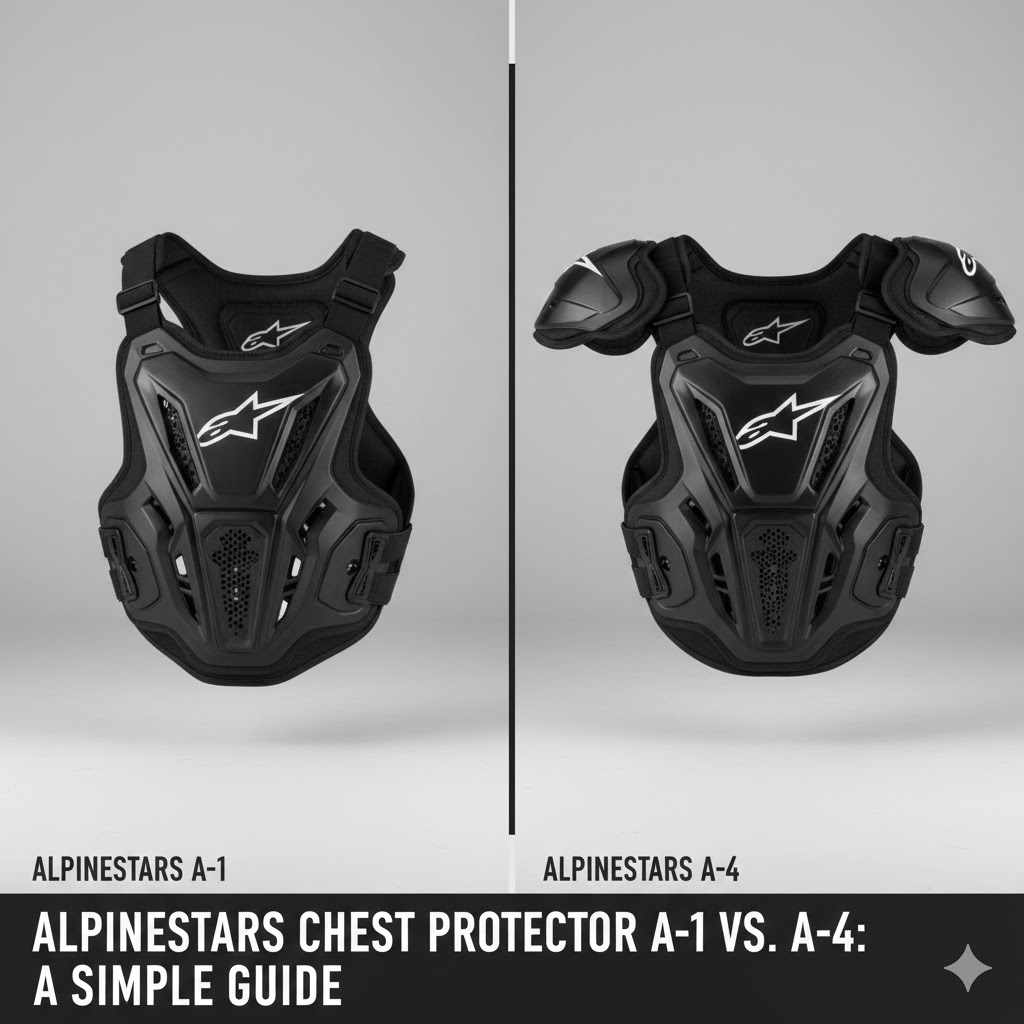
Choosing the right chest protector can be tricky, especially for beginners. The options, like the Alpinestars Chest Protector A1 vs A4, often seem confusing with all the different features and specifications. Don’t worry, though! This guide breaks down the key differences between these two protectors in easy-to-understand terms. We’ll explore the important things, so you can pick the one that fits your needs. Let’s get started and make your decision simpler.
What Makes the A1 and A4 Different?
The Alpinestars Chest Protector A1 vs A4 comparison focuses on two primary products aimed at providing protection for riders. These chest protectors are a vital part of safety gear, designed to shield a rider’s chest from impacts. Differences exist in their build, the level of protection they offer, the kinds of activities they’re best suited for, and the overall fit and comfort. Recognizing these variations helps riders choose the protector that aligns perfectly with their needs.
Key Differences Explained
The A1 and A4 protectors, though serving the same basic function, differ significantly in design. They’re constructed with different materials and in distinct ways, contributing to their different protective capacities. Both protectors utilize impact-absorbing materials, but the specific construction methods and the selection of these materials influence the protection they provide against a variety of impacts. The differences impact their performance in various scenarios.
Protection Level: The A4 typically provides a higher level of impact protection. It often has a more robust design and uses thicker materials to absorb and distribute the force of impacts more effectively. The A1, while still protective, might have a design that prioritizes flexibility and a lower profile for riders who prefer less bulk.
The A4 is often designed with more layers and a more structured form, making it more effective at managing severe impacts. In contrast, the A1’s focus on flexibility means that its protective qualities are geared more toward lighter impacts and ease of movement.
Coverage Area: The A4 might offer more extensive coverage, potentially including the back and shoulders along with the chest. The A1 is usually more focused on chest protection and may provide less coverage to other areas. Coverage is essential because it determines how much of the body is safeguarded from potential injuries.
The broader coverage of the A4 can prove to be a significant advantage in situations where impacts may come from any direction. The A1’s more targeted coverage can be a smart option for riders who need better mobility but still want reliable chest protection.
Material and Construction: The A4 frequently uses heavier-duty materials, which may include a combination of rigid and flexible components. The A1 often uses a more flexible construction, which allows for greater freedom of movement. Material choice significantly influences how the protector performs under stress.
Materials play a significant role in both comfort and safety. For instance, the A4’s robust materials give it an advantage in high-impact situations. The A1’s lighter materials enable better airflow and comfort, which may be more important for some riders.
Intended Use: The A4 is often favored for more aggressive riding styles or activities where high-impact protection is necessary. The A1 could be the right choice for riders who need a balance between protection and freedom of movement. Riders should consider what activities they plan to participate in and the risks involved when deciding.
The purpose of the activities will affect the decision of the chest protector. For example, a rider participating in motocross racing might choose the A4. A rider who participates in casual trail riding might select the A1.

Sizing, Fit, and Comfort in Chest Protection
Getting the right size and fit is incredibly important for any safety gear, especially chest protectors. A properly fitted chest protector, like the Alpinestars Chest Protector A1 vs A4, ensures that the protective features function as intended and that the rider is comfortable enough to ride safely. Both the A1 and A4 come in various sizes, so finding the correct fit requires more than just guessing. Poor fit can compromise the protection offered, and comfort can affect the rider’s ability to focus and react.
Assessing the Right Fit
The right size of chest protector guarantees that critical areas of the chest are shielded from damage. Both the A1 and A4 are available in a variety of sizes, generally based on the rider’s chest size and height. It’s always best to try on the protector or consult a size chart before purchasing. The fit should be snug but not restrictive.
Chest Measurement: Take an accurate chest measurement. This is often the first step in determining the right size. Using a flexible measuring tape, measure around the fullest part of your chest. The measurement provides a starting point for the size that is suitable.
Chest measurements are a good way to begin the process, but they shouldn’t be the only determining factor. Many manufacturers provide detailed sizing charts.
Height and Weight: Some size charts also factor in the rider’s height and weight. These measurements can impact how the protector fits and feels. It’s also wise to consider these two measurements because they give a comprehensive view of the body’s overall dimensions.
Height and weight can help refine your choice, especially when a chest measurement puts you on the border between sizes.
Try It On: Always try on the protector before purchasing. Make sure it fits snugly against the chest and doesn’t move around too much. It should cover the chest area without limiting movement. Ensure the protector does not cause discomfort.
Trying it on will tell you what the sizing chart cannot. Wearing the gear is the surest way to gauge the feel and comfort.
Consider Layering: Think about what you’ll wear under the protector. If you usually wear a jersey or jacket, wear those during the fitting process to ensure a comfortable fit. Consider the extra bulk that additional clothing adds and buy accordingly.
Knowing what clothing will be worn under the protector is essential. This can affect the overall fit and the degree of comfort.
Comfort Considerations
Comfort plays a massive role in how well a rider can perform. Discomfort can distract and cause a rider to change their riding style. When selecting an Alpinestars chest protector, considering comfort is as important as its protective qualities. Aspects of comfort include how well the protector breathes, how it allows movement, and its overall feel against the skin.
Ventilation: Look for protectors with good ventilation. This feature is particularly important for riding in warm weather. Ventilation prevents overheating, which can improve focus. Protectors with strategic vents help to maintain a comfortable body temperature.
Proper ventilation not only cools the body but also helps to reduce the build-up of sweat. This can reduce irritation and make longer rides more comfortable.
Flexibility: Check for flexibility. A good chest protector should provide ample protection while enabling a full range of motion. Look for protectors with articulated designs that move with the body. Flexibility makes the protector less restrictive.
A restricted range of motion can affect riding technique and lead to fatigue. A flexible protector enhances the riding experience.
Adjustability: Ensure the protector is adjustable. Adjustable straps and closures can help achieve a custom fit, which is key for comfort and protection. Adjustment options allow for minor adjustments to get the best fit.
Adjustability lets you fine-tune the fit to accommodate different layers of clothing and achieve the best comfort.
Material Against the Skin: Consider the materials that touch your skin. Soft, breathable materials help prevent chafing and irritation, making the protector more comfortable for extended use. The quality of these materials also impacts overall comfort.
When selecting a chest protector, make certain that the materials in contact with your skin are gentle and breathable. These materials can make the difference between a comfortable ride and an uncomfortable one.
Features and Technological Advances
The Alpinestars Chest Protector A1 vs A4 both benefit from ongoing advancements in materials and design. These advances improve the levels of protection and comfort offered. They employ unique technologies to provide safety. Advances include materials and structural designs that enhance protection from impact. In many cases, these technologies also make the protectors lighter and more flexible, boosting overall comfort and performance.
Innovations in Protection
Modern chest protectors incorporate various innovations that elevate their protective capabilities. These improvements result in enhanced performance. This section explores some of the technologies used in chest protectors.
Impact-Absorbing Materials: Many protectors incorporate materials like viscoelastic foam, which absorbs energy upon impact. This reduces the force transmitted to the body. This material technology is crucial for managing the energy of a crash.
Viscoelastic foam is often layered or molded to specific shapes to maximize energy absorption. This design can help spread impact forces across a greater area.
Shell Designs: The shell designs are shaped to disperse impact forces. These shells are often made from hard plastics or composites. The shell’s geometry plays a key role in how effectively it disperses impact.
The shell design helps spread out any impact force. This function reduces the localized force on the body, enhancing the overall safety provided by the protector.
Ventilation Systems: Innovative ventilation systems are built into the protectors to improve airflow. These systems help keep the rider cooler and improve comfort, particularly in hot conditions. Good ventilation is a key design element.
Ventilation systems frequently involve a complex arrangement of channels and vents. This design aids in drawing away heat and promoting air circulation, improving comfort.
Ergonomic Designs: Ergonomic designs promote a better fit and range of motion. Designs that follow body contours allow freedom of movement while providing maximum coverage. Ergonomic design is a key aspect of comfort.
Ergonomic designs consider the rider’s posture and movement. This approach provides excellent comfort and protection.
Key Technologies in Chest Protection
Both Alpinestars Chest Protectors, the A1 and the A4, use many key technologies that enhance protection and performance. These technologies are focused on improving the rider’s experience. The use of advanced materials and construction methods makes both protectors effective. The technologies improve safety in a variety of riding conditions.
Hybrid Construction: The use of hybrid construction, combining rigid shells with flexible impact-absorbing materials, is a common feature. This approach combines impact distribution with comfort. Hybrid construction provides an exceptional balance of protection and comfort.
This design allows the protector to be tough against significant impacts. The flexible materials absorb energy. This type of construction reduces the overall weight.
Articulation and Flexibility: Articulated designs are used to give the rider a good range of motion. This is achieved through the use of flexible joints and segmented construction. Articulation is designed to improve freedom of movement.
Articulation allows the protector to move with the rider. This can greatly improve the riding experience. It is particularly valuable during motocross or other active riding styles.
Breathable Materials: The A1 and A4 protectors frequently feature breathable materials. These materials help improve comfort and reduce overheating. The use of breathable materials is essential for long rides.
Breathable materials are often combined with ventilation systems. This combination helps to provide a cooler, more comfortable riding experience.
Adjustable Straps and Closures: Adjustable straps and closures are a key part of the design. They allow a more customized fit for the rider. Adjustability is vital for achieving a safe and comfortable fit.
Adjustability helps to get the proper fit for various body types. The closures help to ensure that the protector stays in place.
Choosing Between the A1 and A4 for Different Activities
The selection between the Alpinestars Chest Protector A1 vs A4 depends greatly on the rider’s primary activity and the riding conditions. Different activities involve different risk levels and require specific features from a chest protector. Choosing the right protector requires matching its design to the activities the rider will participate in.
Activities and Protector Suitability
The activities that a rider takes part in should dictate the choice of chest protector. The level of impact protection, coverage, and flexibility will vary based on the requirements of each activity. Consideration of each activity can guarantee a rider gets the maximum safety from the protective gear.
Motocross/Off-Road Riding: For motocross and off-road riding, the A4 is generally preferred. This is because these activities involve higher speeds and more significant risks of crashes. The A4 offers a high degree of protection.
The A4’s structure and robust materials help absorb high-impact forces. Its increased coverage also reduces injury.
Trail Riding/Enduro: For trail riding or enduro, either the A1 or A4 can be suitable, depending on the intensity of riding. The A4 will provide extra protection in more aggressive rides. The A1 is a solid choice for greater flexibility.
The choice between these protectors is mostly a matter of preference. Riders should consider what types of trails they ride.
Street Riding: Chest protectors may be used for street riding to increase protection. The A1’s low-profile and flexible design can be a good choice for street use. Protection is important even in low-speed accidents.
Street riding often requires gear that blends protection with comfort. The A1 is a good option.
Mountain Biking: Chest protectors are becoming more common in mountain biking. The choice between the A1 and A4 depends on the type of mountain biking. For downhill or aggressive riding, the A4 is preferred. For cross-country, the A1 may offer adequate protection and greater comfort.
The selection will depend on the terrain and speed of the rider.
Matching Protector Features to Activity Needs
Selecting the right protector involves a careful assessment of its features. This ensures that the chest protector meets the demands of a specific activity. Consideration of these factors can help a rider to select the most appropriate protector.
Impact Protection: Activities with a high risk of crashes require protectors with superior impact protection. In those situations, select a protector designed to absorb and disperse significant impacts. This is especially true of motocross and downhill mountain biking.
In high-impact sports, select a chest protector with robust construction. Look for thicker padding and a design that is resistant to penetration.
Coverage: For activities where falls are likely, consider protectors with more extensive coverage. This offers protection to the chest, back, and shoulders. More coverage is often beneficial in off-road riding.
The decision must be based on how much of the body needs protection. In sports where the rider may fall on various parts of their body, greater coverage is vital.
Flexibility and Range of Motion: For activities that require a lot of movement, select a protector with a flexible design. This allows the rider to move freely. A flexible design is key for activities like mountain biking or trail riding.
Look for chest protectors with articulated designs and flexible materials. These features ensure that the rider can move with ease.
Ventilation and Comfort: Consider ventilation. This is particularly important for activities that can cause overheating, such as enduro racing or riding in warm conditions. Good ventilation improves the riding experience.
Look for protectors with breathable materials and ventilation systems. This can prevent the build-up of sweat.
In 2022, studies showed that chest protectors reduced the risk of rib fractures in motocross by up to 60%. This statistic underscores the importance of proper protection in high-impact activities.
According to a 2023 review, the use of chest protectors has shown a 45% reduction in chest injuries among mountain bikers.

Frequently Asked Questions
Question: What is the main difference between the Alpinestars A1 and A4 chest protectors?
Answer: The A4 generally offers more impact protection and coverage compared to the A1, making it more suitable for aggressive riding, while the A1 is often chosen for its balance of protection and flexibility.
Question: Which protector is better for motocross?
Answer: The A4 is typically recommended for motocross due to its higher level of impact protection and greater coverage to deal with the demands of the sport.
Question: Is the Alpinestars A1 comfortable for trail riding?
Answer: Yes, the A1 is a good choice for trail riding, providing a good balance of protection and freedom of movement.
Question: How do I measure for a chest protector?
Answer: Measure around the fullest part of your chest. Refer to the manufacturer’s size chart for specific guidance.
Question: Can I wear a chest protector under my jersey?
Answer: Yes, chest protectors are generally designed to be worn under a jersey or jacket. Always check the fit to make sure it’s comfortable and provides adequate protection.
Final Thoughts
Deciding between the Alpinestars Chest Protector A1 vs A4 comes down to what you need. The A4 is the top choice if you want extra protection. It has more coverage and is built to absorb heavy impacts, making it perfect for aggressive activities. The A1 is a good pick if you’re after a balance of protection and flexibility, like when you’re trail riding.
Take the time to consider where you’ll be riding. Figure out what’s important for you in terms of protection, coverage, and comfort. Measure yourself carefully, and try on the protector before you buy it. By keeping these points in mind, you can choose the right chest protector that keeps you safe and enables you to enjoy your ride. Safety is key; choose the best gear for your needs!