Do Football Players Wear Chest Protectors? Essential Guide
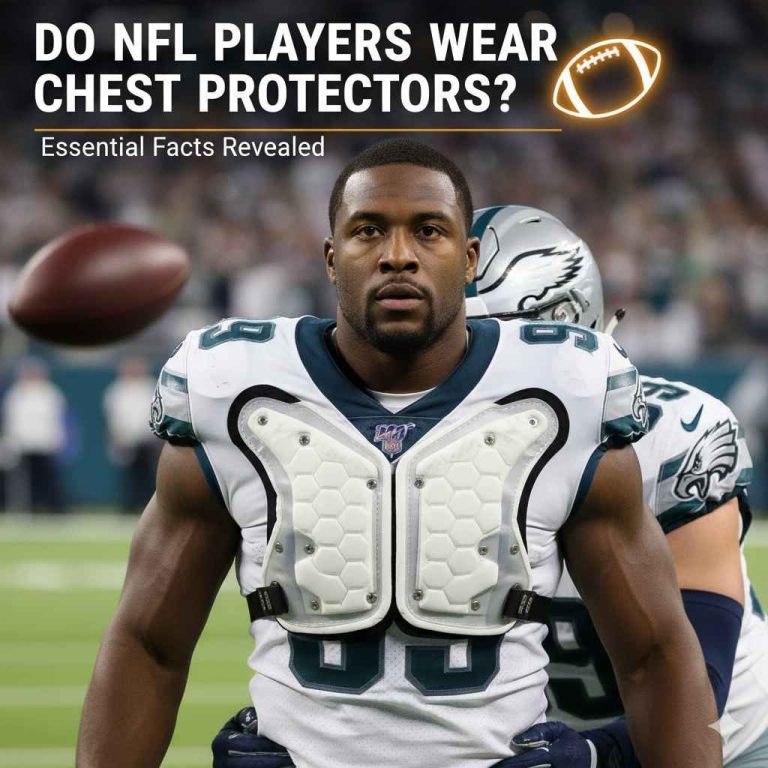
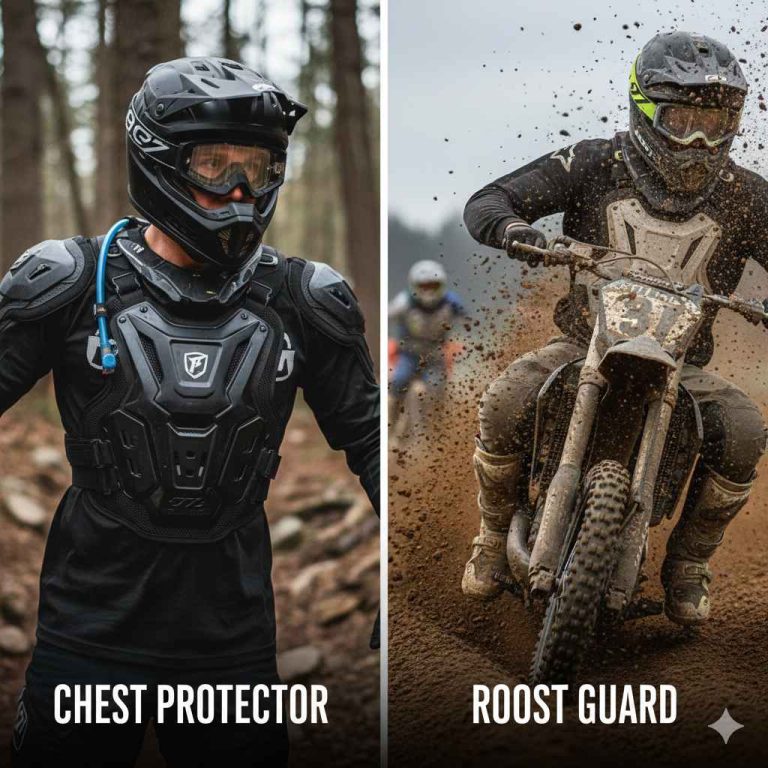
No, professional and organized football (American football) players do not wear traditional, external chest protectors like those seen in hockey or motorcycle sports. Instead, they rely on integrated padding built directly into their shoulder pads to protect the ribs, sternum, and upper torso.
For a closely related bow or archery topic, Do NFL Players Wear Chest Protectors? Essential Revealed gives readers a useful next step.
It’s easy to look at the massive gear worn by football players and wonder about every single piece of padding. You might see athletes in other sports, like baseball catchers or hockey goalies, wearing obvious chest protectors. This leads many new fans or parents of young players to ask: Do football players wear chest protectors? The short answer is a bit surprising: they don’t wear them in the way you might think. Modern football safety relies on highly specialized, built-in protection. This guide will clear up all the confusion surrounding torso protection in American football. We will look at what they do wear, why it works, and how that protection has changed over the years. You will walk away understanding exactly how players keep their chests safe on the field.
Understanding Football Safety Gear: Pads vs. Protectors
When we talk about protecting the torso in football, we often get terms mixed up. A “chest protector” usually refers to a separate piece of equipment worn over the jersey or under the shoulder pads, designed primarily for sternum or rib protection (like in lacrosse or hockey). Football equipment is different.
Why Football Gear Looks Different
Football demands maximum mobility for running, throwing, and tackling, while simultaneously absorbing massive, high-velocity impacts. Separate, bulky chest protectors would restrict movement too much.
Instead of a stand-alone chest protector, football players utilize a comprehensive system:
- Shoulder Pads: These are the main line of defense for the upper body, covering the shoulders, collarbones, and upper chest/back.
- Rib Protectors (Flak Jackets): These are specialized pads worn under the jersey and inside the shoulder pads, primarily for players prone to rib injuries (like quarterbacks or running backs).
- Integrated Components: The foam and plastic molded pieces built directly into the shoulder pads offer primary frontal sternum protection.

The Role of Shoulder Pads in Chest Protection
The shoulder pads are the most visible component of torso protection, and they do the heavy lifting when it comes to guarding the chest area. These pads are engineered specifically for football impacts.
Anatomy of a Football Shoulder Pad
A modern shoulder pad is a complex piece of engineering, not just a simple piece of foam. They are designed to disperse the energy of a hit across a wider area, protecting the clavicle (collarbone), sternum (breastbone), and rib cage.
- Outer Shell: Usually high-impact, reinforced plastic. This layer slides against other players during impact, reducing friction and spreading the force.
- Liner/Padding: Multi-density foam layers are crucial. Softer foam absorbs initial shock, while denser foam prevents hard objects from penetrating.
- Sternum Plate: Most quality shoulder pads include a hard plastic plate molded directly over the sternum area, offering rigid protection against direct frontal hits.
- Arch Support: The way the pads connect around the neck and upper chest helps keep the pads aligned during motion, ensuring the protective areas stay where they need to be.
It’s important to note that the fit is critical. If the shoulder pads are too big, the sternum plate can shift out of place, leaving the chest vulnerable. If they are too small, they won’t cover the necessary area.
When Do Football Players Wear Extra Chest Protection? (The “Flak Jacket”)
While standard shoulder pads offer good coverage, certain positions or players with specific injury histories often require extra protection. This is where the closest thing to a traditional “chest protector” comes into play: the rib protector, often nicknamed a “flak jacket.”
What is a Flak Jacket?
A flak jacket is a lightweight, vest-like piece of padding worn underneath the jersey but outside the base layer and inside the shoulder pads. It is designed specifically to protect the ribs and lower sternum—areas more exposed to direct knee or elbow hits, especially in the lower third of the chest cavity.
Who Typically Wears a Flak Jacket?
This extra protection is almost always optional, dictated by the player’s position or personal history.
- Quarterbacks (QBs): Because they hold the ball close to their chest and are often hit after throwing, QBs often wear them for extra rib safety.
- Running Backs (RBs) and Receivers (WRs): Players who take a lot of direct body hits while carrying or catching the ball benefit from the extra padding.
- Players with Prior Injuries: If a player has a history of broken or bruised ribs, a doctor or team trainer will strongly recommend a flak jacket for added stability.
These vests are far less bulky than hockey chest protectors. They use flexible, high-density foam or specialized shock-absorbing polymers that contour to the body, ensuring they do not interfere with throwing motion or running stride.
Comparing Football Torso Protection to Other Sports
To better understand why football uses its current system, it helps to see what other sports use. This comparison shows how football balances protection with necessary athleticism.
| Sport | Primary Torso Protection Method | Focus of Protection |
|---|---|---|
| American Football | Integrated Shoulder Pads + Optional Rib Vest | Impact dispersion, clavicle, and sternum coverage. |
| Ice Hockey (Goalie) | Large, external Chest & Arm Protector (CP) | Blocking high-speed puck shots; maximum coverage. |
| Lacrosse (Field Player) | Sleeveless Chest Guard (often mandatory) | Protecting against sticks and aggressive checks to the sternum/side. |
| Baseball (Catcher) | Large Chest Protector worn over jersey | Stopping foul tips and framing pitches; highly rigid impact absorption. |
As you can see, sports involving projectiles (pucks, baseballs) require thick, external armor. Football involves human-on-human impact, requiring gear that can absorb force while remaining flexible for dynamic movement.
Safety Standards and Equipment Regulations
Equipment in organized football is not left to chance. Strict regulations ensure that all players, from youth leagues to the NFL, meet minimum safety standards regarding impact absorption.
The Role of NOCSAE
In the United States, safety standards for protective equipment, including helmets and padding, are often governed by the National Operating Committee on Standards for Athletic Equipment (NOCSAE). This organization sets benchmarks that manufacturers must meet to sell their gear for organized play.
For torso padding, the focus is heavily on:
- Energy absorption rate under repeated impact.
- Coverage area relative to the size and shape of the player.
- Ensuring the gear does not cause overheating or restrict breathing.
If you are buying equipment for a beginner or youth player, always check that the shoulder pads and any optional rib protectors carry the current NOCSAE stamp of approval. This certification ensures the gear has passed rigorous testing protocols relevant to the sport, often involving controlled impact testing devices. You can review current testing standards published by organizations like the National Football League (NFL) or related safety bodies to understand their priorities.
How to Properly Wear Your Torso Protection
Even the best gear won’t work if it’s worn incorrectly. This section is especially important for beginners learning the fundamentals of football safety.
Step-by-Step Guide to Wearing Shoulder Pads and Rib Protection
Follow these steps to ensure your main chest protection is positioned correctly before putting on your jersey.
- Wear the Base Layer First: Always wear a moisture-wicking, tight-fitting shirt or compression layer against your skin. This prevents chafing and helps keep pads in place.
- Add the Optional Rib Protector (If Applicable): If using a flak jacket, put it on now. Ensure the padding sits smoothly across your ribs and sternum. It should feel snug but not restrictive when you breathe deeply.
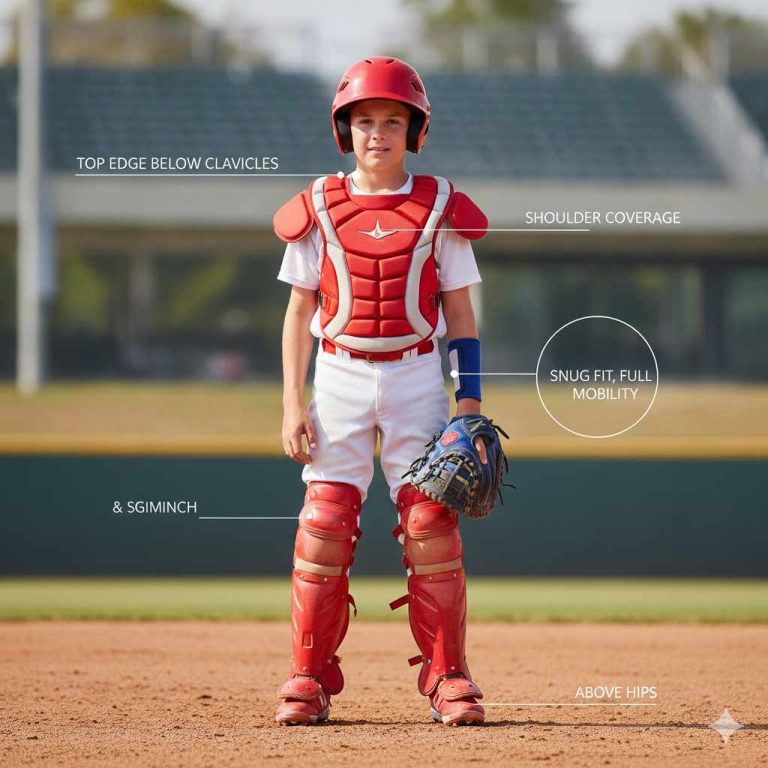
- Put on the Shoulder Pads: Slide your arms through the straps. The pads should sit high on your shoulders, with the front arch resting comfortably just below your collarbone.
- Check the Fit (The Crucial Step):
- Shoulder Coverage: The front padding should fully cover your sternum. When you lift your arms, the pads should not ride up so high that they expose your armpits or shoulders.
- Waistline: The bottom edge of the pads should rest comfortably on your hips (or slightly above, depending on the style), ensuring the rib coverage is maintained.
- Movement Check: Move your arms as if you are throwing, running, and turning. Do the pads shift excessively? If so, tighten the internal straps or adjust the front clasps.
- Secure Everything: Fasten all internal and external straps tightly. Football gear relies on being snug to manage impact forces effectively.
- Jersey On: Finally, pull your jersey over the equipment. It should fit reasonably well without pulling excessively across the pads.
Remember, modern shoulder pads often have built-in padding for the lower back and sometimes include attachments for additional flank/rib pads that clip directly onto the main harness. Always follow the manufacturer’s specific instructions for assembly.
The Difference Between Youth Football and Professional Gear
A common question from parents concerns the gear used by young players versus college or professional athletes. While the basic principles remain the same, there are significant differences in construction and complexity.
Youth Football Considerations
For younger players, safety is paramount, and the gear is designed to be lighter and simpler.
- Less Bulk: Youth pads prioritize range of motion over maximum impact absorption needed by 300-pound linemen.
- Simpler Construction: Often fewer adjustable components, making it easier for parents or coaches to fit them correctly.
- Rib Protection: Optional rib protection is less common in very young leagues (U8-U12) unless specifically mandated by a team for a particular player.
Professional/College Gear Considerations
At higher levels, protection is heavier, denser, and highly customized.
- Customization: Professional players often have their pads modified by equipment managers to add extra foam density (e.g., using specialized materials like D3O or Poron XRD) to specific spots like the sternum or ribs.
- Weight and Material: Materials are designed to withstand repeated, high-speed collisions over a season.
- Air Flow: Despite the heavy padding, high-level gear often incorporates advanced venting to manage the extreme heat generated during intense play.
The core takeaway is that professional players are maximizing protection within the constraints of an integrated shoulder pad system, supplemented only when necessary with a thin rib vest. They are not wearing bulky, external chest protectors.
Maintenance: Keeping Your Torso Protection Effective
Even the best chest and shoulder protection degrades over time, especially with rigorous use. Proper care ensures the foam maintains its shock-absorbing qualities.
Quick Care Tips for Your Pads
Neglected pads can become breeding grounds for bacteria, and the foam can stiffen, reducing protection.
- Air Dry Immediately: After every practice or game, remove the shoulder pads from your gear bag. Never leave sweaty pads balled up in a dark, damp environment.
- Wipe Down Plastic Shells: Use a damp cloth and mild soap to clean the exterior plastic shells to remove dirt and grime.
- Disinfect the Padding (Carefully): Use a spray disinfectant designed for athletic gear (often diluted white vinegar or specialized sprays) on the foam liners. Check your manufacturer’s instructions—some foams can be damaged by harsh chemicals or excessive soaking.
- Inspect for Damage: Regularly check the plastic shell for cracks and the foam for compression. If a piece of foam is permanently compressed (it doesn’t spring back after a hit), it no longer offers adequate protection and should be replaced.
- Check Straps and Clasps: Ensure all Velcro, buckles, and elastic straps are securely attached. Broken or worn straps are the number one reason shoulder pads shift during play.
If you notice that the internal padding seems thin or overly brittle compared to new equipment, it’s a sign that the energy absorption capability has diminished, and it’s time for an upgrade. Safety first!

FAQ: Beginner Questions About Football Gear
Here are some common questions new players or parents might have about chest protection in football.
Q1: Are chest protectors mandatory in youth football?
A: Generally, no. Standard shoulder pads that cover the sternum are mandatory. Optional, separate rib protectors (flak jackets) are usually left to parental discretion or team recommendation, depending on the league’s rules.
Q2: Does the quarterback wear special chest protection?
A: Not necessarily special protection, but QBs often choose to wear an added rib protector (flak jacket) under their shoulder pads because they are sometimes hit in the midsection while throwing.
Q3: Can a player wear a hockey chest protector instead of football shoulder pads?
A: No. Hockey protectors are designed differently and do not offer the necessary rigid structure for the shoulder joints and collarbones required in football impacts. It would also violate most league rules.
Q4: How often should I replace my child’s shoulder pads?
A: If they are used frequently, inspect them yearly. Replace them immediately if you see deep cracks in the plastic or if the foam padding appears permanently flattened or brittle, typically every 2–4 seasons for active players.
Q5: Why do football players’ jerseys look so tight over the chest?
A: Modern jerseys are often made of stretchable, tight material designed to fit snugly over the bulky pads to prevent opponents from grabbing loose fabric. This tight fit makes the pads look very prominent underneath.
Q6: Is it safe to wear old, hand-me-down shoulder pads?
A: Only if they are in excellent condition. The padding material degrades over time, losing its ability to absorb impact, even if the plastic looks fine. Always prioritize new or very lightly used gear for maximum safety.
Conclusion: Confidence Through Correct Padding
So, do football players wear chest protectors? The definitive answer is that they rely on highly specialized, integrated protection built into their shoulder pads, supplemented by optional, thin rib vests for extra coverage. They skip the bulky, external chest protectors common in sports like hockey because football demands athletic freedom alongside protection.
For anyone new to the sport—whether you are lacing up for your first practice or coaching a youth league—understanding this system is key. When you check that the shoulder pads fit snugly, cover the sternum completely, and are correctly strapped down, you’ve managed the vast majority of torso protection needs. Focus on proper fit, regular maintenance, and always prioritize NOCSAE-approved gear. By focusing on these core pieces of equipment, you can step onto the field knowing you have the best possible defense for the chest, allowing you to focus on the fun, the strategy, and the game itself. Keep practicing, wear your gear right, and enjoy the powerful action of football!