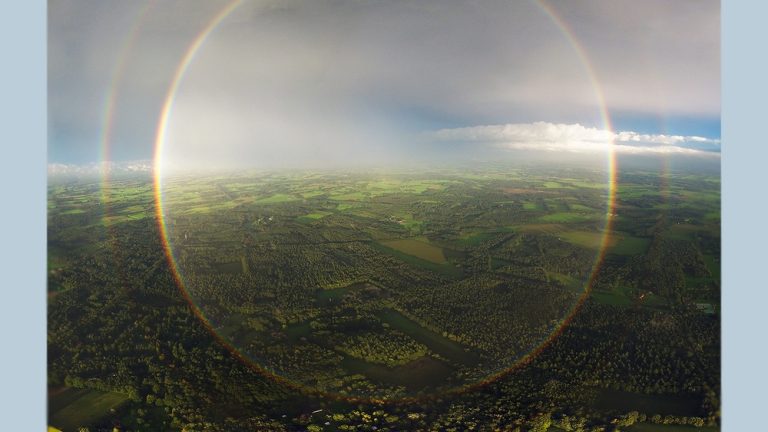
Are All Rainbows Double? Yes, Just Too Faint to See
Yes, every rainbow technically has a fainter secondary arc, but it is only about 10% as bright as the primary bow, so it is usually too dim to notice. Chasing a double rainbow on a random cloudy afternoon usually disappoints, since it takes bright sun, heavy rain, and a clear sky angle to make that faint second arc visible. This guide covers the physics behind both arcs, why the colors reverse, and when you actually have a shot at seeing one.
What Makes a Rainbow?
Picture this: I’m standing in my backyard after a summer storm, the air still damp, and a vibrant rainbow stretches across the horizon. It’s breathtaking, but how does it happen? Rainbows form when sunlight interacts with raindrops in the air. Each droplet acts like a tiny prism, bending light into its colors—red, orange, yellow, green, blue, indigo, and violet. This process is called refraction (see our deeper dive on how rainbows form), and it’s the magic behind those colorful arcs.
When sunlight enters a raindrop, it slows down and bends. Then, it reflects off the inside of the drop and bends again as it exits. This splits the light into its spectrum, creating the rainbow we see. But here’s the cool part: the angle at which this happens, about 42 degrees for the primary rainbow, is super precise. That’s why rainbows always appear in the same part of the sky, opposite the sun.
I’ve noticed that rainbows only show up when the sun is behind me and the rain is in front. It’s like a cosmic alignment! The raindrops have to be just the right size and distance to make it work. Too small, like fog, and you get something else entirely—like a glory or a fogbow. But let’s stick with rainbows for now.
The Double Rainbow Phenomenon
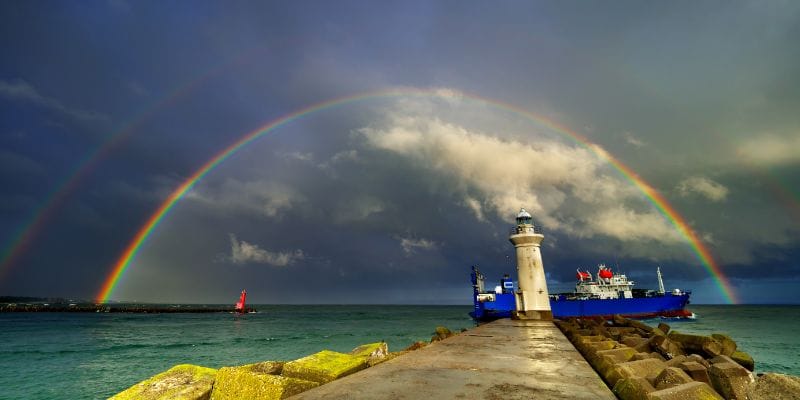
Okay, so are all rainbows double? Here’s where things get interesting. Every time a primary rainbow forms, there’s actually a fainter secondary rainbow hiding out there. I didn’t believe it at first either, but after squinting at the sky on a few bright days, I’ve seen it myself. The double rainbow happens because light doesn’t just reflect once inside a raindrop—it can reflect twice.
This second reflection creates a secondary rainbow, which appears above the primary one. It’s fainter because some light gets lost in the process, and the colors are reversed—red is on the inside, violet on the outside. The first time I spotted one, I felt like I’d cracked a secret code of nature. But here’s the catch: you don’t always see the secondary rainbow. It’s dimmer and needs bright sunlight and lots of raindrops to be visible.
There’s also this dark band between the two rainbows, called Alexander’s band. It’s darker because the light gets scattered in a way that leaves less of it in that space. I love pointing this out to friends when we’re rainbow-watching—it makes me feel like a sky detective!
Why Don’t We Always See Double Rainbows?
So, if every rainbow has a fainter twin, why don’t I see a double rainbow every time? Good question! It comes down to conditions. The secondary rainbow is about 10% as bright as the primary one, so it needs perfect weather to stand out. Bright sunlight, a good amount of rain, and a clear view of the sky are key.
I remember one time driving through the countryside after a storm, and the double rainbow was so vivid I pulled over to take pictures. But other times, I’ve strained my eyes and seen nothing but the primary arc. Things like clouds, haze, or even the angle of the sun can hide the secondary one. If the sun is too high in the sky—say, above 42 degrees—it’s harder to see any rainbow at all.
Pollution or dust in the air can also dim the secondary rainbow. And sometimes, it’s just about patience. I’ve learned to look a little higher in the sky, just above the bright arc, to spot that faint second bow. Trust me, once you see it, you’ll never stop looking for it!
The Science Behind Double Rainbows
Let’s get a bit nerdy for a moment—don’t worry, I’ll keep it simple. The primary rainbow forms from one internal reflection of light inside a raindrop. The secondary rainbow comes from two reflections. Each reflection flips the light, which is why the colors reverse in the secondary bow. It’s like the light is doing a double take inside the drop!
The secondary rainbow also appears at a wider angle—about 50 to 53 degrees from your eye. That’s why it’s always above the primary one. I find it fascinating that something as simple as a raindrop can create such a complex show. The table below breaks down the differences between the two:
| Feature | Primary Rainbow | Secondary Rainbow |
|---|---|---|
| Number of Reflections | One | Two |
| Color Order | Red outside, violet inside | Violet outside, red inside |
| Brightness | Brighter | Fainter (about 10% as bright) |
| Angle from Observer | ~42 degrees | ~50-53 degrees |
| Position | Lower in the sky | Above the primary rainbow |
I’ve stared at this setup in the sky so many times, and it never gets old. Knowing the science makes it even cooler, like I’m in on nature’s little secret.
Other Types of Rainbows
Here’s where my rainbow obsession took me down a rabbit hole. Did you know there are more than just primary and secondary rainbows? I was blown away when I learned about supernumerary rainbows. These are faint, pastel-colored bands that sometimes appear inside the primary rainbow. They’re caused by light waves interfering with each other, creating extra arcs. There are also full-on distinct rainbow types worth knowing — see our guide to different kinds of rainbows. I’ve only seen them once, on a super clear day, and they looked like a delicate bonus to the main show.
Then there’s the reflection rainbow, which happens when sunlight reflects off a body of water, like a lake, before hitting raindrops. I saw one of these while hiking near a lake in Colorado—it was like the sky doubled down on rainbows! There are also moonbows (rainbows caused by moonlight), twinned rainbows (where the arc splits), and even red rainbows at sunset when only red light is left in the sky.
Each type feels like a little gift from nature. It’s like the sky is saying, “Hey, you thought one rainbow was cool? Check this out!”
Cultural and Symbolic Meanings of Double Rainbows
Rainbows have always felt magical to me, but double rainbows? They’re next-level special. Across cultures, rainbows often symbolize hope, peace, or a bridge to something divine. When I saw my first double rainbow, it felt like a sign of good luck. In some Native American traditions, a double rainbow is seen as a balance between the physical and spiritual worlds. In Hawaiian culture, rainbows are tied to the divine, and a double one might mean extra blessings.
I’ve talked to friends who swear a double rainbow appeared during big moments in their lives—like after a wedding or during a tough time. It’s hard not to feel like the universe is speaking to you when you see one. For me, it’s a reminder that beauty can show up even after a storm.
Tips for Spotting Double Rainbows
Want to catch a double rainbow yourself? I’ve got some tips from my rainbow-hunting adventures. First, timing is everything. Look for rainbows right after a rain shower when the sun breaks through. Late afternoon is prime time—the sun is lower, and the light is perfect for rainbows.
Stand with your back to the sun and scan the sky opposite it. The primary rainbow will be the brightest, but look just above it for the fainter secondary rainbow. Sunglasses can help, especially polarized ones—they make the colors pop and reduce glare. I always keep a pair in my car for impromptu rainbow hunts.
If you’re in a city, try to get to an open area with a clear view. Buildings and trees can block the arc. And don’t forget to check for that dark Alexander’s band between the two rainbows—it’s a dead giveaway you’re seeing a double.
Chasing Rainbows in the USA
Living in the USA, I’ve been lucky to chase rainbows in some amazing places. States like Hawaii, with its frequent rain showers and bright sun, are rainbow heaven. I’ve heard locals call it the “Rainbow State” for a reason! Places like the Pacific Northwest, with its misty weather, or even the Great Plains after a thunderstorm, are also great spots.
One of my favorite memories was seeing a double rainbow over the Grand Canyon. The colors against the red rocks were unreal. If you’re planning a trip, keep an eye on the weather forecast. A mix of rain and sun is your best bet for a rainbow show.
The Joy of Rainbows
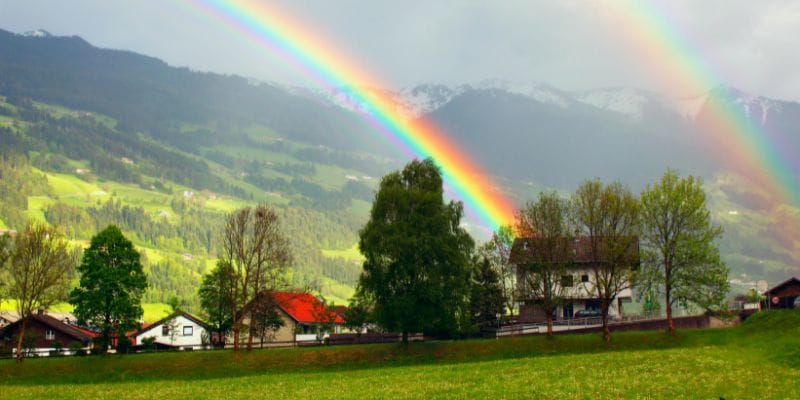
Every time I see a rainbow, it’s like a little moment of joy. A double rainbow? That’s pure magic. There’s something about those colorful arcs that makes you stop and smile, no matter what’s going on. I’ve stood in muddy fields, gotten soaked in the rain, and even pulled over on busy highways just to soak in the view. And every time, it’s worth it.
Rainbows remind me that beauty can show up when you least expect it. They don’t last long, so you have to savor them while they’re there. For me, chasing rainbows is about more than just the science—it’s about finding wonder in the everyday.
Conclusion
So, are all rainbows double? In a way, yes—every primary rainbow has a secondary rainbow out there, even if we can’t always see it. It’s like nature’s little bonus track, waiting for the right moment to shine. I’ve learned so much from chasing these colorful arcs, from the science of refraction to the thrill of spotting a faint double rainbow after a storm. Whether you’re a science nerd like me or just someone who loves a good sky show, there’s something magical about rainbows that speaks to everyone.
Next time it rains, grab your sunglasses and look up. You might just catch a double rainbow and feel that same spark of wonder I do. Keep chasing the beauty in the sky—it’s always worth it.
FAQs
What is a double rainbow?
A double rainbow is when you see two rainbows in the sky at the same time. The brighter one is the primary rainbow, and the fainter one above it is the secondary rainbow. The secondary bow forms from light reflecting twice inside raindrops, and its colors are reversed.
Why is the secondary rainbow fainter?
The secondary rainbow is fainter because it involves two reflections of light inside a raindrop. Each reflection loses some light, so less reaches your eyes compared to the primary rainbow. Bright sunlight and lots of raindrops help make it more visible.
Can you see a double rainbow at night?
Not really, but you might see a moonbow, which is a rainbow caused by moonlight. A double moonbow is possible, but it’s super rare because moonlight is much dimmer than sunlight. You’d need a bright full moon and perfect conditions.
What causes the dark band between double rainbows?
That dark band is called Alexander’s band. It happens because light gets scattered in a way that leaves less of it between the primary and secondary rainbows. It’s like a shadow in the sky, making the rainbows stand out even more.
Are double rainbows rare?
Double rainbows aren’t exactly rare, but they’re harder to spot because the secondary rainbow is fainter. You need bright sunlight, plenty of raindrops, and a clear view to see one. With the right conditions, they’re more common than you might think!