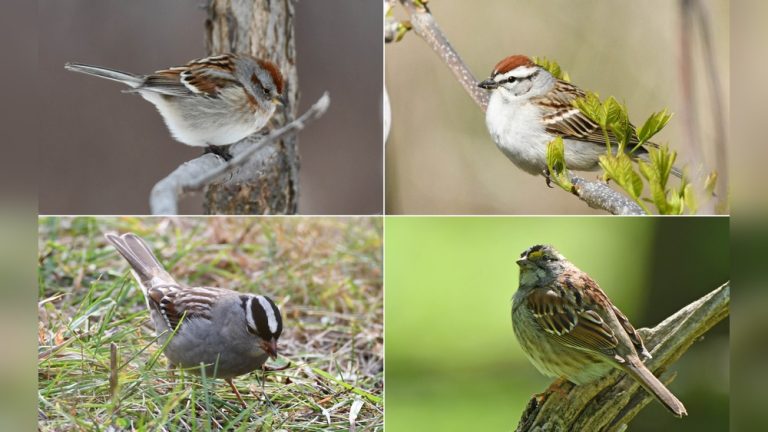
Are House Sparrows Aggressive: Shocking Truths Revealed!
Have you ever noticed a small bird acting bold or even pushy around your home? You might be wondering, are house sparrows aggressive? For more on this, see our guide on Is Bow Dextarity With the Hand You Draw. For more on this, see our guide on Are There Any Wild Stands of American Chestnut Trees Left.
For a related arrow setup, Are House Sparrows Bad? Uncover Shocking Truths Today! gives readers another detail to check before shooting.
Understanding their behavior can help you decide how to manage their presence without stress. You’ll discover the surprising ways these little birds interact with their surroundings—and what that means for you and your space. Keep reading to learn the truth about house sparrows and how to handle them wisely.
House Sparrow Behavior
House sparrows are common birds found near homes and cities. Their behavior is interesting and sometimes surprising. Understanding how they act helps us know if they are aggressive or not. House sparrows show different behaviors depending on the situation and other birds around them.
Typical Temperament
House sparrows are generally bold and active birds. They move quickly and often make loud chirping sounds. These birds are curious and not shy around people. They like to stay in groups called flocks. Their temperament can be protective, especially during nesting season. Male sparrows may show more aggressive behavior to guard their territory. Females tend to be calmer but will defend their nests if needed.
Interactions With Other Birds
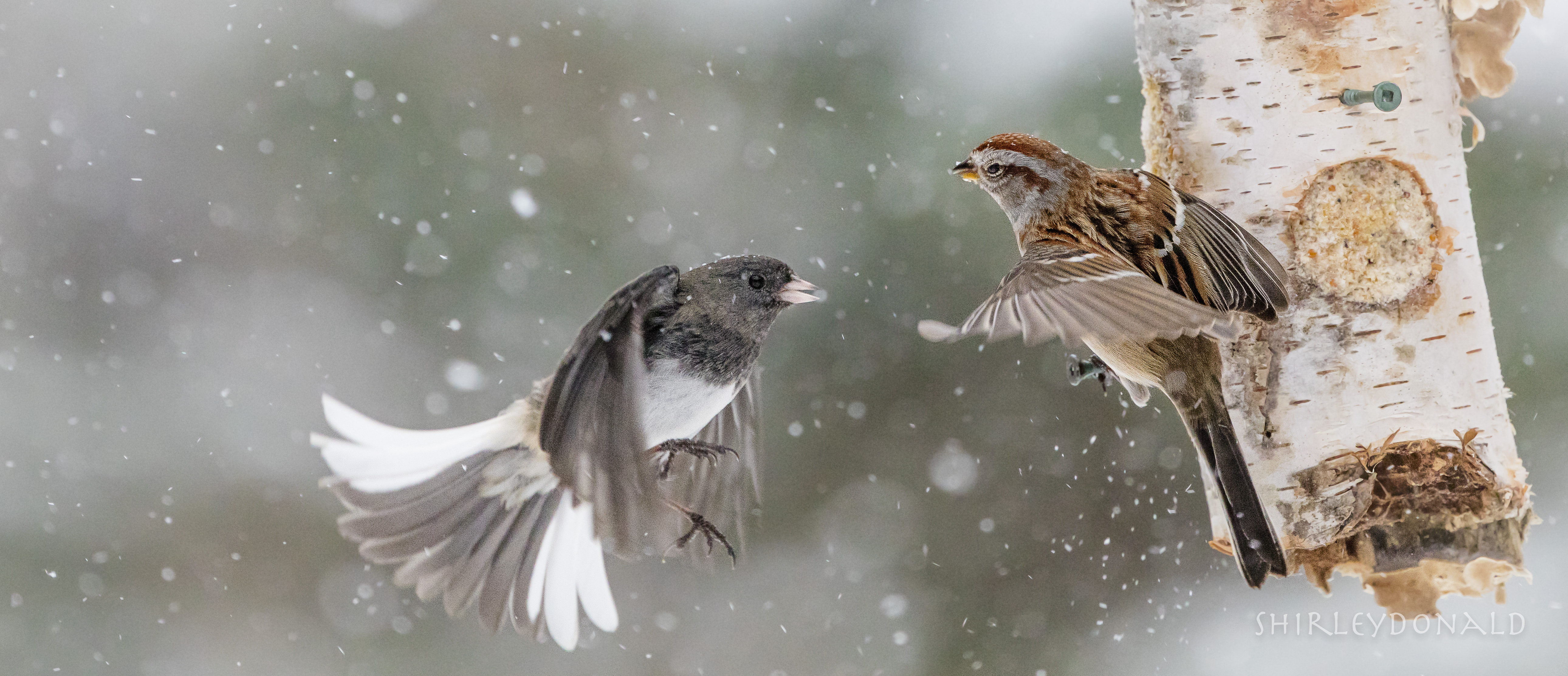
House sparrows often compete with other birds for food and space. They can chase away smaller birds from feeders or nesting spots. Sometimes, sparrows fight with birds like finches or bluebirds. These fights are usually brief but can seem aggressive. Sparrows also use loud calls to warn others and keep rivals away. Despite this, they often share feeding areas peacefully with some bird species.
:max_bytes(150000):strip_icc()/hosp-58c7fdc85f9b58af5cd15f88.jpg)
Signs Of Aggression
House sparrows can show aggressive behavior. This helps them protect their space and food. You can spot their aggression by watching their actions closely. Understanding these signs helps you know what to expect from these birds.
Territorial Disputes
House sparrows defend their territory strongly. They chase away other birds that come too close. Loud chirping and rapid wing flapping are common signs. Sometimes, they may even peck or push intruders. These fights usually happen near nests or favorite perches.
Feeding Time Conflicts
During feeding, sparrows may act aggressively. They compete for food by pecking or shoving. Dominant birds take the best spots at feeders. Smaller sparrows often back away to avoid fights. Watch for quick movements and sharp calls during these times.
Causes Of Aggression
House sparrows can show aggressive behavior for several reasons. Understanding these causes helps explain why they sometimes act hostile. Their aggression is often linked to survival needs and reproduction.
Competition For Resources
House sparrows compete for food, water, and shelter. These resources are limited, especially in cities. Sparrows fight to secure the best feeding spots. They also defend nesting sites from other birds. This competition can make them seem very aggressive.
Breeding Season Influence
During breeding season, sparrows become more territorial. Males protect their nests and mates fiercely. They chase away rivals to keep their territory safe. This behavior helps ensure their young survive. Aggression peaks during this time to guard family and space.
Impact On Local Wildlife
House sparrows can affect local wildlife in several ways. Their presence changes the balance of bird populations and habitats. These birds are known for their strong and sometimes aggressive behavior. This behavior impacts native bird species and the overall diversity in the area.
Displacement Of Native Birds
House sparrows often compete with native birds for food and nesting spots. They are quick to take over prime locations. This leaves fewer safe places for native birds to live and breed. Some native species may move away or decline in number. The sparrows’ aggressive nature pushes out smaller, less competitive birds.
Effects On Bird Diversity
The dominance of house sparrows can reduce bird variety. Fewer types of birds mean less balance in the ecosystem. Some native birds might disappear completely in areas crowded by sparrows. This loss affects plants and insects that depend on those birds. Overall, bird diversity drops, and nature loses its richness.
Managing Sparrow Aggression
Managing sparrow aggression is key to peaceful coexistence in shared spaces. House sparrows can be territorial and noisy, which causes problems for other birds and people. Taking steps to reduce their aggressive behavior helps protect other wildlife and keeps your environment calm.
Controlling sparrow aggression involves careful planning and using simple techniques. These methods limit sparrow dominance and encourage harmony among birds. Here are two effective ways to manage their behavior.
Deterrent Methods
Using deterrents can discourage house sparrows from aggressive acts. Visual deterrents like reflective tape or fake predators scare sparrows away. Sound devices emitting distress calls also reduce their presence. Physical barriers such as bird spikes or netting prevent sparrows from nesting in unwanted areas. These tools lower sparrow numbers and limit their aggressive encounters.
Creating Balanced Habitats
Balanced habitats support many bird species, reducing sparrow aggression. Planting diverse shrubs and trees offers food and shelter to other birds. This variety prevents sparrows from dominating one area. Providing multiple feeders with different seed types attracts various birds. A healthy, mixed bird community keeps sparrows in check naturally. Balanced habitats promote peaceful bird interactions and lessen conflicts.
Frequently Asked Questions
Are House Sparrows Naturally Aggressive Birds?
House sparrows can be aggressive, especially during breeding. They defend territory fiercely and compete for food. This behavior helps them survive in urban and rural areas. Their aggression is mostly towards other birds, ensuring access to resources and nesting sites.
Do House Sparrows Attack Other Bird Species?
Yes, house sparrows often chase away smaller birds. They compete for nesting spots and food sources. This aggressive behavior can displace native birds. It is a survival strategy to maintain their territory and resources.
How Do House Sparrows Show Aggression?
House sparrows show aggression by chasing, pecking, and vocalizing loudly. They use physical displays to intimidate rivals. Aggression peaks during mating season when protecting nests. These actions help secure their space and mates effectively.
Can House Sparrows Harm Humans Or Pets?
House sparrows rarely harm humans or pets. They are more focused on defending territory from other birds. Their aggression is mostly limited to bird-to-bird interactions. They pose minimal risk to people and household animals.
Conclusion
House sparrows can act aggressive, especially near food or nests. They compete with other birds and sometimes chase them away. This behavior helps them protect their space and resources. Knowing this helps you understand their actions better. They are small but bold birds.
Watching them closely shows their lively nature. So, expect some fuss if sparrows visit your garden. Their aggression is natural and part of their survival. Respect their space to avoid conflicts.