Are ACOG Scopes Good for Hunting? My Experience in the Field
Are ACOG Scopes Good for Hunting? My Experience in the FieldI stood in the chilly dawn, my rifle ready, eyeing a deer 200 yards away. My Trijicon ACOG scope made the shot clear and easy. Are ACOG scopes good for hunting? I’ve used them for years, and I’m excited to share why they’re great for beginners and pros alike. This article explains what ACOG scopes are, their benefits, drawbacks, and tips to use them for hunting. I’ll share simple stories and advice to help you decide if an ACOG is right for your next hunt.
What Is an ACOG Scope?
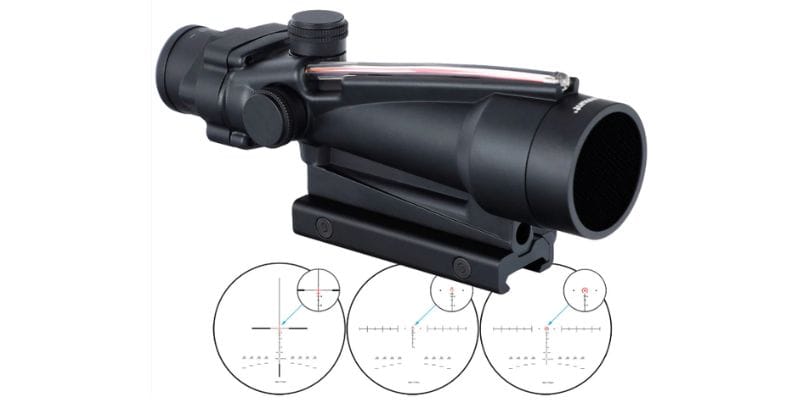
An ACOG scope is a tough, fixed-power optic made by Trijicon. It stands for Advanced Combat Optical Gunsight. These scopes are built for soldiers but work great for hunters too. They have a bright, clear reticle that lights up without batteries, using tritium and fiber optics. I love how they stay reliable in rain or cold. Most ACOGs have 1.5x to 6x magnification, perfect for short to medium-range shots.
Why Use ACOG Scopes for Hunting?
ACOG scopes shine in tough conditions. Their rugged design handles bumps and bad weather. I’ve dropped my rifle in mud, and my ACOG still worked perfectly. The illuminated reticle adjusts to light, so it’s bright in daylight and dim at dusk. This helps you aim fast, like when a hog bolts across a field. They’re also light, so your rifle stays easy to carry.
Key Benefits for Hunters
- Tough Build: Survives rough handling and harsh weather.
- Clear Reticle: Easy to see in any light, no batteries needed.
- Fast Aiming: Great for quick shots at moving animals.
How to Choose an ACOG Scope for Hunting
Choosing an ACOG can feel tricky. I learned this when I bought my first one for deer hunting. You need to think about magnification, reticle type, and your rifle. Here’s a simple guide to pick the right one.
Step-by-Step Guide to Picking an ACOG
- Check Magnification: Use 1.5x–3.5x for close-range hunting (under 100 yards). Pick 4x–6x for longer shots (100–300 yards).
- Pick a Reticle: Chevron or crosshair reticles are easy to use. I like the chevron for fast aiming.
- Match Your Rifle: Ensure the scope’s bullet drop compensator (BDC) fits your caliber, like 5.56 or .308.
- Test Eye Relief: ACOGs have short eye relief (1–2 inches). Practice to avoid bumping your eye.
- Buy from Trusted Stores: Check Trijicon or OpticsPlanet for real ACOGs, not fakes.
Table 1: Comparing Popular ACOG Models for Hunting
| Model | Magnification | Reticle Type | Best For | Price Range |
|---|---|---|---|---|
| TA31 4×32 | 4x | Chevron | Deer, Hog (100–300 yards) | $1000–$1300 |
| TA33 3×30 | 3x | Crosshair | Varmint, Close Range | $900–$1100 |
| TA11 3.5×35 | 3.5x | Donut | All-Purpose Hunting | $1100–$1400 |
| Caption: This table compares ACOG models to help you choose one for hunting. |
Mounting and Zeroing Your ACOG Scope
Mounting an ACOG is easy with the right tools. I mounted mine on an AR-15 for hog hunting. You need a Picatinny rail and a screwdriver. Zeroing takes practice but makes your shots accurate.
Steps to Mount and Zero an ACOG
- Attach the Scope: Secure it to your rifle’s rail. Tighten screws gently.
- Set Eye Relief: Position the scope so your eye sees a clear image.
- Zero at 100 Yards: Shoot at a target and adjust windage and elevation.
- Test Shots: Fire a few rounds to confirm accuracy.
Visual Idea 1
A diagram showing how to mount an ACOG on a Picatinny rail. It would mark screw positions and eye relief distance. This helps beginners see the setup clearly.
Benefits of ACOG Scopes for Hunting
ACOGs are reliable and fast. Their BDC reticle helps you aim at different distances without guessing. I hit a coyote at 250 yards using the BDC marks. The scopes are also fog-proof and waterproof, so they work in rain or snow. Their small size keeps your rifle light, which is great for long hikes.
Table 2: Benefits vs. Drawbacks of ACOG Scopes for Hunting
| Feature | Benefit | Drawback |
|---|---|---|
| Durability | Survives drops and weather | Expensive ($900–$1500) |
| Reticle | Bright, no batteries needed | Can be too bright in sun |
| Magnification | Good for 100–300 yards | Fixed, not adjustable |
| Caption: This table shows why ACOGs are great but also their limits. |
Drawbacks of ACOG Scopes for Hunting
ACOGs aren’t perfect. They’re pricey, often over $1000. The fixed magnification can be limiting if animals are very close or far away. I once missed a deer at 50 yards because 4x was too much zoom. The short eye relief also takes practice to avoid bumps. Some hunters prefer red dots or variable scopes for more flexibility.
Alternatives to ACOG Scopes
Not sure if an ACOG is right? Other options work well for hunting. Red dot sights, like those from Aimpoint, are great for close-range shots. Low-power variable optics (LPVOs) offer adjustable zoom for versatility. I’ve used a Vortex 1-6x LPVO for mixed-distance hunts, and it’s fantastic.
Table 3: ACOG vs. Alternatives for Hunting
| Optic Type | Best For | Pros | Cons | Price Range |
|---|---|---|---|---|
| ACOG Scope | Medium Range (100–300 yards) | Durable, clear reticle | Expensive, fixed zoom | $900–$1500 |
| Red Dot | Close Range (0–100 yards) | Fast, lightweight | No magnification | $200–$600 |
| LPVO (1-6x) | Mixed Distances | Adjustable zoom | Heavier, needs batteries | $300–$1000 |
| Caption: This table compares ACOGs to other optics for hunting. |
My Top Tips for Using ACOG Scopes in Hunting
I’ve hunted with ACOGs for years. Here are my best tips to make them work for you.
- Practice with BDC: Learn your reticle’s marks for different ranges. It saved my shot on a moving hog.
- Use a Sunshade: Bright sunlight can make the reticle too bright. A shade helps.
- Check Your Mount: Loose screws ruin accuracy. Tighten them before every hunt.
Visual Idea 2
A simple chart showing BDC reticle marks for 100, 200, and 300 yards. It would help hunters understand how to aim at different distances.
Common Mistakes to Avoid with ACOG Scopes
Beginners make mistakes with ACOGs. I did too! Don’t skip zeroing; it ensures your shots hit. Avoid cheap knockoffs—they break easily. I bought a fake ACOG once, and it failed after one hunt. Also, don’t ignore eye relief. Practice your cheek weld to avoid bumps.
Safety Tips for Hunting with ACOG Scopes
Safety is key when hunting. Always check your scope’s mount before shooting. A loose scope can throw off your aim. Keep your lens clean for a clear view. I use a soft cloth to avoid scratches. Never point your rifle at anything you don’t intend to shoot, even when adjusting your scope.
Visual Idea 3
A basic sketch of a hunter checking their ACOG’s mount and lens before a hunt. It would show safe handling steps clearly.
Frequently Asked Questions
Are ACOG Scopes Good for Hunting?
Yes, ACOG scopes are great for hunting. They’re tough, clear, and fast for aiming. I’ve used them for deer and hogs at 100–300 yards. Their BDC reticle helps with long shots, and they work in any weather. But they’re expensive and have fixed zoom, so consider your needs.
What’s the Best ACOG Model for Hunting?
The Trijicon TA31 4×32 is my favorite for hunting. It’s great for 100–300-yard shots with a clear chevron reticle. The 3.5×35 TA11 is also good for all-purpose hunting. Check Brownells for deals on these models.
Can Beginners Use ACOG Scopes?
Absolutely! ACOGs are simple to use. Their reticle is easy to see, and they don’t need batteries. Practice zeroing and handling to get comfortable. I taught my nephew to use one in an afternoon, and he hit targets at 200 yards.
Are ACOG Scopes Worth the Price?
ACOGs cost $900–$1500, but they’re worth it for durability and clarity. I’ve used mine for 10 years without issues. If your budget is tight, try a clone like the Steiner T332, but real ACOGs last longer. Compare prices at trusted retailers.
How Do ACOGs Compare to Red Dots for Hunting?
ACOGs are better for 100–300 yards with their magnification and BDC. Red dots shine at close range (0–100 yards) with unlimited eye relief. I use red dots for fast, close shots and ACOGs for longer ranges. Choose based on your hunting style.
Do ACOG Scopes Work in Low Light?
Yes, ACOGs are great in low light. Their tritium and fiber optic reticle glows without batteries. I’ve hunted hogs at dusk with clear aim. Just ensure your scope’s tritium isn’t old, as it dims after 10–15 years.
Can I Use an ACOG on Any Rifle?
ACOGs fit rifles with Picatinny or Weaver rails, like AR-15s or bolt-action rifles. Match the BDC to your caliber (e.g., 5.56 or .308). I’ve used mine on an AR-15 and a Remington 700 with no issues. Check compatibility before buying.
Conclusion
ACOG scopes are tough, clear, and great for hunting. They help you aim fast and hit targets at 100–300 yards. Their fixed zoom and high price are drawbacks, but their reliability is unmatched. Try an ACOG on your next hunt, or explore a red dot or LPVO for other needs. Share your hunting stories in the comments—I’d love to hear them! Happy hunting, and stay safe!