Different Names for Crossbows: Arbalest, Gastraphetes & More
Explore different names for crossbows, from historical terms like arbalest and gastraphetes to modern ones like compound and recurve. This simple guide breaks down terminology for beginners, making it easy to understand types, parts, and uses for safe, fun archery.
Crossbows come with a lot of names and terms. This can feel overwhelming if you’re just starting out. You might hear words like “arbalest” or “chu-ko-nu” and wonder what they mean. It’s a common mix-up for new archers. But don’t stress. Anyone can learn this. In this guide, I’ll walk you through it all in easy steps. You’ll get clear explanations on historical names, modern types, and key terms. By the end, you’ll know how to talk about crossbows with confidence. Let’s dive in and make archery fun and simple.
Understanding the Basics of Crossbows
A crossbow is a bow mounted on a stock that shoots bolts or arrows. It’s like a mix of a bow and a gun. You pull back the string, lock it, and release with a trigger. This makes it easier for beginners than a regular bow.
Why learn the names? Knowing terms helps you pick the right gear. It also keeps you safe. For example, understanding “dry fire” means not shooting without a bolt. That prevents damage.
Crossbows have been around for thousands of years. They started in ancient China. Today, they’re used for hunting, target practice, and fun. Ready to learn the names? Let’s start with history.
Historical Names and Origins of Crossbows
Crossbows have changed a lot over time. Their names reflect where they came from and how they were used. Let’s look at some key historical terms.
The earliest crossbows appeared in China around the 6th century BC. They were called “nu” or “chuangzi nu.” These were powerful tools in wars. The famous repeating version is the “zhuge crossbow” or “chu-ko-nu.” It could shoot multiple bolts quickly with a lever.
In ancient Greece, the “gastraphetes” was a handheld crossbow. It means “belly shooter” because you cocked it against your stomach. Larger ones were “oxybeles” for sieges.
Romans improved on these. They had the “arcuballista,” a smaller ballista. The “manuballista” was handheld. “Carroballista” was mounted on carts. The “polybolos” was a repeating ballista that fired up to 11 bolts a minute.
In medieval Europe, crossbows were common in battles. They were often called “arbalest,” from the Roman “arcuballista.” This term meant a heavy crossbow with steel limbs. It needed tools like a windlass to cock.
Other names include “tzagram” from the Crusades, a powerful bow shot from the back. Saracens called it “qaws ferengi,” meaning “Frankish bow.” In Africa, tribes like the Mpongwe used “nayin” for hunting.
In Korea, it was “sunogung,” introduced in the 1400s. Even in World War I, the French used “sautérelle,” a bomb-throwing crossbow.
These names show how crossbows spread worldwide. For more on history, check this Wikipedia page on crossbow history.
| Historical Name | Origin | Description |
|---|---|---|
| Chuangzi Nu | Ancient China | Stationary windlass with triple-bow design for sieges. |
| Zhuge Crossbow (Chu-ko-nu) | China | Repeating crossbow with magazine and lever for rapid fire. |
| Gastraphetes | Ancient Greece | Handheld “belly shooter” cocked against the stomach. |
| Arcuballista | Roman Empire | Arrow-shooting weapon, smaller ballista version. |
| Arbalest | Medieval Europe | Heavy steel-prod crossbow needing mechanical cocking. |
| Qaws Ferengi | Middle East | Saracen name for European crossbows during Crusades. |
| Sautérelle | World War I France | Bomb-throwing crossbow for trench warfare. |
Seeing these names helps you appreciate crossbow evolution. Now, let’s move to modern types.
Modern Types of Crossbows and Their Names
Today’s crossbows are advanced. They come in different styles for hunting, target shooting, or fun. Each type has unique features. I’ll explain them simply.
First, recurve crossbows. These have limbs that curve away from you. They’re simple and powerful. Great for beginners because they have fewer parts to break.
Compound crossbows use pulleys called cams. This makes them compact and fast. They can shoot bolts over 400 feet per second. Perfect for hunting.
Reverse draw crossbows flip the limbs backward. This design reduces size and noise. They’re easier to handle in tight spaces like tree stands.
Rifle crossbows are narrow and powerful. They look like rifles with horizontal limbs. Good for accuracy over long distances.
Pistol crossbows are small handheld versions. Fun for target practice but not for serious hunting.
Bullet crossbows shoot small projectiles like clay balls. They’re for training or small game.
Repeating crossbows fire multiple bolts quickly. Like the ancient chu-ko-nu but modern.
To see examples, here are some images of different types.

Choosing a type? Think about what you need. For hunting, go compound or reverse draw. For fun, try recurve or pistol.
| Type | Features | Pros | Cons |
|---|---|---|---|
| Recurve | Curved limbs, long draw | Simple, low maintenance, powerful | Larger, noisier, more recoil |
| Compound | Cams and pulleys | Compact, fast, quiet | More parts, needs tuning |
| Reverse Draw | Backward limbs | Small size, less noise | Harder to find, extra care |
| Rifle | Narrow, horizontal limbs | Accurate, comfortable | Advanced, may be heavy |
| Pistol | Handheld, small | Portable, fun | Low power, not for hunting |
| Bullet | Shoots small bullets | Light, easy for beginners | Limited use, legal issues |
| Repeating | Magazine for bolts | Rapid fire | Less accurate, bulky |
For safety tips on types, visit Bowhunter Education.
How to Identify and Choose Based on Names
Now that you know the names, how do you use them? When shopping, look for terms like “compound” for power or “recurve” for simplicity.
Step by step:
- Decide your goal: Hunting? Target? Fun?
- Research types: Read reviews on sites like Complete Guide to Archery.
- Check specs: Look at draw weight, speed (FPS).
- Try it: Visit a shop to hold different types.
- Budget: Start simple if new.
This approach builds confidence. Practice safely to improve.
Key Crossbow Parts and Terminology
Understanding parts is key. Each has a name and purpose. Let’s break it down.
The “prod” or “lath” is the bow part. It stores energy.
The “stock” or “tiller” is the main frame. You hold it like a rifle.
“Limbs” are the flexible arms. They bend when cocked.
“String” connects the limbs. Pull it back to cock.
“Trigger” releases the string. Always use the safety.
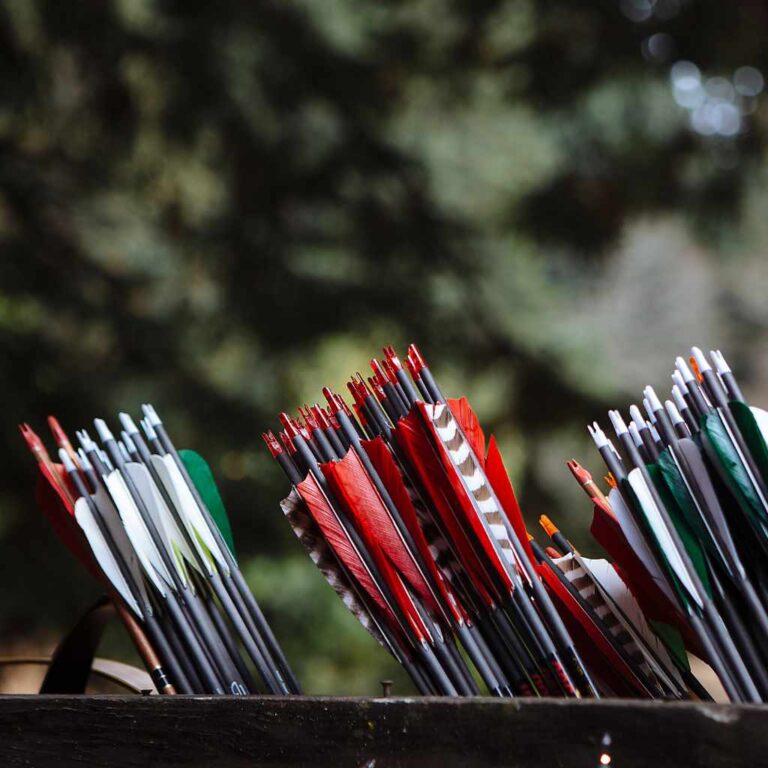
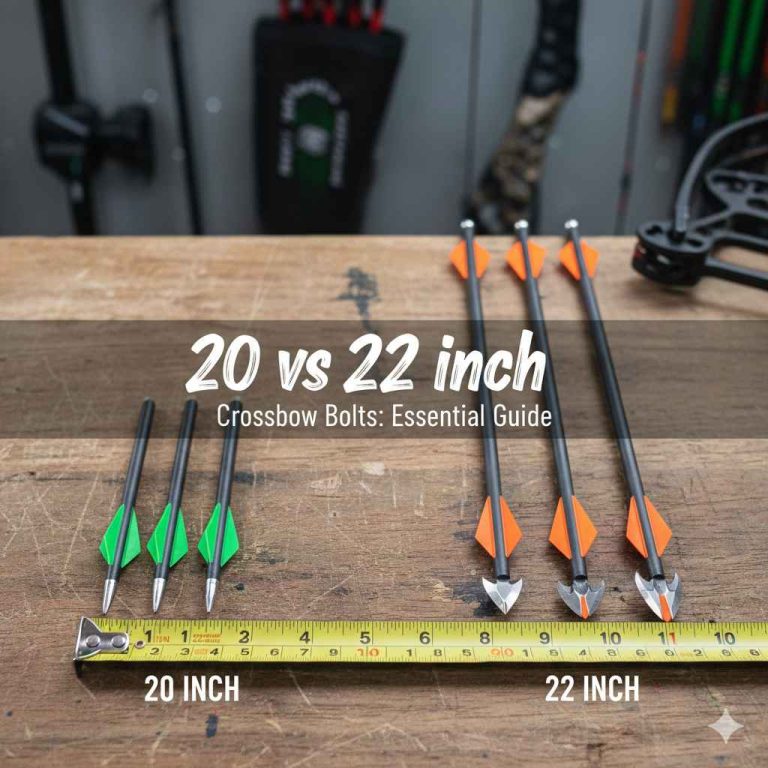
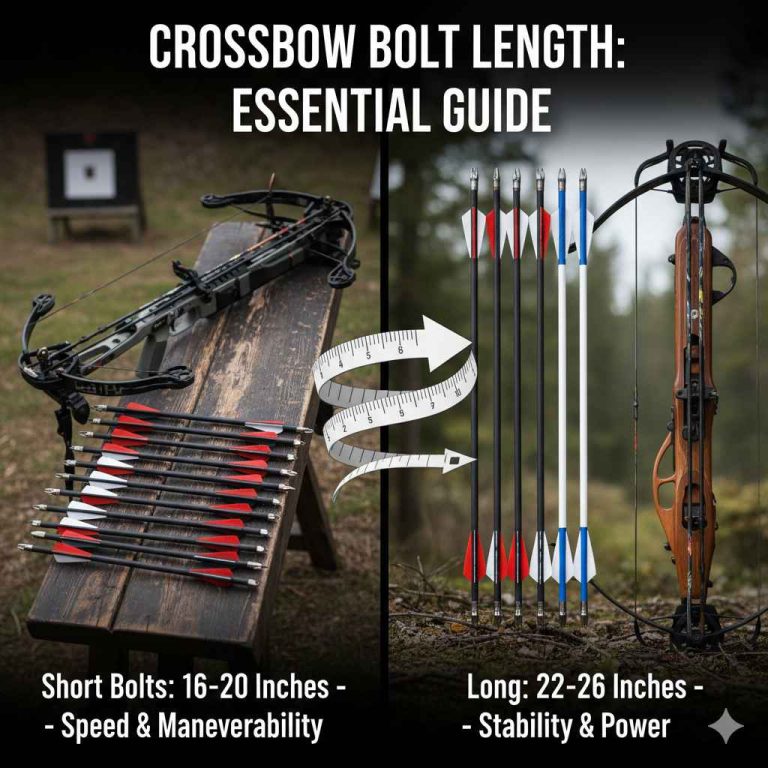
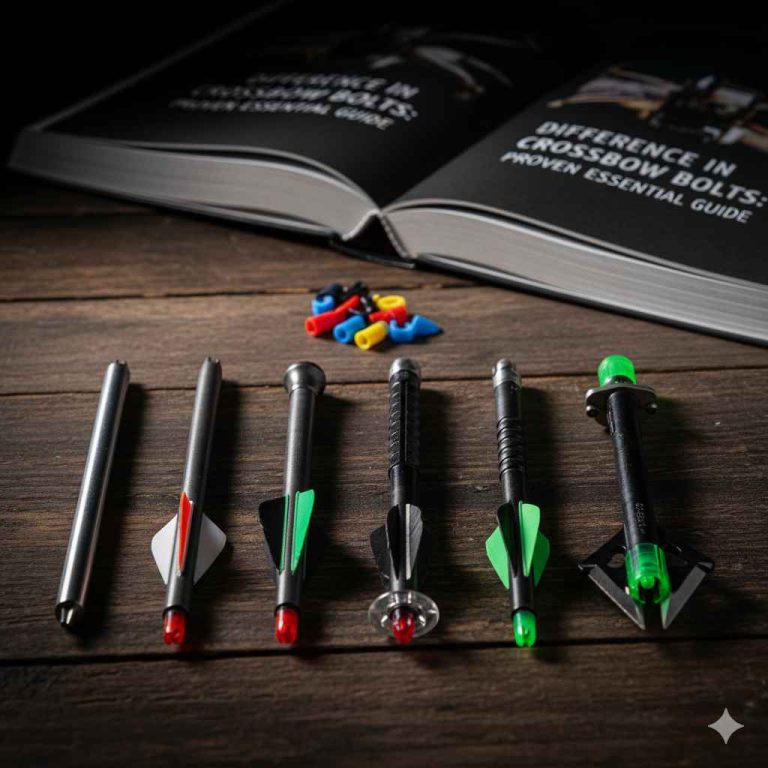
“Bolt” or “quarrel” is the projectile. Shorter than arrows.
“Nock” is the groove at the bolt’s end.
“Rail” or “barrel” is where the bolt sits.
“Stirrup” helps cock by holding your foot.
“Riser” connects limbs to the stock.
For a full list, see this glossary.
| Term | Definition |
|---|---|
| Arbalist | Someone who shoots a crossbow. |
| Arrow Retention Spring | Holds the bolt in place. |
| Cam | Wheel on compound crossbows for energy. |
| Cocking Device | Tool to pull back the string. |
| Draw Weight | Force needed to cock, in pounds. |
| Dry Fire | Shooting without a bolt – avoid this! |
| Fletching | Wings on the bolt for stability. |
| FPS | Feet per second, measures speed. |
| Power Stroke | Distance string travels when cocked. |
| Quiver | Holder for bolts. |
| Safety | Prevents accidental shots. |
| Scope | Optic for aiming. |
Learn these terms from resources like Barnett Crossbows Glossary.
Tips for Using Crossbow Terminology in Practice
When you know the names, archery gets easier. Talk to experts using terms like “prod” or “cam.” It shows you’re serious.
- Ask about “draw weight” for power needs.
- Check “power stroke” for speed.
- Use “bolt” not “arrow” for accuracy.
- Practice saying “cocked” vs. “loaded.”
- Share knowledge to help others.
Start small. Practice at home with safe gear.
Common Mistakes with Crossbow Names and Terms
Beginners often mix up “bolt” and “arrow.” Bolts are shorter for crossbows.
Another error: Calling all crossbows “arbalests.” That’s just one type.
Forget “dry fire.” Always load a bolt first.
Confusing types? Recurve is simple; compound is techy.
Avoid these by reading and practicing.
FAQ
What is the difference between a crossbow and an arbalest?
An arbalest is a type of heavy medieval crossbow with steel limbs. It’s a specific name for powerful European versions. Modern crossbows are lighter and use different materials.
Are bolts and arrows the same?
No. Bolts are shorter projectiles for crossbows. Arrows are longer for bows. Bolts often have no fletching or different nocks.
What does “dry fire” mean?
It means shooting a cocked crossbow without a bolt. This can damage the limbs or string. Always load first.
Which crossbow type is best for beginners?
Recurve crossbows are great starters. They’re simple with fewer parts. Easy to maintain and learn.
What is a repeating crossbow?
It’s a type that shoots multiple bolts quickly using a magazine and lever. Like the ancient chu-ko-nu. Fun but less accurate.
Why learn historical names?
It helps understand evolution. Plus, it’s fun to know terms like gastraphetes when talking archery history.
How do I choose between compound and recurve?
Compound for power and compactness. Recurve for simplicity and less upkeep. Try both if possible.
Conclusion
We’ve covered a lot on different names for crossbows. From ancient gastraphetes to modern compounds, you now know the basics. Remember, terminology makes archery safer and more enjoyable.
Start practicing with what you’ve learned. Pick a simple recurve and build skills. Always focus on safety – no dry fires! Join a local club for tips.
As your guide, I’m excited for you. Archery is rewarding. With patience, you’ll hit targets and have fun. Keep exploring, and shoot straight!