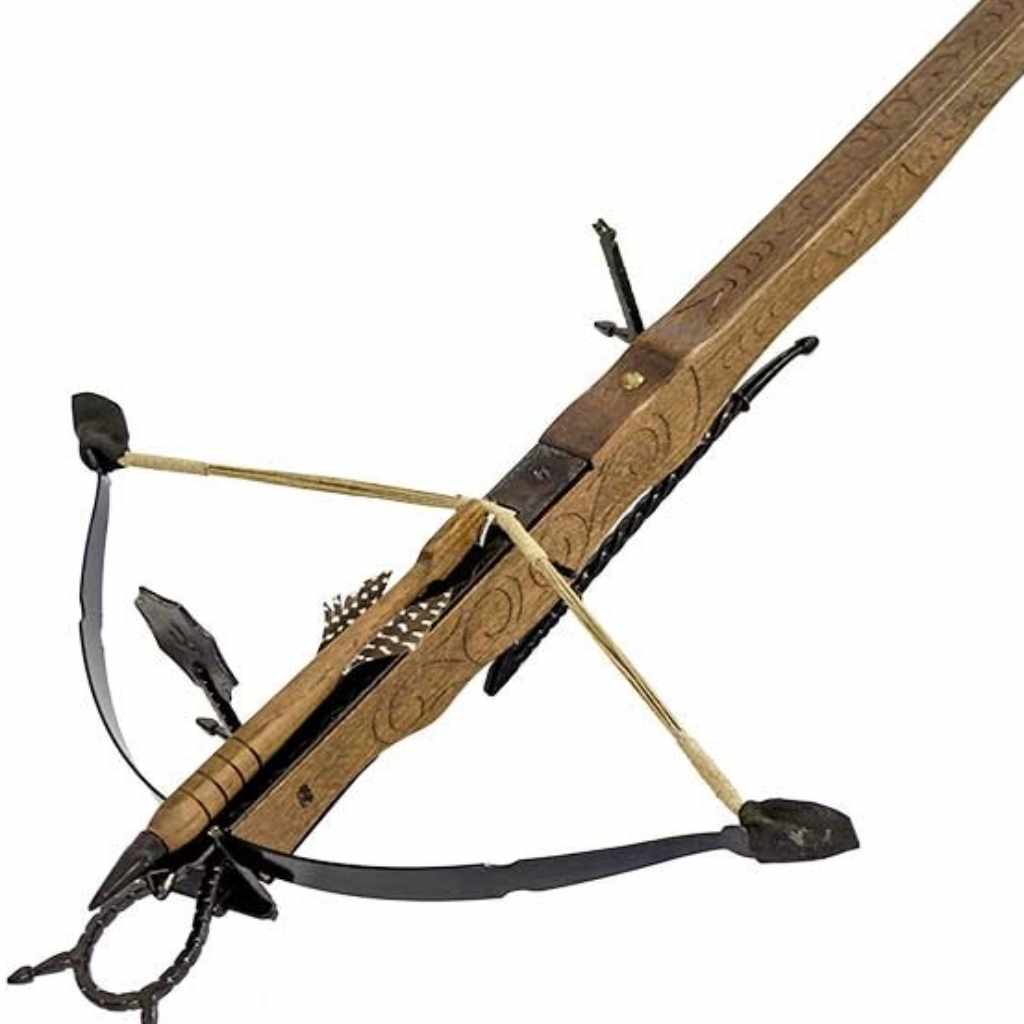
Medieval Crossbow Styles: 5 Spanning Methods Explained
Medieval crossbows used 5 spanning methods to cock the string, from pulling by hand on light bows to a belt hook, a goats foot lever, a cranequin, or a windlass for the heaviest steel prods. The method mattered as much as the prod material: a 2,000-plus pound steel prod was useless without a windlass strong enough to draw it. This guide covers each method, the prod materials that paired with them, and how regional styles differed.
What Made Medieval Crossbows Special
Crossbows changed warfare in the Middle Ages. They let ordinary soldiers shoot with great power. No years of training needed like with longbows.
The basic design placed a bow horizontally on a stock called a tiller. A trigger released the string. Bolts flew farther and hit harder than many arrows.
Early versions appeared around the 10th century in Europe. They grew stronger over time. By the 15th century, some pierced plate armor.
Crossbows worked well in sieges. Defenders shot from walls safely. Attackers used them behind shields called pavises.
Main Types by Prod Material
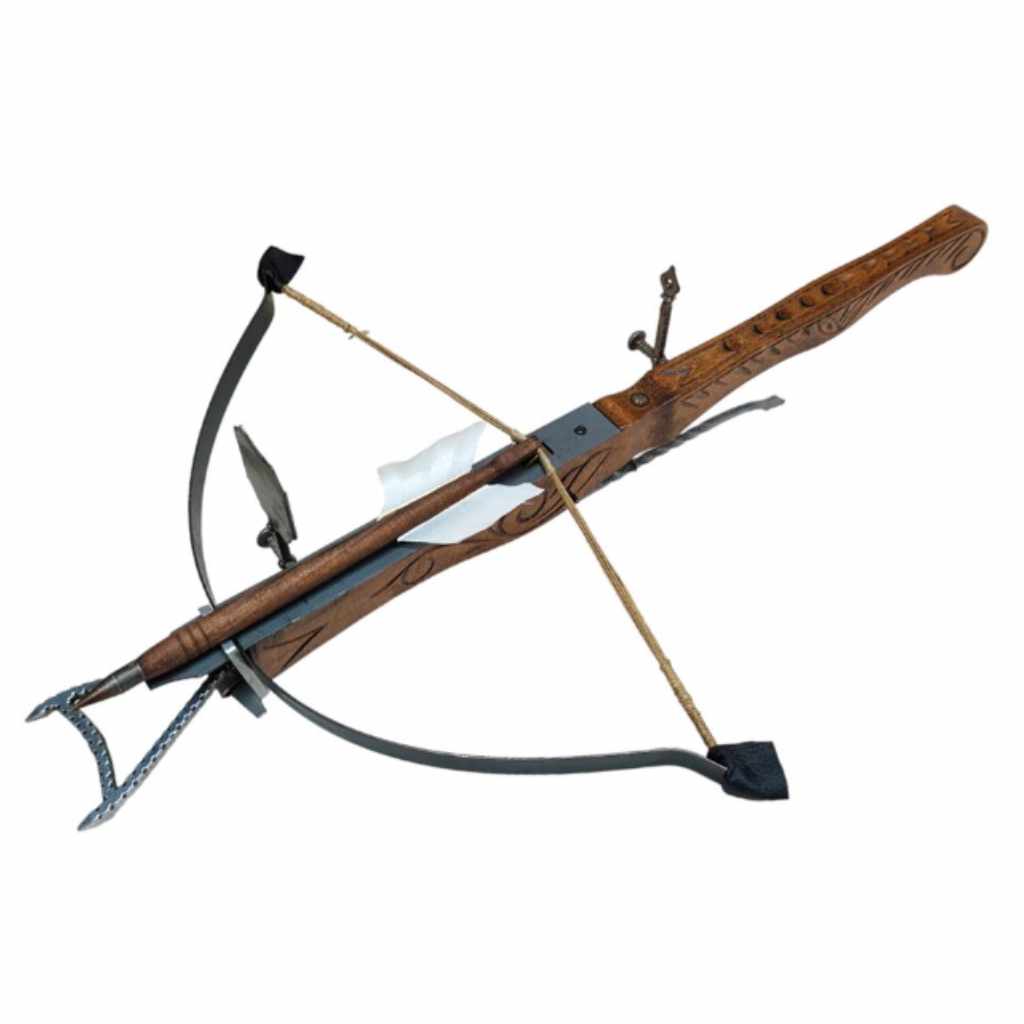
The prod forms the bow part. Its material set the power and style.
| Type | Material | Time Period | Draw Weight | Advantages |
|---|---|---|---|---|
| Wooden Prod | Yew or other woods | Early Medieval (10th-13th century) | 100-300 lbs | Easy to make, lightweight |
| Composite Prod | Horn, sinew, wood | 12th-15th century | 300-800 lbs | Powerful, flexible |
| Steel Prod | Steel | Late Medieval (14th-16th century) | 800-2000+ lbs | Very strong, long range |
Wooden prods suited early hunting crossbows. Composite ones copied Asian designs for more snap. Steel prods made the heaviest weapons, like arbalests.
According to historical sources, steel prods allowed bolts to fly up to 400 yards in some cases.
Spanning Methods: How They Loaded the Crossbow
Stronger crossbows needed tools to pull the string back. These tools defined many styles.
- By Hand: Pull the string with your hands. Only for light crossbows.
- Belt Hook: Hook a claw to the string. Lean back with a belt for leverage.
- Goat’s Foot Lever: A lever hooks the string. Pull up for mechanical advantage.
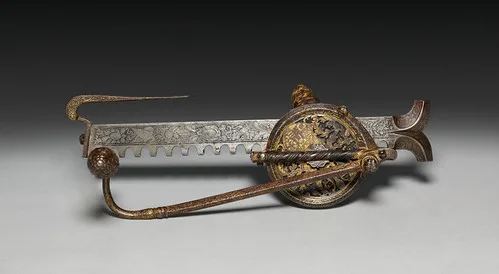
- Cranequin: A rack-and-pinion crank. Slow but powerful for very heavy prods.
- Windlass: Pulleys and ropes wound with cranks. Used for the strongest siege crossbows.
The windlass and cranequin appeared in the late Middle Ages. They let soldiers use massive draw weights safely.
Best Medieval-Style Crossbow Replica

80lb Self-Cocking Mini Crossbow – $59.99
This guide covers 5 historical spanning methods — this modern self-cocking build skips all of them while keeping the medieval crossbow silhouette.
- Best for: collectors and hobbyists who want a medieval-style crossbow without a windlass
- Why we picked it: self-cocking mechanism, no separate spanning tool needed
- Main drawback: a modern novelty build, not a historically accurate reproduction
Compare more medieval-style crossbow gear
 Option 1 Light 50lb Fiberglass Crossbow – $34.99
|  Option 2 Crossbow Bolts (18-Pack) – $30.99
|  Option 3 Rope Cocking Device – $24.99
|
As an Amazon Associate we earn from qualifying purchases.
| Method | Typical Draw Weight | Reload Time | Best For |
|---|---|---|---|
| Hand/Belt Hook | Up to 400 lbs | Fast (10-20 seconds) | Field battles, hunting |
| Goat’s Foot | 400-800 lbs | Medium (20-40 seconds) | Infantry |
| Cranequin/Windlass | 800+ lbs | Slow (40-90 seconds) | Sieges, heavy armor piercing |
Genoese crossbowmen at Crécy in 1346 likely used windlass-spanned weapons. They formed elite mercenary units.
Regional and Specialized Styles
Styles varied by region and purpose.
- Italian/Genoese: Famous for skilled makers. Often composite or steel with cranequins.
- French Arbalest: Heavy steel prod weapons. Needed windlass. Great for sieges.
- English: Less common due to longbow preference. But used in early Norman times.
- Hunting Crossbows: Lighter, often wooden or composite. Sometimes with fancy decorations.
- Bullet Crossbows (Stonebows): Shot pellets. Popular for small game in later periods.
The arbalest stood out as a late heavy style. It featured steel prods and high power. Sources describe it penetrating heavy armor.
How Crossbows Worked in Battles
Crossbowmen often paired with pavise shield bearers. One held the shield. The other reloaded safely.
They shot in volleys. Power made up for slower reloads compared to longbows.
Richard the Lionheart used crossbows widely in the Crusades. He even died from a crossbow bolt wound.
Pope Innocent II banned crossbows against Christians in 1139. But armies ignored it mostly.
Safety Tips for Understanding Historical Weapons
Modern replicas can be fun. Always follow safety rules.
- Never point at anything you do not intend to shoot.
- Use proper bolts for your crossbow type.
- Check equipment before use.
- Practice in safe areas.
Just like medieval archers, start slow and build skill.
Conclusion
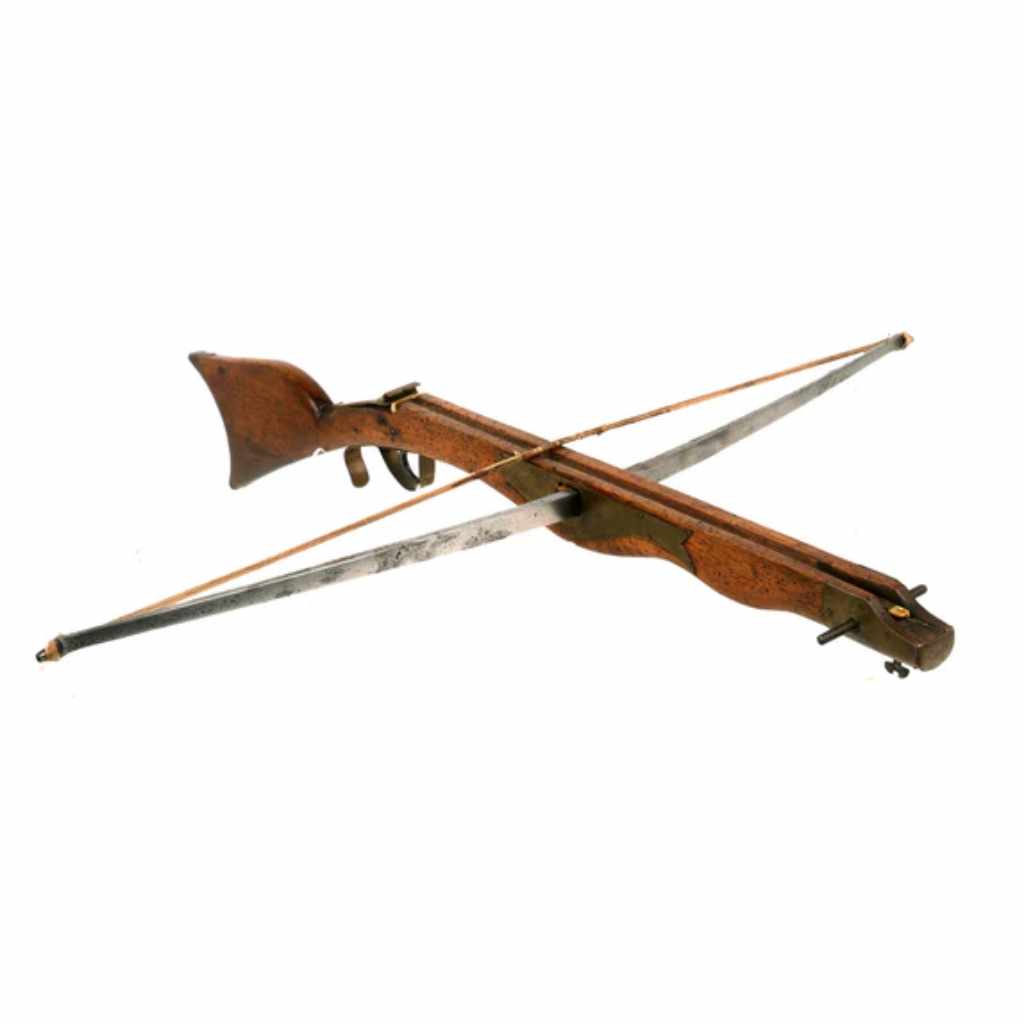
Different medieval crossbow styles show amazing innovation. From simple wooden hunting tools to mighty steel arbalests, they shaped history.
Warriors valued them for power and ease. Today, we admire the craftsmanship and clever designs.
Whether you enjoy history, reenactment, or modern archery, these weapons inspire. Grab a book or visit a museum. See replicas up close.
You now know the main types and how they evolved. Keep exploring. The world of bows and crossbows holds endless fun and learning.
Stay safe and enjoy the journey!
Frequently Asked Questions
What was the most common medieval crossbow style?
Composite prod with belt hook or goat’s foot spanning. Balanced power and reload speed for most soldiers.
How far could medieval crossbows shoot?
Light ones reached 200-300 yards. Heavy steel arbalests up to 400 yards effectively.
Were crossbows better than longbows?
Crossbows hit harder and needed less training. Longbows shot faster. Armies used both depending on needs.
Why did crossbows need spanning tools?
High draw weights (up to 2000 lbs) were too strong to pull by hand safely or quickly.
Did knights use crossbows?
Yes, especially mounted or in sieges. But many preferred lances for chivalry.
When did steel prod crossbows appear?
Mainly in the 14th-15th centuries. They marked the peak of crossbow power.
Are modern crossbows like medieval ones?
Modern ones use compounds and scopes for ease. Historical focused on raw power and simple mechanics.