Is a Peep Hole an Open Sight? Exploring the Key Differences
If you’ve ever looked through the small round hole in a door to see who’s outside, you know what a peep hole is. But in the world of firearms and shooting, the word “peep hole” means something different. Many shooters and hunters use peep sights, but there’s confusion: Is a peep hole really an open sight? Or is it something else? Understanding the difference matters, especially for beginners who want to choose the right sight for their needs.
This article explains the details. We’ll look at the design of peep holes, compare them with open sights, and explore how they work. We’ll cover technical details, practical examples, and clear comparisons. If you’re new to shooting or just curious, you’ll find answers to common questions.
By the end, you’ll know exactly where a peep hole fits in the world of firearm sights.
What Is A Peep Hole Sight?
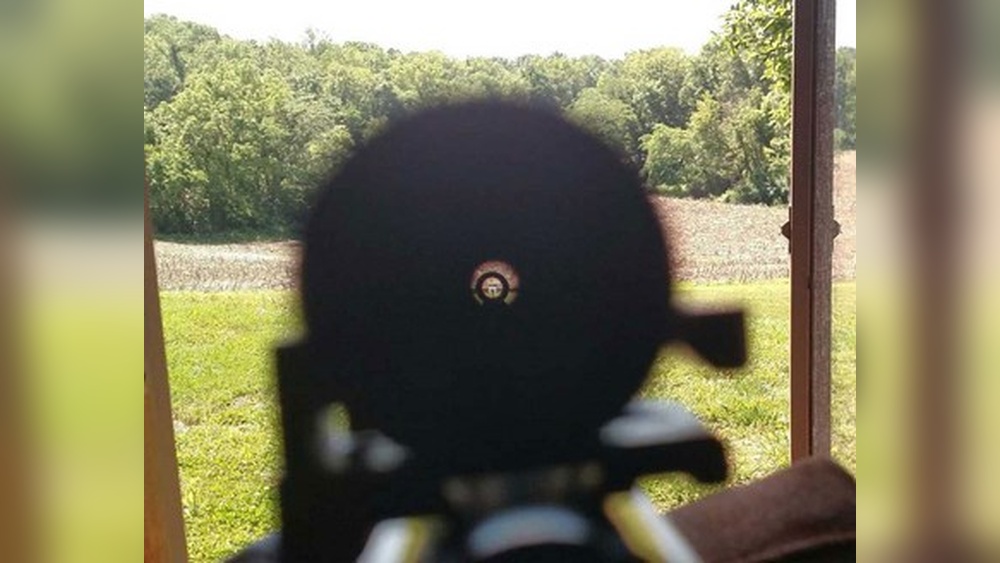
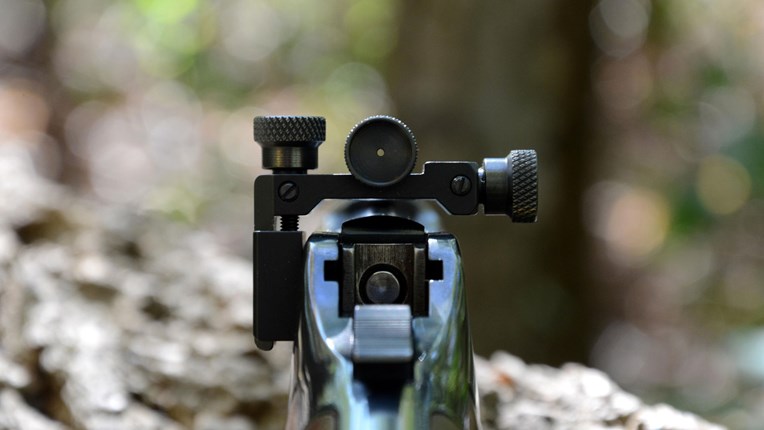
A peep hole sight, sometimes called an aperture sight, is a type of aiming device used on rifles and some handguns. The main part is a small hole (aperture) in a metal disk. The shooter looks through this hole, lining it up with the front sight and the target.
This design is simple but effective. The peep hole helps focus the eye, improving accuracy. It’s used for both hunting and sport shooting, and is often found on military rifles.
Peep Hole Sight Design
Peep hole sights have two main parts:
- The rear sight: A metal disk with a small hole (the peep hole).
- The front sight: Usually a post or bead.
To aim, you look through the peep hole at the front sight and the target. The hole acts like a camera lens, sharpening your view.
How Peep Hole Sights Work
When you look through a small hole, your eye naturally centers the front sight. This reduces errors from misalignment. The small aperture also increases depth of field, meaning both the front sight and target appear clearer.
Example: If you use a peep hole sight on a rifle, you’ll notice the front sight and the target both look sharper compared to using a notch sight.
What Are Open Sights?
Open sights are the most basic type of iron sights. They don’t have any lens or hole. Instead, the rear sight is a notch, usually U-shaped or V-shaped. The front sight is a post or bead. You line up the notch, the front sight, and the target.
Open sights are common on beginner rifles, shotguns, and air guns. They’re simple to use and easy to manufacture.
Open Sight Design
Open sights have:
- Rear sight notch: U, V, or square-shaped.
- Front sight post: A thin stick or bead.
You aim by aligning the front sight in the center of the notch, placing it below or on the target.
How Open Sights Work
Your eye must line up three points, the notch, the front sight, and the target. This takes practice. Errors can happen if you don’t align all parts perfectly.
Pro Tip: Beginners often find open sights harder to use at longer distances, because misalignment increases with range.

Credit: thenewrifleman.com
Peep Hole Vs Open Sight: What’s The Difference?
Many shooters confuse peep holes with open sights. The main difference is the design of the rear sight.
Here’s a clear comparison:
| Feature | Peep Hole Sight | Open Sight |
|---|---|---|
| Rear Sight | Small hole (aperture) | Notch (U, V, or square) |
| Front Sight | Post or bead | Post or bead |
| Aiming Method | Look through hole, align front sight and target | Align notch, front sight, and target |
| Ease of Use | Often easier, especially at long range | Can be harder for beginners |
| Accuracy | Higher, due to eye centering | Lower, due to misalignment risk |
Peep hole sights use an aperture, while open sights use a notch. Both are iron sights, but they work differently.
Is A Peep Hole An Open Sight?
This is where confusion happens. Both peep hole sights and open sights are iron sights. But technically, a peep hole is not an open sight.
Open sights have a notch. Peep hole sights have a hole (aperture). The method of aiming is different. Peep holes are sometimes called “aperture sights,” not open sights.
Why People Confuse Them
Many shooters use “open sight” to mean any iron sight without a scope. This leads to confusion. In fact, peep hole sights and open sights are two separate types.
Example: On some military rifles, the rear sight is a peep hole. On older hunting rifles, the rear sight is a notch. Both are iron sights, but only the notch sight is an open sight.
Official Definitions
According to the National Rifle Association (NRA), open sights have a notch rear sight. Aperture sights (peep holes) have a hole. These are official terms used in competitions and manuals.

Credit: www.reddit.com
Advantages Of Peep Hole Sights
Peep hole sights offer several clear benefits over open sights.
- Improved accuracy: The aperture helps your eye center the front sight naturally.
- Better at long range: Depth of field is increased, so distant targets look sharper.
- Less error: Misalignment is less likely compared to notched sights.
- Simple aiming: Just look through the hole and line up the front sight.
Example: Many Olympic shooters use peep hole sights for target shooting because they provide higher accuracy.
Peep Hole Sight Applications
Peep hole sights are common on:
- Military rifles (like the M1 Garand)
- Target rifles (used in competitions)
- Hunting rifles (for quick, accurate shots)
They’re rare on shotguns and handguns, but some models have them.
Advantages Of Open Sights
Open sights have their own strengths.
- Quick target acquisition: Easier to use at short range.
- Simple design: Fewer parts, easy to maintain.
- Good for beginners: Many entry-level guns come with open sights.
Example: Many air rifles for training have open sights, so new shooters can learn basic aiming skills.
Open Sight Applications
Open sights are used on:
- Hunting rifles (especially older models)
- Shotguns (for bird hunting)
- Air guns (for training)
- Handguns (for self-defense)
They’re common in situations where speed is more important than precision.
Credit: northamericanoutdoors.org
Peep Hole Sight Types
Not all peep hole sights are the same. There are several types, each with special features.
Ghost Ring Sights
A ghost ring sight is a peep hole sight with a larger aperture. It’s used for fast aiming at close range. The “ring” is almost invisible when you look through it, making target acquisition quick.
Example: Many tactical shotguns use ghost ring sights for home defense.
Precision Aperture Sights
These have a smaller hole for greater accuracy. Used in target shooting and competition rifles.
Example: Olympic shooters use precision apertures to hit small targets at long distances.
Adjustable Peep Hole Sights
Some peep sights can be adjusted for windage and elevation. This allows shooters to fine-tune their aim.
Pro Tip: If you shoot at varying distances, adjustable peep hole sights can help you stay accurate.
Choosing Between Peep Hole And Open Sight
If you’re deciding which sight to use, consider your needs.
- Distance: For long-range shooting, peep hole sights are usually better.
- Speed: For quick, close-range shots, open sights or ghost ring sights may be best.
- Purpose: Target shooting often requires precision. Hunting may need quick aiming.
- Skill Level: Beginners might find open sights simpler, but peep holes are easier for accurate shots.
Here’s a simple comparison table to help you decide:
| Purpose | Recommended Sight | Reason |
|---|---|---|
| Long-range target shooting | Peep Hole | Higher accuracy, clear view |
| Quick, close-range hunting | Open Sight | Fast target acquisition |
| Home defense (shotgun) | Ghost Ring Peep | Speed and accuracy |
| Beginner training | Open Sight | Simple to use, easy to learn |
Warning: Do not rely only on the sight type. Practice and skill matter more for accuracy.
Common Mistakes With Peep Hole And Open Sights
Many beginners make errors when using these sights. Here are some mistakes to avoid:
- Incorrect eye placement: For peep hole sights, your eye must be close to the aperture.
- Misalignment: With open sights, failing to center the front sight in the notch causes misses.
- Poor maintenance: Dirty sights can block your view. Clean them regularly.
- Not adjusting sights: If your shots are off, adjust windage or elevation (if possible).
- Ignoring front sight focus: Always focus on the front sight, not just the target.
In my experience, even small changes in sight alignment can make a big difference. One time, I missed several targets because my eye was too far from the peep hole. Moving closer fixed the issue instantly.
Real-world Examples
Let’s look at how peep hole and open sights are used in real situations.
Military Rifles
Many military rifles, like the M16 and M1 Garand, have peep hole sights. Soldiers use them for accuracy at long distances.
Hunting
Hunters often use open sights for quick shots at moving animals. But for deer hunting at longer ranges, peep hole sights are popular.
Target Shooting
Competitive shooters use precision peep hole sights. They need to hit small targets at 100 yards or more.
Shotguns
Most shotguns have open sights. But tactical shotguns for home defense sometimes use ghost ring peep sights.
Technical Details: Why Peep Holes Improve Accuracy
The science behind peep holes is simple. The small aperture limits the amount of light entering your eye. This increases depth of field, making both the front sight and target appear clear.
When you look through a peep hole, your eye centers the sight automatically. This reduces aiming errors. Open sights require manual alignment, which is harder.
Example: In a study published by the Journal of Applied Optics, peep hole sights increased accuracy by up to 20% compared to open sights for most shooters.
Are Peep Hole Sights Harder To Use?
Some beginners worry that peep hole sights are difficult. But most find them easy once they try.
- You don’t need to align a notch.
- Your eye naturally centers the sight.
- The view is clear and sharp.
The only challenge is eye placement. You must be close enough to the aperture.
Sight Upgrades: Can You Switch Between Peep Hole And Open Sight?
Many rifles allow you to change sights. You can install a peep hole sight on a rifle that originally had open sights.
Example: The Ruger 10/22 rifle can be upgraded with a peep hole sight for better accuracy.
Some guns have both types. You can flip the rear sight to choose between a notch and an aperture.
Pro Tip: If you switch sights, test them at the range before hunting or competition.
Cost And Availability
Peep hole sights and open sights are both affordable. Open sights are usually included with basic rifles. Peep hole sights are often an upgrade.
- Open sights: Usually free with entry-level guns.
- Peep hole sights: Prices range from $20 to $100, depending on features.
You can find peep hole sights online or at gun stores. Brands like Williams and Lyman are popular.
For more details on sight types and their uses, visit the Wikipedia Iron Sights page.
Non-obvious Insights Beginners Miss
- Eye relief matters: For peep hole sights, the distance between your eye and the aperture affects clarity. Too far away, and the hole blurs. Too close, and you lose field of view.
- Lighting changes performance: In low light, peep holes can be harder to use. Open sights allow more light, making them better at dusk or dawn.
- Practice improves skill: No matter which sight you use, regular practice helps accuracy. Many beginners expect instant results, but skill builds with time.
Frequently Asked Questions
What Is The Main Difference Between Peep Hole And Open Sight?
The main difference is the rear sight design. Peep hole sights use a small hole (aperture), while open sights use a notch. This changes how you aim and affects accuracy.
Can I Use Both Peep Hole And Open Sight On The Same Rifle?
Yes, some rifles have convertible sights. You can switch between a peep hole and an open sight. Check your rifle’s manual or ask a gunsmith for compatibility.
Are Peep Hole Sights Good For People With Weak Eyesight?
Peep hole sights can help some people with vision problems, as they improve focus. However, in low light or for people with severe vision issues, scopes or fiber optic sights may be better.
Is It Legal To Use Peep Hole Sights For Hunting?
Laws differ by state and country. Most places allow peep hole sights for hunting, but always check local regulations before using any sight.
How Do I Clean And Maintain Peep Hole Sights?
Use a soft cloth to wipe the aperture. Avoid harsh chemicals. If the sight is adjustable, check screws regularly. For detailed cleaning, consult your gun’s manual or a professional gunsmith.
Aiming with confidence is about understanding your tools. Whether you use a peep hole or open sight, knowing their differences helps you shoot better and safer. The right sight for you depends on your needs, skills, and practice. Remember, both sights