7 Ways to Die Bow vs Compound Bow: Ultimate Survival Showdown
Choosing the right bow can be both exciting and confusing, especially when deciding between a die bow and a compound bow. Whether you are a newcomer to archery or someone thinking about upgrading your gear, understanding the differences matters. Each bow has its own strengths, weaknesses, and unique features that can affect your performance, enjoyment, and even safety. Many people make the mistake of picking a bow based only on price or what looks cool, but the real differences go much deeper.
This article will break down the seven key ways a die bow and a compound bow differ. You’ll see how they compare in terms of design, power, accuracy, maintenance, price, learning curve, and adaptability. You’ll also find real-life examples, helpful tables, and practical tips based on first-hand experience. By the end, you’ll know which bow is the best fit for your needs and how to avoid common mistakes that can cost you time and money.
Design And Build
The first thing you notice when comparing a die bow and a compound bow is their design and structure. A die bow, often called a recurve or traditional bow, is built from a single piece or several glued layers of wood, fiberglass, or modern materials. Its shape curves away from the archer at the tips, which helps store more energy.
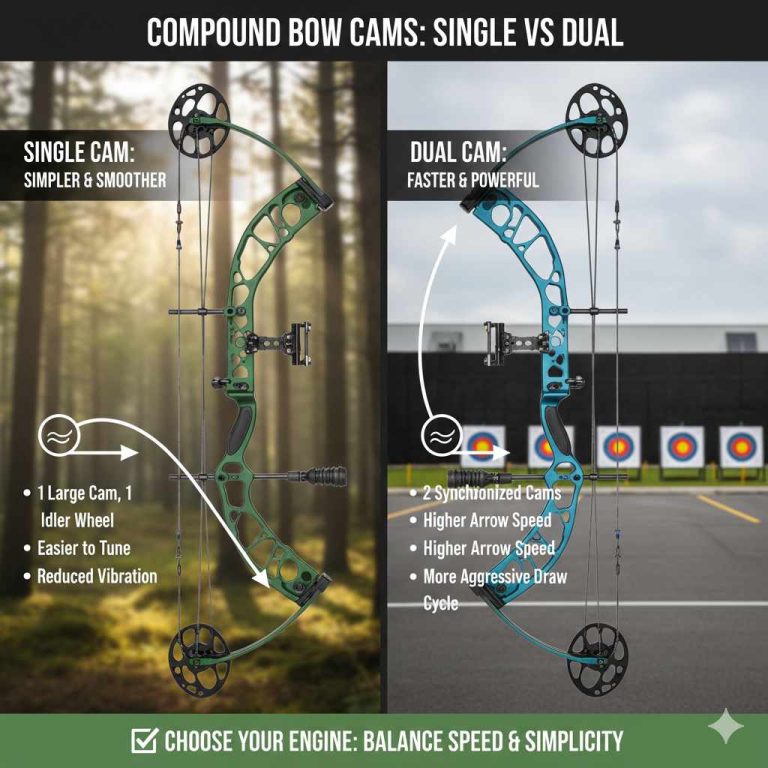
A compound bow, on the other hand, is a modern invention. It uses a system of pulleys (called cams) and cables. The riser is usually made from lightweight metals like aluminum or magnesium. The limbs are much shorter and stiffer than those on a die bow.
Here’s a quick comparison of their main features:
| Feature | Die Bow | Compound Bow |
|---|---|---|
| Structure | Simple, one-piece or takedown | Complex, with cams and cables |
| Material | Wood, fiberglass, carbon | Aluminum, carbon, composite |
| Weight | Usually lighter | Heavier due to accessories |
| Size | Longer limbs | Shorter limbs |
A die bow’s simplicity is attractive to those who want a classic experience. You feel each part of the shot, and there are fewer moving pieces to worry about. Compound bows, by contrast, offer technological advantages that help many archers shoot better, but they also require more setup and occasional tuning.
Pro Tip: Try holding both types of bows before buying. The weight and grip feel very different and can affect how long you can shoot comfortably.
Power And Speed
When it comes to arrow speed and power, compound bows have a clear edge due to their mechanical system. The cams at the end of each limb store more energy than a die bow can. This allows compound bows to shoot arrows at higher speeds, often between 270 and 350 feet per second (fps), depending on the model and draw weight.
Die bows, while powerful in their own right, rarely reach the same speeds. Most traditional bows shoot arrows at speeds between 150 and 200 fps. This difference is not just about hitting the target faster; it also affects the bow’s penetration power, which is critical in hunting and competition.
Below is a table comparing typical speeds:
| Draw Weight | Die Bow Speed (fps) | Compound Bow Speed (fps) |
|---|---|---|
| 40 lbs | 160 | 270 |
| 60 lbs | 190 | 320 |
Many beginners overlook that more speed also means a flatter arrow trajectory. This can make aiming easier at longer distances, as you do not need to compensate as much for the arrow dropping.
Example: When I tested a 50-lb die bow and a 50-lb compound bow, the compound sent arrows much farther and with less effort. This made a big difference at ranges over 30 yards.

Credit: www.corrosionhour.com
Accuracy And Consistency
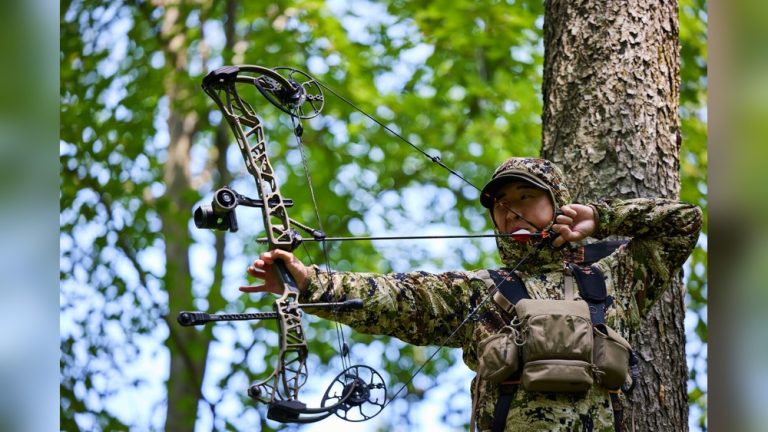
One of the main reasons many archers prefer a compound bow is its consistency. The mechanical let-off (where the cams reduce holding weight at full draw) allows you to hold the string back longer without tiring your muscles. This extra time helps you aim carefully and release smoothly.
A die bow, in contrast, requires you to hold the full draw weight with your fingers. This can make it harder to keep your aim steady, especially if you are tired or not used to the weight. For this reason, compound bows are often the first choice for target shooters and hunters who need precision.
Another difference is in the release. Compound bows often use a release aid, which is a mechanical trigger attached to the string. This reduces finger stress and helps the arrow fly straighter. Die bows are typically shot with fingers, which needs more training to avoid issues like “string slap” or inconsistent releases.
Here’s a summary of key accuracy differences:
- Compound bows: More forgiving to small mistakes, easier to hold at full draw, better for long distances.
- Die bows: Require more skill and muscle control, but some archers love the challenge and feel.
Non-obvious insight: Wind can affect both bows, but compound bows’ faster arrows are less moved by gusts. This matters a lot if you shoot outdoors.
Maintenance And Durability
Maintenance needs are often ignored until something goes wrong. A die bow is usually low maintenance. You might wax the string, check for cracks, and keep it dry, but that’s about it. If you break a part, replacements are easy to find and install.
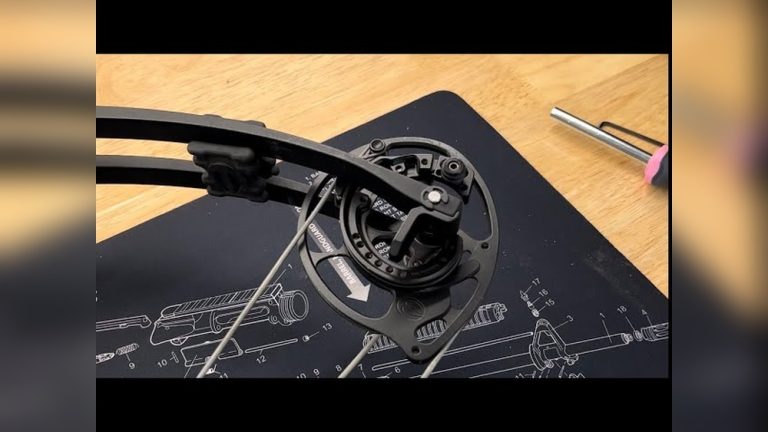
Compound bows, however, have more parts that can fail. The cams, axles, cables, and pulleys all need regular checks. Strings and cables should be replaced every 1, 2 years if you shoot often, and tuning is needed to keep everything working smoothly.
Some repairs require a bow press or a visit to a pro shop.
Here are some typical tasks for each bow:
- Die bow: Wax string, check limb alignment, inspect for cracks, occasional string replacement.
- Compound bow: Wax string and cables, check cam timing, inspect cables for wear, replace modules, tune sights, and sometimes use a bow press.
While compound bows are built to last, neglecting maintenance can lead to serious issues, like a dry fire (shooting without an arrow), which can break the bow. Die bows are less likely to fail suddenly, making them a good choice for those who want a reliable, simple tool.
Pro Tip: Always read your bow’s manual before trying home repairs. Compound bows, especially, can be damaged by small mistakes.

Credit: www.corrosionhour.com
Price And Value
Cost is a factor for most archers, and the price gap between die bows and compound bows can be significant. A basic die bow setup (including arrows and a simple quiver) often costs less than $200. High-quality traditional bows can reach $1,000 or more, but you can start for much less.
Compound bows are more expensive due to their technology. Entry-level models start around $300, $400, but most quality packages (with sight, rest, and release) cost $500, $1,500. Advanced models can reach $2,000 or more.
Here’s a price comparison:
| Bow Type | Entry-Level Price | High-End Price |
|---|---|---|
| Die Bow | $100, $200 | $1,000+ |
| Compound Bow | $300, $500 | $2,000+ |
Non-obvious insight: Accessories can add up quickly with compound bows. Sights, releases, stabilizers, and cases often cost as much as the bow itself. With a die bow, you need fewer extras.
When deciding on value, consider the total cost, not just the price tag. Factor in maintenance, replacement parts, and how long you plan to use the bow.
Learning Curve And Skill Development
Many beginners ask: which bow is easier to learn? The answer depends on your goals.
A compound bow is often easier for new shooters to hit targets quickly. The let-off and accessories (like sights and peep sights) help build confidence. You can learn basic form and technique with less muscle fatigue.
A die bow requires more practice to shoot well. You must develop strong muscles, good form, and a smooth release. There are no shortcuts, but many archers find this rewarding. They enjoy the traditional feel and the satisfaction of mastering a simple tool.
- Compound bow: Faster results, less muscle strain, but more technical details to learn.
- Die bow: Steeper learning curve, but skills transfer to other types of bows easily.
Example: When teaching kids or beginners, I’ve seen compound bows make early practice sessions more fun because people hit the target more often. But those who stick with die bows often become better all-around archers.
Warning: Don’t skip proper lessons. Incorrect form can cause injuries in both bow types.

Credit: www.youtube.com
Adaptability And Usage Scenarios
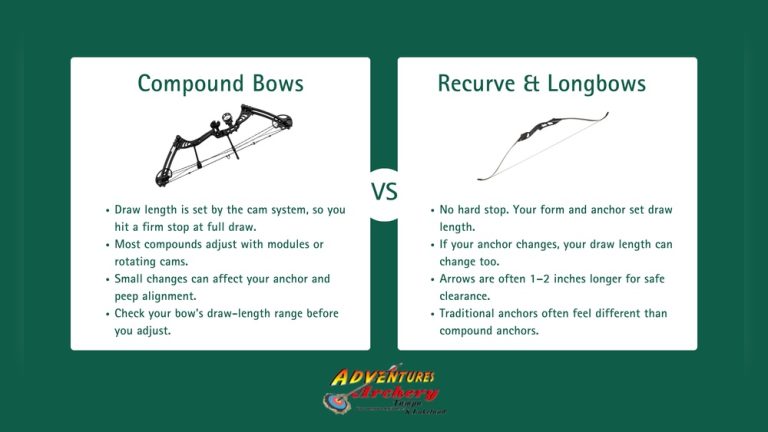
The last big difference is adaptability. Compound bows are built for customization. You can adjust draw weight, draw length, and add accessories for hunting, target shooting, or 3D archery. This makes them suitable for a wide range of uses and user sizes.
Die bows are less adjustable. You usually buy a bow that matches your draw length and strength, and that’s it. You can add sights or stabilizers, but most traditional archers shoot “barebow” (with no sights).
Where each bow shines:
- Compound bow: Great for hunting (quiet, powerful, adjustable), target competition, and users who want the latest gear.
- Die bow: Best for traditional archery, historical re-enactment, or those who value simplicity and skill-building.
Non-obvious insight: Some archery competitions only allow traditional bows. Know the rules before you buy if you plan to compete.
Pro Tip: If you want to hunt, check your local laws. Some states require a minimum draw weight or specific types of bows.
Frequently Asked Questions
What Is A Die Bow, And How Does It Differ From Other Traditional Bows?
A die bow refers to a style of traditional bow often called a recurve or longbow, made from wood, fiberglass, or carbon layers. Unlike some historical bows (like flatbows or self-bows), die bows are usually designed for modern recreational or competitive use.
The main difference is in the shape and material, giving a unique shooting feel compared to compound bows, which use cams and pulleys.
Can I Switch From A Die Bow To A Compound Bow Easily?
Switching is possible, but there is a learning period. Compound bows use mechanical release aids and different aiming techniques. You’ll need to adjust to the let-off and sights, which can feel strange at first. However, skills like stance, posture, and drawing motion transfer well, so experienced archers often adapt quickly with practice.
Which Bow Is Safer For Beginners?
Both bows are safe if used correctly, but compound bows have more moving parts, which can pinch fingers or cause injury if mishandled. Die bows are mechanically simpler, so there is less that can go wrong. The most important thing is to learn proper form and safety rules from a qualified instructor, no matter which bow you choose.
Do I Need Special Arrows For Each Bow Type?
Yes, arrow selection matters. Compound bows shoot faster, so they need stiffer (higher spine) arrows to handle the extra force. Die bows can use a wider range of wood, aluminum, or carbon arrows, but matching arrow spine to draw weight is still important.
Always check manufacturer guidelines or consult a pro shop to avoid damage or injury.
Where Can I Find Reliable Information About Archery Equipment?
For trustworthy advice, start with official archery organizations, manufacturer websites, and experienced instructors. A helpful resource is the Wikipedia page on compound bows, which covers technical details, history, and safety tips. Always double-check information before buying or modifying your gear.
Choosing between a die bow and a compound bow is about more than speed or price. It’s about what fits your goals, style, and the experience you want. Try both if you can, ask for expert guidance, and remember that the best bow is the one you enjoy shooting most.
Happy archery!