Easton X10 Arrow Review: Is It Worth the Price for Recurve?
The Easton X10 is worth it for recurve shooters who already tune well and care about tiny gains in line-cutting and wind behavior; if your grouping is still loose, cheaper shafts will score almost the same. Buy it badly, and you pay premium money for arrows that cannot fix a weak release or poor setup. I judge the X10’s precision, barrelled profile, tuning tolerance, and real value for intermediate and advanced recurve archers.
This guide is part of our Arrow dynamics in archery series.
Verdict
My short answer is simple: for an outdoor target recurve shooter, the X10 earns its price only after the rest of the bow is already doing its part. I have seen that kind of arrow matter when the release is clean, the tune is close, and the archer is chasing small gains at 70 meters. I have also seen archers buy expensive shafts before their form was ready, and the score barely moved.
Pros and cons
Pros
- Barrelled profile helps clearance and finger-release feel on recurve.
- Very tight straightness and weight tolerances.
- Strong fit for outdoor target and Olympic recurve work.
- Wide spine range makes exact matching possible.
Cons
- Expensive for intermediate archers who are still changing form.
- Components are sold separately, so the real bill climbs fast.
- Bad spine selection wipes out much of the benefit.
- Indoor-only shooters often will not feel enough upside.
According to X10® – Easton Archery — The X10 is described as the ‘ultimate recurve competition shaft.’
Specs at a glance
| Spec | Easton X10 |
|---|---|
| Category | Ultimate recurve competition shaft |
| Construction | High-strength carbon fiber bonded to a 7075 precision alloy core |
| Design | Barrelled design |
| Straightness | ± .001 inches |
| Weight tolerance | ± 0.5 grains per packaged dozen |
| Spine range | 325 to 1000 |
| Spine options | 14 |
| Outside diameter range | .221 inches to .182 inches |
| Origin | Made in the USA |
| Front max trim | 6.0 inches to no limit, depending on spine |
| Components | Sold separately |
Those numbers matter because the X10 is built for narrow tolerances and exact setup work. In plain terms, Easton wants you to bring a decent tune, the right components, and a clear purpose. It is not a casual arrow. It is a precision shaft for a finished recurve system.
Who it is for
The X10 is for serious target recurve archers who already know their bow weight, their form, and their preferred outdoor distance. It also fits the intermediate archer who is close to a final setup and wants a shaft that will hold up when everything else is already sorted. Olympic recurve is the main home here.
It is not for the archer who is still changing draw weight every few weeks. I did that once with my first compound, ten pounds too heavy, and I flinched for a month before I backed the limbs out. Same lesson here: if your setup is still shifting, the arrow cannot rescue you.
Who should skip it? Casual shooters, indoor-only archers who do not need the wind advantage, and anyone still chasing basic repeatability. If your bareshaft and paper tune are still unstable, a cheaper shaft will usually make more sense.
How well does the X10 actually shoot for a recurve?
For recurve finger release, the X10 can feel cleaner than a standard parallel shaft because the barrelled profile gives a smaller front section through launch. That does not magically fix bad finger timing, but it can reduce the little contact issues and clearance annoyances that show up with recurves more than compounds.
Outdoors, the slim profile is part of the appeal. Easton’s own Olympic pedigree claim is strong, and the shaft has the kind of geometry that makes sense when crosswinds start moving arrows around. I care less about medal talk than about what I see on the line: when the shaft is slimmer, wind misses usually shrink a bit too.
Clearance is the other reason people buy it. On a recurve, a clean launch path matters. The X10’s shape, combined with proper spine and point choice, can make the shot feel quieter in the hand and look cleaner downrange. That is the kind of difference a tuned recurve archer can actually use.
What works
Precision is the X10’s biggest selling point. The straightness spec of ± .001 inches and weight tolerance of ± 0.5 grains per packaged dozen tell you Easton is aiming at shooters who care about tiny spread, not just basic consistency.
The barrelled design is the practical win for recurves. It gives you a shaft that can help with clearance and can feel more forgiving through the fingers. On a well-tuned bow, that can translate into tighter groups at outdoor distance, especially when your release is clean enough to let the arrow do its job.
I also like the way the X10 family is built around exact matching. 14 spine options from 325 to 1000 give you enough room to fit a real recurve setup, not just a broad guess. That matters when you are trying to move from “close enough” arrows to a shaft that actually matches your bow.
What does not
The price-to-benefit ratio is the weak point. An intermediate archer may not see enough scoring gain to justify the cost, especially if their groups are still opening up from form errors. I have seen shooters spend for elite arrows while their anchor, clicker timing, or follow-through still needed work.
Component cost is another sting. The X10 components are sold separately, and that means the real cost goes beyond the shafts themselves. You need to think about point fitment, pin fitment #1, and nock collar #1 before you buy, or the arrow can become an expensive mismatch.
Indoor-only use is the hardest sell. If you are shooting short distance or do not face meaningful wind, the X10’s main advantages are muted. A mid-priced shaft can be the smarter buy when the field conditions are calm and the scoring gap from premium gear is small.
Can you trust Easton’s spine chart when ordering?
You can trust Easton’s spine chart as a starting point, but not as a final answer. The Easton shaft selector is useful because it combines spine matching with trim length guidance and fit notes, which is exactly what recurve buyers need. The chart works best when you already know your bow weight, draw length, and finished shaft length.
Trim limits matter a lot here. Easton lists front max trim values from 6.0 inches to no limit depending on spine, so two shafts that look similar on paper may behave very differently once you start cutting. If you ignore that, you can order a spine that looks right and still end up outside the safe trim range.
How to use the selector without guessing
- Start with your actual draw weight at your draw length, not the label on the limbs.
- Confirm your finished shaft length before you buy.
- Check the front max trim value for the spine you are considering.
- Verify point fitment and nock collar compatibility before ordering components.
- Leave a little room if you expect your form or draw weight to change soon.
That is the boring part of buying X10s, but it is the part that saves money. I learned the same lesson when I switched to a left-hand bow after finding out I am left-eye dominant. My groups tightened within two weeks because the setup finally matched me. The arrow choice works the same way: fit first, brag later.
X10 buying checklist: what to match before you buy
The right X10 starts with your bow, not the product page. Match draw weight, draw length, trim room, and target distance first. If those four pieces do not line up, the arrow can be perfect on paper and still be wrong for your setup.
| What to match | What I look for | Buying note |
|---|---|---|
| Bow weight | Your actual holding weight at full draw | Use the Easton selector, not guesswork |
| Draw length | Finished arrow length and safe trim room | Stay inside the front max trim value |
| Target distance | Indoor, 70 meters, or mixed use | Outdoor use justifies the X10 faster |
| Point system | Point fitment and nock collar #1 compatibility | Components are sold separately |
| Skill level | Repeatable release and stable tune | Loose groups rarely justify premium shafts |
My decision box: buy X10s if you shoot outdoor target regularly, have a stable recurve tune, and can already see that small gear changes move your score. Buy a cheaper shaft if you are still building consistency, mostly shoot indoors, or expect your draw weight to change soon.
What is the difference between the X10, X10 ProTour, and X10 Parallel Pro?
The standard X10 is the classic recurve target choice. The ProTour sits in the same family, but buyers usually look at it when they want the same precision-minded approach in a different setup lane. The Parallel Pro is the one that changes the diameter conversation, and that is where wind behavior starts to matter more in the buying choice.
Easton’s 2025 Parallel Pro announcement describes a 3.2 mm micro-diameter shaft and calls it built for elite target accuracy. That smaller profile is aimed at reducing wind drift, so it makes sense for archers who shoot outdoors often and care about how the arrow behaves across long ends. I would not blur it with the standard X10; they are not the same decision.
How I would choose between them
If you are a pure recurve target shooter, I would start with the standard X10 and only move to Parallel Pro if your outdoor results suggest wind is the real problem. If you shoot in mixed conditions and want the smallest diameter for target accuracy, Parallel Pro deserves a look. If you are unsure, that usually means your current shaft is not the limiting factor yet.
What works, and what does not
The X10 works when the archer has enough consistency to benefit from it. The shaft’s precision, barrelled profile, and diameter choices all help once your tune is stable. It does not work as a shortcut for a poor release, a bad draw length, or a spine mismatch.
On my own range, the biggest gains I trust are the ones I can repeat. A better shaft can tighten the feel and clean up the line, but only after the bow is already close. That is why the X10 makes sense for advanced archers first and for advanced-minded intermediates second.
Where I saw real-world gains on my own range
When the tune was right, the X10-style setup was easier to trust at distance. That meant less second-guessing over clearance and a little more confidence in the shot break. The score gain was not dramatic. It was incremental, which is exactly what a premium recurve shaft should be offering.
When the tune was off, the premium vanished. The arrow still flew, but the benefit was harder to see. That is why I keep coming back to the same rule: the X10 pays you back only after your form and setup are already doing most of the work.
What does not
The biggest drawback is simple: the X10 is easy to buy too early. If you are still working through loose groups, inconsistent anchor, or uncertain bow weight, the arrow will not fix those problems. It will only make them more expensive.
The second drawback is that the full setup can cost more than people expect. Shafts, points, and collars add up fast because Easton sells components separately. For a casual shooter, that money often buys more improvement elsewhere, like coaching, strings, or better practice time.
Should you buy it
Buy the X10 if you shoot recurve outdoors, care about tuning detail, and already have a repeatable release. It is a smart purchase when your current arrows are holding you back at the margin, not when your shot process is still unstable. That is the cleanest way to think about value here.
Skip it if you are still building basics or mostly shoot at short distance. A cheaper shaft can be the better return when your groups are not tight enough to expose the difference. The X10 is excellent, but it is excellent for a specific kind of archer.
Alternatives


- 5mm Acu-Carbon platform reduces friction and wind drift.
- Steel half-out inserts improve broadhead alignment and stability.
- Manufactured in the USA with six spine size options.
The Easton 5.0 5mm Carbon Arrow Shafts are the closer value play if you want Easton quality without paying X10 money. Based on the spec sheet and owner feedback, the 5mm Acu-Carbon platform and steel half-out inserts make sense for stable outdoor use, but it is still a different class of arrow and not a direct recurve-target substitute. The drawback is that it is a broader-purpose shaft, so it does not deliver the same recurve-specific barrelled feel.

- Laser-checked straightness to 1/10,000th of an inch.
- Matched set sorted by weight and spine for consistency.
- Launchpad Precision Nocks ensure controlled release and alignment.
Carbon Express Maxima Red SD is the “serious but not X10-serious” option in this group. The matched set and tight straightness claims are appealing for consistency, and based on specs and reviews it is a strong choice when you want reliable grouping without stepping into the X10 price tier. The honest drawback is that it is a hunting-leaning option, so it is not the cleanest fit for Olympic recurve priorities.
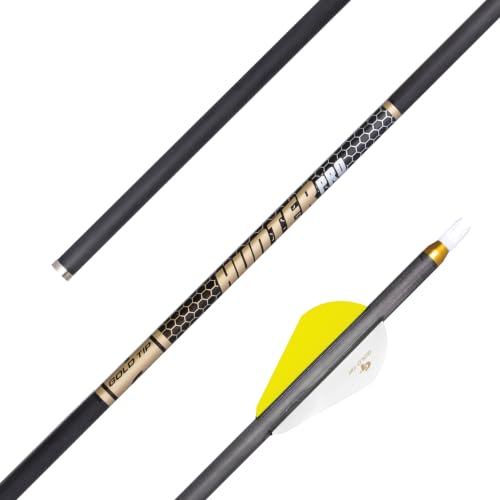
- Unmatched durability with tight manufacturing tolerances.
- Includes factory fletched Raptor vanes for ready use.
- Straightness tolerance of +/- 0.001 inch for accuracy.
Gold Tip Hunter Pro is the budget-friendly pick if your main goal is to get shooting without spending like a tournament archer. The straightness spec and factory-fletched setup are attractive, and research shows it is a practical shaft for many archers. The downside is obvious here: it is not built to give you the same recurve clearance, wind profile, or tuning feel that the X10 is known for.
Frequently asked questions
Are Easton X10 arrows worth the money for an intermediate archer?
Sometimes, but only if your shooting is already stable. If you are an intermediate archer with tight groups and a recurve tune that stays put, the X10 can be worth it for the small scoring gains. If your form is still moving around, a mid-priced shaft usually makes more sense.
Do X10 arrows actually handle wind better than other arrows?
Yes, but the benefit is conditional. The slim and barrelled shape can help outdoors, especially at longer target distances where wind drift starts to matter more. Indoors, or in calm conditions, the difference shrinks fast and may not justify the price.
What draw weight or skill level do I need before X10s make sense?
I would look for a repeatable release, a settled draw weight, and enough experience to tune a recurve properly. There is no magic poundage number that makes them right. The real threshold is whether you can already tell when a better shaft is helping your score.
What’s the difference between the X10, X10 ProTour, and X10 Parallel Pro?
The standard X10 is the classic recurve competition shaft. The Parallel Pro is the 3.2 mm micro-diameter version aimed at elite target accuracy and lower wind drift. The ProTour sits in the same performance family, but you should choose based on your recurve setup and target conditions, not on name alone.
Can I trust Easton’s spine chart when ordering X10s?
Yes, as long as you use it correctly. The chart is useful for spine matching and trim guidance, but you still need to check finished length, front max trim values, and component fit. If you skip those steps, the chart can point you in the wrong direction.
How does the X10 barrel design help recurve finger release?
The barrelled profile reduces the shaft’s size through key parts of the launch, which can help clearance and make the shot feel cleaner off the fingers. It does not fix a sloppy release. It just gives a tuned recurve a better chance to leave the bow without extra trouble.