Are Horses Killed for Violin Bows: The Truth Revealed
Have you ever wondered what goes into making the perfect violin bow? If you’re curious or concerned about the materials used, especially whether horses are harmed in the process, you’re not alone. For more on this, see our guide on Is a Trijicon Scope Good for Hog Hunting? Expert Insights. For more on this, see our guide on Is 64 Inch Bow Too Big for Hunting? Expert Guide & Tips.
This question touches on your values and your love for music. Keep reading, because what you discover might surprise you and change the way you think about this beautiful instrument accessory. Your next violin performance could feel even more meaningful once you know the truth behind those bows.
Materials Used In Violin Bows
The materials used in making violin bows affect their quality and sound. Each part of the bow plays a key role in performance. The choice of wood and hair influences how the bow feels and sounds during play. Understanding these materials helps us appreciate the craft behind violin bows.
Common Wood Types
Most violin bows use strong, flexible wood. Pernambuco wood is the most popular choice. It grows in Brazil and has the right balance of strength and weight. Some bows use Brazilwood, a less costly alternative. Both woods provide good control and durability. Other materials like carbon fiber are also used for modern bows.
Role Of Horsehair
Horsehair is the traditional material for bow hair. It grips the violin strings and produces sound. The hair comes from the tails of horses. Quality bow hair is strong and has tiny scales to help grip strings. It must be clean and well-maintained for the best sound. The hair is replaced regularly to keep performance high.
Alternatives To Horsehair
Some bows use synthetic hair instead of horsehair. This helps players who avoid animal products. Synthetic hair can be durable and work well. It is less sensitive to humidity and wear. Some musicians prefer it for consistency. However, many professionals still choose natural horsehair for its sound quality.
Source Of Horsehair For Bows
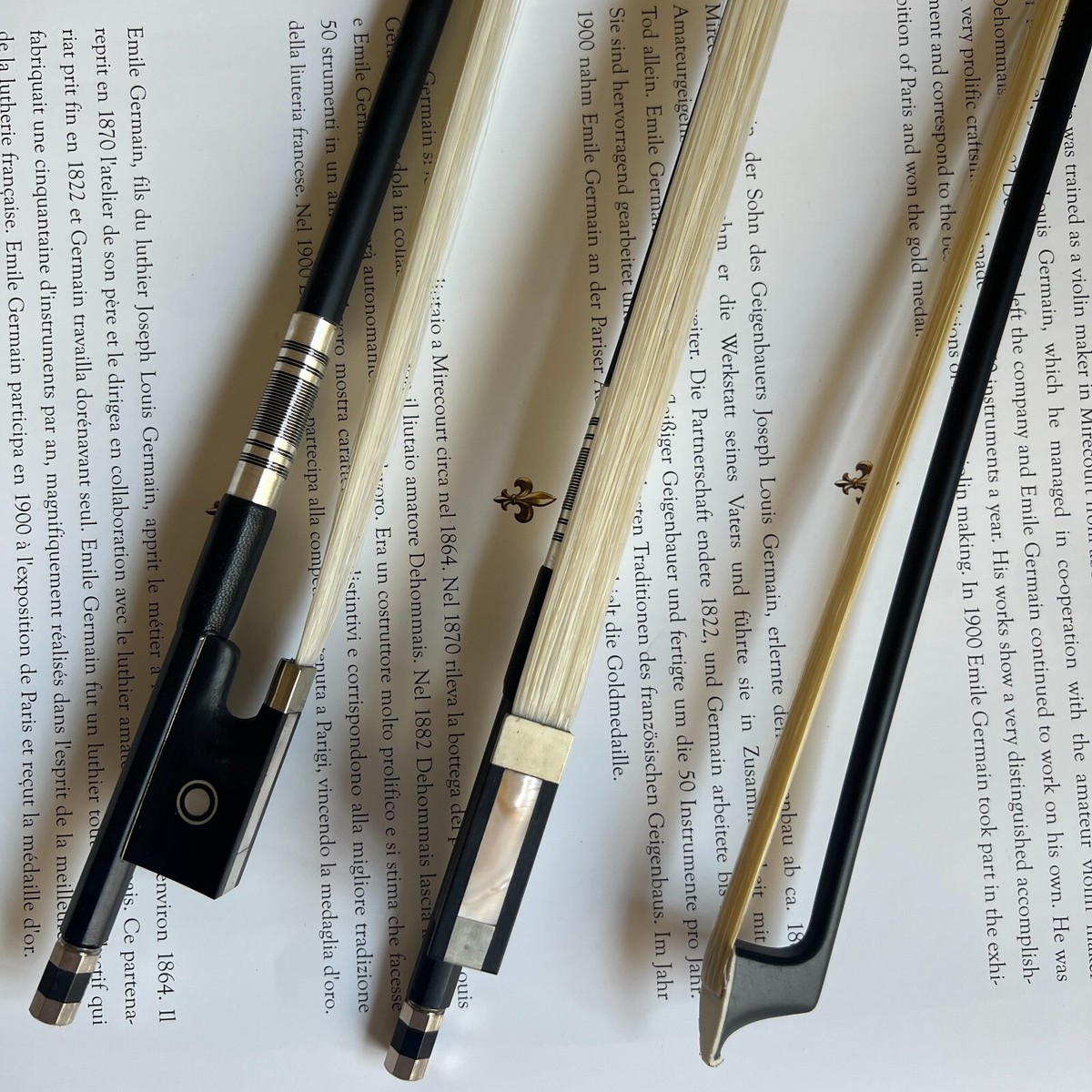
Horsehair is a key material for making violin bows. The hair gives the bow grip and helps produce sound from the strings. Many wonder if horses are harmed to get this hair. The truth is that horsehair usually comes from live horses, not from animals that are killed.
Horsehair for bows is taken carefully. The hair must be strong and smooth. Not all horsehair is fit for violin bows. Only certain hair types work well for musicians.
How Horsehair Is Collected
Hair is usually taken from the tail of a live horse. The tail is brushed or gently pulled to collect loose hairs. Sometimes small sections are cut with scissors. This process does not hurt the horse. It is similar to trimming hair on pets.
Some hair is gathered after horses shed naturally. The hair is cleaned and sorted before use. Collectors avoid damaging the horse’s tail to keep the animal healthy.
Quality Factors In Hair Selection
Good horsehair is long, strong, and straight. It must be clean and free of knots. The best hair comes from stallions, which have thicker and coarser tails. Female horses have softer hair, which is less useful for bows.
Hair color matters less than texture and strength. White hair is common but brown or black can also work. Hair is carefully selected to give the best grip on violin strings. This ensures better sound and control for the player.
Impact On Horses
The use of horsehair in violin bows raises concerns about the impact on horses. This topic often causes confusion and worry among animal lovers. Understanding what really happens to horses is important. Here, we explore the effects on horses and the truth behind common claims.
Animal Welfare Concerns
People worry that horses might suffer when their hair is taken. Some think horses are hurt or stressed. Good care means hair is usually collected during grooming. This process does not harm horses if done correctly. Still, some worry about poor practices in certain places.
Evidence Of Harm Or Killing
Claims say horses are killed for their hair. But real evidence is rare. Most hair comes from natural shedding or brushing. Experts say killing horses for hair is uncommon and not needed. The violin bow industry prefers hair taken without hurting animals.
Industry Practices And Ethics
The use of horsehair in violin bows raises many questions about industry practices and ethics. Understanding how horsehair is sourced helps clarify concerns about animal welfare. The violin bow industry has long traditions, but modern standards affect how materials are obtained and used.
Ethical considerations focus on the treatment of horses and the impact of hair collection. The balance between craftsmanship and animal care is crucial. Transparency in these practices informs buyers and supports responsible choices.
Regulations And Standards
Rules exist to protect horses during hair collection. Different countries have their own laws on animal welfare. These regulations often require that horses are not harmed or stressed.
Many suppliers must follow strict guidelines to ensure humane treatment. Inspections and certifications help maintain industry standards. These measures reduce the risk of cruelty and improve the supply chain.
Efforts To Ensure Humane Treatment
Some companies use only naturally shed hair from horses. This method avoids harm and respects animal well-being. Hair is collected during grooming sessions, which is safe and painless.
Organizations promote better care for horses used in the industry. Education on ethical sourcing encourages suppliers to adopt kind practices. Consumers also push for transparency and humane treatment through their choices.
Alternatives And Innovations
The demand for violin bows has raised concerns about animal welfare. Horsehair, used traditionally, comes from horses’ tails. This has led to questions about cruelty and harm. New options and materials are now available. These alternatives help reduce the need for real horsehair. They also support more ethical and eco-friendly music practices.
Synthetic Hair Options
Synthetic hair mimics the texture and grip of real horsehair. It is made from nylon or other polymers. These fibers hold rosin well and produce good sound. Many musicians find synthetic hair reliable and durable. It is less affected by weather and humidity. Synthetic hair offers a cruelty-free choice for violinists. Its popularity is growing in schools and orchestras.
Sustainable Bow Materials
Wood and other bow materials are also evolving. Pernambuco wood, once common, is now scarce and protected. Alternatives include sustainably harvested woods like bamboo or carbon fiber. Carbon fiber bows are strong and light. They resist warping and last a long time. These materials lower environmental impact. Musicians can choose bows that protect nature and animals. Sustainable materials meet high performance standards too.

Common Myths And Misconceptions
Many people believe horses are killed to make violin bows. This idea causes concern and confusion. It is important to understand the facts. Clearing up myths helps protect both animals and art.
Origins Of The Killing Rumor
The rumor started long ago. People saw horsehair used in violin bows and guessed the worst. Stories spread that horses were harmed to get this hair. The idea grew from fear and misunderstanding. No solid proof ever supported this claim.
Clarifying The Truth
Horsehair for bows comes from natural shedding or grooming. Horses lose hair naturally every year. Bow makers collect this loose hair without hurting the animal. The hair is cleaned and prepared for use. No horses are killed or harmed to make violin bows.
Frequently Asked Questions
Are Horses Harmed To Make Violin Bows?
No, horses are not harmed to make violin bows. The bows use horsehair from naturally shed tails, collected humanely without injury.
What Part Of The Horse Is Used For Violin Bows?
Violin bows use horsehair from the tail. This hair is strong, flexible, and ideal for producing sound on string instruments.
Is Horsehair The Only Material For Violin Bows?
No, some modern bows use synthetic materials. However, horsehair remains preferred for its superior grip and sound quality on strings.
How Is Horsehair Collected For Violin Bows?
Horsehair is collected by combing or brushing the horse’s tail. This process is safe, ethical, and does not hurt the animal.
Conclusion
Horses are not killed to make violin bows. Bow makers use horsehair, which comes from live horses’ tails. The hair is gently collected without harm. This practice respects animal welfare and traditions. Many musicians value horsehair for its sound quality.
Choosing cruelty-free materials matters to many players today. Understanding the facts helps clear up common myths. Now you know the truth about horsehair and bows.