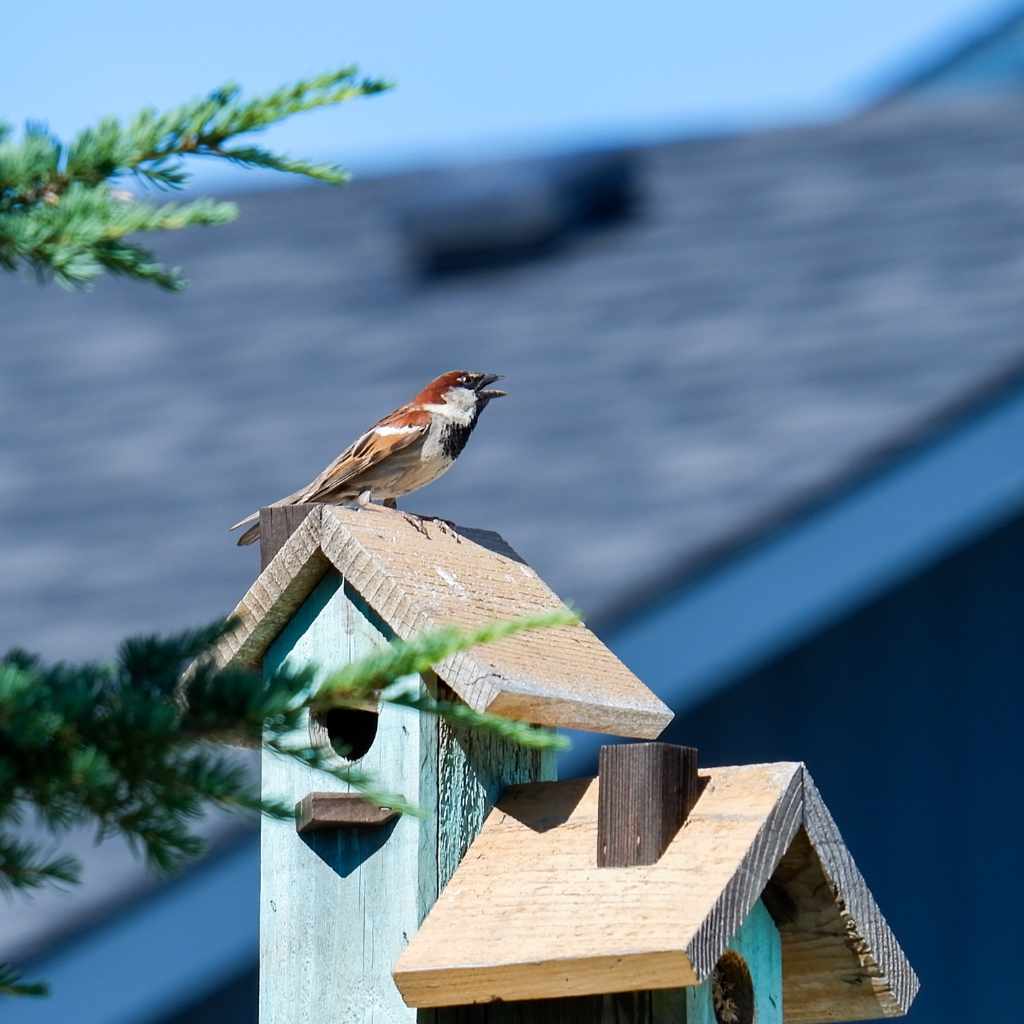
Are House Sparrows Bad? Uncover Shocking Truths Today!
Are house sparrows causing trouble around your home? You might be wondering if these small birds are more of a nuisance than a help. For more on this, see our guide on Is Bowing a Tradition in Japan? Uncover the Cultural Significance. For more on this, see our guide on Are There Rainbows in China? Discover the Science and Myths.
They’re everywhere, chirping and nesting, but are they really bad for your garden, property, or health? Before you decide to chase them away, it’s important to know the truth about house sparrows. Keep reading to discover what these birds are really like and how they might be affecting your space—good or bad.
This could change the way you see the little visitors outside your window.
House Sparrow Behavior
House sparrows are common birds found in many places worldwide. Their behavior affects how people see them. Understanding their habits helps decide if they are good or bad for an area.
Feeding Habits
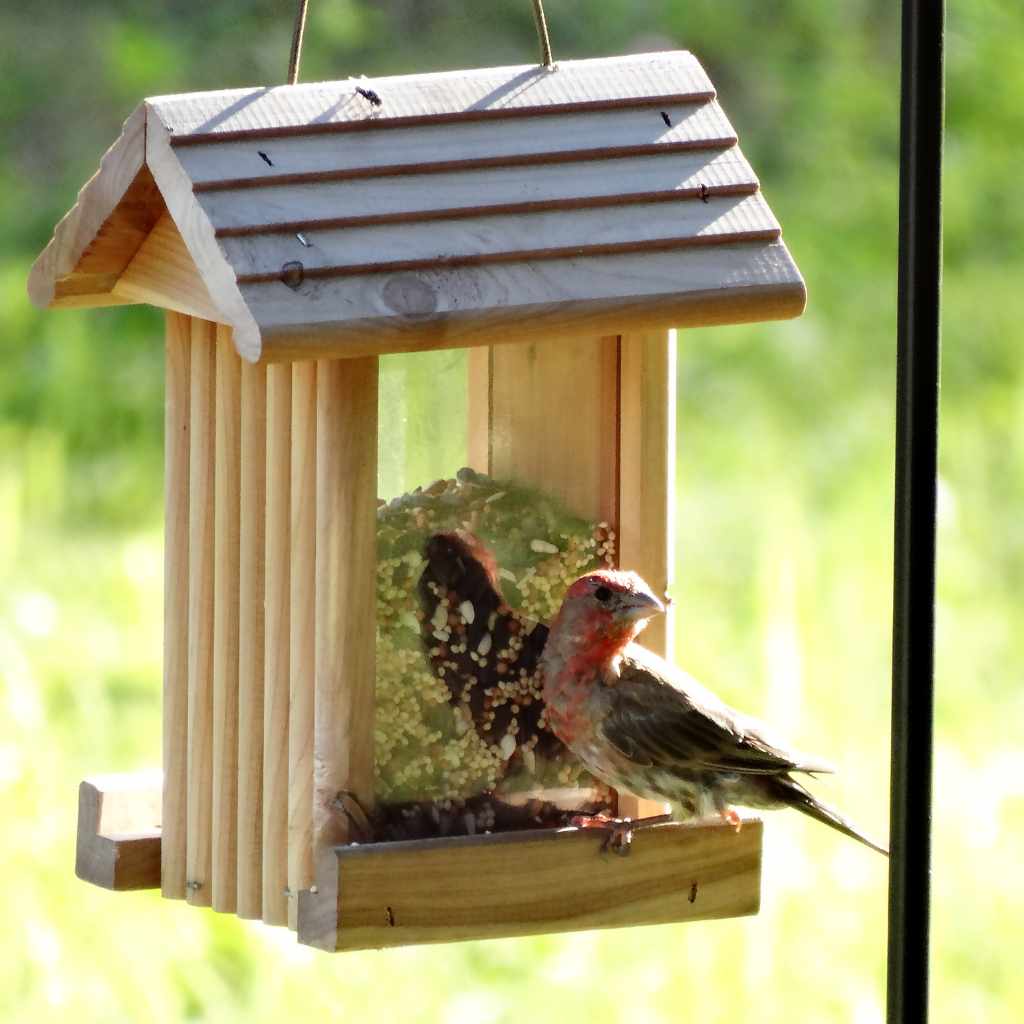
House sparrows eat mostly seeds and grains. They also eat crumbs and food scraps near homes. They can eat insects, especially in spring. This diet helps them survive in cities and farms. Their feeding can cause problems by eating crops or taking food from other birds.
Nesting Patterns
House sparrows build nests in many places. They like holes in buildings, roofs, and trees. They often use materials like straw, feathers, and paper. They can nest close to humans. They lay several eggs each season. Their strong nesting makes them stay near people.
Social Interactions
House sparrows are very social birds. They live in groups called flocks. They communicate with chirps and calls. They often share food and roost together at night. Sometimes, they compete with other birds for space and food. Their social life helps them survive in busy places.
Impact On Ecosystems
The presence of house sparrows in various environments affects local ecosystems in several ways. These birds interact with native species and urban wildlife. Their impact reaches beyond just their numbers, influencing the balance of nature. Understanding these effects helps us see if house sparrows are harmful or harmless.
Competition With Native Birds
House sparrows often compete with native birds for food and space. They can take over nesting sites that native birds need. This competition can reduce the chances of native birds to breed and survive. In some areas, native bird populations have declined because of this rivalry.
Effects On Local Wildlife
House sparrows affect other animals in the ecosystem too. Their presence can change the availability of food for insects and small animals. They might also spread diseases that impact local wildlife. These changes can disrupt natural food chains and harm biodiversity.
Role In Urban Environments
In cities, house sparrows play a unique role. They help control insect populations by eating many bugs. They also adapt well to human surroundings, living close to people. This adaptability sometimes makes them one of the few wild birds in urban areas.
House Sparrows And Human Spaces
House sparrows live close to people. They often build nests in roofs and walls. These birds use human spaces for shelter and food. Their presence can affect homes and health. At the same time, they bring some benefits to people. Understanding their impact helps us manage them better.
Damage To Property
House sparrows can cause damage to buildings. They peck on wood, siding, and insulation. Their nests block vents and gutters. This can lead to water damage inside homes. Droppings also stain walls and outdoor areas. Over time, repairs may become costly. Keeping an eye on sparrow activity is important.
Health Concerns
These birds carry germs and parasites. Their droppings may spread diseases to humans. Dust from nests can trigger allergies or asthma. Sparrows may bring mites or ticks into homes. Poor hygiene in nesting areas increases risks. Cleaning and prevention help reduce health problems.
Benefits To Humans
House sparrows eat many insects and pests. They help control mosquitoes and flies naturally. Watching sparrows can bring joy and calmness. They add life and sound to outdoor spaces. Sparrows also serve as food for other wildlife. Their role in the ecosystem supports balance.
Controlling House Sparrow Populations
Controlling house sparrow populations is important in many areas. These birds can cause damage to crops and property. They also compete with native birds for food and nesting sites. Managing their numbers helps protect the environment and reduces problems for people.
Legal Protections
House sparrows are protected by laws in some places. These laws stop people from harming them or destroying their nests. It is important to know local rules before taking action. Following the law keeps control efforts safe and legal.
Humane Deterrence Methods
Using humane methods to deter sparrows is effective. Birds dislike bright lights and loud noises. Reflective objects can scare them away from gardens and buildings. Netting and bird spikes prevent sparrows from nesting in unwanted areas. These methods cause no harm to the birds.
Effective Population Management
Managing sparrow populations requires careful planning. Removing food sources helps reduce their numbers. Cleaning up spilled grains and trash limits their feeding. Nest removal during the non-breeding season stops new birds from hatching. Combining methods leads to better control results.
Myths Vs Facts
Many people have strong opinions about house sparrows. Some say these birds cause harm. Others believe they are harmless or even helpful. Separating myths from facts helps us understand house sparrows better. This section clears up common wrong ideas and shares scientific truths. It also offers a balanced view of these familiar birds.
Common Misconceptions
Some think house sparrows steal food from other birds. Others say they damage crops everywhere. Many believe sparrows spread disease to humans. People often blame sparrows for reducing native bird populations. These ideas are popular but not always true.
Scientific Findings
Studies show house sparrows eat mostly seeds and insects. They rarely harm crops on a large scale. Research finds no strong link between sparrows and disease spread to people. Sparrows compete with some native birds but do not cause their extinction. Scientists view sparrows as part of urban ecosystems.
Balancing Perspectives
House sparrows can be noisy and messy in some areas. Yet they also control insect pests naturally. These birds add life to city parks and gardens. Understanding both positives and negatives helps us live with sparrows wisely. They are neither all bad nor all good.
Frequently Asked Questions
Are House Sparrows Harmful To Other Birds?
House sparrows can compete with native birds for food and nesting sites. This competition may reduce local bird diversity and affect ecosystem balance.
Do House Sparrows Damage Property Or Crops?
Yes, house sparrows can damage crops by feeding on seeds. They may also nest in buildings, causing minor structural issues.
Can House Sparrows Carry Diseases Harmful To Humans?
House sparrows can carry parasites and diseases like salmonella. However, transmission to humans is rare and generally avoidable with good hygiene.
Why Are House Sparrows Considered Pests In Urban Areas?
House sparrows thrive in urban settings, often creating noise and mess. Their large populations can inconvenience people and affect local wildlife.
Conclusion
House sparrows have both good and bad sides. They can be noisy and messy but also help control insects. Many people enjoy watching their lively behavior. Understanding their role helps us live better together. Keeping a clean space limits their problems.
Think about sparrows as part of nature’s balance. They are not all bad, just a bit tricky sometimes.