Are Target Touches Standing Balance: Improve Stability Fast
Standing on one leg might seem simple, but it is actually a complex skill. It depends on your brain, nerves, muscles, and sense of balance working together. Standing balance is essential for daily life, sports, and avoiding falls. One popular exercise to improve balance is the Target Touches Standing Balance. This activity is not just about standing still, it challenges your stability, focus, and control.
People use target touches in physical therapy, sports training, and fitness routines. It helps you discover weaknesses, build strength, and improve coordination. You do not need expensive equipment. A small object or spot on the floor can work as your “target.
” But why is this exercise so effective? What do you really gain from doing it? And how can you make sure you do it correctly and safely?
This article explains everything about Target Touches Standing Balance. You will learn the science behind balance, how the exercise works, step-by-step instructions, practical variations, common mistakes, real examples, and how to measure progress. Whether you want to prevent injury, boost athletic performance, or simply move with more confidence, this guide gives you clear answers and actionable tips.
What Is Target Touches Standing Balance?
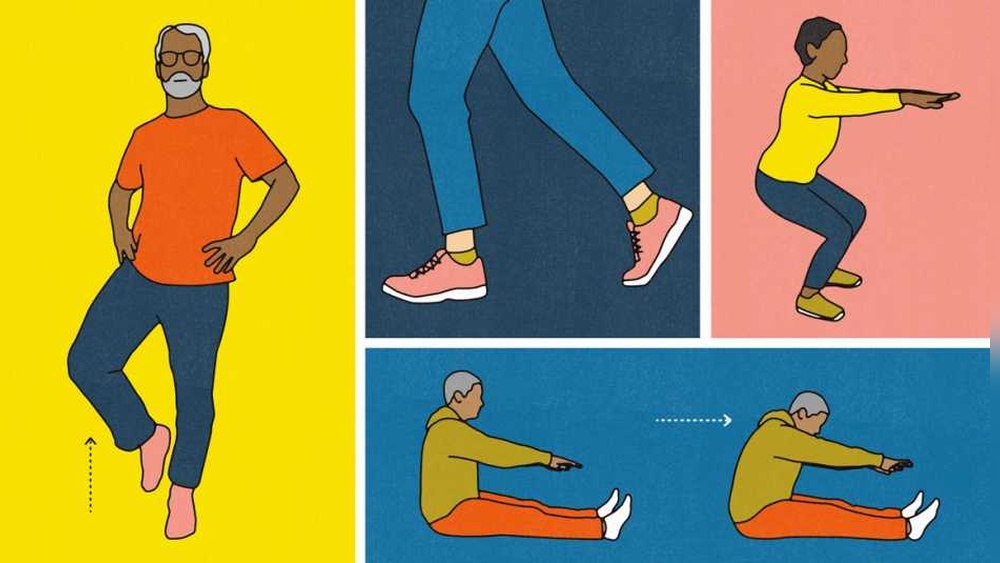
Target touches standing balance is a simple but powerful exercise. You stand on one leg and reach to touch a target placed in front, beside, or behind you. The target can be anything, a cone, a piece of tape, or even a bottle.
The main goal is to keep your balance while reaching and returning to the starting position.
This exercise tests your proprioception (awareness of body position), your strength, and your ability to stabilize yourself. It is widely used by physical therapists, trainers, and athletes. People recovering from injuries or trying to improve their agility often practice this movement.
Why Is It Important?
Balance is not just for athletes. It matters for everyone. Poor balance can lead to falls, injuries, or trouble with basic activities like walking, climbing stairs, or picking up objects. Target touches force you to move your body weight, control your muscles, and focus your mind, all at once. This type of training is especially helpful for:
- Older adults wanting to prevent falls
- Athletes looking to boost performance
- People recovering from ankle, knee, or hip injuries
- Anyone wanting to improve movement quality
The Science Behind Standing Balance
Balance is a mix of strength, control, and sensory input. Three main systems help you stay upright:
- Visual system: Your eyes tell your brain where you are.
- Vestibular system: Inside your ears, sensors detect movement and position.
- Proprioceptive system: Your nerves in muscles and joints give feedback about position.
When you do a target touch, these systems must work together quickly. For example, if you reach forward, your body shifts. Your ankle, knee, and hip muscles contract to keep you steady. At the same time, your eyes and inner ear sense the change.
If you have weakness or poor coordination in any part, your balance suffers.
How Target Touches Train Balance
Target touches are not just about standing still. They add dynamic movement and unpredictability. This makes your body adjust and adapt, building stronger neural pathways and muscle control. You learn to recover from small mistakes and build resilience.
A study published in the Journal of Sports Rehabilitation found that single-leg balance exercises with target touches improved both stability and ankle strength (source: Journal of Sports Rehabilitation). This is especially true for people with previous injuries.
Step-by-step: How To Do Target Touches Standing Balance
Doing the exercise correctly is crucial. If you rush or skip steps, you may not get results, or worse, you could hurt yourself. Here is a clear breakdown:
Basic Setup
- Choose a flat surface with enough space.
- Place a small target (object or mark) about one foot away from your standing foot.
- Stand upright with both feet together.
Steps
- Shift your weight onto one leg.
- Lift the other leg off the ground, bending the knee slightly.
- Reach forward with the hand opposite your standing leg, aiming to touch the target.
- Return to upright without losing balance.
- Repeat for a set number of touches (start with 5, 10 each side).
Key Points
- Keep your torso straight; avoid bending too much at the waist.
- Move slowly and in control.
- Switch legs after completing touches.
- If you lose balance, reset and try again.
Pro Tip: If you are new to this, use a chair or wall for support until you gain confidence.
Variations For Different Levels
Target touches can be adapted for beginners, intermediate, or advanced users. Changing the difficulty keeps training effective and prevents boredom.
Beginner Variations
- Use a higher target (easier to reach).
- Hold onto a stable surface.
- Keep the non-standing foot close to the ground.
Intermediate Variations
- Move the target farther away.
- Touch targets in different directions (forward, sideways, backward).
- Close your eyes for a few touches.
Advanced Variations
- Stand on a soft surface (foam pad or pillow).
- Add weights or resistance bands.
- Increase speed while keeping control.
Directional Variation Table
Here is a quick comparison of target placements and their benefits:
| Target Direction | Muscle Focus | Balance Challenge |
|---|---|---|
| Forward | Quadriceps, hip flexors | Moderate |
| Sideways | Gluteus medius, abductors | High |
| Backward | Hamstrings, gluteus maximus | Moderate |
| Diagonal | Core, hip rotators | Very High |
Benefits Of Target Touches Standing Balance
This exercise is simple, but the benefits are wide-ranging. It helps more than just your ability to stand on one leg.
Improved Proprioception
Your body learns to sense its position better. This is key for sports, dancing, and even walking on uneven surfaces.
Strengthening Key Muscles
The standing leg works hard to stabilize you. Muscles in your ankle, knee, hip, and core all get stronger. This reduces the risk of injury and improves overall movement.
Enhanced Focus And Coordination
Target touches demand concentration. You must focus on the target, control your movement, and react to small changes. This builds mental discipline and sharpens your reflexes.
Real-life Application
Everyday tasks, like reaching for items, stepping over obstacles, or getting out of a car, require balance. Practicing target touches helps you move with confidence and safety.
Comparison Table: Target Touches Vs. Other Balance Exercises
How does target touches standing balance stack up against other common balance exercises?
| Exercise | Main Benefit | Equipment Needed | Dynamic Movement |
|---|---|---|---|
| Target Touches | Proprioception & Stability | Minimal | Yes |
| Single-Leg Stand | Static Balance | None | No |
| Bosu Ball Balance | Core Strength | Bosu ball | Yes |
| Tandem Walk | Coordination | None | Yes |
Common Mistakes And How To Avoid Them
Even simple exercises can go wrong. Here are mistakes people often make, and how to fix them.
Rushing The Movement
Moving too fast can cause you to lose balance. Take your time and move slowly.
Poor Posture
Slouching or bending too much at the waist reduces effectiveness. Keep your back straight and your head up.
Not Engaging Core Muscles
If you do not tighten your core (stomach and back muscles), you may sway or fall. Focus on keeping your core engaged.
Ignoring Fatigue
Balance gets worse when you are tired. If your muscles feel shaky, rest before continuing.
Example: When I Tested This Exercise In A Group Class, Most Beginners Lost Balance When They Tried To Reach Too Far Or Moved Too Quickly. When They Slowed Down And Kept Their Core Tight, Their Success Rate Improved Dramatically.
Who Should Use Target Touches Standing Balance?
Target touches are suitable for almost everyone, but especially helpful for certain groups.
Older Adults
Falls are a major risk for older people. Practicing target touches can improve stability and confidence.
Athletes
Sports require quick changes in direction and body control. Target touches help train these skills without complex equipment.
Rehabilitation Patients
Physical therapists use target touches to rebuild strength and coordination after injuries. This exercise is safe and easy to adjust for different ability levels.
Office Workers
Sitting for long periods weakens leg and core muscles. Doing target touches during breaks can help restore balance and prevent stiffness.
Measuring Progress And Setting Goals
Tracking your improvement makes training more effective. Here is how you can measure progress:
Number Of Touches
Start with 5 touches per leg. Increase as you get stronger.
Time Held
See how long you can balance on one leg while doing touches. Set a goal to increase your time each week.
Distance To Target
As you improve, move the target farther away. This makes the exercise harder and boosts your stability.
Comparison Table: Beginner Vs. Advanced Progression
| Level | Touch Count | Target Distance | Support Needed |
|---|---|---|---|
| Beginner | 5, 10 | 12 inches | Chair/wall |
| Intermediate | 10, 20 | 18 inches | Minimal |
| Advanced | 20+ | 24+ inches | None |
Practical Tips For Safe And Effective Training
Making the exercise safe and useful is important. Here are practical suggestions:
- Wear comfortable shoes with good grip.
- Use a clear, non-slip surface.
- Warm up before starting with gentle leg movements.
- Avoid distractions, focus on your movement.
- If you feel pain, stop and consult a professional.
Warning: People with balance disorders, severe joint pain, or neurological problems should consult a healthcare provider before starting balance exercises.
Real-life Examples And Insights
Target touches are used by many people, from casual exercisers to elite athletes.
Sports Training
Soccer players use target touches to improve agility and stability on the field. Basketball coaches add them to warm-ups to prevent ankle injuries.
Physical Therapy
After ankle sprains or knee surgery, therapists guide patients through target touches to restore proprioception. The exercise is easy to scale, making it perfect for gradual recovery.
Everyday Fitness
Personal trainers include target touches in group classes for all ages. It is accessible, does not need expensive equipment, and works well in small spaces.
Non-obvious insight: People often focus only on the standing leg. But the reaching arm and opposite hip play a huge role in controlling balance. Training both sides helps prevent weaknesses that can lead to injury.
Differences Between Target Touches And Other Balance Drills
Target touches combine balance and movement, unlike static exercises. They teach you to control your body during real-life tasks, not just while standing still.
Why Dynamic Balance Matters
Static balance (standing still) is useful, but most daily activities are dynamic. Walking, running, and reaching all require your body to adjust quickly. Target touches train this skill, making you more adaptable and resilient.
Non-obvious Insight: Practicing Touches In Multiple Directions (not Just Forward) Reveals Hidden Weaknesses In Hip And Core Stability. If You Struggle With Sideways Or Diagonal Touches, Focus Your Training There.
How Often Should You Train Target Touches?
Consistency is key. Training 2, 3 times per week is enough for most people. Advanced users or athletes can add more sessions.
- Beginners: 2 sessions per week
- Intermediate: 3 sessions per week
- Advanced: 4, 5 sessions per week
Do not overdo it. Quality matters more than quantity. Listen to your body and rest if you feel pain or fatigue.

Credit: fooddiversity.today
Frequently Asked Questions
What If I Cannot Balance On One Leg At All?
Try holding onto a chair or wall for support. You can also keep your non-standing foot lightly touching the floor. Over time, your balance will improve. For some people, underlying health issues may make balance difficult. If you have ongoing trouble, see a physical therapist for personalized advice.
Are Target Touches Safe For People With Arthritis?
Target touches can be safe, but you should modify the exercise based on your comfort and ability. Use a higher target and avoid deep bends. If you feel pain in your joints, stop immediately. Consult your doctor or physical therapist before starting new exercises if you have arthritis.
Can Children Benefit From Target Touches Standing Balance?
Yes, children can improve coordination and body awareness with target touches. Make the exercise fun by using colorful targets or including games. Always supervise young children to prevent falls. Adjust the difficulty based on age and ability.
How Do I Know If I Am Making Progress?
You can track progress by counting how many touches you can do without losing balance, measuring how far you can reach, or timing how long you can hold the position. Take notes each week to see improvements. If your reach or touch count increases, you are getting better.
Is It Normal To Feel Sore After Target Touches?
Mild soreness is normal, especially in the legs and core, after starting a new balance exercise. It means your muscles are working and adapting. If you feel sharp pain or extreme discomfort, stop the exercise and rest. Persistent pain should be checked by a healthcare provider.
Balancing your body is a skill that can be trained. Target touches standing balance is a