How Do Forests Stand If Trees Live Only 50 Years: Nature’s Resilience
Have you ever wandered through a forest and marveled at its towering trees, wondering how these giants continue to thrive when individual trees might only live about 50 years? You’re not alone. For more on this, see our guide on How Do You Know The Draw Of Your Bow.

CZ Grain
8 Bare Root Fruit Plants | 2…
- Complete Orchard Starter Bundle: Receive 8 dormant bare root fruit trees with 2 each of Apple,Blueberry, Raspberry, Blackberry. A…
- Healthy Dormant Bare Roots: Each tree is shipped dormant with a well-developed root system to encourage successful establishment w…
- Years of Fresh Homegrown Fruit: Grow your own assortment of crisp apples, sweet blueberries, juicy raspberries, and flavorful blac…
As an Amazon Associate I earn from qualifying purchases.
This intriguing question taps into the mystery of nature’s resilience. Forests, with their lush canopies and rich ecosystems, seem to defy the odds. Yet, there is a fascinating explanation behind their enduring existence. Imagine the forest as a bustling community, where each tree plays a vital role.
Even as some trees reach the end of their life cycle, new ones sprout and grow, ensuring the forest remains vibrant and alive. It’s a natural cycle that has been perfected over centuries. But what really goes on beneath the surface? How do forests continue to flourish despite the short lifespan of individual trees? Unveiling this secret will change the way you see these natural wonders forever. Let’s explore the hidden mechanisms that allow forests to stand the test of time. Stay with us, and you’ll discover the fascinating world of forest dynamics, a world that might just surprise you with its complexity and beauty.
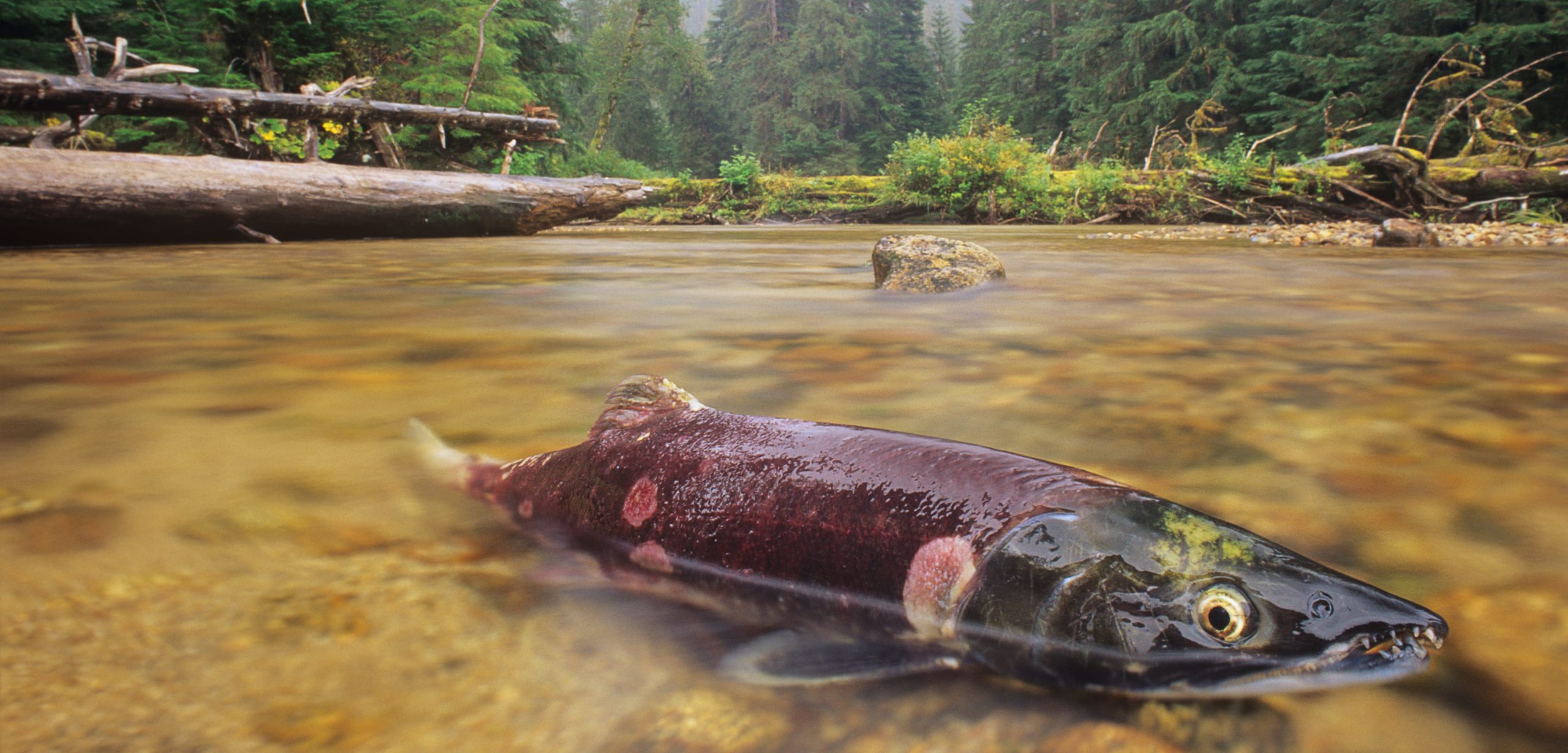
Credit: hakaimagazine.com
Forest Ecosystems
Forests have many different plants. Trees, shrubs, and flowers all grow there. These plants work together. They help each other live longer. Some trees live only 50 years. Other plants fill in when they die. This keeps the forest healthy. Seeds and young plants grow to replace old ones. New plants keep the forest full and green. A mix of plants is very important. Each plant plays a role in the forest. They all support the forest’s life cycle.
Forests are homes for many animals. Birds, deer, and insects live there. Animals find food and shelter in forests. Each animal has a place to live. Trees give birds a place to nest. Animals use fallen leaves to hide. Forests provide water and shade. These help animals stay safe. Each animal plays a part. They help the forest stay alive. Forests and animals need each other.
Tree Lifespan
Many things decide how long a tree lives. First, the type of tree matters. Some trees live longer than others. Second, the place where the tree grows is important. Good soil helps trees live longer. Third, weather plays a big role. Too much wind or storms can hurt trees. Diseases can also make trees die early. Animals and insects sometimes damage trees. People can affect tree life too. Cutting trees or pollution is harmful. Each tree faces different challenges. Together, these factors affect how long trees live.
Most trees live around 50 years. Some trees live longer, like oak trees. They can live for hundreds of years. Pine trees may live about 100 years. Fruit trees often live shorter lives. They might live 30 to 40 years. Fast-growing trees usually live less. They grow quickly but die young. Slow-growing trees often live longer. Each tree has its own lifespan. The forest stays alive with new trees. Some trees die, but others grow. This cycle keeps the forest standing.
Natural Regeneration
Trees use seeds to grow new trees. Wind, water, and animals help move seeds. Wind carries light seeds far away. Water can float seeds to new places. Animals eat seeds and drop them in new areas. This helps forests grow and stay strong. Some seeds need fire to open. Fire helps them sprout. Many seeds can wait for the right time to grow. This way, forests can keep growing even if some trees die.
Disturbances like fire and storms can help forests. They clear old trees and make space for new ones. Young trees get more sunlight and water. Animals and insects also help. They spread seeds and help plants grow. Even if trees live only 50 years, forests stay alive. New trees keep growing. Forests are always changing. But they stay strong and healthy.
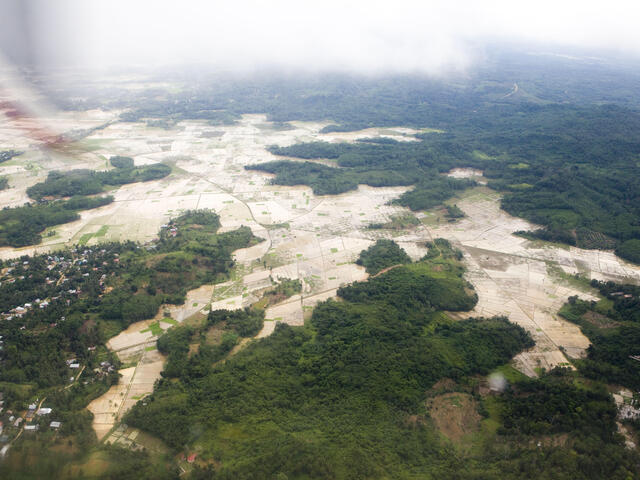
Credit: www.worldwildlife.org
Adaptive Strategies
Resilient speciesplay a key role in forests. These trees have special skills. They grow fast and spread seeds far. Some trees sprout from stumps. This gives them a new life. Others have thick bark to protect from fire. Each tree has its own way to adapt. Together, they make forests strong. Even if some trees die, new ones grow. This cycle keeps forests alive.
Symbiotic relationshipshelp trees survive. Trees and fungi work together. Fungi help trees get nutrients. In return, trees give food to fungi. Animals also help trees. Birds and squirrels spread seeds. This helps trees grow in new places. These partnerships make forests healthy. Trees support each other. They share space and resources. This balance helps forests thrive for many years.
Role Of Biodiversity
Forests are full of different tree types. Each tree has its own unique genes. These genes help trees stay strong and healthy. Some trees may live longer than others. This genetic variation keeps the forest alive. New trees grow when old ones die. This cycle of life makes forests last a long time. It’s like having many different tools. Each tool helps in its own way.
In forests, trees work together. They share nutrients and water. Animals also help by spreading seeds. This helps new trees grow. Birds and insects play a big role too. They help trees by pollinating flowers. Trees also provide homes to many animals. This creates a healthy system. Each part helps the other. Even if a tree lives 50 years, the forest stays strong.

Credit: www.npr.org
Human Impact
Forests face big challenges due to human activities. One major issue is deforestation. People cut trees for wood, farming, and building. This leads to fewer trees and smaller forests. Animals lose their homes. Soil becomes weak and washes away easily. Weather patterns can change, causing more storms or droughts.
Many forests disappear because of human needs. Cutting trees for paper and furniture is common. Forests also vanish to make space for crops and houses. This harms animals and plants. Soil loses nutrients and can’t hold water well. Climate gets affected. Rainfall patterns can change, leading to floods or dry seasons.
People try to save forests. Planting new trees helps replace those cut down. Protecting forests from illegal logging is important. Some areas become protected parks. This stops building and cutting. Educating others about the importance of forests is key. Everyone can help by using less paper and recycling more.
Frequently Asked Questions
How Do Forests Thrive With Short-lived Trees?
Forests maintain balance through diverse species and continuous regeneration. While some trees live short lives, others persist longer. New trees grow as old ones die, ensuring forest stability. This cycle supports biodiversity and ecosystem health, allowing forests to thrive despite individual tree lifespans.
What Role Do Tree Species Play In Forests?
Tree species diversity is crucial for forest ecosystems. Different species have varied lifespans, growth rates, and ecological roles. This diversity ensures resilience against diseases, pests, and environmental changes. It also contributes to a balanced ecosystem, supporting wildlife and maintaining soil health.
How Do Younger Trees Replace Older Ones?
Younger trees replace older ones through natural regeneration. Seeds from mature trees fall and germinate in the forest soil. These seedlings grow, eventually maturing into trees. This ongoing process ensures continuous forest renewal, supporting ecosystem functions and biodiversity.
Why Don’t Forests Disappear With Tree Deaths?
Forests don’t vanish because of their regenerative capacity. As older trees die, they create space and resources for new growth. This dynamic cycle of death and rebirth maintains forest structure and health. It allows forests to persist and adapt over time.
Conclusion
Forests thrive even as trees live only 50 years. A cycle of growth. Old trees make way for new ones. Young trees grow fast, filling gaps quickly. Biodiversity helps forests stand strong. Many species live and grow together. Trees, plants, animals support each other.
Roots hold soil, preventing erosion. Leaves form a thick canopy. Shade and moisture create a balanced habitat. Forests adapt to changes. Constant renewal keeps them alive. Nature’s resilience is remarkable. Life continues in a never-ending cycle. Forests remain a vital part of our ecosystem.
Their strength lies in diversity and renewal.
Related pick: Check today's price on Amazon