How Does a Horse Bow a Tendon? Causes, Signs, and Recovery
Horses are powerful, athletic animals, but their legs, especially the tendons, are surprisingly delicate. If you spend time around stables or racetracks, you might hear someone say a horse has “bowed a tendon. ” This phrase can sound confusing, even to those with some horse experience.
What exactly does it mean? How does it happen, and why does it matter so much? Understanding how a horse bows a tendon is key for anyone who cares for or rides horses. It can mean the difference between a quick recovery and a long-term problem, or even the end of a horse’s athletic career.
What Does “bowed Tendon” Mean?
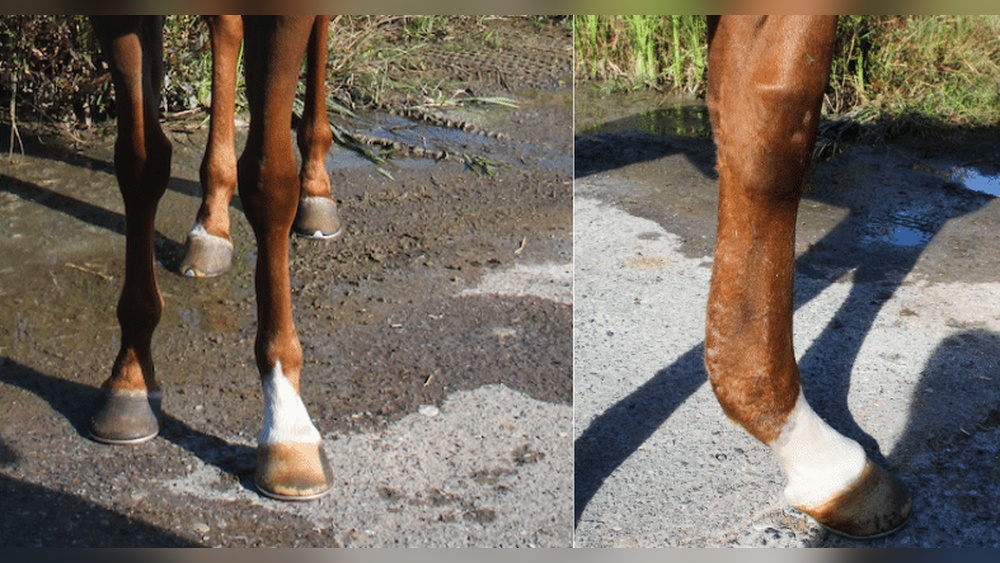
When people say a horse has “bowed a tendon,” they mean the horse has suffered a tendon injury, usually to the superficial digital flexor tendon (SDFT) in the lower leg. The name comes from the way the tendon looks after injury: it swells and forms a curved, bowed shape along the back of the cannon bone.
A bowed tendon is not simply a bruise or bump. It’s a real tear or overstretching of tendon fibers. The injury can range from mild (a few torn fibers) to severe (a full rupture). This makes it a serious problem because tendons heal slowly and never return to their original strength.
Anatomy: The Horse’s Lower Leg And Tendons
Understanding how a horse bows a tendon starts with knowing the anatomy. Unlike humans, horses have long lower legs with minimal muscle below the knee or hock. Most of the power and support comes from tough tendons and ligaments.
Key tendons involved:
- Superficial digital flexor tendon (SDFT): The most commonly injured, running down the back of the leg.
- Deep digital flexor tendon (DDFT): Sits deeper, also at risk but less commonly “bowed.”
- Suspensory ligament: Supports the fetlock; can be injured, but injuries are not called “bows.”
The SDFT works like a spring, helping the horse absorb shock and push off the ground. Because it stretches with every stride, it faces huge stress, especially during fast work.
| Structure | Location | Main Function | Common Injury |
|---|---|---|---|
| Superficial Digital Flexor Tendon (SDFT) | Back of cannon bone | Flexes lower leg, absorbs shock | Bowed tendon |
| Deep Digital Flexor Tendon (DDFT) | Deeper, behind SDFT | Flexes hoof, supports limb | Strain/tearing |
| Suspensory Ligament | Below knee/hock to fetlock | Supports fetlock joint | Desmitis (inflammation) |
How Does A Horse Bow A Tendon?
A horse “bows” a tendon when excessive force or repeated stress causes the tendon fibers to stretch, tear, or rupture. The most common scenarios are:
- Sudden Overload: A horse galloping, jumping, or making a sharp turn puts extra force on the tendons. If the tendon is weak or the footing is poor, fibers can tear.
- Repeated Microtrauma: Daily work without enough rest can cause tiny, repeated injuries. Over time, these add up and the tendon weakens until it finally tears.
- Poor Conformation: Horses with long, sloping pasterns or back-at-the-knee legs put more strain on the tendons.
- Fatigue: Tired muscles stop supporting the leg, so the tendons absorb more shock. This is why many bows happen late in a race or hard workout.
- Old Injuries: Scar tissue from a previous injury is weaker than healthy tendon, making re-injury likely.
Example: In my experience, I’ve seen horses bow a tendon just by stumbling in deep sand at the end of a long ride. The horse looked sound until it stopped, and suddenly there was heat and swelling along the back of the leg.
Risk Factors And Who Is Most At Risk
Not every horse is equally likely to bow a tendon. Certain factors make tendon injuries more common:
- Racehorses and Eventers: Fast work, jumping, and sharp turns increase risk.
- Older Horses: Tendons lose elasticity with age.
- Young, Unfit Horses: Tendons aren’t fully developed or “conditioned.”
- Improper Shoeing: Long toes or low heels put extra strain on tendons.
- Hard or Uneven Ground: Increases the force on the tendon with each stride.
| Risk Factor | Why It Matters |
|---|---|
| Speed work (racing, jumping) | High impact, sudden force on tendons |
| Poor conformation | Abnormal angles increase tendon stress |
| Fatigue | Muscles tire, tendons absorb more force |
| Improper shoeing | Changes foot mechanics, raises risk |
| Previous tendon injury | Scar tissue is weaker, easier to re-injure |
Warning: Horses that have bowed a tendon once are much more likely to do it again. Scar tissue never regains full elasticity, even after long rest.
Early Signs And Symptoms
One of the most important skills for any horse owner is catching tendon injuries early. The sooner you spot a problem, the better the chance for recovery.
Key signs of a bowed tendon:
- Sudden heat and swelling along the back of the lower leg (cannon bone area)
- A “bowed” or curved shape to the tendon when viewed from the side
- Pain or sensitivity when you press the area
- Lameness ranging from mild to severe
In some cases, the swelling may not appear until several hours after the injury. Lameness may not be obvious at first, especially if the horse is excited or has adrenaline from a race.
Pro Tip: Run your hand down your horse’s legs every day. Get to know what “normal” feels like, so you can spot small changes before they get worse.
What Happens Inside The Tendon?
When a horse bows a tendon, there is microscopic tearing of the tough collagen fibers that make up the tendon. In severe cases, large sections tear or rupture completely.
Here’s what happens:
- The tendon fibers tear under strain
- Blood and fluid leak into the area, causing heat and swelling
- The body begins to repair the damage, but forms scar tissue, not normal tendon
Scar tissue is less elastic and more likely to tear again. This is why even a “healed” bowed tendon is not as strong as before.
Diagnosis: How Vets Identify A Bowed Tendon
Veterinarians use a mix of hands-on exams and imaging to diagnose bowed tendons. Catching the injury quickly makes a big difference in treatment success.
Common diagnostic steps:
- Physical Exam: Feeling for heat, swelling, pain, and the bowed shape.
- Ultrasound: The gold standard for tendon injuries. Ultrasound shows the size, location, and depth of the tear.
- Lameness Evaluation: Watching the horse move to see how badly it is affected.
Ultrasound also helps vets track healing over time. They can see how much scar tissue forms and if the tendon is regaining normal structure.
Treatment: What To Do If A Horse Bows A Tendon
If you suspect a bowed tendon, act quickly. The first 24-48 hours are the most important.
First Aid Steps
- Stop all work immediately. Walking or trotting can make the injury worse.
- Apply cold therapy: Use ice or cold water for 15-20 minutes, several times a day, to reduce swelling.
- Pressure wrap: Use a stable bandage to support the tendon and control swelling.
- Call your veterinarian: Don’t wait. Early treatment is key.
Veterinary Treatment Options
After diagnosis, the vet will make a plan based on the injury’s severity. Most bowed tendons are treated with rest and supportive care, but some cases need more advanced therapies.
- Rest and controlled exercise: The horse will need stall rest at first, then a slow return to walking over months.
- Anti-inflammatory drugs: To control pain and swelling.
- Physical therapy: Hand-walking, stretching, and eventually light work.
- Regenerative therapies: Some horses benefit from stem cell or platelet-rich plasma (PRP) injections to help tendon healing. Ask your vet if these are options.
In severe cases, surgery may be needed, but this is rare.
| Treatment | Main Benefit | Typical Duration |
|---|---|---|
| Rest & Controlled Exercise | Allows tendon fibers to heal slowly | 6-12 months |
| Cold Therapy | Reduces swelling, limits damage | First 48-72 hours |
| Bandaging | Supports tendon, reduces swelling | 1-4 weeks |
| Regenerative Injections | May improve tendon healing quality | Varies |
Recovery: How Long Does Healing Take?
Healing from a bowed tendon is slow. Most horses need at least 6 months of careful rehabilitation, and some take a year or more to return to work.
Key phases:
- Acute phase (first 2 weeks): Reduce swelling and inflammation.
- Early healing (weeks 3-12): Tendon fibers begin to repair. Hand-walking is introduced.
- Remodeling (3-12 months): Controlled exercise helps tendon fibers line up correctly and regain strength.
Warning: Bringing a horse back too quickly is the most common reason for re-injury. Always follow your vet’s rehab plan, even if the horse looks sound.
Prognosis: Can A Horse Return To Full Work?
The outlook depends on the injury’s severity, the horse’s age, and how carefully the rehab is managed.
- Mild bows: Some horses return to full work, especially if it’s their first injury and rehab is slow and steady.
- Severe bows: There may be permanent weakness or thickening, and the risk of a second injury is high.
- Racehorses: Only about 50% return to racing after a bowed tendon, and even fewer regain top form.
Not-So-Obvious Insight: Even if a horse seems to recover, the tendon is never as strong as before. Many horses can have a second career in light riding, but high-level jumping or racing may be out of reach.
Prevention: How To Lower The Risk
While you can’t prevent all tendon injuries, good management makes them less likely.
- Conditioning: Build up a horse’s workload slowly so tendons can adapt.
- Warm up and cool down: Always give the tendons time to adjust.
- Good footing: Avoid deep, slippery, or very hard ground.
- Regular shoeing: Keep hooves balanced to reduce abnormal strain.
- Watch for early signs: Daily leg checks catch problems early.
Pro Tip: If you own or ride a horse with past tendon injuries, consider support boots during work. They don’t prevent injuries completely, but they may lower the risk in stressful activities.
Two Common Myths About Bowed Tendons
1. Myth: Only Racehorses Bow Tendons.
While racehorses are at high risk, any horse can suffer a bowed tendon, including trail horses and pleasure horses, if they trip, overwork, or have poor conformation.
- Myth: Once healed, the tendon is as strong as ever.
Tendon tissue heals with scar tissue, which is always weaker and less elastic than the original. A horse with a bowed tendon will always be at some risk for re-injury.
Real-world Example
A 10-year-old show jumper I knew began showing slight swelling behind the knee after a series of hard competitions. The horse wasn’t lame, but the area felt warm. Ultrasound showed a small tear in the superficial digital flexor tendon. With careful rest, cold therapy, and a year-long rehab program, the horse returned to light jumping but never competed at the highest level again.
This shows how even “small” tendon injuries can have long-term effects on a horse’s career.
When To Call The Vet
If you notice any of these signs, contact your veterinarian right away:
- Sudden swelling or heat in the lower leg
- Lameness after exercise
- Obvious bowing shape along the tendon
Early intervention is critical for the best chance of recovery. Tendon injuries are not something you can “wait and see” without risk.
For more in-depth information about equine tendon injuries and recovery, the American Association of Equine Practitioners is a reliable resource: AAEP.
Frequently Asked Questions
What Is The Difference Between A Bowed Tendon And A Strained Tendon?
A bowed tendon involves visible swelling and often a curved “bow” along the back of the leg, usually due to a tear in the SDFT. A strained tendon is a milder injury with less severe fiber damage and usually no obvious bow. Both require rest, but a bow is more serious and takes longer to heal.
Can A Bowed Tendon Be Prevented Entirely?
No method guarantees a horse will never bow a tendon, but good management, proper conditioning, regular shoeing, and careful footing, can greatly reduce the chances. Genetics and conformation play a role, so some horses are always at higher risk.
Is Surgery Ever Used To Treat Bowed Tendons?
Surgery is rarely the first choice for bowed tendons. It may be considered for severe cases or if there is an old, non-healing lesion