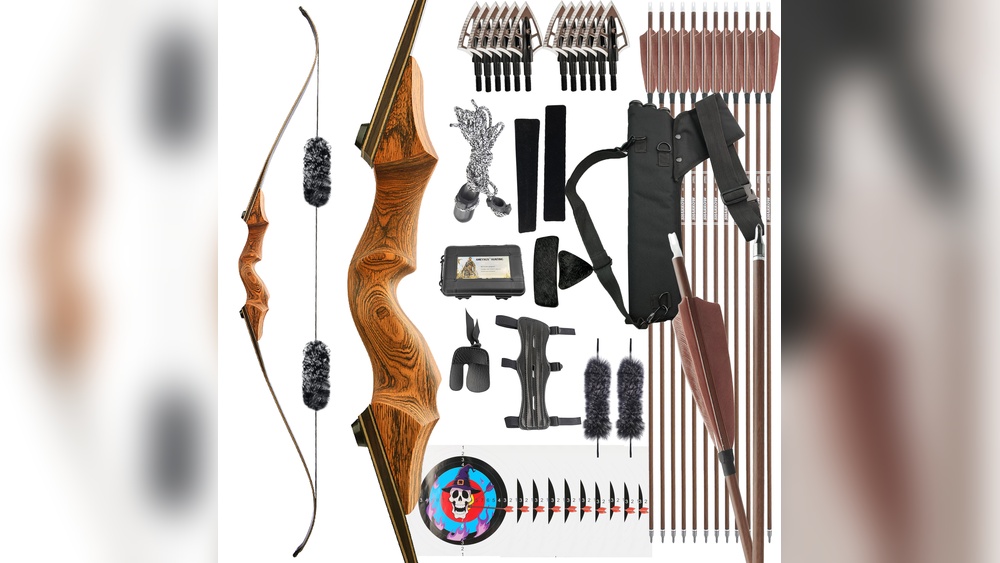
Takedown Bow Care and Maintenance Tips
A takedown bow is a favorite among both new and experienced archers for its flexibility, portability, and ease of maintenance. Unlike a one-piece traditional bow, a takedown bow can be disassembled into three main parts: the riser and two limbs. This design makes it easy to transport and store, but it also means that proper care is essential for safety, accuracy, and long life. Whether you shoot for target practice or hunting, how you look after your takedown bow can make a noticeable difference in performance.
Caring for a takedown bow goes beyond just wiping off dirt. You need to check every part for wear, store it correctly, and know how to handle it in different weather. Many beginners overlook details like string care or limb alignment, which can lead to poor accuracy or even damage.
In my experience, small, regular habits often prevent big, costly problems down the line. This guide will walk you through the best practices for maintaining your takedown bow, with practical advice, real-world examples, and clear explanations tailored for all skill levels.
Understanding The Takedown Bow
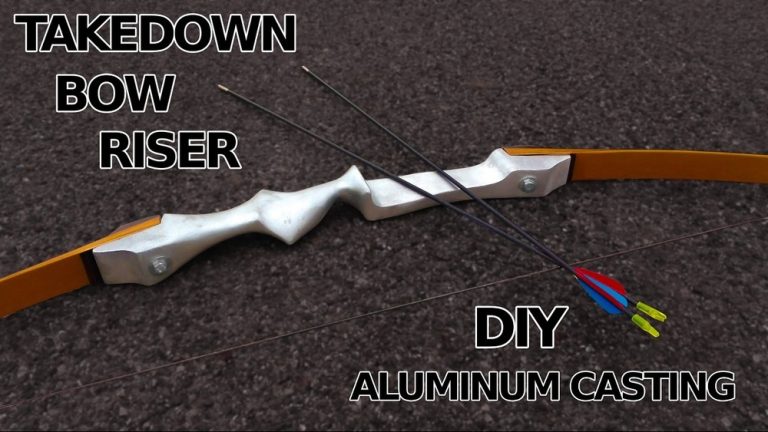
Before learning about care, it’s important to understand the basic parts of a takedown bow. The typical design includes:
- Riser: The central part you hold, usually made from wood, aluminum, or magnesium alloy.
- Limbs: The two flexible arms that attach to the riser, made from wood, fiberglass, or carbon.
- String: Connects both limbs and is often made from synthetic materials.
- Fasteners: Bolts or screws that connect limbs to the riser.
Each material has unique needs. For example, wood risers need protection from moisture, while metal risers can corrode if exposed to sweat or rain over time. Understanding these details will help you choose the right care routine.
Key Differences: Takedown Vs. One-piece Bows
A clear comparison can help you see why takedown bows need specific care:
| Feature | Takedown Bow | One-Piece Bow |
|---|---|---|
| Portability | Very high | Low |
| Maintenance | Easier (individual parts) | Harder (entire bow) |
| Repair | Replaceable limbs/riser | May require full replacement |
| Setup Time | Requires assembly | Ready to use |
This flexibility is a major advantage, but it also means you need to pay attention to how you assemble, store, and clean each part.
Cleaning And Maintenance Basics
Keeping your takedown bow clean is the first step in preventing problems. Dust, sweat, moisture, and dirt can all affect performance and lifespan. Most issues start small but can quickly become serious if ignored.
Cleaning The Riser
For wood risers, use a soft, dry cloth after each session. If there’s sweat or dirt, slightly dampen the cloth, never soak it. For metal risers, wipe down with a dry cloth and, once a month, use a drop of light oil on a cloth to prevent corrosion around screws and bolts.
Avoid harsh chemicals, as these can damage finishes or weaken glues.
Cleaning The Limbs
Limbs are often finished with protective coatings, but dirt can still get into the nocks or mounting points. Use a microfiber cloth to remove dust and fingerprints. If you shoot outdoors, check the limb tips for mud or sand. For stubborn dirt, a little water and mild soap work, but make sure to dry limbs fully before reassembly.
Cleaning The String
A bowstring picks up wax, dirt, and sweat. Every few weeks, use a clean cloth to wipe off old wax and debris. Apply fresh bowstring wax with your fingers and work it into the strands. This keeps the string flexible and prevents fraying.
Inspecting For Damage
Each cleaning session is a good time to inspect:
- Riser: Look for cracks, chips, or loose screws.
- Limbs: Check for splinters, deep scratches, or delamination.
- String: Inspect for broken fibers, fuzziness, or separation at the serving.
Catching these early can save you from accidents or expensive repairs. If you see any damage, do not use the bow until it’s fixed.

Credit: www.ebay.com
Proper Storage Techniques
How you store your takedown bow matters as much as how you clean it. Poor storage can warp limbs, weaken glue, or rust bolts.
Disassemble For Storage
The main advantage of a takedown bow is that you can break it down. Always remove the limbs from the riser if you plan to store the bow for more than a day or two. This relieves tension and prevents warping, especially in wooden limbs.
Climate Control
Store your bow in a cool, dry area. Avoid direct sunlight, damp basements, or hot attics. Extreme heat can soften glue joints and warp limbs, while humidity can cause mold or corrosion.
Storage Containers
Many archers use a padded bow case. Choose one that fits your disassembled bow snugly and includes compartments for limbs, riser, and accessories. Hard cases offer better protection during travel, while soft cases are lighter for daily use.
Hanging Vs. Laying Flat
If you must store your assembled bow for a short time, hang it by the riser or lay it flat on a padded surface. Never lean it upright against a wall, as this puts uneven pressure on the limbs.
Assembly And Disassembly: Doing It Right
Repeated assembly and disassembly are normal with a takedown bow, but rushing or using the wrong tools can cause wear or misalignment.
Attaching The Limbs
- Align the limb bolts carefully: Most risers and limbs are marked for correct orientation.
- Tighten bolts evenly: Use your fingers first, then a tool if necessary, but don’t overtighten.
- Check for gaps: There should be no space between the limb and riser when fully tightened.
Stringing And Unstringing
Always use a bow stringer. This tool helps you string or unstring the bow safely, reducing the risk of twisting the limbs or injuring yourself. Never try to string a bow using just your hands or legs, as this can quickly ruin the limbs.
Example: Avoiding Limb Twist
When I started with takedown bows, I once twisted a limb by trying to string it without a bow stringer. The limb developed a permanent curve and had to be replaced. Using the right tool may seem slow, but it’s much cheaper than buying new limbs.
Packing For Transport
When traveling, always disassemble your bow and place each part in its own padded section of your case. Wrap the string separately to avoid tangling and stretching.
Bowstring Care And Replacement
The bowstring is a critical part, but it’s often neglected. Proper care can extend string life and keep your shots consistent.
Waxing The String
Apply bowstring wax every 2, 3 weeks if you shoot regularly. Rub it in with your fingers until the string feels smooth and slightly sticky. Wax not only protects from moisture but also reduces friction, which prevents fibers from breaking.
Checking For Wear
Look for fuzzy spots, broken strands, or serving separation. If the string feels dry or stiff, it’s time to re-wax. If you see broken fibers, replace the string immediately.
String Replacement Frequency
There’s no fixed rule, but most archers replace their string every 6, 12 months, depending on use. High-frequency shooters may need to replace it more often. If you hear a sharp “twang” or see major fraying, don’t wait, replace it before your next session.
Table: Typical Bowstring Lifespan By Usage
| Usage Level | Expected Lifespan |
|---|---|
| Light (1, 2 times/month) | 12, 18 months |
| Moderate (weekly) | 8, 12 months |
| Heavy (multiple times/week) | 4, 8 months |
Pro Tip: Always keep a spare string in your case. A snapped string can end your shooting day early.
Lubrication And Fastener Care
Most takedown bows rely on a few screws or bolts to hold the limbs to the riser. Over time, these can loosen, corrode, or stick.
Keeping Bolts And Screws Smooth
Apply a drop of silicone-based lubricant to bolts and threads every few months. Avoid petroleum-based oils, as they can attract dust or degrade some finishes. Wipe away any excess to prevent it from spreading to the limbs or riser.
Checking Tightness
Before each shooting session, check all bolts for tightness. Loose bolts can cause vibration, noise, or even limb detachment. Don’t overtighten, as this can strip threads or crack the riser.
Replacing Worn Parts
If you see rust, stripped threads, or damaged screws, replace them with manufacturer-approved parts. Generic hardware can sometimes fit, but it may not have the right strength or finish.
Weather And Environmental Factors
Takedown bows are often used outdoors, so weather plays a big role in care.
Humidity And Rain
If your bow gets wet, dry it off as soon as possible. Pay special attention to the limb pockets and bolts, as trapped water can cause hidden damage. For wooden parts, moisture can lead to swelling or warping.
Heat And Sunlight
Never leave your bow in a hot car or direct sun for long periods. High temperatures can soften adhesives and finishes, leading to permanent distortion.
Cold Weather
Cold can make some materials brittle, especially certain plastics used in limb tips or grips. Let your bow warm up slowly before use if it’s been stored in the cold.
Example: Shooting In Wet Conditions
Once, during a rainy field shoot, I saw a fellow archer’s bowstring slip because the serving had absorbed too much water. After that, I always check my serving and wax before shooting in damp weather, and I recommend others do the same.
Long-term Maintenance Schedule
Developing a regular care routine will keep your takedown bow shooting smoothly for years.
Monthly Tasks
- Deep clean limbs, riser, and string
- Inspect for cracks, splinters, or loose fittings
- Lubricate bolts and screws
Seasonal (every 3, 6 Months)
- Replace string if needed
- Check limb alignment and straightness
- Refresh grip tape or padding on the riser
Annual
- Replace worn accessories (arrow rests, sights, dampeners)
- Inspect bow case for damage or moisture
- Consider professional tuning or inspection
Here’s a sample schedule for easy reference:
| Task | Frequency |
|---|---|
| Wipe down riser and limbs | After each use |
| Wax bowstring | Every 2, 3 weeks |
| Check bolts for tightness | Before each session |
| Deep clean & inspect | Monthly |
| Replace string (if needed) | Every 6, 12 months |
Avoiding Common Mistakes
Many archers, especially beginners, make mistakes that can shorten the life of their takedown bow. Here are some to watch out for:
- Storing the bow strung for long periods: This puts stress on the limbs and string, leading to loss of power and shape.
- Using the wrong tools: Forcing bolts or using the wrong screwdriver can strip threads or damage fittings.
- Neglecting to check alignment: Misaligned limbs affect accuracy and can cause damage.
- Ignoring small cracks or splinters: These can quickly turn into serious breaks.
- Forgetting to wax the string: This leads to dry, frayed, and weak strings.
- Shooting with loose bolts: This is dangerous and can cause limb failure.
- Skipping cleaning after rain or mud: Moisture can hide in limb pockets and cause damage over time.
Pro Tip: If you’re not sure about a repair, take your bow to a professional archery shop. DIY fixes can sometimes make things worse.
Upgrading And Accessorizing
As you gain experience, you may want to add accessories or upgrade parts of your takedown bow. Here are a few common upgrades:
- Sights: Improve accuracy for target shooting.
- Arrow rests: Help with consistency.
- Stabilizers: Reduce vibration.
- Custom grips: Improve comfort and control.
Each new accessory means another part to maintain. Always follow the manufacturer’s care instructions, and check that all additions are securely attached before shooting.
.jpg?w=3000&h=3000&q=80)
Credit: amearchery.com
Frequently Asked Questions
What Should I Do If My Takedown Bow Gets Soaked In Heavy Rain?
First, disassemble the bow as soon as possible. Dry each part with a soft cloth, paying extra attention to the limb pockets, bolts, and string. Let all parts air dry at room temperature, do not use direct heat like a hairdryer, as this can warp wood or damage finishes.
Once dry, inspect for any hidden moisture or signs of swelling before reassembling.

Credit: www.amazon.com
Can I Use Oil-based Cleaners On My Bow?
Avoid oil-based cleaners on wood or synthetic parts, as they can break down finishes or adhesives. Use a damp cloth with mild soap for cleaning, and only apply a drop of silicone lubricant to metal screws or bolts. Always wipe away any excess to prevent attracting dust.
How Do I Know When It’s Time To Replace The Limbs?
Replace limbs if you see deep cracks, splinters, or signs of delamination (layers separating). If your bow starts shooting inconsistently or making unusual noises, inspect the limbs closely. For safety, never use a bow with visibly damaged limbs, consult a professional if unsure.
Is It Okay To Leave My Takedown Bow Assembled During Hunting Season?
For short periods, such as a few days, it’s fine to leave the bow assembled. Make sure it’s stored unstrung in a safe, dry place. For longer