What to Do With a Wet Traditional Bow: Dry and Inspect
A traditional bow, whether it’s a longbow, recurve, or a self bow made from natural materials, is more than just a tool. It’s a connection to history, craftsmanship, and nature itself. For many archers, their bow is a trusted companion during long days in the field or at the range. But what happens when your traditional bow gets wet, soaked by rain, dropped in a stream, or exposed to heavy humidity? Water can threaten the very structure and lifespan of your bow. Knowing exactly what to do (and what not to do) can make the difference between a quick recovery and permanent damage.
In this guide, you’ll learn how to handle a wet traditional bow with confidence. We’ll cover what actually happens to natural materials when they get wet, how to dry and restore your bow, and what steps you can take to prevent water damage in the future.
You’ll find practical tips, real-world examples, and comparisons that matter. Whether you’re a casual archer or a dedicated bowhunter, these insights will help you protect your investment and keep your bow shooting true.
Why Water Is A Problem For Traditional Bows
Traditional bows are usually made from wood, sometimes with horn, sinew, or natural glues. These materials behave differently when exposed to water compared to modern composite or fiberglass bows.
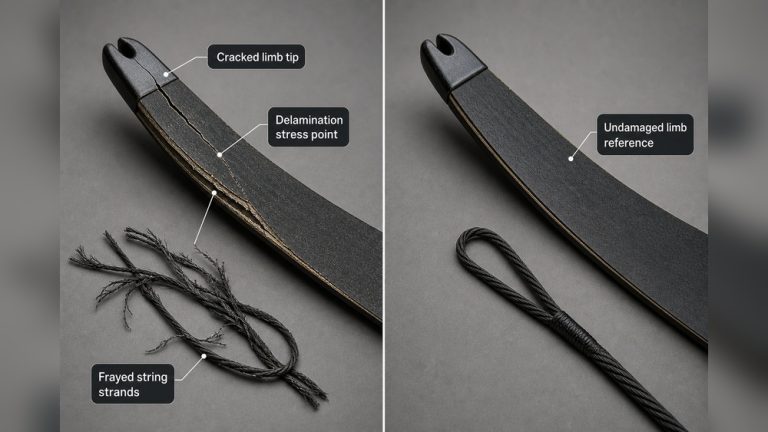
Wood naturally absorbs moisture. When this happens, it expands, loses strength, and can warp. Over time, repeated wetting and drying can cause cracks or delamination, especially if the bow is laminated or backed with another material like rawhide. Sinew and hide glues also weaken with moisture and may separate.
Pro Tip: Most damage is not instant. A bow might look fine when wet, but problems often appear after it dries, warping, raised grain, or glue separation.
Some archers think a little rain is harmless, but even brief exposure can have long-term effects. I’ve seen bows that shot perfectly one day, then developed a twist or loss of power after drying out from a soaking rain.
Immediate Steps: What To Do The Moment Your Bow Gets Wet
The first minutes matter most. If your bow gets wet, act quickly with these steps:
1. Stop Shooting Immediately
Using a wet bow puts extra stress on weakened fibers and glue lines. String tension can make tiny damage worse.
2. Wipe Down The Bow
Use a soft, absorbent cloth to remove surface water. Pay attention to crevices, string nocks, and under the grip.
3. Remove The String
Unstring your bow right away. This reduces stress and allows air to reach all surfaces.
4. Inspect For Obvious Damage
Look for cracks, lifting laminations, or changes in shape. If you see anything unusual, note it for later repair.
5. Get The Bow Out Of The Wet Environment
Move to a dry, well-ventilated area. Avoid packing the bow away wet, cases and sleeves trap moisture.
Water can work its way into tiny cracks and glue joints. The goal is to remove as much water as possible before it does damage.
Drying Your Traditional Bow The Right Way
Drying is not just about speed, it’s about control. Drying too fast or with the wrong method can cause more harm than good. Here’s how to do it right:
Controlled Air Drying
Place the bow in a dry, shaded area with good air flow. Avoid direct sunlight, which can heat the wood unevenly and cause warping or checking (small cracks).
- Ideal temperature: 65, 75°F (18, 24°C)
- Relative humidity: 40, 60%
Open a window or use a fan to keep air moving, but don’t blast the bow with hot, dry air.
Avoid Artificial Heat
Never use a hair dryer, heat gun, or set the bow near a heater or fireplace. High temperatures can cause sudden shrinkage, cracking, or glue failure.
Check Regularly
Inspect your bow every few hours during the first day. Feel for raised grain (a rough, fuzzy surface), warping, or sticky glue joints. If you notice a musty smell, mold may be growing, move the bow to an even drier area.
Drying Timeline
- Light surface wetting: 12, 24 hours
- Soaking or full immersion: 2, 5 days
Heavily soaked bows may take several days to dry fully. Patience is essential.
What Happens To Different Bow Materials When Wet?
Traditional bows come in many types, and each reacts to water in its own way. Here’s how the most common materials handle moisture:
| Material | Response to Water | Special Concerns |
|---|---|---|
| Self Bow (single wood type) | Absorbs water, swells, can warp or check | Needs slow drying; may raise grain |
| Laminated Wood Bow | Wood layers may separate if glue is affected | Check for delamination |
| Horn/Sinew Composite | Sinew and hide glue lose strength; horn can delaminate | Very sensitive to humidity changes |
| Bamboo Backed Bow | Bamboo resists water but glue lines are vulnerable | Watch for lifting along the backing |
Pro Tip: If you’re unsure what your bow is made of, most traditional bows will react like self bows, treat them with maximum care.
Restoring A Wet Bow: Cleaning, Oiling, And Maintenance
Once your bow is completely dry, it’s time to restore and protect it. This step often decides whether the bow returns to full strength or develops long-term problems.
Cleaning The Surface
After drying, the surface may feel rough or look dull. Use fine steel wool (0000 grade) or a soft cloth to smooth any raised grain. Always rub along the grain, not across it.
If there’s dirt or mud, use a barely damp cloth, then dry immediately.
Re-oiling Or Waxing
Water can strip natural oils and finishes from a bow’s surface. To restore:
- Linseed oil (boiled or raw) is a classic choice for wooden bows.
- Tung oil or Danish oil also works well.
- For bows with a wax finish, apply a quality bow wax or beeswax.
Rub oil or wax in with a soft cloth. Let it soak in, then buff off excess. This helps restore water resistance and prevents future swelling.
Warning: Do not oil sinew or glue lines directly, this can weaken the bond.
Checking Glue And Laminations
Look for any visible gaps, lifting, or cloudy spots where glue may have failed. If you find a problem, consult a professional bowyer for repair. Attempting to reglue or clamp a bow without experience can make things worse.
Preserving The Bow String
Natural fiber strings (like linen or hemp) can rot if left damp. Dry the string separately and apply string wax before restringing.
When Should You Shoot Again?
Never rush this step. Shooting a bow that’s still damp or weakened can cause sudden failure. Here’s how to decide:
- Wait until the bow feels dry to the touch everywhere, even under the grip.
- Flex the limbs gently by hand before restringing. Listen for creaks or cracks.
- If you notice any change in shape or feel, have a bowyer inspect it first.
Example: After a heavy rain at an archery meet, I waited three days before using my yew longbow again. The patience paid off, the bow returned to normal with no loss in cast or accuracy.
Preventing Water Damage: Best Practices For The Future
The best way to protect your traditional bow from water is prevention. Simple habits can keep your bow in top shape, even in damp climates.
Use A Bow Sock Or Waterproof Case
Always carry a bow sock (cloth sleeve) or waterproof case when outdoors. These provide a first layer of defense against sudden showers or high humidity.
Regular Maintenance
- Reapply oil or wax every few months, especially before wet seasons.
- Store your bow in a cool, dry place, never in a car trunk, basement, or damp shed.
Monitor Humidity
Use a small hygrometer in your storage area. Traditional bows are happiest at 40, 60% humidity. Too much or too little can cause warping or cracking.
Choose The Right Bow For The Conditions
If you know you’ll be shooting in rain or near water, consider using a modern composite bow for those days. Save your traditional bow for dry conditions.
Avoid Common Mistakes
- Never leave your bow strung in damp conditions.
- Don’t try to “speed-dry” with heat.
- Don’t ignore minor warping or glue lines, small problems can become big ones if left untreated.
When To Seek Professional Help
Some issues are best handled by a qualified bowyer or archery shop:
- Severe warping or twisting after drying
- Visible cracks or splits in the limbs
- Loose or separated laminations
- Persistent buzzing or loss of power
A professional can assess structural integrity and perform repairs with the right tools and adhesives. Trying to fix major issues at home can make them worse.
Comparing Traditional Vs. Modern Bows In Wet Conditions
It’s helpful to see how traditional bows stack up against modern options when it comes to water exposure.
| Feature | Traditional Bow | Modern Composite Bow |
|---|---|---|
| Water Resistance | Low to moderate (depends on finish) | High (fiberglass, carbon, resins) |
| Damage Risk When Wet | High (warping, glue failure) | Low (usually unaffected) |
| Maintenance Required | Frequent oiling, careful drying | Minimal, wipe down if dirty |
| Repair Complexity | Often needs a specialist | Most issues are cosmetic |
While traditional bows offer beauty and a unique shooting experience, they require more care in wet environments compared to modern alternatives.
Long-term Bow Care: Tips For Every Archer
Caring for a traditional bow is a year-round task. Here’s how to keep your bow healthy, rain or shine:
- Inspect Regularly: Look for small cracks, raised grain, or changes in shape.
- Keep It Clean: Wipe off dirt, mud, and moisture after every use.
- Store Horizontally: Laying a bow flat reduces stress compared to hanging vertically.
- Rotate Use: If you own multiple bows, rotate them during wet seasons.
- Educate Yourself: Read manufacturer’s guidelines or talk to a local bowyer for your specific bow type.
Pro Tip: If you travel with your bow, pack a spare string and a small bottle of oil or wax. Being prepared can prevent permanent damage if you get caught in unexpected rain.
The Science Behind Wood And Moisture
Understanding why wood reacts to water helps you care for your bow. Wood contains cellulose fibers and lignin, which attract and hold water molecules. When wood absorbs water, it swells. When it dries, it shrinks. This constant movement can cause:
- Raised grain: Fibers lifting from the surface
- Warping: Bending or twisting of the limbs
- Checking: Small cracks, especially if drying is uneven
Most modern glues hold up better than traditional hide glues, but all can fail if exposed to repeated wetting and drying.
Real-world Stories: What Can Go Wrong (and Right)
Some archers believe their bows are tougher than they really are. In my experience, even a high-quality longbow can suffer permanent loss of cast or accuracy if not dried and maintained properly. I once saw a friend’s recurve bow develop a half-inch twist overnight after being left in a wet tent.
He tried to shoot it anyway, by the next week, the limb was ruined.
On the other hand, I’ve also seen bows survive river dunkings with no issues, simply because the owner acted fast: unstrung, wiped down, and air dried with patience.
Essential Do’s And Don’ts For A Wet Bow
- Do: Unstring and dry your bow slowly in shade.
- Do: Inspect for changes and re-oil after drying.
- Do: Store in a dry, well-ventilated area.
- Don’t: Use artificial heat or direct sun to speed up drying.
- Don’t: Ignore small cracks or warping.
- Don’t: Shoot a bow that feels weakened or different.
Frequently Asked Questions
What If My Bow Gets Wet And I Can’t Dry It Right Away?
If you’re camping or still outdoors, unstring the bow, wipe off as much water as possible, and store it in a cloth bag or hang it in a sheltered place. Avoid sealing it in plastic, which traps moisture. Dry it completely as soon as you have access to a dry, ventilated space.
How Can I Tell If My Bow Is Permanently Damaged After Getting Wet?
Signs of permanent damage include a change in limb shape (twist or bend), visible cracks, separations between laminations, or a sudden loss of power when shooting. If you notice any of these, stop using the bow and consult a professional.
Sometimes, minor surface changes can be repaired, but structural damage usually requires expert help.

Credit: www.gameandfishmag.com
Is It Safe To Use Modern Finishes Or Sealants On A Traditional Bow?
Some modern finishes like polyurethane provide strong water resistance but can change the feel and flex of a traditional bow. Many archers prefer natural oils and waxes for their flexibility and historical accuracy. If you decide to use a modern sealant, test it on a small area first and check with your bow maker for compatibility.
Can I Use A Dehumidifier To Help Dry My Bow?
A dehumidifier in a closed room can help create the right drying environment, especially in humid climates. However, don’t set the humidity too low or add direct heat, as this can cause the wood to dry too quickly and crack.
Aim for gentle, gradual drying.
Where Can I Learn More About Traditional Bow Care And Restoration?
Archery forums, clubs, and local bowyers are great sources of knowledge. Detailed guides can also be found on reputable sites such as the Similar Posts