How Does the Old Mossberg Peep Sights Work: Must-Have Guide
Understanding how does the old Mossberg Peep Sights work is essential for firearm enthusiasts, hunters, and anyone interested in classic shooting technology. While modern optics dominate today’s shooting world, traditional sights like the Mossberg peep sight still offer reliable accuracy and usability, especially on shotguns and rifles. This guide will walk you through the mechanics, benefits, and practical use of these iconic iron sights, helping you appreciate their enduring value.
What Are Mossberg Peep Sights?
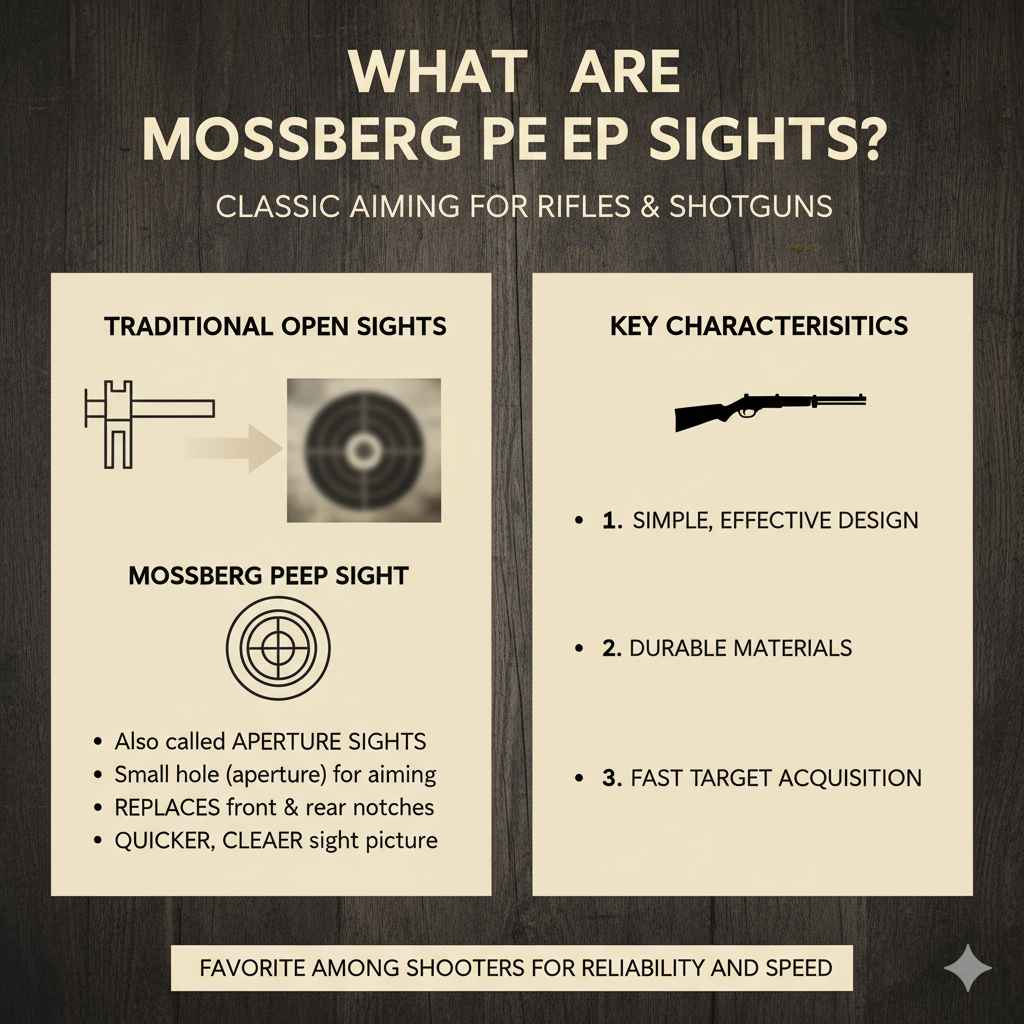
Before diving into how does the old Mossberg Peep Sights work, it helps to understand what they are. Peep sights, also called aperture sights, consist of a small hole (aperture) through which the shooter looks to align the front sight post with the target. The Mossberg peep sight is a particular style adapted for many Mossberg shotguns and rifles, renowned for its simple yet effective design.
Unlike traditional open sights, which have two separate points (front post and rear notch), peep sights use a circular rear aperture that “frames” the front sight and target, giving a clearer and quicker sight picture. Mossberg peep sights have historically been made with durable materials and engineered for quick target acquisition, making them a favorite among shooters before scopes became commonplace.
How Does the Old Mossberg Peep Sights Work?
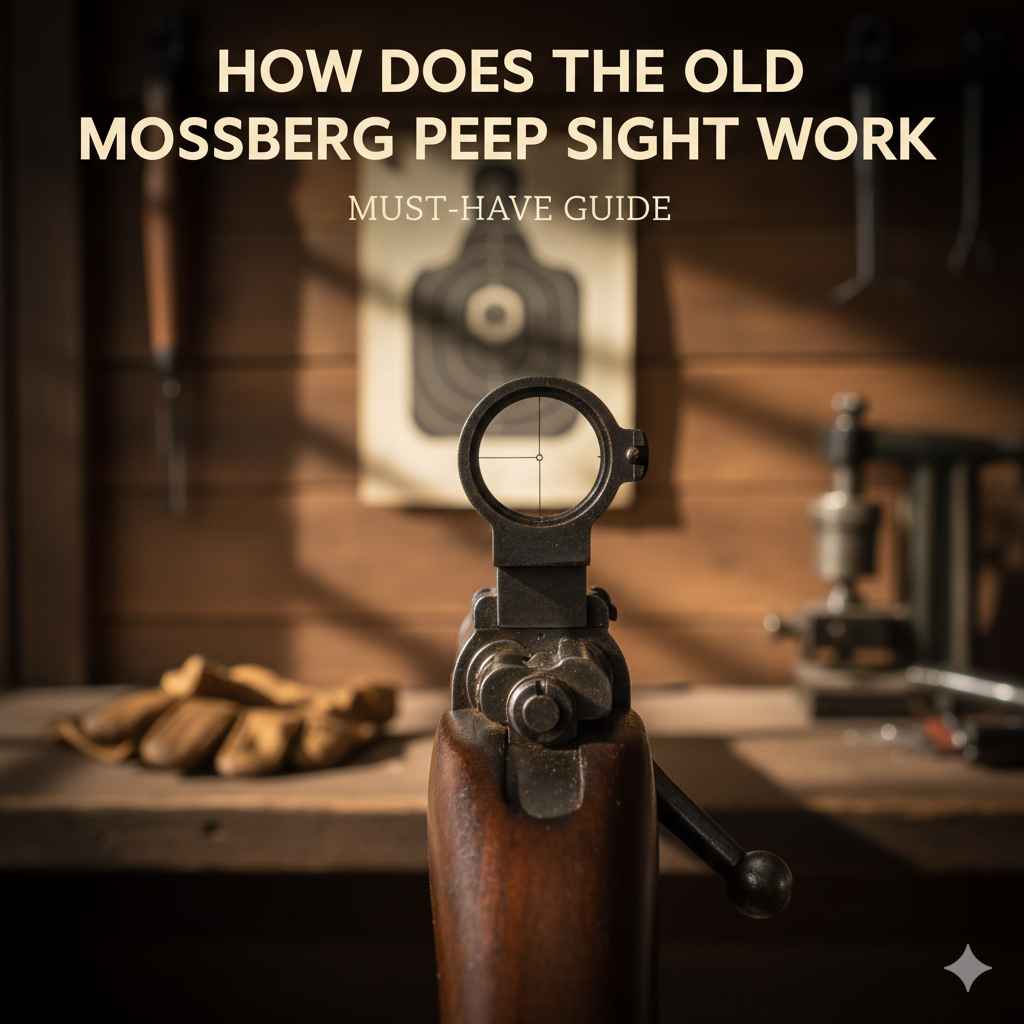
The key to understanding how does the old Mossberg Peep Sights work lies in their unique sight alignment system. The rear aperture acts as a fixed frame placed close to the shooter’s eye, while the front sight, typically a bead or post, sits at the barrel’s muzzle end.
Step-By-Step Sight Picture Formation
1. Eye Positioning: When you look through the rear aperture, your eye is naturally centered due to the small size of the hole. This reduces parallax error because your eye aligns with the bore axis.
2. Aligning the Front Sight: Inside the aperture, you focus on lining up the front sight bead or post with your intended target. Because of the precise alignment needed, your eye is forced to center perfectly, increasing accuracy.
3. Target Focus: After aligning the front sight, you shift your focus to the target. Your brain merges the three focal points — the rear aperture, front sight, and target — into a clear sight picture.
Why This Method Works
The peep sight’s design leverages the human eye’s natural focusing and alignment abilities, making it easier to acquire a tight sight picture quickly. The circular rear hole helps minimize the effect of slight head or eye movement because your eye is guided to the center of the aperture, promoting consistent sight alignment.
Unlike open sights, where you must align three points horizontally, peep sights reduce them to two — the front sight inside the aperture and the target beyond. This simplified alignment reduces error and increases shooting speed, particularly under dynamic conditions.
Advantages of the Old Mossberg Peep Sights
Many shooters cherish Mossberg peep sights for the following reasons:
– Durability: The metal construction and simple mechanism resist wear and damage better than some modern optics.
– Speed: Peep sights allow for rapid target acquisition once you have practiced the alignment technique.
– Lightweight: They add minimal weight to the firearm compared to scopes or red dot sights.
– Reliability: Since they don’t rely on batteries or electronics, they function flawlessly in any weather.
– Precision: Better sight picture leads to enhanced accuracy at moderate distances, especially for shotguns using slugs or rifles with iron sights.
Tips on Using Old Mossberg Peep Sights Effectively
To maximize your shooting experience, consider the following practice tips:
– Consistent Cheek Weld: Maintain a solid and repeatable cheek placement to ensure your eye lines up with the aperture perfectly every time.
– Focus Flexibility: Practice shifting your focus from the aperture and front sight to the target smoothly. This builds muscle memory.
– Adjust for Lighting: In low light, the aperture can be harder to see through; consider a rear aperture insert or a front sight bead that’s easier to visualize.
– Practice at Different Distances: Target shooting at various ranges helps you understand how to compensate for bullet drop and barrel alignment.
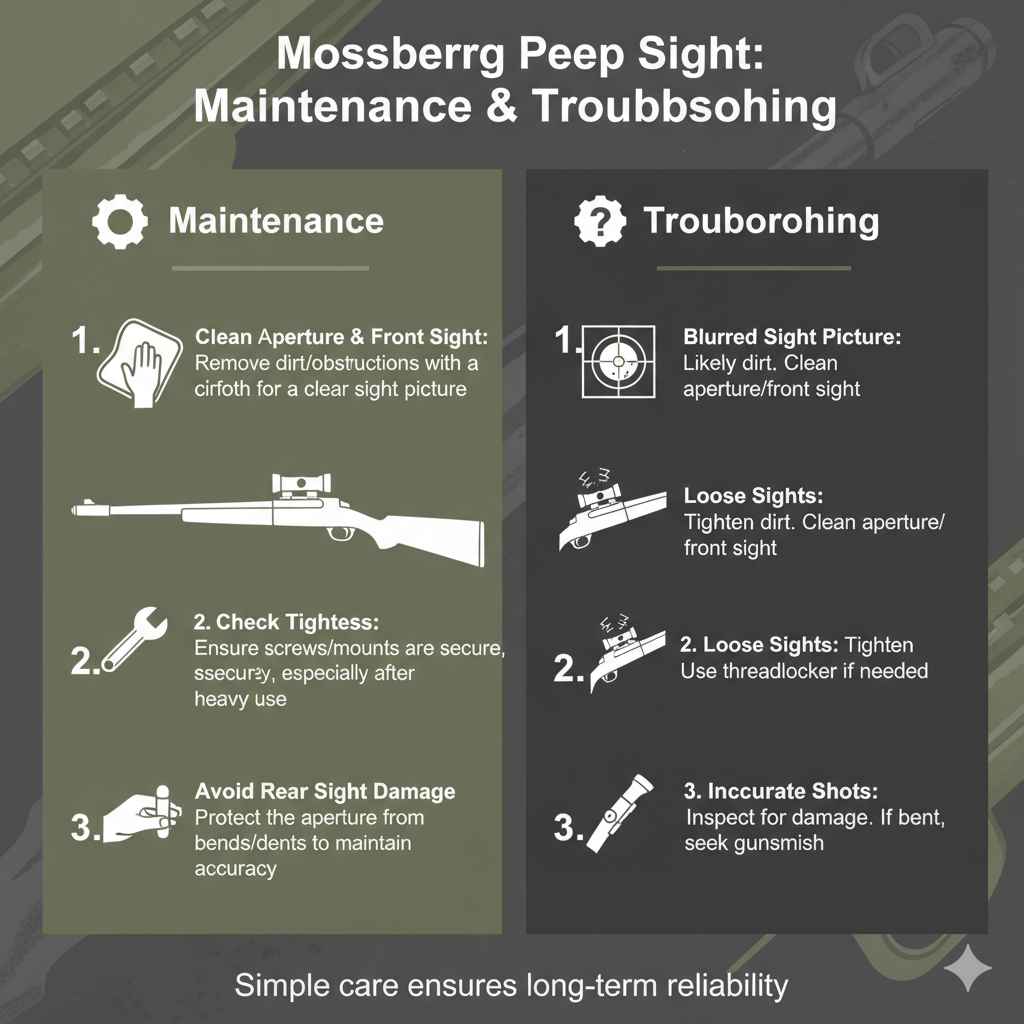
Maintenance and Troubleshooting
Though Mossberg peep sights are simple, keeping them in good shape ensures long-term reliability:
– Clean Aperture and Front Sight: Dirt or obstructions affect the sight picture. Clean regularly with a microfiber cloth.
– Check Tightness: Ensure sight screws or mounts remain tight after heavy use or recoil.
– Avoid Rear Sight Damage: The aperture is crucial; avoid bending or denting it to maintain accuracy.
Conclusion
So, how does the old Mossberg Peep Sights work? It all comes down to the clever use of a rear aperture and front sight alignment to create an intuitive and accurate method of aiming. This classic sighting system continues to offer shooters a rugged, efficient alternative to modern optics and remains a piece of firearm history worth understanding and appreciating. Whether you’re a seasoned hunter, a competitive shooter, or a collector, mastering the use of Mossberg peep sights can add a rewarding dimension to your shooting skills.