How Long Do Carbon Arrows Last Before Replacing Them
Carbon arrows can last for many years with proper care and responsible shooting, typically remaining effective for thousands of shots. However, their lifespan depends heavily on usage intensity, maintenance, and how they are handled to prevent damage like cracks or splinters.
Welcome to the world of archery! As you get more comfortable with your bow and start enjoying those satisfying thuds in the target, you might begin wondering about your equipment, especially your arrows. A common question for beginners is, “How long do carbon arrows really last?” It’s a great question because arrows represent a significant investment, and you want to make sure they serve you well. The good news is that carbon arrows are quite durable, but like anything, they have a lifespan. Understanding what influences this lifespan and how to best care for your arrows will save you money and keep you safely on the range. Let’s break down everything you need to know to get the most out of your carbon arrows!
Understanding Carbon Arrows and Their Lifespan
Carbon arrows are a popular choice for archers of all levels, from beginners to seasoned hunters. They are known for their strength, straightness, and lightweight design, which translates to speed and accuracy. But what exactly does “lasting” mean for an arrow? It means remaining straight, free from structural damage, and consistently performing shot after shot. Unlike wooden arrows, which can warp or break easily, carbon arrows offer more resilience.
However, they aren’t indestructible. Their lifespan is a fascinating interplay between material science, how you use them, and how you maintain them. Think of it like your car: with regular maintenance and careful driving, it will last much longer than if you abuse it and skip the oil changes.
Factors Affecting Carbon Arrow Lifespan
Several key factors determine how long your carbon arrows will serve you faithfully. Understanding these will help you treat them with the respect they deserve and extend their usability.
1. Quality of the Arrow
Not all carbon arrows are created equal. Higher-quality arrows are manufactured with stricter tolerances and use better carbon materials. This often translates to greater durability and resistance to damage. While they might be more expensive upfront, they can be a better long-term investment because they are less likely to fail prematurely. Think about it like buying a cheap tool versus a professional-grade one; the better tool will withstand more use and abuse.
2. Shooting Consistency and Technique
This is a big one, especially for beginners. Poor shooting form or inconsistent draw length can put undue stress on your arrows and bow. For instance, dry-firing (shooting a bow without an arrow) is incredibly damaging to the bow and can instantly splinter or destroy an arrow if one is nocked. Even more subtle issues, like consistently gripping the bow too tightly or fumbling with your release, can contribute to arrow fatigue over time.
3. Impact and Mishandling
Arrows are designed to hit targets, but they can also hit things they shouldn’t. Hitting hard objects like rocks, trees, or even other arrows can cause micro-fractures or deeper damage. Stepping on them, dropping them from a height, or even storing them improperly can also compromise their structural integrity. Each strong impact can introduce tiny cracks that, while not immediately visible, can worsen over time and lead to catastrophic failure.
4. Storage and Environmental Conditions
Proper storage is crucial. Extreme temperatures (both hot and cold) and prolonged exposure to moisture can potentially degrade the materials over time. While carbon itself is quite robust, the glues and components (like nocks and fletchings) can be affected. Storing arrows loosely or in a way that allows them to bend or flex for extended periods can also lead to warping.
5. Maintenance and Inspection
Regularly inspecting your arrows for any signs of damage is probably the single most important practice for ensuring their longevity and, more importantly, your safety. Catching a small crack early can prevent a dangerous situation down the line. We’ll cover how to do this in detail later.
What Constitutes an “End of Life” for a Carbon Arrow?
An arrow has reached the end of its useful life when its structural integrity is compromised. This most commonly manifests as:
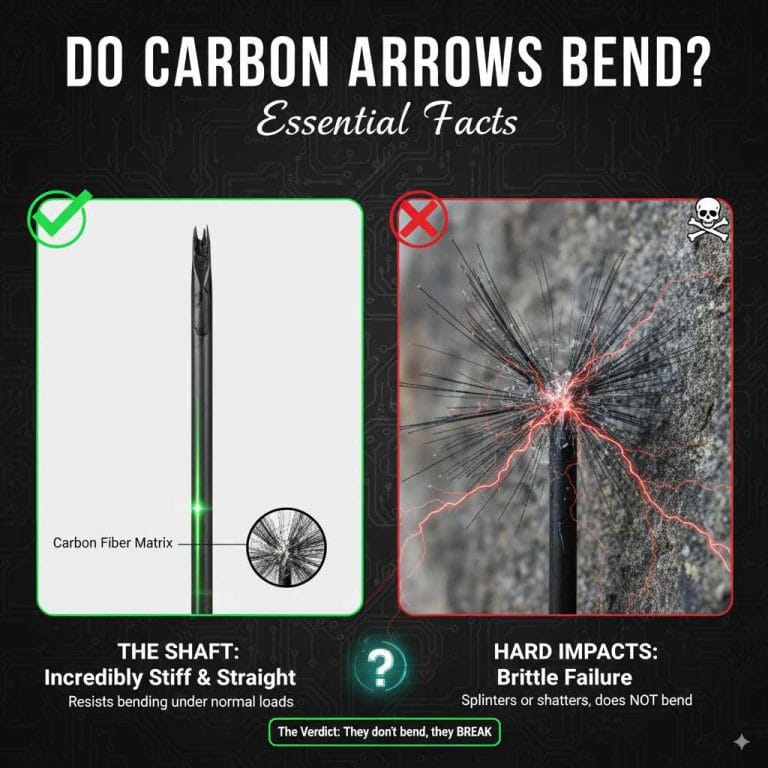
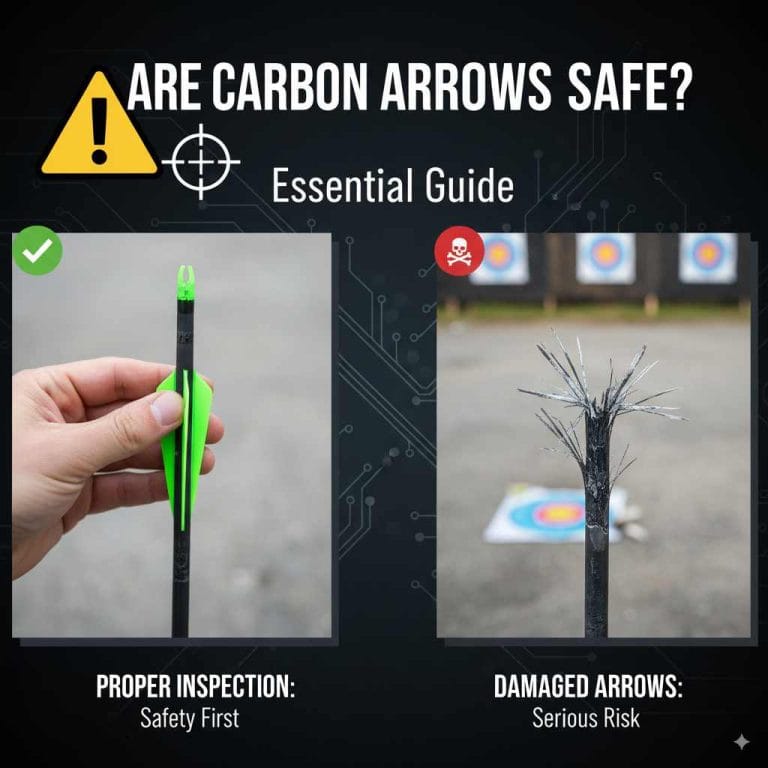
- Cracks or Splinters: This is the most dangerous form of damage. A cracked carbon arrow can shatter upon impact or even during the shot, sending dangerous fragments flying.
- Bends or Warps: If an arrow is no longer perfectly straight, its flight path will be erratic, severely impacting accuracy.
- Loose Components: While often fixable, consistently loose nocks, fletchings, or points can indicate underlying damage or simply signify that the arrow has seen extensive use and wear.

How to Inspect Your Carbon Arrows for Damage
This is where the rubber meets the road for ensuring arrow longevity and, most importantly, safety. Think of this like a quick pre-flight check for your arrows. It doesn’t take long but can save you a lot of trouble (and potential injury).
Step-by-Step Inspection Process
Follow these steps for each arrow you plan to shoot, and periodically throughout a shooting session:
- Visual Inspection: Hold an arrow under good light. Slowly rotate it, looking for any visible cracks, splintering, or unusual marks along the shaft. Pay special attention to areas near the nock and the front of the shaft where the point is inserted. Sometimes, damage can be hairline and hard to see, so good lighting is key.
- Flex Test (Gentle!): With the arrow held firmly, gently try to flex the shaft by pressing your thumbs into the sides. Listen for any crunching or cracking sounds. Do NOT over-flex the arrow; you’re looking for subtle signs, not trying to break it. A healthy carbon arrow will feel stiff and resist bending much. If you hear or feel any abnormality, it’s a sign for concern.
- Roll Test: Place the arrow on a flat, hard surface (like a table or a smooth floor). Gently roll it. Look for any wobbles or unevenness that might indicate it’s bent or warped. An arrow should roll smoothly in a straight line.
- Nock Check: Ensure the nock (the part that attaches to your bowstring) is securely in place. Try to wiggle it. It should be snug. If it feels loose or has visible cracks, it needs attention. Many nocks are replaceable, which can extend the life of an arrow shaft.
- Fletching and Point Check: Make sure your vanes or feathers are securely attached and not torn or bent. Check that your arrow point (field point, broadhead, etc.) is tightly screwed in or firmly seated. Loose components can affect arrow flight and might be a symptom of deeper issues.
When in Doubt, Throw it Out!
This is the golden rule of arrow safety. If you find any sign of damage – a crack, a splinter, a significant bend, or if the arrow makes any suspicious sounds during the flex test – do not shoot that arrow. It’s not worth the risk of it failing mid-flight and potentially causing injury to yourself or others, or damaging your bow. An arrow is relatively inexpensive compared to a hospital visit or a new bow.
Tips for Extending the Life of Your Carbon Arrows
Beyond regular inspection, there are proactive steps you can take to ensure your carbon arrows last as long as possible.
1. Proper Arrow Storage
Think of your arrows like delicate instruments. When you’re not shooting, they should be stored properly.
- Arrow Case: The best way to store and transport your arrows is in a dedicated arrow case. These cases protect them from impacts, bending, and environmental damage. They hold arrows securely in place.
- Avoid Extremes: Don’t leave your arrows in a hot car trunk for days, in direct sunlight, or out in the rain. While carbon is tough, extreme conditions aren’t ideal for any material over the long term.
- Vertical Storage: If storing them upright in a quiver or a container, ensure they are not crammed in too tightly, which can cause them to bend.
2. Practice Good Shooting Habits
Your shooting technique directly impacts arrow wear and tear.
- Aim for the Target: Try to avoid shooting at anything that isn’t your intended target. Hitting the ground, rocks, trees, or your arrow holder can cause damage.
- Avoid “Robin Hoods”: While a rite of passage for some archers, shooting an arrow dead-center into another arrow already in the target (a “Robin Hood”) will almost certainly ruin at least one, if not both, arrows. Try to spread your shots out.
- Proper Draw and Release: Ensure you are drawing your bow smoothly and releasing the string cleanly with a consistent anchor point each time. This puts less stress on your equipment.
- Never Dry Fire: This cannot be stressed enough. A dry fire (shooting the bow without an arrow) is incredibly dangerous and can severely damage your bow and instantly destroy any arrow nocked.
3. Protect Your Arrows from Accidental Damage
Little things can make a big difference:
- Be Mindful of Where You Step: Don’t leave arrows lying around on the ground where they can be stepped on.
- Handling: Treat your arrows with care. Avoid tossing them or letting them fall.
- Transport: When transporting arrows, always use a case or secure them so they don’t bounce around.
4. Maintain and Replace Components
Sometimes, the shaft is fine, but the components are worn.
- Replace Nocks: If a nock is cracked or broken, replace it immediately. This is an easy repair that can save the shaft. Websites like Easton Archery (a leading arrow manufacturer) provide resources on arrow maintenance and component replacement.
- Check Inserts: Periodically check that your arrow points or broadheads are screwed in tightly. If you use glued-in points, ensure the insert is still secure.
- Inspect Inserts and Outserts: Some arrows use inserts (inside the shaft) or outserts (outside the shaft) for the point. Check these for any signs of damage or looseness.
How Long Do Carbon Arrows Last: A Summary Table
To give you a quick overview of how long you can expect your carbon arrows to last under different scenarios, consider this table:
| Usage Scenario | Estimated Lifespan (Shots) | Factors to Consider |
|---|---|---|
| Casual Recreational Shooting (Indoor/Outdoor Range) | 2,000 – 5,000+ shots | Good storage, careful handling, regular inspection. Hitting softer targets is key. |
| Serious Target Archery (Frequent Practice) | 1,000 – 3,000 shots | High-impact target faces, potential for arrow-on-arrow impacts, consistent use. |
| Hunting (Occasional use, potential for field impacts) | Variable (potentially many years, but dependent on field conditions and successful hunts) | Arrows are often used for fewer shots but may endure harsher conditions (weather, ground contact, animal contact). A single successful hunt might mean losing an arrow. Damaged arrows should be retired immediately. |
| Beginner Archery (Learning curve, potential for more mishandling) | Less predictable (could be 500 – 2,000 shots or less if mishandled) | Higher chance of hitting misaligned targets, ground, or other objects during the learning process. Focus on inspection and careful handling. |
Note: These are general estimates. An arrow that is cracked or structurally compromised is no longer considered “lasting” and should be retired regardless of shot count.
Common Beginner Mistakes Affecting Arrow Life
As a coach, I see a few common habits that beginners fall into that can shorten the life of their arrows. Recognizing these is the first step to correcting them!
1. Over-Reliance on Visual Inspection Alone
Just looking for cracks isn’t always enough. The flex test and listening for sounds are critical for finding micro-fractures that aren’t easily visible. Carbon can fail internally.
2. Not Inspecting After Every Incident
Did your arrow hit a rock? Did it bounce off the target butt? Did you hear an unusual sound during the shot? Even if it looks fine, do a thorough inspection before shooting it again. A slight deviation can be all it takes for an arrow to become unsafe.
3. Storing Arrows Improperly
Leaving arrows loose in the bottom of a gym bag or leaning them against a wall indefinitely can cause subtle warping that affects flight. An arrow case is a worthwhile investment.
4. Shooting into Less-Than-Ideal Backstops
If you’re practicing in your backyard, what’s behind your target? Soil can contain rocks. A poorly chosen backstop can quickly damage arrows. For backyard shooting, commercial archery targets made from foam or dense material are far better for arrow longevity. For more on archery safety and equipment considerations, the Archery Trade Association consumer resources page offers excellent, reliable information.
5. Ignoring the Nock
A damaged nock can cause your arrow to fall off the string during the shot or not release properly, leading to erratic flight and potentially further damage to the arrow or bow. Nocks are designed to be replaced and are much cheaper than a new arrow.
Can Carbon Arrows Be Repaired?
This is a frequently asked question. The short answer is: the arrow shaft itself, if cracked or splintered, should not be repaired for shooting. The structural integrity is compromised, and trying to fix it would be unsafe. However, some components can indeed be repaired or replaced:
- Nocks: As mentioned, nocks are designed to be replaceable. If your nock is damaged, you can usually buy a replacement of the same type and size and install it. Many archers carry spare nocks and the tools to replace them.
- Fletchings: If vanes or feathers become bent, torn, or lose their adhesion, they can often be re-glued or replaced using specialized fletching glues or jigs. This is a common maintenance task for archers.
- Arrow Points: If you’re using screw-in field points or broadheads, they just need to be checked for tightness. If they get damaged, they can be replaced. For glued-in points, if the insert itself comes loose, that’s a more involved repair that might be possible with specific epoxies, but it’s less common than nock or fletching issues.
Anything more serious than that, especially damage to the carbon shaft itself, means the arrow should be retired from service as a projectile. It might find a new life as a practice target spine for archery games or perhaps as a decorative item, but it should not traverse your bowstring again.
The Economics of Arrow Lifespan
Understanding how long carbon arrows last isn’t just about safety and curiosity; it’s also about managing your budget. High-quality carbon arrows can range from $7 to $20+ each, meaning a dozen can set you back $80 to $250 or more. If you’re constantly replacing arrows due to damage, it adds up quickly.
Investing a little time in proper care, inspection, and technique can significantly extend the life of your arrows, saving you money in the long run. It also means you’re shooting with equipment you trust, contributing to better performance and a more enjoyable archery experience. Think of the cost of a few replacement arrows versus the potential cost of injury or buying a whole new set more frequently. It’s usually far more economical to protect what you have.
Investing in Quality vs. Quantity
Often, a beginner might be tempted to buy the cheapest arrows they can find. While this can be tempting for a tight budget, it’s frequently a false economy. Cheaper arrows may be manufactured with less rigorous quality control, making them more susceptible to damage. A slightly more expensive, higher-quality arrow might withstand more abuse and last longer, ultimately costing less over time. Consider researching reputable brands known for durability, such as Easton, Gold Tip, or Victory Archery. Looking at reviews from experienced archers can also guide your purchase.

FAQ: Your Carbon Arrow Questions Answered
Q1: Can carbon arrows break easily?
Carbon arrows are quite strong and durable for their weight. They are less prone to breaking than wood or aluminum arrows under normal shooting conditions. However, they can be damaged by severe impacts (like hitting rocks or trees), over-flexing, or manufacturing defects. Damage that compromises their structural integrity can lead to catastrophic failure.
Q2: How can I tell if a carbon arrow is still safe to shoot?
Always perform a visual inspection for cracks or splinters, and a gentle flex test to listen for any cracking sounds. Roll the arrow on a flat surface to check for bends. If you find any damage or hear suspicious noises, do not shoot the arrow. When in doubt, retire it.