What is an Archery Tfaa Tournament? Rules, Format & Tips
Archery is more than just hitting a target, it’s about skill, focus, and community. In Texas, archers have their own tradition, known as TFAA tournaments. The Texas Field Archery Association (TFAA) runs these events, bringing together people of all ages and skill levels. But what exactly is an archery TFAA tournament? How does it work, and why is it special compared to other archery competitions? If you’re curious about the world of Texas archery, or you want to join your first TFAA tournament, this guide will walk you through everything you need to know. From the tournament’s format to rules, classes, and tips for beginners, you’ll discover what makes a TFAA event unique and how you can become part of it.
What Is A Tfaa Tournament?
A TFAA tournament is a competitive archery event organized by the Texas Field Archery Association. Unlike casual shooting or backyard practice, TFAA tournaments follow strict rules and standards. They are designed to test an archer’s skill in both field archery and target archery settings.
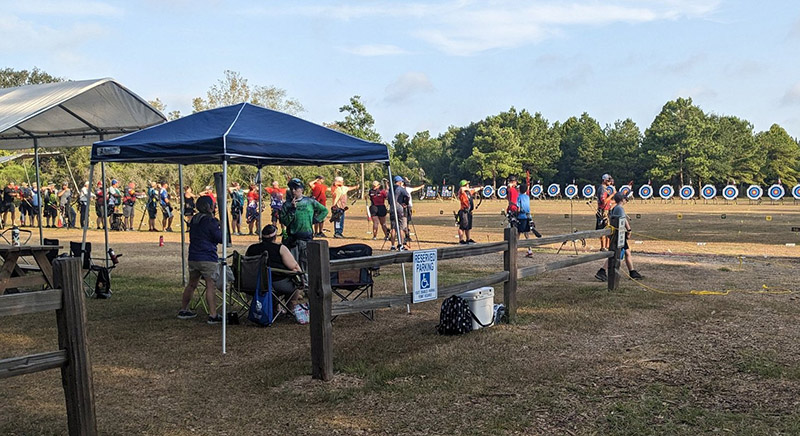
TFAA tournaments are held throughout Texas, often at archery clubs or outdoor ranges. Participants compete in various divisions based on their age, equipment, and experience level. These tournaments are not just about winning; they are about learning, improving, and connecting with other archers.
The TFAA is a member organization of the National Field Archery Association (NFAA), which means their tournaments follow NFAA rules. This includes specific target types, scoring systems, and safety protocols. By competing in a TFAA event, archers get a chance to qualify for state or national championships and earn recognition among the Texas archery community.
Tournament Structure And Format
The structure of a TFAA tournament is carefully planned. Understanding the format helps you prepare and know what to expect.
Types Of Rounds
TFAA tournaments typically feature several types of rounds:
- Field Round: Archers shoot at targets placed at different distances, often in a wooded or outdoor setting. The targets are usually black and white with scoring rings.
- Hunter Round: Similar to the field round, but with targets that mimic hunting scenarios. Distances may be shorter, and targets are often all black with a white scoring spot.
- Animal Round: Archers shoot at paper targets shaped like animals, simulating real-life hunting situations. Scoring is based on where the arrow lands on the animal’s vital areas.
Each round tests different skills: distance estimation, accuracy, and adaptability. Most TFAA tournaments combine these rounds in a single event, or they may focus on one type.
Scoring System
The scoring system in TFAA tournaments is strict and standardized. Here’s a typical breakdown for a field round:
| Ring Color | Score | Description |
|---|---|---|
| Center (White) | 5 | Highest point, bullseye |
| Inner Ring (Black) | 4 | Second highest |
| Outer Ring (Black) | 3 | Third highest |
The hunter and animal rounds have their own scoring, but the principle is similar: closer to the center equals more points.
Tournament Flow
A typical TFAA tournament follows this flow:
- Registration: Archers sign up for the event, often online or at the venue.
- Equipment Check: Officials inspect bows, arrows, and other gear for compliance.
- Safety Briefing: Rules and safety are reviewed before shooting starts.
- Shooting Begins: Archers move through a course, shooting at designated targets.
- Scoring: After each round, scores are recorded on official cards.
- Results Announcement: Winners are announced, and awards are given.
Some tournaments last one day, while others span a weekend. The number of targets and rounds can vary, but most events feature between 28 and 60 targets.
Classes And Divisions
TFAA tournaments are designed to welcome everyone, from beginners to experts. Archers are divided into classes and divisions to ensure fair competition.
Age Categories
Age is a major factor in division placement:
- Youth: Typically under 18 years old. Further split into cubs (up to 12), youth (13, 17), and young adult (18, 20).
- Adult: 21 and older.
- Senior: Often 55 years and above.
Equipment Classes
The type of bow and gear used determines your equipment class. Common classes include:
- Freestyle: Any legal bow, sight, and stabilizer. Most advanced equipment allowed.
- Barebow: No sights, stabilizers, or release aids. Focuses on traditional shooting.
- Bowhunter: Compound bows with short stabilizers and fixed pins. Designed for hunting-style shooting.
- Traditional: Longbows and recurves, no sights.
| Class | Allowed Equipment | Typical Use |
|---|---|---|
| Freestyle | Compound, sights, stabilizers | Competitive, high accuracy |
| Barebow | Recurve, no sights | Traditional, skill-focused |
| Bowhunter | Compound, fixed pins | Hunting simulation |
| Traditional | Longbow, recurve, no sights | Historic, instinctive shooting |
Gender Divisions
TFAA tournaments usually separate archers by gender, creating male and female divisions within each age and equipment class. This helps ensure fair competition.
Skill Levels
Some tournaments add skill levels, like novice, intermediate, and advanced. This allows new archers to compete without facing professionals right away.
Rules And Regulations
Every TFAA tournament follows strict rules to ensure safety and fairness. These rules are based on NFAA guidelines, with some unique Texas touches.
Safety Rules
Safety is always the top priority. Key rules include:
- No shooting until the range is clear.
- Bows must be pointed downrange at all times.
- All arrows must be accounted for before leaving each target.
- Spectators must stay behind designated lines.
Violating safety rules can lead to disqualification. Officials are present to monitor and enforce these rules.
Equipment Regulations
TFAA checks every piece of equipment for compliance. Here are some main requirements:
- Arrow length must match the bow and the shooter.
- Bow poundage (draw weight) must not exceed set limits.
- Stabilizer length is limited in some classes.
- Release aids are only allowed in certain classes.
Example: In the bowhunter class, stabilizers cannot be longer than 12 inches. In freestyle, longer stabilizers are permitted.
Scoring Rules
Scoring is done carefully. Only arrows that clearly touch a scoring ring get the higher points. If there’s a dispute, a judge makes the final call.
Pro Tip: Always check your scorecard before turning it in. Mistakes can’t be corrected once scores are finalized.
Credit: texasfieldarchery.org
How To Prepare For A Tfaa Tournament
If you’re new to TFAA tournaments, preparation is key. Even seasoned archers follow a routine to get ready.
Gear Preparation
Check your gear well before the event:
- Inspect bowstrings for wear.
- Make sure arrows are straight and undamaged.
- Pack extra nocks, fletching, and tools.
- Bring a quiver, armguard, and finger tab or release aid.
Don’t forget hydration and snacks. Many ranges are outdoors, and Texas weather can be unpredictable.
Practice
Practice is essential. Focus on:
- Shooting at varying distances.
- Practicing in different weather conditions.
- Trying both field and animal targets.
- Recording your scores to track improvement.
In my experience, practicing in the same conditions as the tournament makes a big difference. If the event is outdoors, train outside, even if it’s windy or hot.
Mental Preparation
Archery is as much mental as physical. Prepare by:
- Visualizing your shots.
- Staying calm under pressure.
- Setting realistic goals (like improving your score, not just winning).
Many archers use breathing exercises to stay focused.
Registration And Planning
Register early, spots fill fast. Read all tournament details, including start times and directions. Plan your travel, and arrive at least 30 minutes before shooting starts.
What To Expect On Tournament Day
On tournament day, expect excitement and nerves. Here’s what usually happens:
Arrival And Check-in
Arrive early. Check in at the registration table. Officials may inspect your gear and give you a scorecard.
Safety Briefing
All shooters attend a safety briefing. Listen carefully, even if you’ve been to tournaments before. Rules can change.
Shooting Order And Groups
Archers are often grouped by class and division. Sometimes, you’ll shoot with friends; other times, you’ll meet new people. Shooting groups rotate through the course together.
Shooting The Course
Each group follows a set path. At each target, you get a fixed number of arrows (usually 3 or 4). After everyone shoots, scores are recorded.
Example: If you’re shooting a field round, you might start at target 1 and finish at target 28.
Scoring And Awards
At the end, scores are tallied. The top archers in each division win medals, ribbons, or trophies. Scores are posted, and some events recognize personal bests or first-time shooters.
Unique Features Of Tfaa Tournaments
TFAA tournaments have unique elements that set them apart from other archery events.
Texas Community
The sense of community is strong. Archers greet each other by name and share tips. Clubs often host cookouts or social events after the tournament.
Outdoor Courses
Texas has varied landscapes. Many TFAA tournaments are held in wooded areas, open fields, or ranches. This makes each event feel different.
Family-friendly Atmosphere
TFAA tournaments welcome families. Kids can compete, watch, or help score. It’s common to see parents and children shooting together.
Tradition And History
TFAA has been active for decades. Many members have stories going back generations. This tradition adds depth and meaning to each tournament.
Benefits Of Joining A Tfaa Tournament
Participating in a TFAA tournament offers many benefits, both for beginners and experienced archers.
Skill Improvement
You’ll improve your archery skills quickly. Shooting in competition teaches focus, consistency, and discipline.
Networking
Meet other archers, coaches, and club leaders. Many friendships start at tournaments. You can get advice, share gear, or join practice groups.
Recognition
Winning or placing in a TFAA tournament earns you respect. Your name may appear in club newsletters or on the TFAA website.
Path To State And National Events
TFAA tournaments can qualify you for state championships. Top performers may even advance to national events under NFAA rules.
Personal Growth
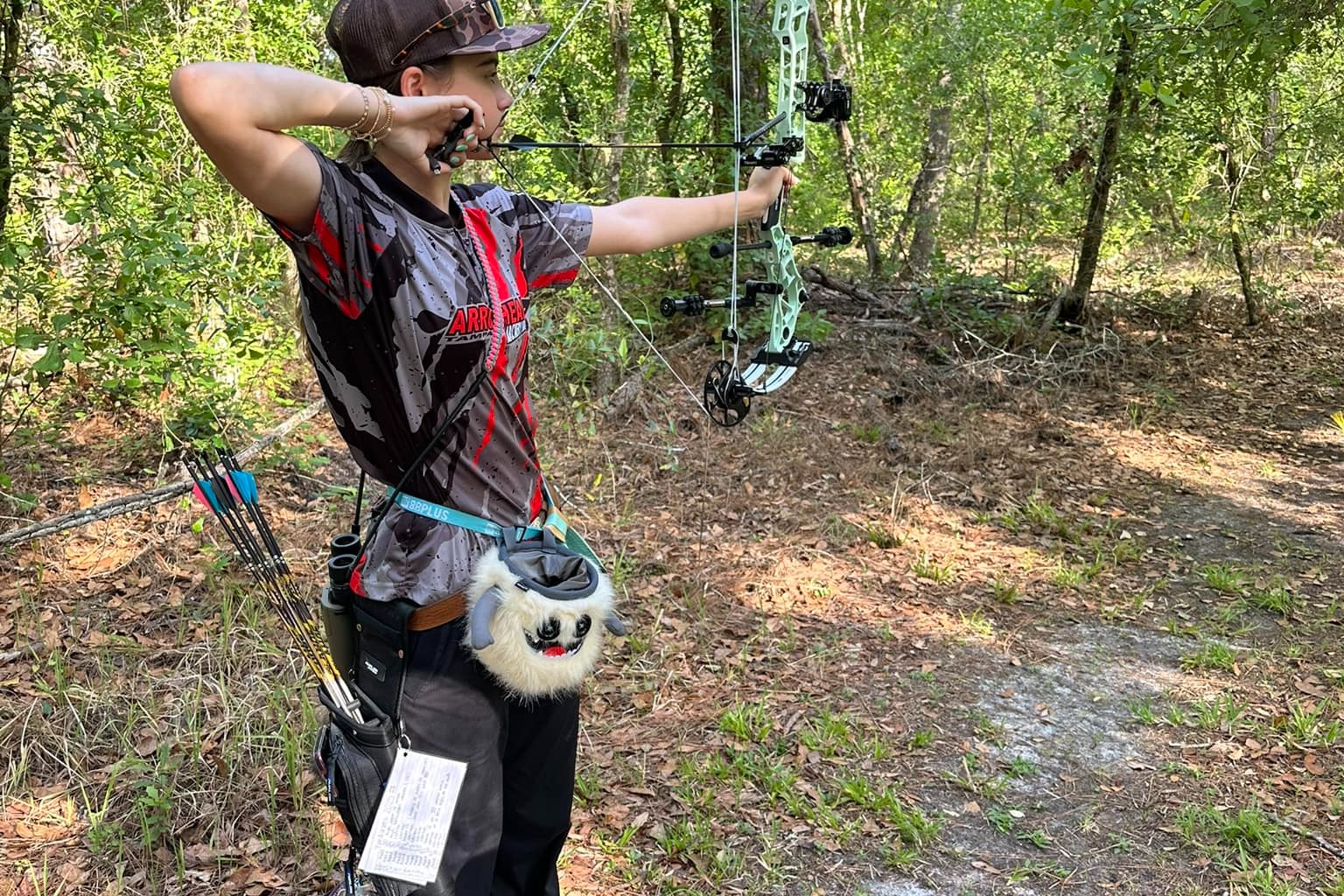
Overcoming nerves, learning new skills, and achieving goals boost confidence. Many archers say tournaments helped them become more patient and focused in other areas of life.
Credit: nfaausa.com
Common Mistakes And How To Avoid Them
Even experienced archers make mistakes. Knowing these can help you perform better.
Overlooking Equipment Checks
Some archers forget to check their gear. One loose screw can ruin your day. Always inspect your bow and arrows before the tournament.
Ignoring The Rules
Not reading the rulebook leads to penalties. Each class has specific requirements. Make sure your equipment matches your division.
Skipping Warm-up
Jumping straight into shooting without warming up increases the risk of injury and poor performance. Always stretch and shoot a few practice arrows.
Poor Time Management
Arriving late or rushing between targets adds stress. Plan ahead and keep track of time during the event.
Not Reviewing Scores
Mistakes on scorecards are common. Double-check every entry before handing it in. If you notice an error, ask an official.
Pro Tip: Keep a backup record of your scores. If there’s a dispute, you’ll have proof.
How Tfaa Differs From Other Archery Tournaments
TFAA tournaments have several differences compared to other archery competitions.
| Feature | TFAA Tournament | Other Archery Tournaments |
|---|---|---|
| Location | Texas, outdoor courses | National, international, indoor |
| Rules | NFAA-based, Texas-specific | World Archery, ASA, USA Archery |
| Target Types | Field, hunter, animal | Mostly standard target faces |
| Community | Family-friendly, local clubs | Large, often anonymous |
| Divisions | Age, gender, equipment | May combine more classes |
TFAA events focus on tradition, community, and outdoor skills. Other tournaments may be larger or more formal but often lack the close-knit feel of TFAA gatherings.

Credit: nfaausa.com
How To Find And Join A Tfaa Tournament
Finding a TFAA tournament is straightforward, but joining requires a few steps.
Finding Events
Visit the TFAA website or local archery club pages. Most clubs list upcoming tournaments and registration details. You can also ask other archers or coaches.
Example: The Texas Field Archery Association posts its schedule at Texas Field Archery Association.
Registration
Most tournaments require online or in-person registration. You’ll fill out a form, select your division, and pay an entry fee (usually $20, $40). Some events offer discounts for youth or families.
Membership
You don’t have to be a TFAA member to compete, but members get benefits like discounts, newsletters, and eligibility for state championships. Annual membership is affordable and supports local clubs.
Getting Ready
Once you’re registered, follow the steps above to prepare your gear and skills. Some clubs offer practice sessions