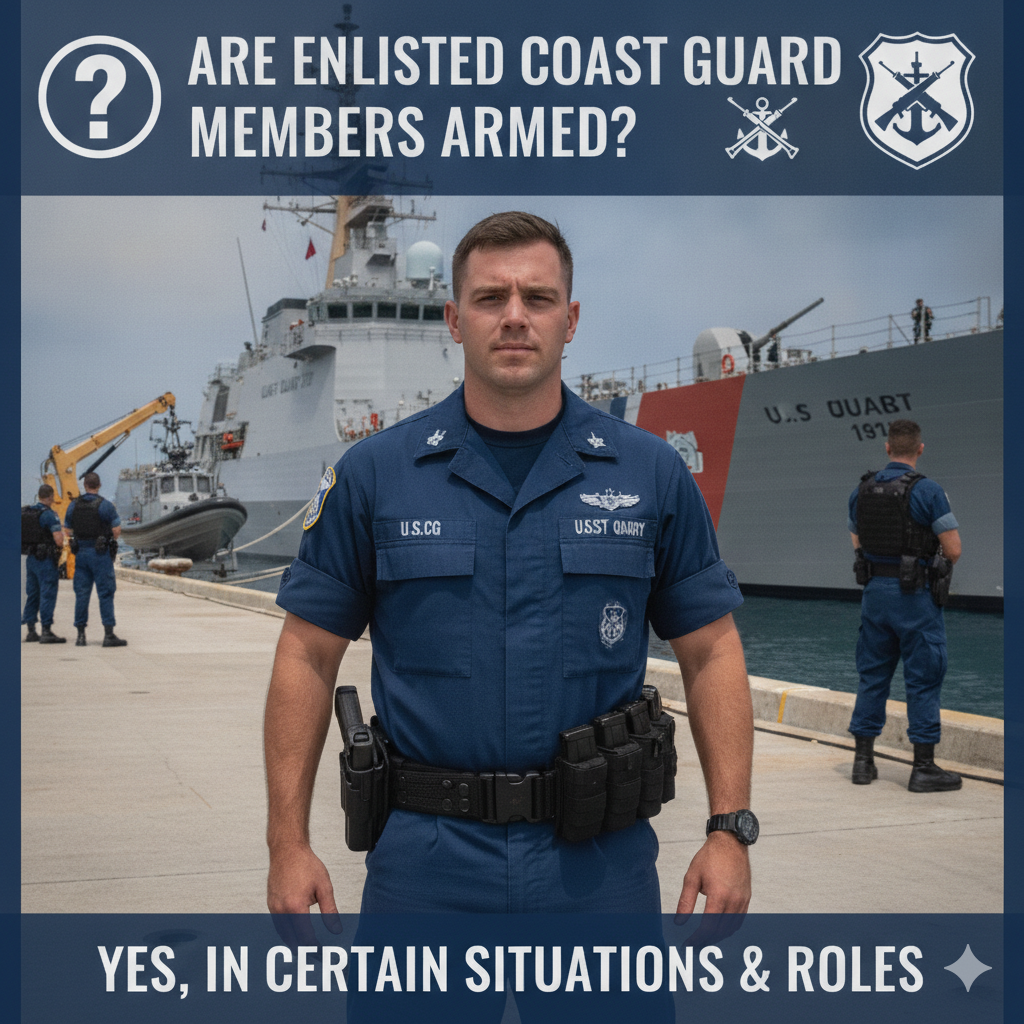
Are Enlisted Coast Guard Members Armed?
The majority of enlisted U.S. Coast Guard members are trained and authorized to carry firearms. They are armed when performing duties that require law enforcement, security, or when operating in high-risk environments. This readiness is crucial for their mission of safeguarding our nation’s waterways and maritime interests.
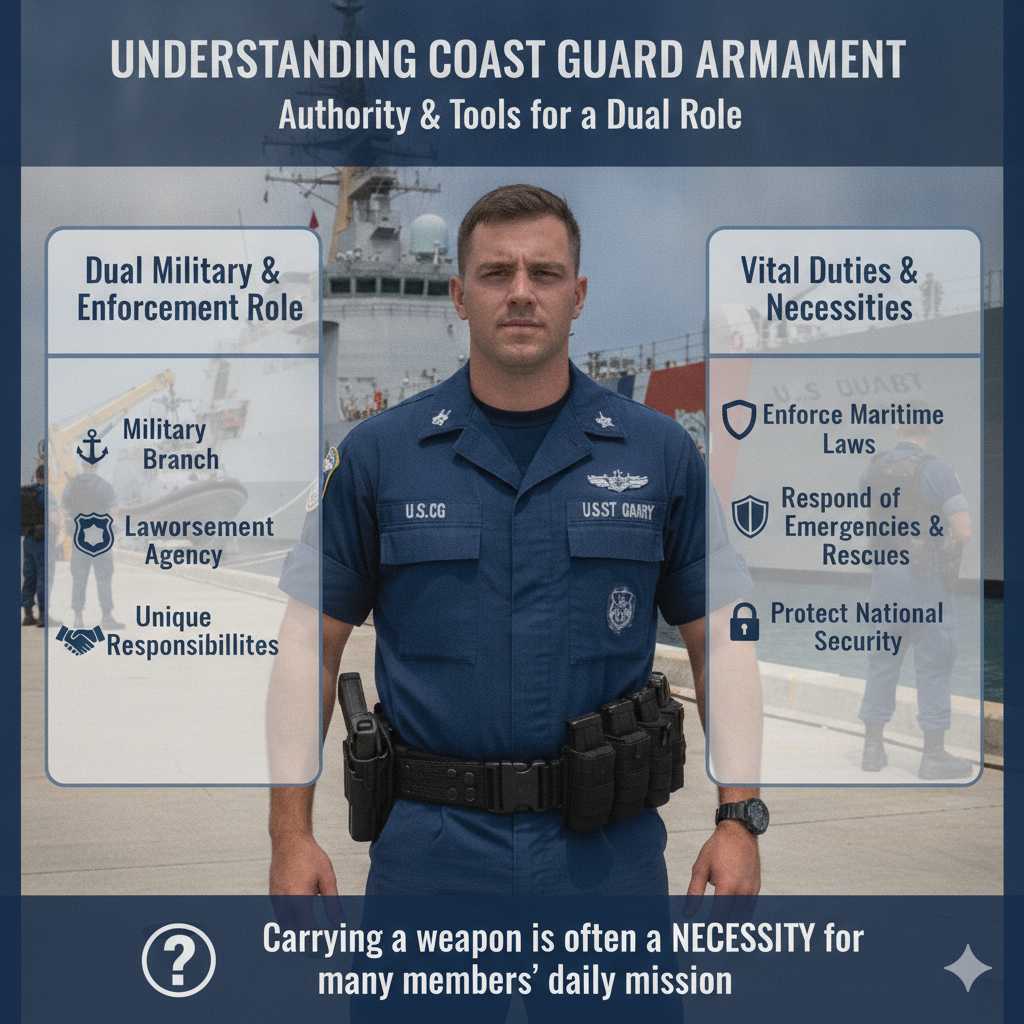
Understanding Coast Guard Armament
When we talk about being armed, it means having the authority and the tools to use a firearm. For the Coast Guard, this isn’t just for show. It’s a vital part of their jobs.
The U.S. Coast Guard is unique. It’s both a military branch and a law enforcement agency.
This dual role means its members have responsibilities that other military services might not share. They enforce laws on the water, much like police officers on land. They also respond to emergencies, conduct rescues, and protect national security.
Because of these duties, carrying a weapon is often a necessity. It’s not every single member, all the time. But for many, it’s part of their daily uniform and mission.
Why Enlisted Members Carry Firearms
There are several key reasons why enlisted Coast Guard members are often armed. These reasons are tied directly to their mission and the environments they work in.
One big reason is law enforcement. Coast Guard members are federal law enforcement officers. They have the authority to board vessels, conduct searches, and make arrests.
These actions can sometimes involve dealing with individuals who may be resistant or dangerous. A firearm is a tool for self-defense and for enforcing the law safely.
Another reason is security. The Coast Guard plays a huge role in port security and maritime security. This means protecting critical infrastructure, preventing illegal activities like drug or human smuggling, and responding to threats.
In these situations, being armed is essential for deterring and responding to potential dangers.
Then there’s the factor of dangerous environments. Coast Guard operations can take them into areas where criminal activity is high. They might be interdicting drug traffickers or responding to piracy threats.
In these high-risk scenarios, firearms are a critical part of their personal safety and mission success.
Personal Experience: A Moment of Readiness
I remember one particular deployment on a cutter. We were on a multi-day patrol in international waters, far from shore. Our mission was to assist in maritime law enforcement operations, which sometimes meant dealing with suspected smugglers.
The tension on board was palpable, not out of fear, but out of a serious focus on the mission.
One evening, the call came over the loudspeaker. We had a potential target vessel in sight. Suddenly, the atmosphere shifted.
While not everyone was actively manning a post that required a weapon, you could see the readiness. Shipmates who were part of the law enforcement boarding team quickly and efficiently prepared their gear. I saw the glint of metal as a pistol was secured in its holster.
There was a quiet professionalism to it all. It wasn’t about aggression; it was about preparedness. It was about ensuring that if the situation demanded it, they had the means to protect themselves and complete their duty.
That image of quiet readiness has always stuck with me.
Coast Guard Roles Requiring Arms
Law Enforcement Boards: Conducting routine or targeted vessel boardings to check for compliance with laws and regulations.
Maritime Security Patrols: Operating in areas known for smuggling, piracy, or other illicit maritime activities.
Port Security Operations: Guarding naval bases, critical infrastructure, and sensitive areas within ports.
Search and Rescue in Dangerous Areas: While rescue is the priority, the environment may necessitate carrying a firearm.
Detention and Escort Operations: Securing individuals who have been apprehended.
Who Carries What?
It’s not just one type of firearm that enlisted members might carry. The specific weapon often depends on their role and the mission.
The most common sidearm you’ll see is a 9mm pistol, like the SIG Sauer P320 which is the current standard issue. This is for close-quarters situations and for personnel who need a readily accessible defensive tool.
Some specialized units or individuals on specific missions might be authorized to carry rifles or shotguns. These are typically for situations where more firepower or range is needed, such as boarding larger vessels or providing security for high-value assets.
Not every enlisted member is constantly carrying a weapon. For example, a cook on a large cutter might not carry a firearm while in the galley. But if that same cook is part of a boarding team or assigned to a security watch, they would be armed.
Training and Qualification
Carrying a firearm isn’t something the Coast Guard takes lightly. Every member authorized to carry a weapon undergoes rigorous training and must qualify regularly.
This training covers more than just marksmanship. It includes rules of engagement, use-of-force policies, de-escalation techniques, and legal aspects of carrying and using a firearm. They learn when and how to use their weapon appropriately and legally.
To maintain their qualification, members must pass regular shooting tests. These aren’t just once; they happen multiple times a year. This ensures that their skills stay sharp and that they are proficient in handling their weapon under pressure.
The Coast Guard emphasizes that firearms are a tool of last resort. The primary goal is always to resolve situations peacefully and safely. But when that’s not possible, the training ensures they are prepared.
Armament Policies: Key Points
- Standard Issue Sidearm: Most armed enlisted members carry a 9mm pistol.
- Role-Dependent: Rifles or shotguns may be issued for specific missions or units.
- Not Universal: Not all enlisted members are authorized to carry firearms at all times.
- Continuous Training: Regular practice and qualification are mandatory for all armed personnel.
- Use of Force: Strict policies govern when and how firearms can be used.
Situations Where Firearms Are Essential
Let’s look at some real-world scenarios where an enlisted Coast Guard member’s firearm is crucial.
Imagine a Coast Guard boarding team approaching a suspected drug-smuggling vessel. The people on that vessel might be armed themselves, and desperate. The boarding team needs to maintain control of the situation and protect themselves.
Their firearms are essential for this.
Another common situation is responding to illegal fishing vessels in U.S. waters. These vessels may not comply with orders to stop.
The Coast Guard needs to enforce these regulations to protect fisheries. A firearm provides the necessary authority and capability to ensure compliance.
Search and rescue missions can also present challenges. While the main goal is saving lives, Coast Guard members might have to operate in areas where dangerous individuals are present. For example, if a rescue involves a vessel that has been involved in criminal activity, the responding crew needs to be prepared for any situation.
Protecting critical infrastructure, like oil rigs or naval facilities, is another area. Coast Guard personnel may be assigned to patrol these areas. Their presence, and the fact they are armed, acts as a deterrent to potential saboteurs or terrorists.
When Arms Are Most Likely Used
Scenario: Drug Interdiction
Context: Coast Guard cutters patrol to stop illegal drug shipments. Suspect vessels may resist or be armed.
Role of Arms: Law enforcement members use firearms for self-defense and to gain compliance during boarding operations.
Scenario: Maritime Security Patrol
Context: Protecting U.S. ports and waterways from threats like terrorism or piracy.
Role of Arms: Deterrence and defense against unauthorized approaches or attacks on maritime facilities.
Scenario: Fisheries Enforcement
Context: Ensuring compliance with fishing regulations to protect marine resources.
Role of Arms: Providing the necessary authority to stop and board vessels that may be violating laws.
Are There Exceptions?
Yes, there are definitely exceptions. Not every enlisted member of the Coast Guard carries a firearm at all times, or even regularly.
Many roles within the Coast Guard are not inherently law enforcement or security focused. For instance, administrative personnel, certain medical staff, or individuals working in specialized technical roles might not be issued firearms. Their daily duties simply do not require it.
Even for those who are authorized to carry, there are times they might not. If a member is on leave, or performing duties in a strictly non-law enforcement capacity (like attending a formal ceremony where firearms are inappropriate), they would not be armed.
The decision to arm a particular member or team is based on a careful assessment of the mission, the environment, and potential risks. It’s a tactical decision made by leadership.
Armament vs. Non-Armament Roles
| Likely to be Armed | Less Likely to be Armed |
|---|---|
| Boarding Team Members | Culinary Specialists (non-boarding duty) |
| Maritime Security Responders | Administrative Personnel |
| Helicopter Aircrew (for boarding support) | IT Specialists (non-security roles) |
| Port Security Units | Medical Personnel (non-enforcement duty) |
The Role of Uniform and Appearance
You might not always see a firearm on every enlisted member. This can sometimes lead to confusion.
When a Coast Guard member is on duty and authorized to carry a firearm, it’s typically part of their uniform. It might be worn openly in a holster, or concealed depending on the specific operation and policy.
The visible presence of firearms on uniformed personnel can serve as a deterrent. It signals that the Coast Guard is prepared to enforce laws and maintain security. However, the decision to carry openly or concealed is strategic and depends on the context of the mission.
It’s important to remember that the uniform itself signifies authority. Even without a visible weapon, an enlisted member has specific duties and powers granted to them.
When to Be Concerned and When Not To
It’s natural to wonder about the presence of firearms. Let’s break down when it’s part of standard procedure and when it might indicate something else.
If you see an enlisted Coast Guard member performing law enforcement duties, such as boarding a vessel or patrolling a sensitive area, and they are armed, this is normal. It’s part of their job to be prepared for potential risks.
If you are on a Coast Guard vessel and notice members of the boarding team are armed, this is standard practice for their mission. They are trained professionals carrying out their duties safely.
When should you be concerned? If you witness any Coast Guard member acting outside of their professional duties, behaving aggressively, or using their firearm inappropriately. This would be a serious concern and should be reported.
However, in the vast majority of cases, the armament of enlisted Coast Guard members is a sign of their commitment to protecting U.S. interests and ensuring safety on the water. It’s a tool they use responsibly.
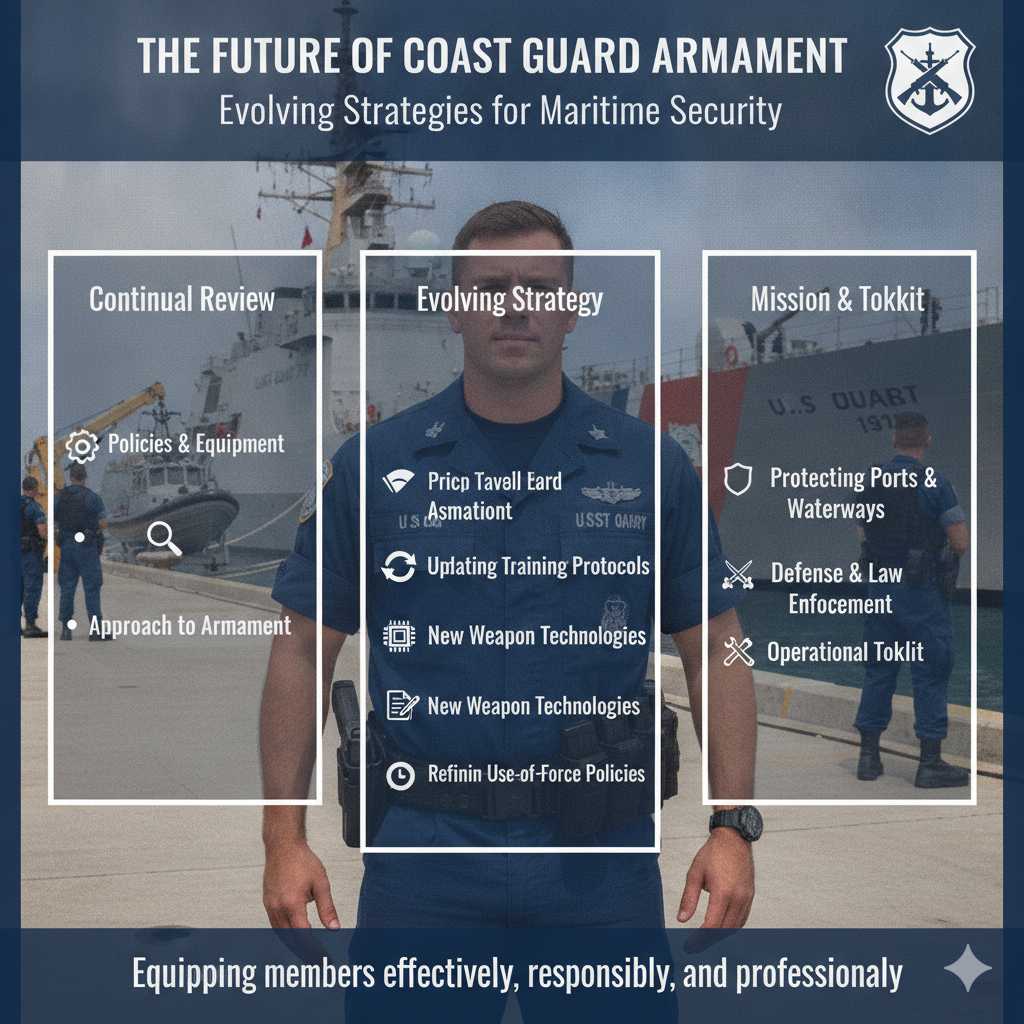
The Future of Coast Guard Armament
The U.S. Coast Guard continually reviews its policies and equipment. This includes their approach to armament.
As threats to maritime security evolve, so too does the Coast Guard’s strategy. This might involve updating training protocols, adopting new weapon technologies, or refining use-of-force policies. The goal is always to equip their members effectively while upholding the highest standards of responsibility and professionalism.
The Coast Guard’s mission remains constant: to protect our nation’s ports and waterways. Being able to defend themselves and enforce the law is a critical component of fulfilling that mission. You can expect that armament will continue to be a necessary part of their operational toolkit.
Frequent Questions About Coast Guard Firearms
Are all U.S. Coast Guard members armed?
No, not all enlisted Coast Guard members are armed at all times. Only those performing law enforcement, security, or high-risk duties are typically authorized and trained to carry firearms.
What type of firearm does a Coast Guard member usually carry?
The standard sidearm for most armed enlisted Coast Guard members is a 9mm pistol, such as the SIG Sauer P320. Some specialized roles may use rifles or shotguns.
Do Coast Guard members receive training on how to use firearms?
Yes, extensive training is mandatory. This includes marksmanship, rules of engagement, use-of-force policies, and de-escalation techniques. They must also qualify regularly.
When would a Coast Guard member use their firearm?
Firearms are used as a last resort to protect themselves or others, enforce the law when necessary, or respond to threats in high-risk maritime environments.
Is it safe to approach a Coast Guard vessel if members are armed?
Yes. Coast Guard members are highly trained professionals. The presence of firearms indicates they are prepared to perform their duties, which include ensuring safety and security.
Does the Coast Guard have a specific policy on carrying firearms?
Yes, the Coast Guard has strict policies and procedures governing the authorization, training, carrying, and use of firearms by its members.
Final Thoughts
So, to wrap it up, the answer is yes, many enlisted members of the U.S. Coast Guard are armed. This is a critical part of their mission to enforce laws, ensure security, and protect lives on our nation’s waterways.
It’s a responsibility they take very seriously, backed by thorough training and strict protocols.