Are French Prison Guards Armed In France?
We’re going to dive deep into this topic. We’ll explore the policies, the reasons behind them, and what tools French guards actually use to keep themselves and others safe. Understanding this helps paint a clearer picture of how France manages its prisons.
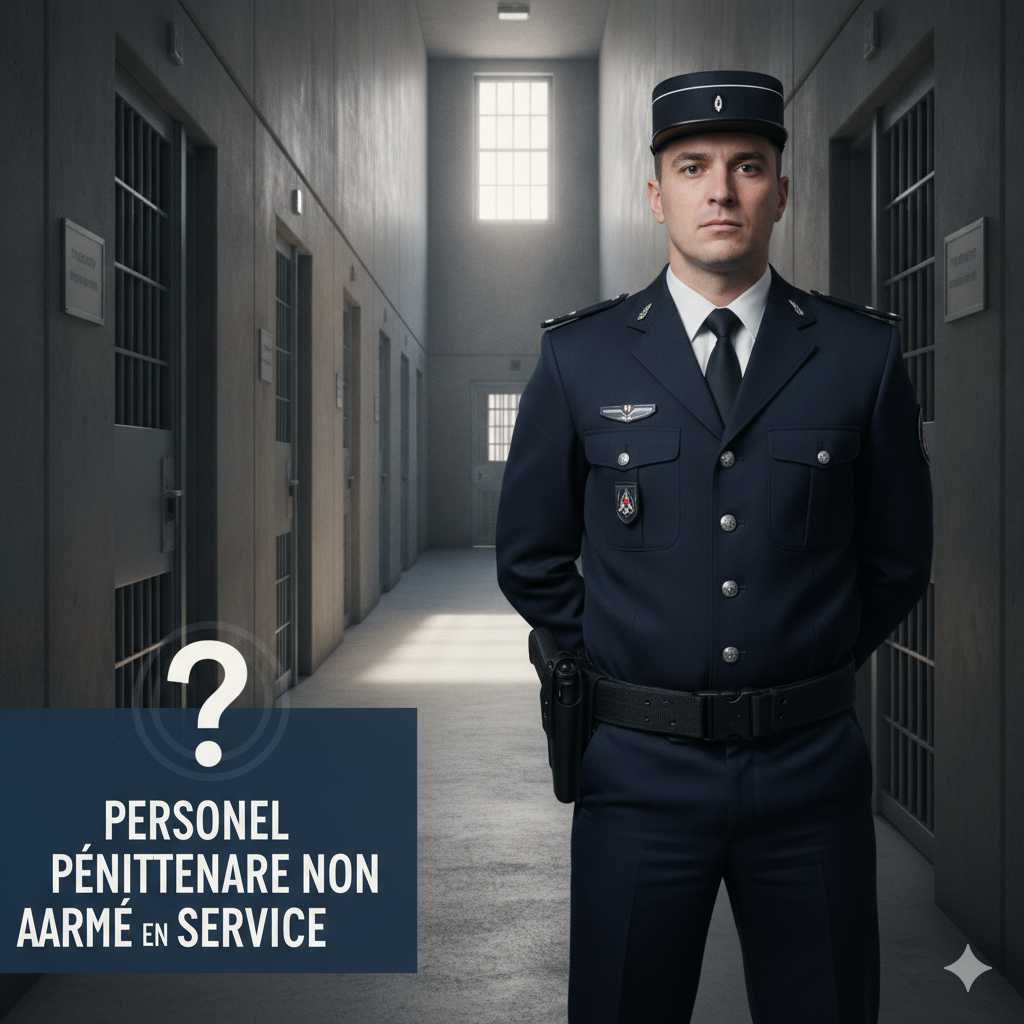
The general policy in French prisons is that guards do not carry firearms routinely during their daily duties. Their primary tools for maintaining order and responding to incidents are specialized non-lethal equipment and their training. Firearms are typically kept secured and are only used in extreme, life-threatening situations by specially trained units.
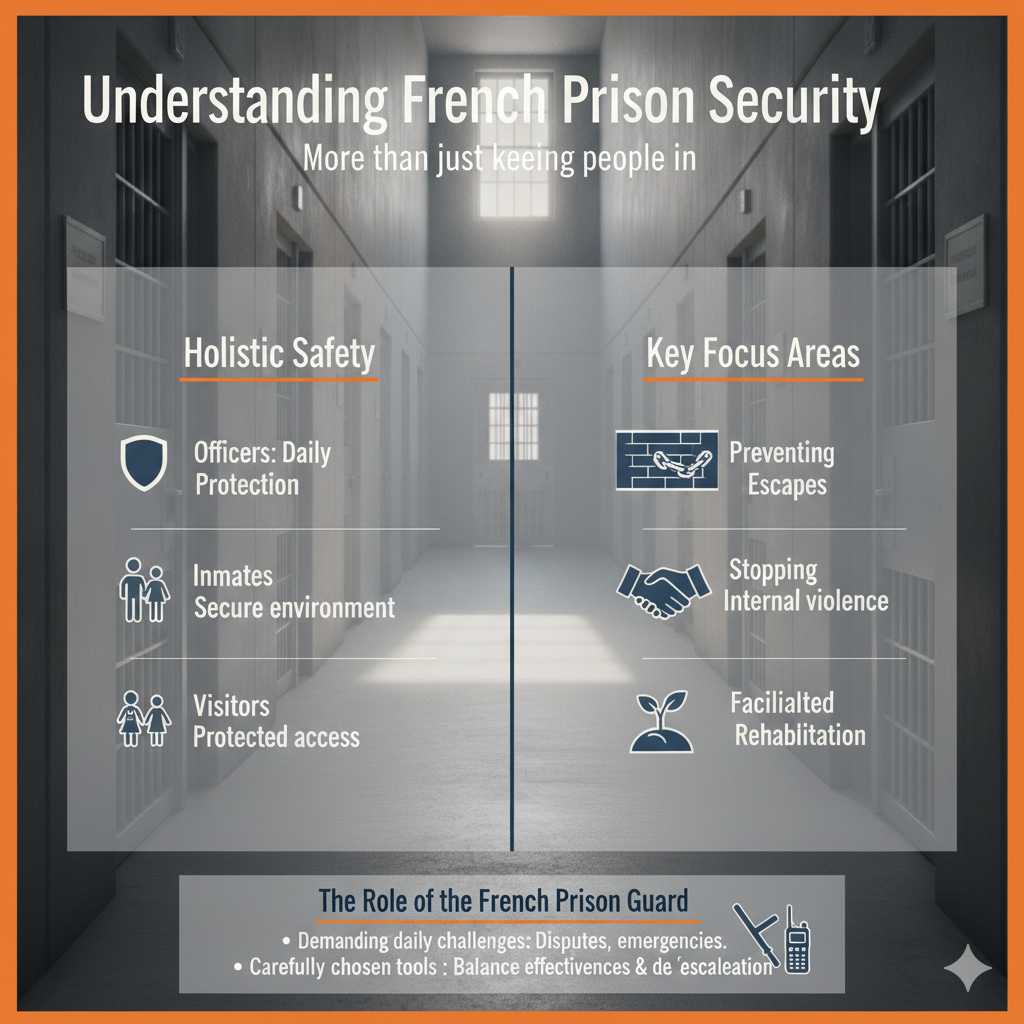
Understanding French Prison Security
When we talk about prison security, it’s about more than just keeping people in. It’s about safety for everyone involved. This includes the officers who work there every day, the inmates, and even visitors.
France, like many countries, has a detailed system for managing its prisons. This system focuses on several key areas. One is preventing escapes.
Another is stopping violence inside the prison walls. It also involves making sure inmates can be rehabilitated.
The daily life of a prison guard in France is demanding. They face many challenges. These can range from managing inmate disputes to dealing with sudden emergencies.
The tools they use are chosen carefully to balance effectiveness with the need to de-escalate situations when possible.
The Role of the Prison Guard
French prison guards, often called “professionnels de l’administration pénitentiaire” (professionals of the penitentiary administration), have a tough job. They are the front line of the correctional system.
Their duties are broad. They include supervising inmates, patrolling cell blocks, and making sure rules are followed. They also play a role in escorting inmates outside the prison, for example, to court appearances.
They help manage daily routines like meal times and work assignments.
The emphasis in their training is on communication, de-escalation, and quick thinking. They learn how to observe inmate behavior and identify potential problems before they escalate. This focus on human interaction and observation is a core part of their approach.
It’s important to remember that prison guards are not law enforcement officers in the traditional sense, like police. Their role is specifically within the confines of the correctional facility. Their primary mandate is maintaining order and security within that specific environment.
Guard Training and Preparedness
Focus on De-escalation: Much of a guard’s training involves learning how to talk down tense situations. This means using calm words and understanding how to read body language. It’s about preventing conflict before it starts.
Physical Restraint Skills: Guards are trained in techniques to physically restrain inmates if necessary. This is done to protect themselves and others without resorting to lethal force.
Emergency Response: They practice responding to various emergencies, from medical issues to riots. This training ensures they can act quickly and effectively.
What Tools Do French Guards Use?
Since firearms are not standard issue for daily patrol, French prison guards rely on a different set of tools. These are designed to give them control and defensive capabilities without being lethal.
One common tool is the baton. This can be used for self-defense or to create distance between an officer and an aggressive inmate. Guards are trained on how to use batons safely and effectively.
Another important piece of equipment is pepper spray, or “gaz lacrymogène.” This is a less-lethal option that can incapacitate an individual temporarily, giving guards time to control the situation or move away.
Handcuffs are also a standard tool for restraining inmates. They are used when an inmate needs to be secured, whether for disciplinary reasons or during transport.
Body armor, like bulletproof vests, is sometimes available or required depending on the specific role or risk assessment of a guard’s duties. This offers protection against potential physical attacks.
There’s also a growing use of communication devices, such as radios. These allow guards to call for backup quickly and coordinate with colleagues during incidents.
Key Non-Lethal Equipment
- Baton: For defense and control.
- Pepper Spray: A temporary incapacitant.
- Handcuffs: For restraint.
- Protective Vests: To shield against physical harm.
- Communication Radios: For immediate backup calls.
When Are Firearms Used?
While routine armament is not the norm, it does not mean firearms are entirely absent from the French prison system. There are specific circumstances where they are brought into play.
The use of firearms is typically reserved for situations that pose an imminent and grave threat to life. This could include major prison disturbances, riots, or hostage-taking incidents.
In such extreme cases, it’s usually not the regular guards who are armed. Instead, specialized intervention units are deployed. These units are highly trained in tactical operations and the use of force, including firearms.
These units are equipped to handle high-risk situations. They have specific protocols and rules of engagement. Their primary goal is to neutralize the threat and restore order with minimal harm.
The decision to deploy firearms, and by whom, is made at a high level of authority. It is a measure of last resort, taken only after all other options have been exhausted or deemed insufficient to prevent catastrophic loss of life.
Firearms Deployment Protocol
- Extreme Threat: Only for imminent danger to life.
- Specialized Units: Deployed by highly trained tactical teams.
- Last Resort: Used only when other means fail.
- Strict Oversight: Decision-making is highly controlled.
Why This Approach?
The decision to limit routine firearm use by prison guards in France is based on several factors. It’s a deliberate choice reflecting a philosophy of correctional management.
One key reason is the desire to foster a less confrontational atmosphere within prisons. When guards are heavily armed, it can inadvertently escalate tensions with inmates. This can lead to a more volatile environment.
Another factor is the safety of the guards themselves. A gun on every guard can become a target for inmates seeking to disarm them. This would create a significant security risk.
The focus on de-escalation and non-lethal force also aligns with a belief in the potential for rehabilitation. The idea is to manage inmates through effective control and communication, rather than through constant intimidation or the threat of lethal force.
Furthermore, the legal framework and public perception play a role. There’s a general societal expectation that while prisons are secure, the use of deadly force within them should be strictly controlled and limited.
This approach aims to strike a balance. It seeks to ensure the safety of staff and the public while also considering the human element within the correctional system. It prioritizes control and intervention over immediate lethal force.
Reasons for Non-Routine Armament
Reduced Tension: Aims for a calmer prison environment.
Officer Safety: Prevents guards from becoming targets.
Rehabilitation Focus: Encourages management through control, not fear.
Legal & Social Factors: Aligns with public and legal expectations.
Personal Experience in a Correctional Setting
I remember a time when I was visiting a friend who worked as a guard at a medium-security facility. It wasn’t in France, but the principles of day-to-day security felt similar in many ways. He’d often talk about the subtle things he had to watch for.
One evening, he was explaining how a small argument over a game of cards had started to get heated in the common area. He described the tension in the air, a feeling you could almost taste. It wasn’t about shouting; it was in the way people stood, the sudden silence, the clenching of fists.
He didn’t reach for a weapon. Instead, he walked calmly towards the situation. He started talking to the individuals involved, not as a judge, but as someone who needed them to calm down.
He used their names, asked what was wrong, and kept his voice low and steady. It was a masterclass in diffusing a situation through pure presence and verbal skill. He later told me that if guards were always carrying guns openly, that inmate might have felt more threatened, and the situation could have spiraled much faster into something worse.
The absence of visible weapons, for him, was a tool itself.
International Comparisons
It’s useful to see how different countries handle prison guard armament. This helps us understand that there isn’t one single “right” way to manage security.
In the United States, for instance, most state correctional officers are armed. They carry firearms and other weapons as part of their standard equipment. This approach is rooted in a different history and philosophy of law enforcement and corrections.
Canada also has armed correctional officers in many of its federal institutions. Their security model often involves officers being armed, particularly in higher-security environments.
Many European countries, however, tend to follow a model similar to France’s. Countries like Germany, the Netherlands, and Sweden often do not arm their regular prison guards with firearms. Instead, they rely heavily on specialized tactical teams and non-lethal control methods.
The choice between these models often comes down to a nation’s specific legal framework, its cultural approach to justice and punishment, and its risk assessment of potential threats within its prison system.
Global Security Approaches
- France: Non-routine armament, reliance on specialized units and non-lethal tools.
- United States: Most correctional officers are routinely armed.
- Canada: Armed officers in many federal institutions.
- Other European Nations (e.g., Germany, Netherlands): Often similar to France, favoring specialized teams and non-lethal options.
What This Means for Safety
The question of whether French prison guards are armed is not just about policy; it’s about safety. What does this approach mean in practice?
For the guards, it means they must be exceptionally skilled in de-escalation and physical control. Their primary defense is their training and their ability to manage challenging situations with minimal force. This can be stressful, as they are always aware of the potential risks.
For inmates, a less armed guard presence might contribute to a feeling of being managed rather than constantly threatened by lethal force. This could, in theory, reduce aggression and improve the chances of positive interaction, aiding rehabilitation efforts.
For the public, the system relies on the effectiveness of specialized units for high-risk incidents. This means the overall security of the system depends on the swift and appropriate deployment of these trained teams when severe threats emerge.
It’s a system that places a high trust in the training and judgment of its personnel. It also relies on robust protocols for escalating situations and bringing in specialized support when needed. The goal is to maintain order and security without resorting to lethal force as a default.
When is a Guard’s Action Justified?
In any correctional system, the use of force, especially lethal force, is a very serious matter. In France, like in most democratic countries, there are strict rules governing when a prison guard can use force.
The general principle is that force should only be used when absolutely necessary. It must be proportionate to the threat faced. This means the amount of force used should match the danger.
For regular guards, this typically means using force only to defend themselves or others from immediate physical harm. This could involve stopping an assault, preventing a serious injury, or preventing an escape that poses an immediate danger.
If a guard uses a non-lethal tool, like pepper spray or a baton, it must also be justified by the situation. The goal is to control an inmate, not to punish them. Once the threat is over, the use of force should stop.
When specialized units are involved and potentially use firearms, the bar is even higher. They must be facing a threat that is deadly or could cause grievous bodily harm. They must also have exhausted other options or have no other reasonable way to prevent such harm.
All incidents where force is used are typically investigated thoroughly. This ensures that the actions taken were appropriate and followed established procedures. This accountability is crucial for maintaining public trust and the integrity of the correctional system.
Guidelines for Force Usage
- Necessity: Force must be absolutely required.
- Proportionality: The force used must match the threat level.
- Defense: Primarily for self-defense or defense of others.
- De-escalation: Non-lethal options preferred.
- Accountability: All uses of force are investigated.
Potential Risks and Challenges
While the French approach aims for a less volatile environment, it’s not without its challenges and potential risks. It’s important to acknowledge these.
One significant challenge is the potential for incidents to escalate quickly. Without the immediate presence of firearms, guards might find themselves in situations where they are outmatched physically. This is where their training in de-escalation and physical control becomes critical.
Another risk is the potential for inmates to perceive a lack of strong authority. While not arming guards is intended to reduce tension, some inmates might test boundaries more aggressively if they believe the guards are less able to use decisive force.
The reliance on specialized units means that the response time for severe incidents is crucial. If these units are not available quickly enough, or if they are overwhelmed, the situation could become much more dangerous.
There’s also the psychological toll on guards. Constantly managing volatile situations without the perceived “ultimate tool” can be a significant source of stress. They are entrusted with immense responsibility for maintaining order and safety.
Finally, there’s the ongoing need for training and re-training. The skills required for de-escalation, physical restraint, and tactical response must be constantly honed to remain effective in a dynamic environment.
Challenges in Practice
- Escalation Risk: Situations could worsen quickly.
- Testing Boundaries: Inmates might push limits.
- Response Time: Critical for specialized unit deployment.
- Guard Stress: High pressure without readily available lethal force.
- Continuous Training: Skills must be kept sharp.
The Impact of Non-Lethal Technologies
The world of security technology is always evolving. For prison systems that don’t rely on routine armament, these advancements are particularly important.
Newer forms of less-lethal weapons are being developed. These might include advanced tasers or sonic devices that can incapacitate without causing permanent harm. The use of these is carefully considered and regulated.
Body cameras are also becoming more common. These can help with accountability, providing an objective record of incidents. They can also serve as a deterrent to excessive force from any party.
Improved communication systems, like secure mobile devices, allow guards to share information and coordinate more effectively in real-time. This is vital for responding to emergencies.
The integration of these technologies aims to enhance the effectiveness of non-lethal methods. They provide guards with more options for control and safety, supplementing their training and tactical skills.
What This Means for You
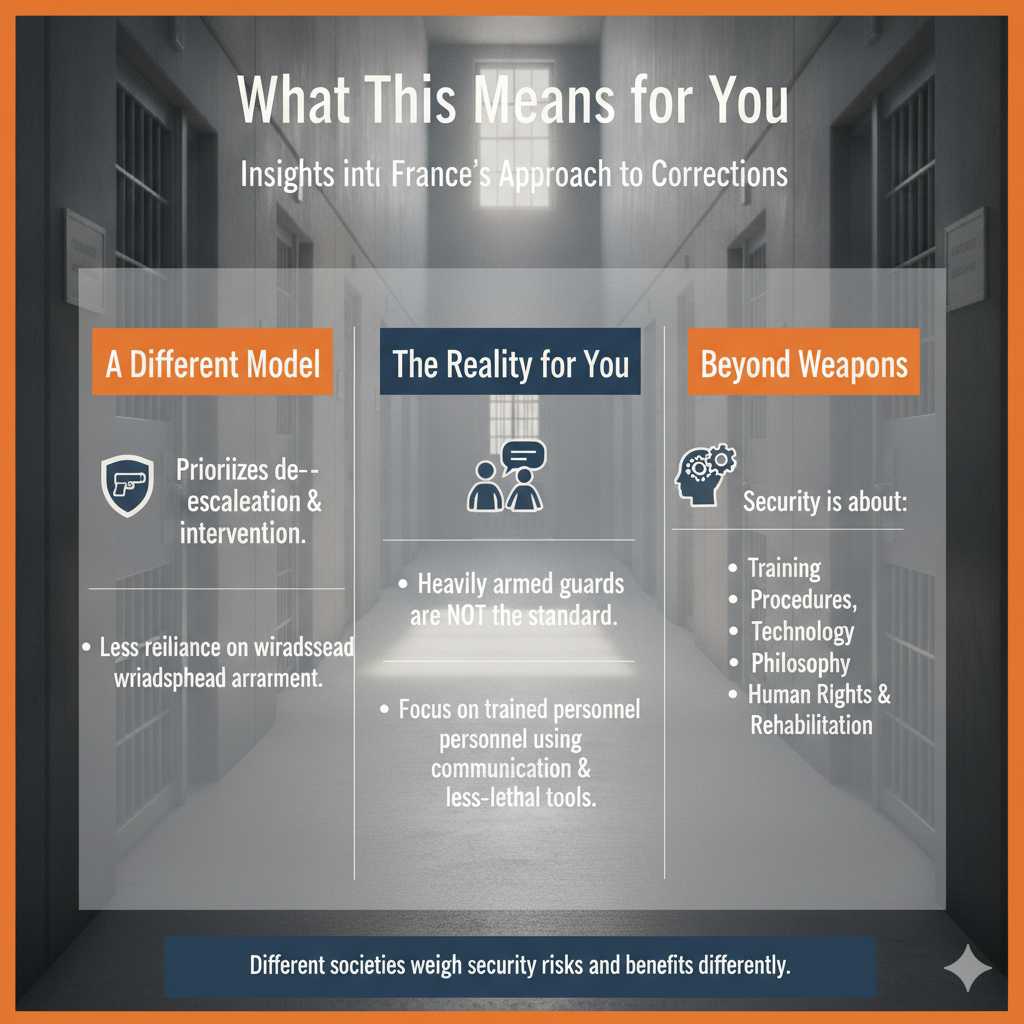
Understanding whether French prison guards are armed provides valuable insight into the country’s approach to corrections. It highlights a different model of security that prioritizes de-escalation and specialized intervention over widespread armament.
For the average person, it means that the image of heavily armed guards is not the standard in French prisons. The focus is on trained personnel using a range of less-lethal tools and communication skills to maintain order.
If you’re curious about prison systems, this gives you a point of comparison. It shows that different societies weigh the risks and benefits of security measures differently.
It also reinforces the idea that security isn’t just about weapons. It’s about training, procedures, technology, and a clear philosophy of how to manage potentially dangerous individuals while upholding human rights and seeking rehabilitation.
Frequent Questions
Are French prison guards allowed to carry guns at all?
Yes, but not as standard daily equipment. Firearms are typically kept secured and are only used by specialized intervention units in extreme, life-threatening situations.
What is the main difference between French and US prison guards regarding weapons?
In the US, many correctional officers are routinely armed with firearms. In France, guards generally are not armed daily and rely on non-lethal equipment and specialized units for high-risk incidents.
What are the primary tools French prison guards use?
They primarily use batons, pepper spray, handcuffs, communication radios, and sometimes protective vests. Their training in de-escalation and physical restraint is also a key tool.
Why does France choose not to arm most of its prison guards?
This approach aims to reduce tension, prevent guards from becoming targets, and focus on rehabilitation through control and communication rather than constant threat of lethal force.
Who uses firearms in French prisons if not the regular guards?
Specially trained intervention units are deployed in extreme situations that pose an imminent and grave threat to life. They are equipped and trained for tactical operations.
Does this mean French prisons are less safe?
Safety is achieved through different means. The French system relies heavily on guard training, de-escalation techniques, and the rapid deployment of specialized teams for severe threats, rather than routine armament of all staff.
Conclusion
So, to wrap it up, French prison guards typically do not carry firearms during their regular duties. Their security model relies on specialized training, non-lethal tools, and highly trained intervention units for extreme threats.
This approach is designed to foster a more controlled environment and balance safety with rehabilitation. It’s a thoughtful system that prioritizes de-escalation and careful management.