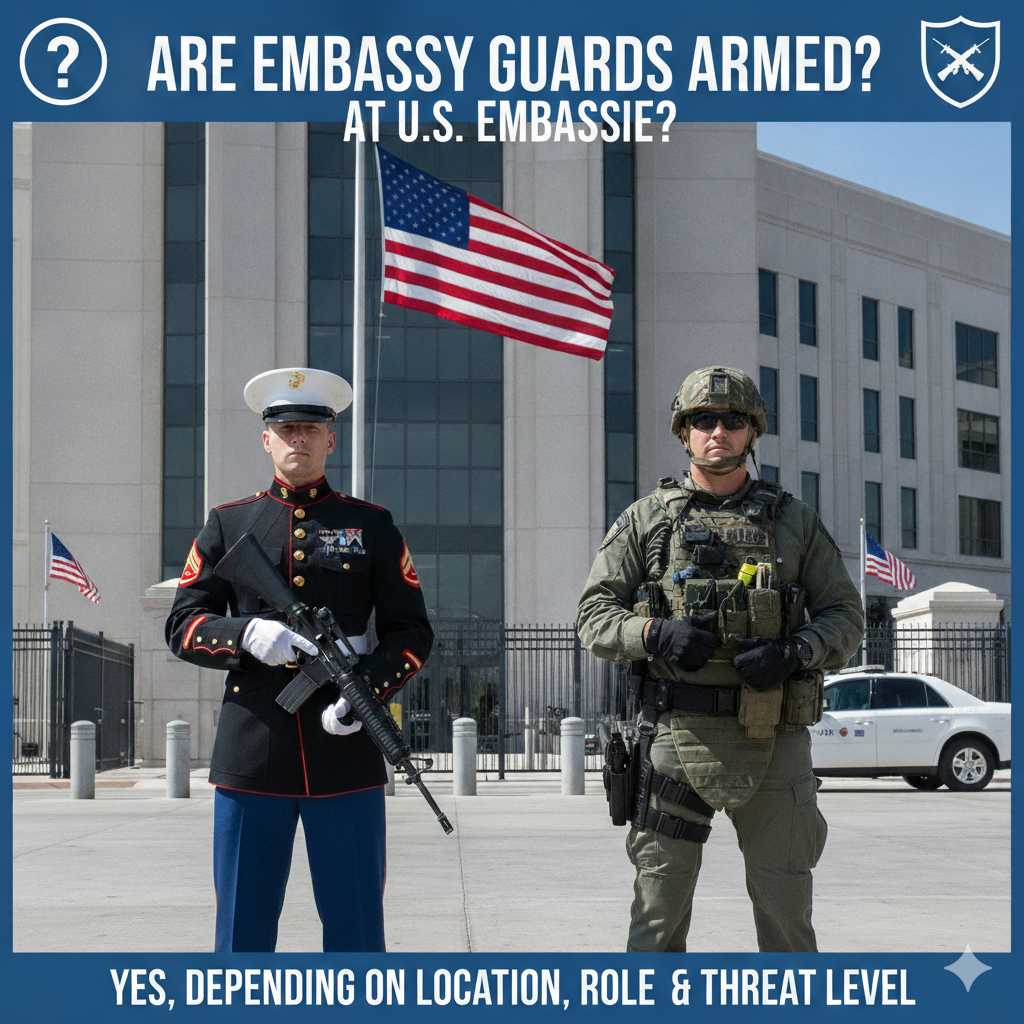
Are Embassy Guards Armed At U.S. Embassies?
It’s a question many people wonder about, especially when they see those imposing buildings. You know, the ones with flags and a serious, watchful presence. The thought often pops up: are those guards outside U.S.
embassies actually carrying weapons? It’s a natural curiosity, wrapped up in understanding security and what goes on behind those official doors.
Understanding the security around embassies isn’t just about satisfying curiosity. It’s about knowing the reality of international diplomacy and safety. These buildings are vital.
They represent countries. Protecting them and the people inside is a top priority. This article will shed light on the armed status of embassy guards.
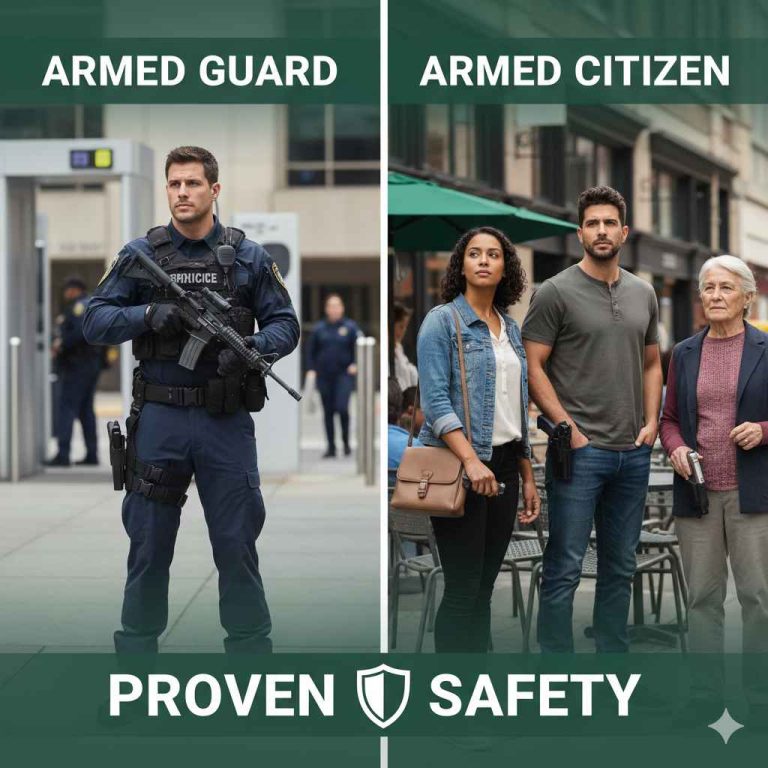
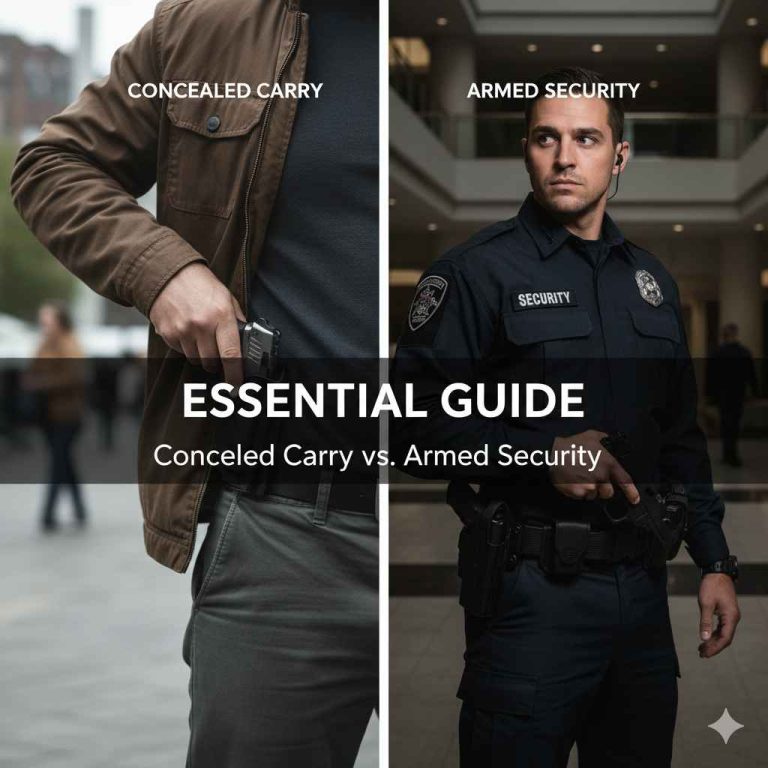
The presence of armed guards at U.S. embassies is a standard and critical security measure. While specific details of armament and deployment are classified for operational security, it is widely understood and expected that U.S. embassy security personnel, including Marine Security Guards and contracted personnel, are armed. This is to ensure the safety of embassy personnel, visitors, and classified information.
The Realities of U.S. Embassy Security
When you think about a U.S. embassy, you’re picturing a place of great importance. It’s a hub for diplomacy.
It’s also a place where sensitive information is handled daily. Because of this, security is top-notch. It has to be.
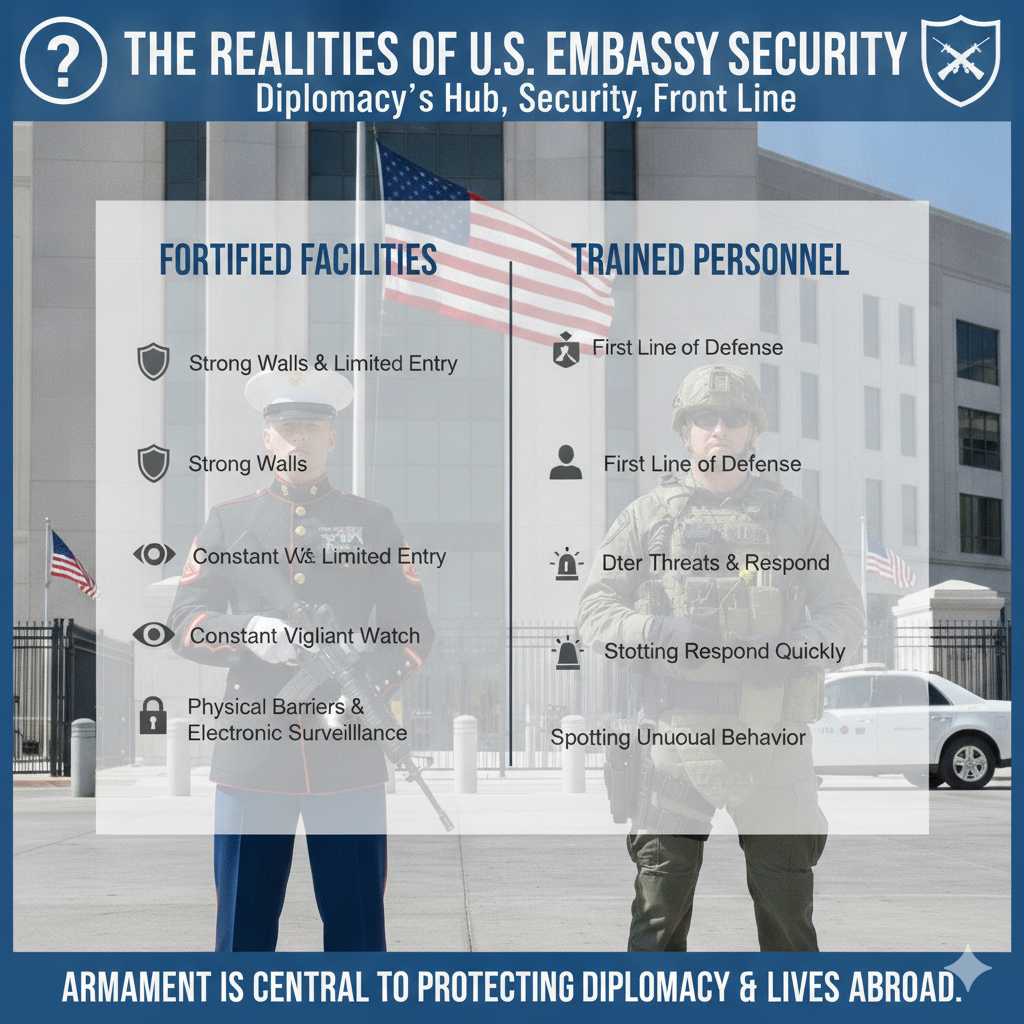
The buildings themselves are often fortified. Think strong walls, limited entry points, and a constant, vigilant watch.
The people you see outside are not just for show. They are part of a complex system designed to keep everyone safe. This system is layered.
It includes physical barriers, electronic surveillance, and, importantly, trained security personnel. These individuals are the first line of defense. Their job is to deter threats and respond quickly if anything happens.
The role of security at an embassy is multifaceted. It’s not just about looking tough. It’s about preventing incidents before they start.
This involves knowing who is coming and going. It means spotting unusual behavior. And, if necessary, it means being able to protect the embassy and its occupants.
This is where the question of being armed becomes central.
For anyone concerned about safety or simply curious about how these high-profile locations operate, understanding the armament of guards is key. It’s a practical aspect of modern international relations. It ensures that diplomatic missions can function without fear.
The Marine Security Guard Program
The United States Marine Corps plays a crucial role in embassy security. They operate the Marine Security Guard (MSG) Program. This is a well-respected and highly trained unit.
Marines are stationed at U.S. embassies and consulates around the world. Their mission is to protect life and property.
They also guard classified information.
These Marines are selected rigorously. They undergo extensive training. This training covers a wide range of security protocols.
It includes handling firearms proficiently. It also covers emergency response and anti-terrorism tactics. The goal is to have highly capable individuals ready for any situation.
Their presence sends a clear message about the seriousness of embassy security.
The Marine Security Guards are often the most visible security personnel at an embassy. You might see them in their dress uniforms. You might also see them in tactical gear depending on the threat level.
Regardless of their uniform, they are always alert. They are trained to assess situations and act decisively. Their armament is a critical tool in fulfilling their protective duties.
In real-world scenarios, these Marines have proven their worth. There have been instances where their quick actions have helped thwart potential attacks. This highlights the importance of their training and their readiness.
Being armed is an essential part of that readiness. It allows them to respond effectively to direct threats.
Marine Security Guard Key Facts
Primary Role: Protection of U.S. embassy personnel, visitors, and U.S. government property.
Also responsible for guarding classified information.
Selection: Highly selective process. Marines must meet strict physical and character standards.
Training: Extensive training in marksmanship, self-defense, emergency response, and embassy security protocols.
Deployment: Stationed at over 170 U.S. embassies and consulates worldwide.
Armed Status: Always armed when on duty, equipped to handle direct threats.
Beyond the Marines: Diplomatic Security Service
While Marine Security Guards are highly visible, they are part of a larger security framework. The U.S. Department of State’s Diplomatic Security Service (DSS) is another vital component.
The DSS is responsible for the overall security of U.S. diplomatic missions abroad. They manage security operations and personnel.
DSS Special Agents are highly trained federal law enforcement officers. They have a broad range of responsibilities. This includes physical security, information security, and counterintelligence.
They also conduct investigations. Many DSS agents are directly involved in providing security at embassies. They work closely with the Marine Security Guards.
These special agents are definitely armed. They carry firearms as part of their daily duties. Their training includes advanced marksmanship and tactical operations.
They are prepared to respond to threats of various levels. Their role is to ensure that the embassy remains a secure environment for diplomats and staff.
The DSS also oversees contracted security personnel. These private security companies can supplement the efforts of the Marines and DSS agents. They are also typically armed and rigorously vetted.
The combination of these different security layers creates a robust defense system. It ensures that U.S. embassies are well-protected against a range of potential dangers.
I remember visiting a U.S. consulate once. It was a routine visit for a visa application.
Even from the outside, you could see the heightened security. There were guards at the entrance. They were professional and serious.
You could tell they were highly trained. It made me feel a sense of safety, knowing that such precautions were in place. Later, I learned more about the DSS and the MSG program.
It made me appreciate the complexity of their work even more. They are the silent guardians.
Why Armament is Non-Negotiable
The decision to arm embassy guards is not taken lightly. It stems from a clear understanding of the risks involved in international relations. U.S.
embassies are often targets for those who oppose U.S. foreign policy or seek to disrupt diplomatic efforts. Threats can range from protests and civil unrest to outright terrorist attacks.
In such environments, the ability to respond with force is often necessary. A guard without the means to defend themselves or others would be ineffective against a determined attacker. The presence of firearms acts as a deterrent.
It also provides a critical tool for immediate defense when deterrence fails.
Consider the Benghazi attack in 2012. While the circumstances were complex and debated, the tragic outcome underscored the vulnerability of diplomatic missions in high-risk areas. Attacks can happen quickly and with overwhelming force.
Security personnel must be equipped to defend themselves and their colleagues.
The training these guards receive ensures that firearms are used responsibly and only when absolutely necessary. They are taught de-escalation techniques. They also undergo rigorous rules of engagement training.
This means they know exactly when and how they are authorized to use their weapons. It’s about having the capability, but using it with extreme discipline and judgment.
So, are embassy guards armed? Yes. This armament is a fundamental part of their protective mission.
It ensures they can fulfill their duty to safeguard lives and national interests abroad.
Understanding Threat Levels
Yellow Alert: Increased threat of terrorist actions or crime. Security personnel may increase vigilance.
Orange Alert: A credible threat exists. More significant security measures are implemented. Armed presence becomes more pronounced.
Red Alert: Imminent danger. Full security protocols activated. Maximum readiness for armed response.
General Operations: Even during periods of lower threat, standard armed security remains in place to ensure continuous protection.
What You Might See at an Embassy
When you approach a U.S. embassy, the security presence is usually evident. You’ll likely see guards at the perimeter.
You might see them at the main entrance. They will be observing everyone. Their posture and demeanor will communicate professionalism and alertness.
The specific type of firearm might not always be obvious. However, the gear and training are designed for effectiveness. For instance, Marine Security Guards might carry handguns.
They might also have access to heavier weaponry if the situation demands it. This depends on the embassy’s security plan and the prevailing threat assessment for the region.
You might also notice security checkpoints. These are designed to screen visitors. They ensure that no unauthorized or dangerous items enter the embassy grounds.
This process is thorough. It’s part of the layered security approach.
It’s important to remember that these guards are professionals. They are there to do a job. They are trained to assess situations calmly and rationally.
While they are armed, their primary goal is to prevent incidents. They are not looking for trouble. They are there to maintain peace and security.
I once had a friend who applied for a job at an embassy. He mentioned the extensive background checks. He also spoke about the security training even for non-security staff.
It gave me a different perspective. It’s not just about the visible guards. It’s a whole ecosystem of security.
Everyone plays a part, from the receptionist to the highest diplomat. And the armed guards are the essential, visible protectors.
Embassy Security in Different Countries
The level of security, including the armament of guards, can vary. This often depends on the political climate and the security situation in the host country. In countries with higher security risks, the presence of armed guards might be more pronounced.
The types of weapons and the number of personnel could also increase.
For example, an embassy in a country experiencing civil unrest or facing significant terrorist threats will have a much higher security posture. This means more visible armed personnel. It might also mean more fortified entry points and stricter access controls.
This is a direct response to intelligence and risk assessment.
Conversely, in countries with a very stable and low-threat environment, the visible armed presence might seem less overt. However, this doesn’t mean security is compromised. The underlying security protocols, including the readiness of armed personnel, remain in place.
The visible display of force is often adjusted based on perceived risk.
The State Department constantly monitors global threats. They adjust security measures accordingly. This ensures that resources are allocated effectively.
It also means that guards are equipped and trained for the specific challenges they might face in their assigned location. The goal is always consistent: to protect U.S. interests and personnel.
Security Factors Influencing Armament
- Political Stability: High instability often means more visible armed presence.
- Terrorism Threat: Regions with high terrorist activity require robust armed security.
- Local Crime Rates: High crime can necessitate increased armed patrols.
- Protest Activity: Frequent demonstrations can lead to heightened armed guard readiness.
- Embassy’s Importance: High-profile embassies may receive enhanced security regardless of local conditions.
Your Role as a Visitor
If you ever need to visit a U.S. embassy or consulate, remember that security is paramount. Being aware of the armed presence is part of understanding the environment.
Your cooperation with security personnel is essential.
Follow all instructions given by guards and staff. This includes presenting identification, undergoing searches, and adhering to any restrictions on items you can bring inside. These measures are for everyone’s safety.
They help the security team do their job effectively.
Do not take photos or videos of security personnel, equipment, or sensitive areas without explicit permission. This can be seen as a security breach. It can lead to being denied entry or facing more serious consequences.
Respect the rules and the professionalism of the staff.
If you observe anything suspicious, report it discreetly to a security officer. Do not try to investigate it yourself. The trained personnel are equipped to handle such situations.
Your awareness and responsible behavior contribute to the overall security of the mission.
The guards you see are trained professionals. They are often armed as a necessary measure. Their presence is a safeguard.
Understanding their role helps foster a sense of respect for the security operations that keep these vital diplomatic posts safe. It’s a partnership in safety, in a way.
When to Worry (And When Not To)
It’s normal to feel a bit intimidated by a strong security presence. Seeing armed guards can be a reminder of potential dangers in the world. However, their presence is primarily a deterrent and a protective measure.
It’s not usually a sign of immediate danger to visitors.
You should feel reassured by the robust security. It means steps are being taken to ensure your safety and the safety of the staff. The guards are there to maintain order and respond to threats, not to create them.
When might you need to be more concerned? If there’s a significant increase in visible security personnel. This might be accompanied by official warnings about heightened threat levels in the area.
If embassy operations are suddenly curtailed or if there are public advisories related to security, that indicates a situation requiring extra caution.
However, in most day-to-day interactions, the armed guards are simply performing their duty. They are part of the standard security apparatus. Their armament is a tool of their trade, much like a police officer’s firearm.
It’s there for protection.
I recall a time when I was traveling. I had to go to a U.S. embassy in a country that had recently experienced some political upheaval.
The security presence was very visible. There were more guards than I had seen before. They were clearly armed and very alert.
It was a bit unnerving, I admit. But the staff inside were calm. They explained that it was a precautionary measure.
They assured me that everything was under control. It was a good reminder that the guards are there to manage the situation, not to cause alarm.
Quick Checks and Standard Procedures
When you arrive at a U.S. embassy for an appointment, expect standard security procedures. These are designed to be thorough yet efficient.
They are consistent across most diplomatic missions.
- Identification: Always have valid, government-issued photo identification ready.
- Screening: You will likely go through a metal detector. Your belongings may be X-rayed.
- Prohibited Items: Large bags, electronics (beyond what is needed for your appointment), food, and drinks are often not allowed. Check the specific embassy’s website for a full list.
- Appointments: Unless you have a pre-arranged appointment, you will not be allowed entry.
- Behavior: Remain calm and follow all instructions from security personnel.
These checks are standard. They apply to everyone, regardless of nationality or purpose of visit. The armed guards are part of this system, ensuring that the screening process is respected and that any potential threats are identified and neutralized.
Their presence reinforces the seriousness of these procedures.
My Experience at a Consulate
A few years back, I needed to renew my passport at a U.S. consulate. I wasn’t sure what to expect.
I knew I’d need to go through security. But seeing the actual guards for the first time was striking. They were positioned at the entrance and inside.
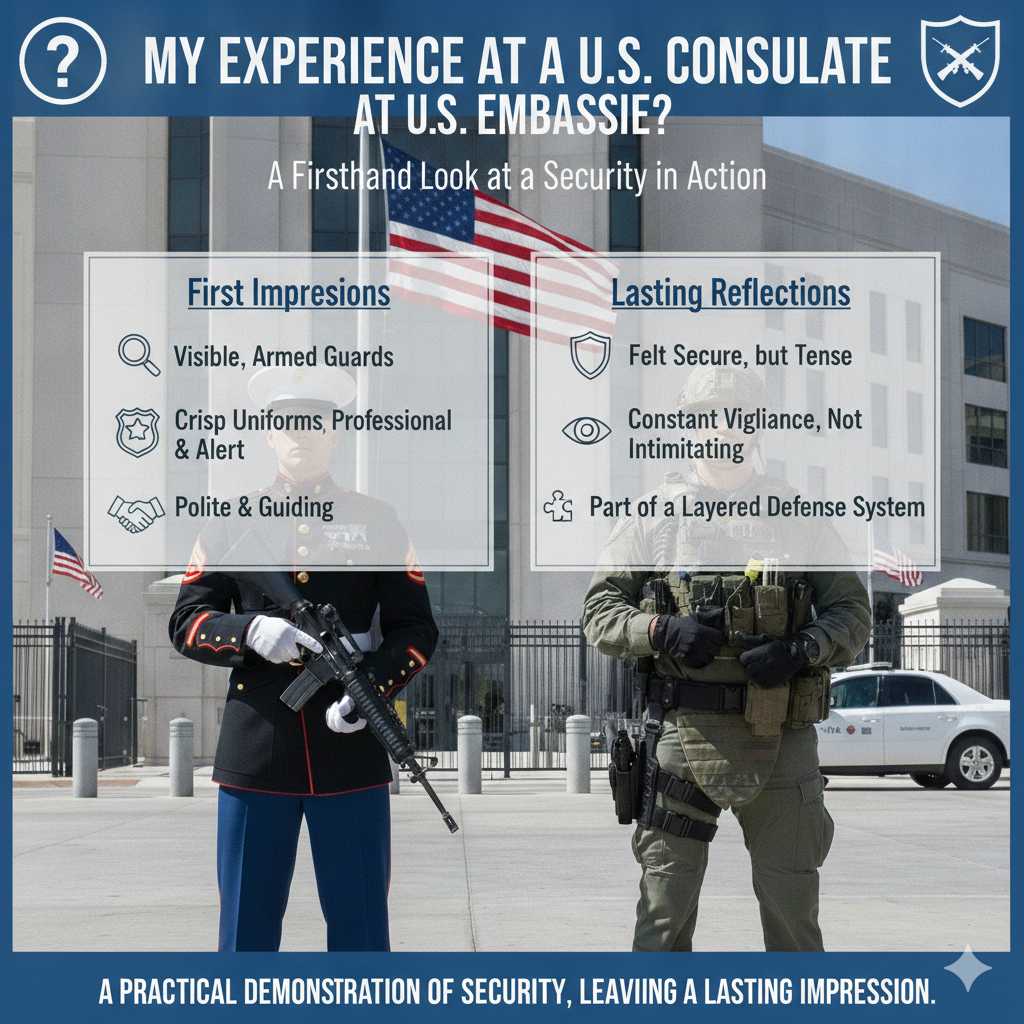
They were in crisp uniforms, and yes, they were armed. They looked very professional and alert.
I remember feeling a mix of relief and a slight tension. Relief because it felt very secure. Tension because it was a reminder that the world isn’t always peaceful.
But the guards were polite. They guided people through the process. They weren’t intimidating, just very present and watchful.
It was clear they were focused on their duty.
The whole process made me think about the unseen work that goes into maintaining safety. The guards are just one piece of a much larger puzzle. They are the visible protectors, but there are many other layers of security.
Their armament is a key part of their ability to protect everyone there. It was a practical demonstration of security in action, and it left a lasting impression.
Frequently Asked Questions
Are all U.S. embassy guards armed?
While specific operational details are not publicly disclosed, it is standard practice for U.S. Marine Security Guards and Diplomatic Security Service agents assigned to U.S. embassies and consulates to be armed.
Contracted security personnel are also typically armed.
What kind of weapons do embassy guards carry?
Embassy guards are trained to use a range of firearms suitable for their security duties. This typically includes handguns. Depending on the threat assessment and specific post requirements, other weapons may also be available to security personnel.
Why are there armed guards at embassies?
Embassies are high-value targets. Armed guards are essential for protecting personnel, visitors, classified information, and U.S. government property from threats such as terrorism, espionage, and civil unrest.
Their armament serves as a deterrent and a means of immediate defense.
What should I do if I see an armed guard at an embassy?
You should remain calm and follow any instructions given by the guard or other security personnel. Treat them with respect, as they are professionals performing a critical security function. Do not approach them unnecessarily or obstruct their duties.
Is security the same at all U.S. embassies?
Security measures, including the visible presence and armament of guards, can vary depending on the threat level and specific conditions in the host country. Embassies in higher-risk locations typically have more stringent security protocols and a more visible armed presence.
Can I bring a weapon if I visit an embassy?
No. Absolutely no weapons are permitted for visitors entering a U.S. embassy or consulate.
This is a strict rule enforced for the safety of everyone. You will be denied entry if you attempt to bring a weapon.
Conclusion
To wrap things up, yes, U.S. embassy guards are armed. This is a fundamental aspect of their security mission.
It ensures they can protect against threats. Their armament, coupled with extensive training, is vital for maintaining safety at diplomatic posts worldwide. It’s a necessary measure in a complex world.