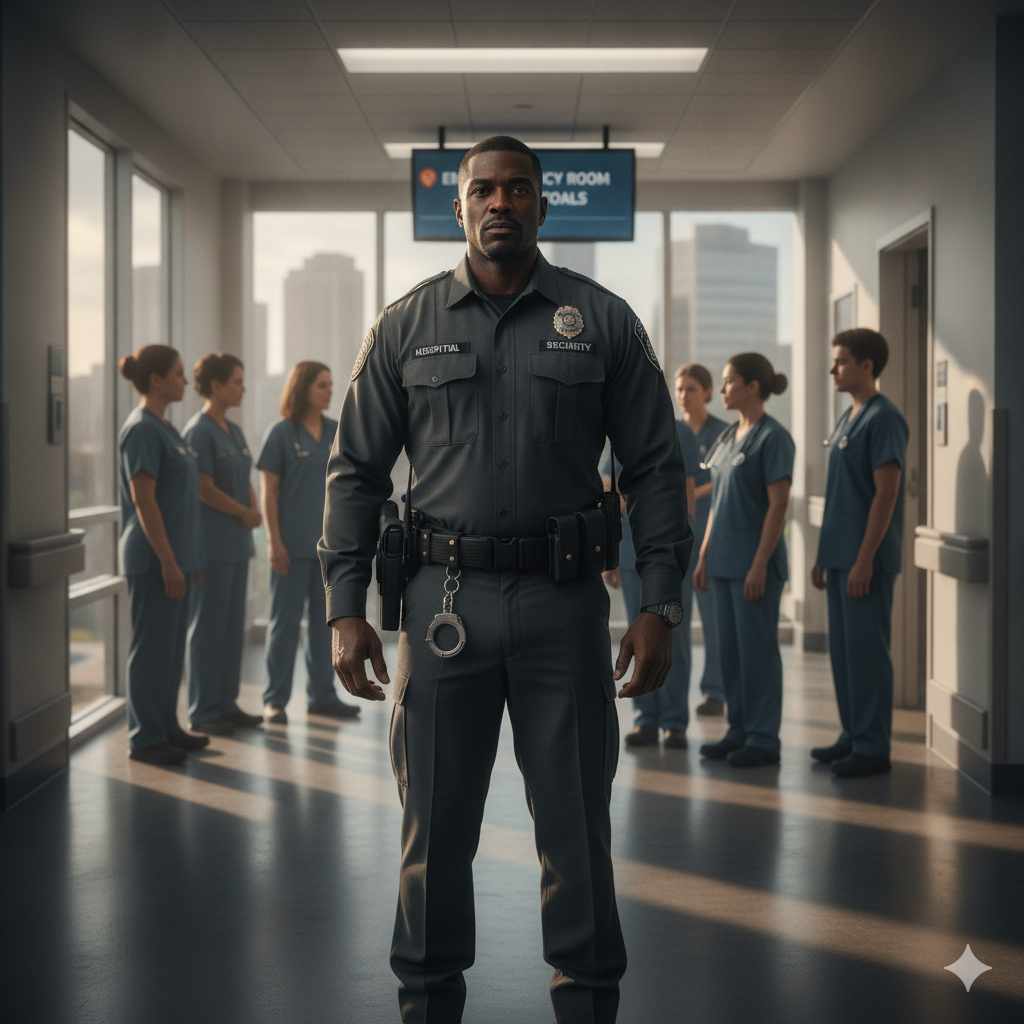
Are Hospital Security Guards Armed At Work?
It’s a question that pops up when you’re in a hospital, maybe waiting for news or visiting a loved one. You see the security guards, and a thought might cross your mind: Are these people armed? It’s totally natural to wonder, especially in places where safety feels so important.
Hospitals are busy, sometimes stressful places. Knowing who is there to protect everyone helps bring a sense of calm. Let’s dig into this and figure out what’s really going on with hospital security.
In most U.S. hospitals, security guards are not routinely armed. While some high-risk facilities may have armed personnel, the majority rely on unarmed guards, de-escalation training, and law enforcement partnerships for security.
Arming guards is a complex decision with varied policies across different healthcare systems.
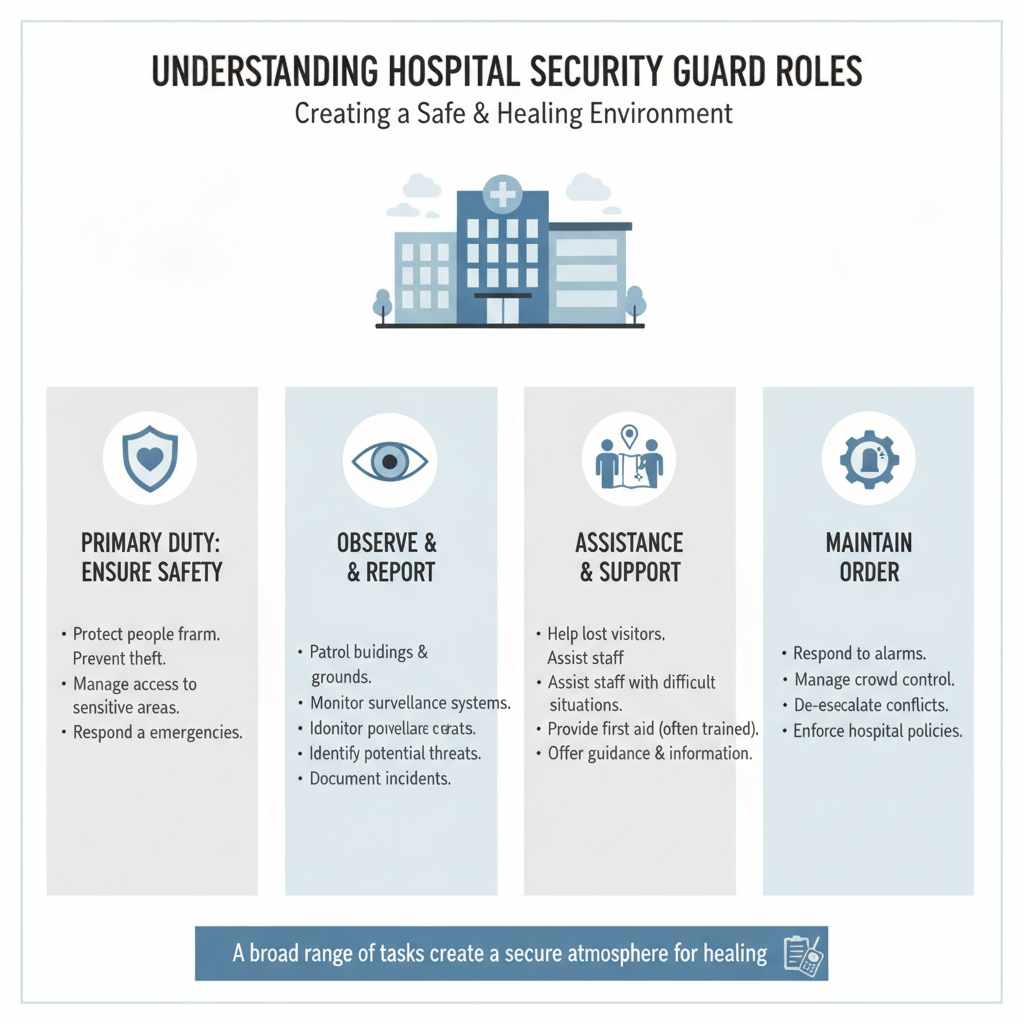
Understanding Hospital Security Guard Roles
Hospitals are unique environments. They are places for healing, but they can also be places of stress, anxiety, and even danger. Think about it: people are often at their most vulnerable when they’re in a hospital.
This means that security needs to be top-notch. But what does “top-notch” actually mean in this setting? It involves a lot more than just having people in uniforms.
It’s about creating a safe space for patients, visitors, and staff alike.
The primary job of a hospital security guard is to ensure the safety and security of everyone on the premises. This includes protecting people from harm, preventing theft, managing access to sensitive areas, and responding to emergencies. They are often the first point of contact for many security-related issues.
Their presence alone can deter crime. But their duties go much deeper than just watching. They are trained to observe and report.
They also help lost visitors find their way. Sometimes, they assist staff with difficult situations.
Their role is really about maintaining order. They help create a secure atmosphere where healing can happen without added worry. This involves a broad range of tasks, from patrolling buildings to monitoring surveillance systems.
They also respond to alarms. They might help with crowd control during busy times. The goal is always to keep the hospital running smoothly and safely for everyone involved.
Are Hospital Security Guards Armed? The Short Answer
Let’s get straight to it. For the most part, hospital security guards are not armed. This is a common practice across many healthcare facilities in the United States.
It’s not like what you might see in some movies or TV shows. The reality is often different and more nuanced. Many hospitals choose unarmed security for a variety of reasons that make sense for their environment.
Why unarmed? Well, hospitals deal with people who are sick or in pain. Introducing firearms into such an environment can be seen as counterproductive.
The focus is often on de-escalation and providing a calming presence. Unarmed guards are trained to handle difficult situations through communication and mediation. They can also call in law enforcement if a situation escalates beyond their ability to manage.
However, there are exceptions. In certain situations or at specific types of facilities, armed guards might be present. This is usually decided based on risk assessments.
Factors like the hospital’s location, the types of patients it serves, and the history of incidents play a big role. But these are generally not the norm for most hospitals.
Factors Influencing Arming Decisions
Deciding whether to arm security guards is a big decision for any hospital. It’s not something taken lightly. Many things go into this choice.
Each hospital looks at its own unique needs and risks. It’s about balancing security needs with the hospital’s mission to heal and care for people.
One major factor is the level of risk a hospital faces. Some hospitals, perhaps those in high-crime areas or those treating patients with known violent tendencies, might consider arming their security. They look at past incidents.
They consider the potential for threats. A risk assessment helps them understand what kind of security is truly needed. It’s a practical approach to safety.
Then there’s the type of facility. A large urban hospital might have different needs than a small rural clinic. Speciality hospitals, like those focused on psychiatric care or correctional health, often have higher security requirements.
These places might see more challenging behaviors. This could lead them to a different conclusion about armed personnel. The environment shapes the security strategy.
The cost and training are also huge considerations. Arming guards means significant investment. It involves purchasing firearms, ammunition, and secure storage.
More importantly, it requires extensive training. Guards need to be proficient with weapons. They also need training in the legal aspects of using force.
Ongoing training and recertification are also necessary. This adds to the overall expense and complexity for the hospital.
Finally, the hospital’s culture and mission are key. Many healthcare institutions prioritize a calm, healing environment. The presence of firearms can be seen as conflicting with this.
They might worry it could intimidate patients or visitors. So, they opt for unarmed guards who are skilled in communication and de-escalation. This focus on softer skills is vital in healthcare.
The decision is complex and varies greatly. It’s a careful balance of safety, practicality, and the core values of a healthcare setting.
Training and Qualifications for Hospital Security
Even when guards aren’t armed, their training is still quite extensive. Hospitals invest in their security teams to ensure they can handle the unique challenges of a healthcare environment. This training is designed to prepare them for a wide range of situations, from minor disturbances to serious emergencies.
A big part of their training focuses on de-escalation techniques. This is crucial in a hospital. Guards learn how to calm agitated individuals.
They practice communication skills to resolve conflicts peacefully. This might involve active listening, showing empathy, and setting clear boundaries. The goal is to prevent situations from getting worse.
They learn to use their words and presence to create a safer outcome.
They also receive training in emergency response. This covers a lot of ground. They learn how to respond to medical emergencies, fires, and natural disasters.
They are taught how to assist first responders. This includes knowing evacuation procedures and assisting with patient transport during crises. This knowledge helps keep everyone safe during chaotic events.
Hospital policies and procedures are also a major part of their education. Each hospital has its own rules. Guards need to know these inside and out.
This includes understanding patient rights, privacy regulations like HIPAA, and the specific protocols for different areas of the hospital. They learn how to enforce visitor policies. They also learn how to manage access to restricted zones.
For guards who are armed, the training is much more rigorous. They must meet state and federal requirements for firearms proficiency. This involves extensive live-fire training.
They also receive advanced instruction in use-of-force laws and decision-making. They are trained to use their weapons only as a last resort. The emphasis remains on preventing violence.
Overall, hospital security personnel are highly trained professionals. Their education is tailored to the sensitive nature of healthcare. It ensures they can protect and serve effectively while upholding the hospital’s commitment to care.
Unarmed vs. Armed Hospital Security: A Quick Look
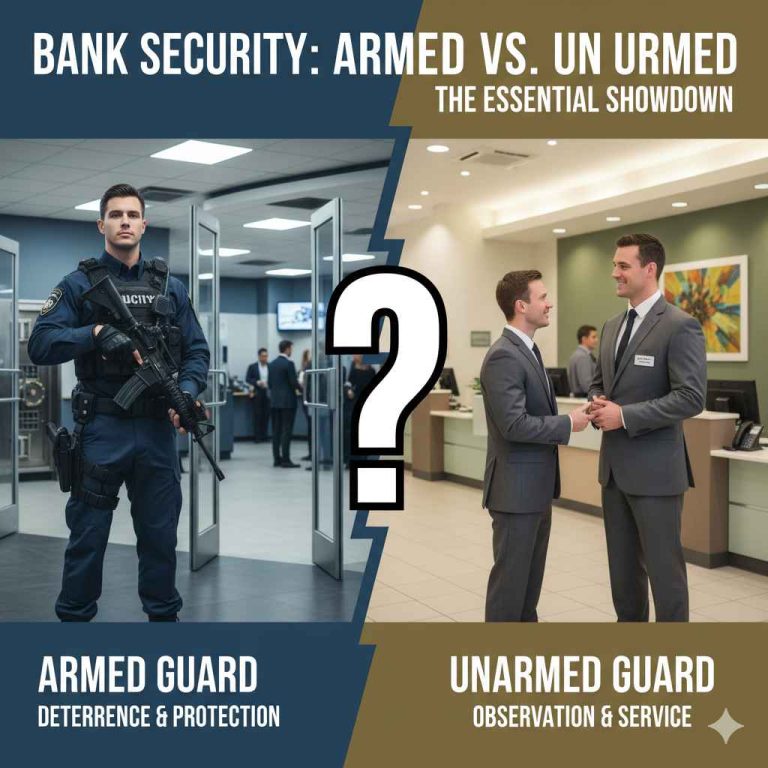
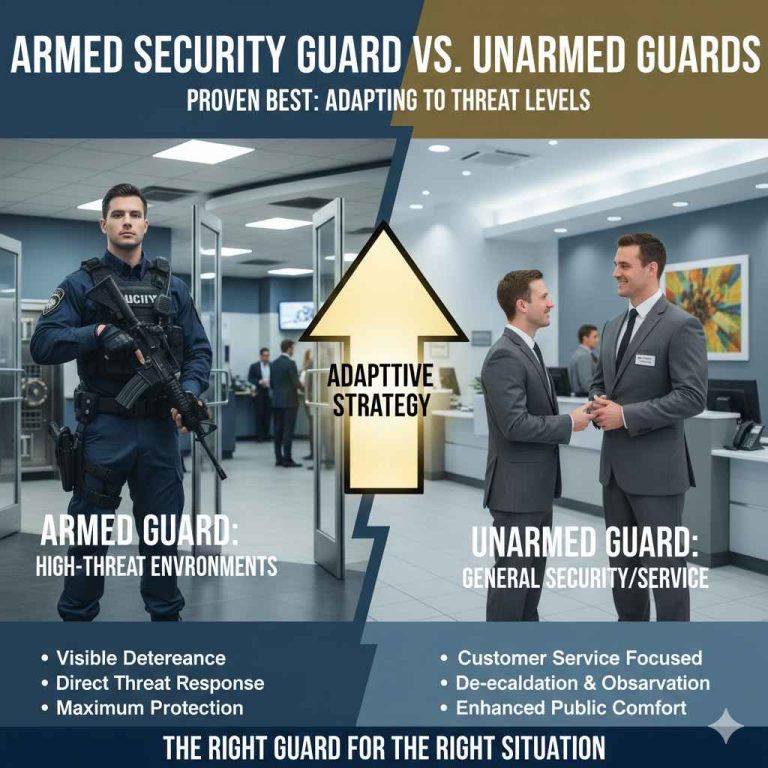
Unarmed Guards:
- Focus on de-escalation and communication.
- Present to deter crime and maintain order.
- Respond to emergencies and assist staff.
- Call law enforcement when needed.
- Most common in general hospitals.
Armed Guards:
- Found in high-risk facilities or specific units.
- Undergo extensive firearms and use-of-force training.
- Act as a deterrent and immediate response force.
- Operate under strict protocols and oversight.
- Less common, policy varies by institution.
My Own Experience with Hospital Security
I remember one time I was at a large teaching hospital. My sister had a surgery, and the waiting room was packed. It was late, and everyone looked tired and stressed.
Suddenly, a patient from a nearby room became very agitated. They started yelling. People in the waiting room looked worried.
I felt a knot of anxiety in my own stomach. It was that moment you hope security is nearby and effective.
Within moments, two security guards appeared. They were calm and professional. They didn’t rush in.
Instead, they approached the situation quietly. They spoke in low, steady voices to the agitated patient. They asked questions.
They listened. They didn’t make sudden movements. You could see them carefully assessing the situation.
They maintained a safe distance but projected an aura of control.
After a few minutes of talking, the patient seemed to calm down. One guard gently guided them back toward their room. The whole thing was over so quickly and without any shouting from the guards’ side.
It was a real masterclass in de-escalation. I was struck by how effective it was. Seeing that made me feel so much safer.
It showed me that sometimes, the best security isn’t about force, but about skill and calm intervention. It’s about knowing how to handle people at their worst.
Common Security Measures in Hospitals (Beyond Armed Guards)
Hospitals use a multi-layered approach to security. It’s not just about guards. Many other things work together to keep the environment safe.
These measures are designed to prevent problems before they start. They also help manage incidents if they do occur. Understanding these layers gives a better picture of hospital safety.
One of the most visible measures is surveillance systems. Hospitals are covered in cameras. These cameras monitor hallways, entrances, waiting areas, and parking lots.
This constant watch deters potential wrongdoers. It also provides valuable evidence if an incident happens. Security teams monitor these feeds.
They can respond quickly if they see something concerning.
Access control is another key element. Many areas within a hospital are restricted. This includes patient rooms, medication storage, and administrative offices.
Hospitals use key cards, ID badges, and even biometric scanners to limit who can enter these sensitive zones. This helps protect patient privacy and prevent unauthorized access to drugs or equipment.
Emergency communication systems are vital. Hospitals have systems in place to alert staff and security during emergencies. This can include panic buttons located in strategic areas.
There are also overhead announcement systems for specific codes. These systems ensure a rapid and coordinated response when seconds count.
Visitor management systems are also common. Many hospitals require visitors to check in at a desk. They might receive a temporary visitor badge.
This helps track who is in the building. It also allows staff to identify anyone who shouldn’t be there. Some hospitals have specific visiting hours.
These policies help manage the flow of people.
Finally, many hospitals have strong partnerships with local law enforcement. They have clear protocols for when to call the police. Sometimes, police officers may even be stationed in or near the hospital, especially in high-risk areas.
This ensures immediate support from trained officers if a serious incident occurs.
These measures combine to create a robust security framework. They aim to protect everyone within the hospital’s walls.
Quick Scan: Hospital Safety Layers
| Measure | Purpose | How it Helps |
| Surveillance Cameras | Monitoring and Deterrence | Prevents crime, aids investigations |
| Access Control | Restricting Entry | Protects sensitive areas, patient privacy |
| Emergency Communication | Rapid Alerting | Ensures quick response to threats |
| Visitor Management | Tracking Visitors | Manages access and identifies unknown persons |
| Law Enforcement Partnerships | External Support | Provides backup for serious incidents |
When is Hospital Security Armed?
While most hospitals opt for unarmed security, there are specific situations where armed guards are necessary. These decisions are usually based on thorough risk assessments. They are not made lightly.
The goal is always to ensure the highest level of safety for everyone.
One common scenario is at hospitals with high-risk patient populations. This can include facilities that treat individuals with severe mental health conditions, forensic patients (those who have been involved with the legal system), or patients with a history of extreme violence. In these cases, the potential for harm may be higher, leading to the need for armed personnel.
Some large urban medical centers might also have armed security. These hospitals often face a higher volume of incidents due to their location and the diversity of the population they serve. The sheer number of people entering and leaving the facility can increase security challenges.
The potential for gang-related activity or other violent crimes in the surrounding area might also be a factor.
There are also specialty hospitals or units that may employ armed guards. For example, units dealing with patients who pose an immediate threat to themselves or others might have armed staff. This is a protective measure to prevent harm.
It’s about immediate intervention capabilities.
The decision to arm security is often made in consultation with law enforcement and security experts. It involves detailed analysis of past incidents, current threats, and the overall security needs of the institution. It’s also important to note that even in armed security settings, strict protocols and training are in place.
These ensure that firearms are used only as a last resort.
The presence of armed guards is a sign that the institution takes potential threats very seriously. It reflects a commitment to protecting staff, patients, and visitors from severe harm. It’s a pragmatic approach to managing high-risk environments.
Situations Where Armed Guards May Be Present
High-Risk Patients
Facilities treating individuals with severe mental health issues or a history of violence.
Urban Medical Centers
Large hospitals in busy cities with higher incident rates.
Specialty Units
Specific departments within hospitals dealing with acute or dangerous situations.
The Role of Law Enforcement in Hospital Security
Law enforcement plays a crucial role in hospital security. Even when hospitals have their own security teams, police are an essential partner. They provide backup for serious situations.
They also help with prevention and overall safety planning.
One of the most important ways police help is by responding to calls for service. If a hospital security team cannot handle a situation, or if there is an immediate threat of violence, they will call the police. Officers are trained to handle active threats.
They can quickly arrive and de-escalate or neutralize dangerous situations. This partnership ensures that the hospital has access to the highest level of emergency response.
Police also assist with training and consultation. They can offer expertise on security best practices. They might help hospitals develop emergency preparedness plans.
They can advise on security assessments. This collaboration helps hospitals stay ahead of potential threats. It ensures their security measures are effective.
In some cases, police officers may be assigned to hospitals. This is especially true for larger medical centers or those in high-crime areas. These on-site officers can provide a constant security presence.
They can respond immediately to incidents. Their presence can also act as a strong deterrent to crime.
Law enforcement also helps with investigations. If a crime occurs on hospital grounds, the police will investigate. They gather evidence, interview witnesses, and work to bring offenders to justice.
This helps maintain accountability and safety for the hospital community.
The relationship between hospitals and law enforcement is vital. It creates a comprehensive safety net. It ensures that both the hospital’s internal security and external law enforcement work together.
This teamwork is essential for protecting everyone in the hospital environment.
When to Be Concerned: Recognizing Potential Issues
While hospitals are generally safe places, it’s good to be aware of your surroundings. There are certain signs that might indicate a situation is becoming unsafe. Knowing these can help you stay aware and take appropriate action.
Your safety and peace of mind are important.
One thing to watch for is unusual crowds or commotion. If you see a large group of people gathering in a way that seems out of the ordinary, or if there’s a lot of loud noise or shouting, it might be a sign that something is happening. It’s okay to pause and observe from a safe distance.
If it looks serious, discreetly inform a staff member or security guard.
Pay attention to staff behavior. If hospital staff members seem unusually stressed, on edge, or are directing people away from an area quickly, there might be a reason. They are trained to handle many situations, but their reactions can sometimes signal a developing issue.
Trust your instincts if something feels off.
Look for unusual security presence. While security guards are normal, a sudden increase in their numbers or a change in their demeanor could indicate increased concern. For example, if guards are suddenly in pairs in areas where they were alone, or if they appear more alert than usual, it might be worth noting.
It’s also important to be aware of your own feelings. If you feel a sense of unease or a gut feeling that something isn’t right, don’t dismiss it. Your intuition is a powerful tool.
If you feel unsafe, it’s okay to move to a more public or visible area. You can also discreetly ask a nurse or other staff member if everything is okay.
Remember, most of the time, everything is perfectly fine. These are just subtle cues to stay aware. If you ever feel truly unsafe, don’t hesitate to find a staff member or security guard and let them know.
They are there to help you.
What This Means for You as a Patient or Visitor
So, what does all of this mean for you when you’re at the hospital? First and foremost, know that hospitals take security very seriously. They have many measures in place to protect you, your loved ones, and the staff.
You are generally in a very secure environment.
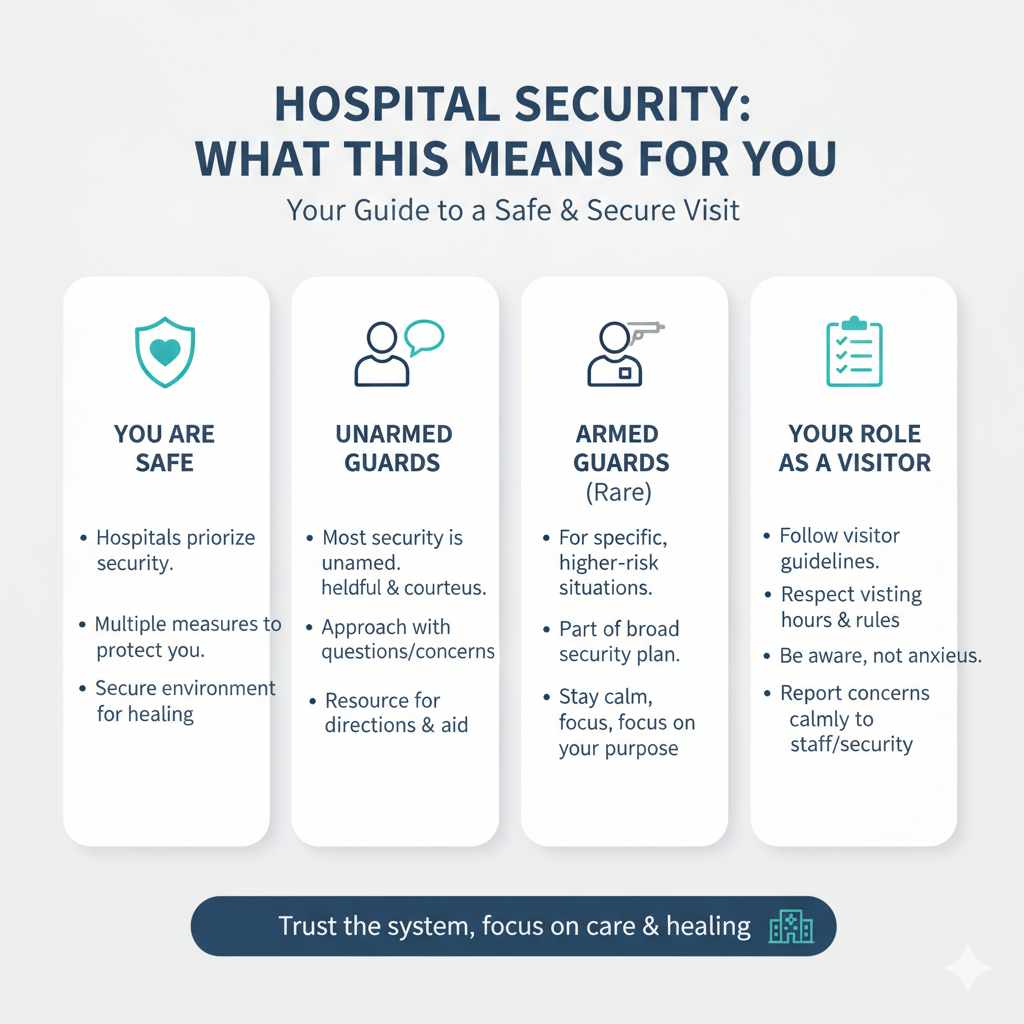
For most visits, the security you’ll encounter will be unarmed. These guards are there to help. They are trained to be professional and courteous.
If you need help finding your way, have a question, or witness something that seems concerning, they are a great resource. Don’t hesitate to approach them.
If you are visiting a hospital that you know has armed security, understand that this is usually a measure for specific, higher-risk situations. It doesn’t mean there is an immediate threat to you. It’s part of the institution’s broader security plan.
Try not to let their presence cause you undue anxiety. Focus on why you are there – to support or receive care.
Always follow the hospital’s visitor guidelines. These are in place for safety and to ensure a healing environment. This might include respecting visiting hours or not bringing in certain items.
Being a responsible visitor helps the security team do their job more effectively.
Your role is to be aware, but not overly anxious. Trust that the hospital has systems in place. If you ever feel unsafe or witness something that concerns you, the best thing to do is calmly report it to a staff member or security guard.
They are equipped to handle it.
Key Takeaways for Patients & Visitors
- Most guards are unarmed: Focus is on de-escalation.
- Security is layered: Cameras, access control, and more.
- High-risk sites may have armed guards: This is policy-driven.
- Report concerns: Inform staff or security if you feel unsafe.
- Follow visitor rules: Help maintain a safe environment.
Frequently Asked Questions About Hospital Security Guards
Are all hospital security guards required to have the same training?
No, training requirements can vary significantly by state and by the specific hospital or healthcare system. While all security guards typically receive basic training in areas like observation and reporting, those who are armed undergo much more extensive firearms and use-of-force training. Many hospitals also provide specialized training in de-escalation and healthcare-specific security protocols.
Can hospital security guards detain someone?
Hospital security guards generally have limited powers of detention. Their authority is typically to detain someone until law enforcement arrives, especially if they have probable cause that a crime has been committed or is about to be committed. The specific powers can vary by state law and hospital policy.
They are not law enforcement officers.
What is the difference between hospital security and police officers?
Hospital security guards are employees of the hospital and focus on maintaining safety and order within the facility. They typically have less authority than police officers. Police officers are sworn law enforcement officials with broader powers to investigate crimes, make arrests, and enforce laws both inside and outside the hospital.
Do hospitals have mental health specialists on their security teams?
While not always part of the security team itself, many hospitals employ mental health professionals who work closely with security. These professionals can assist in de-escalating situations involving patients experiencing mental health crises. Some security departments may have guards with specialized training in crisis intervention.
How do hospitals handle active shooter situations?
Hospitals have detailed emergency preparedness plans that include protocols for active shooter events. These plans often involve immediate lockdown procedures, communication systems to alert staff, evacuation routes, and coordination with local law enforcement for a swift response. Staff receive regular training on these procedures.
Is it legal for a hospital to arm its security guards?
Yes, it is generally legal for hospitals to arm their security guards, provided they comply with all state and local regulations regarding the licensing, training, and carrying of firearms by private security personnel. The decision to arm guards is a policy choice made by the hospital based on its risk assessment.
Conclusion
Navigating the world of hospital security can bring up many questions. The main takeaway is that most hospital security guards are unarmed. They rely on training and communication.
However, some high-risk facilities may employ armed personnel as part of a broader safety strategy. Understanding these nuances can help ease concerns. Hospitals prioritize safety.
They use many tools to keep everyone secure, from cameras to strong partnerships with police. Your awareness and cooperation contribute to this secure environment.