Are Hunter Boot Inserts Warm Enough For Winter?
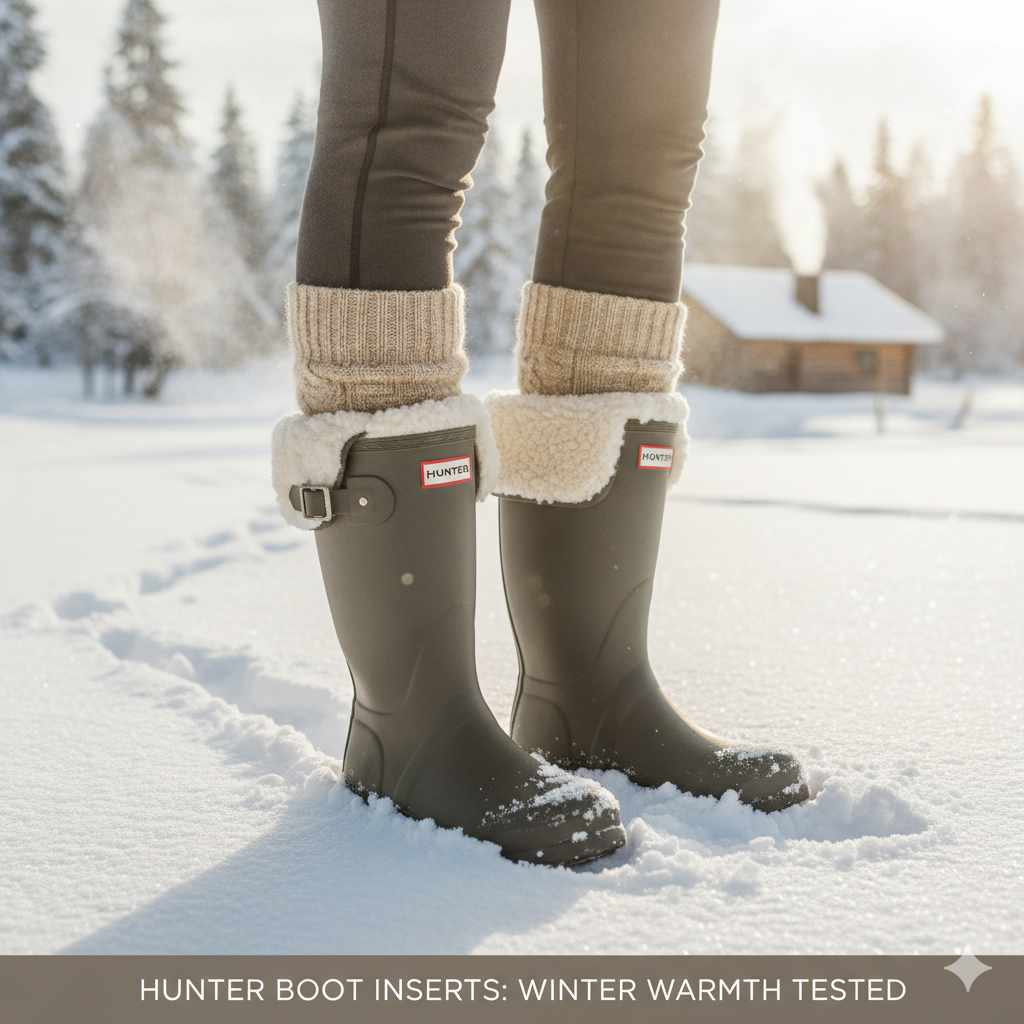
Hunter boot inserts are generally not warm enough on their own for true winter conditions in most climates. They add some cushioning and minimal insulation, but their primary purpose is comfort and fit. For significant cold, snow, or ice, you’ll likely need additional warming measures like thicker socks or specialized winter boot liners.
Understanding Hunter Boot Inserts
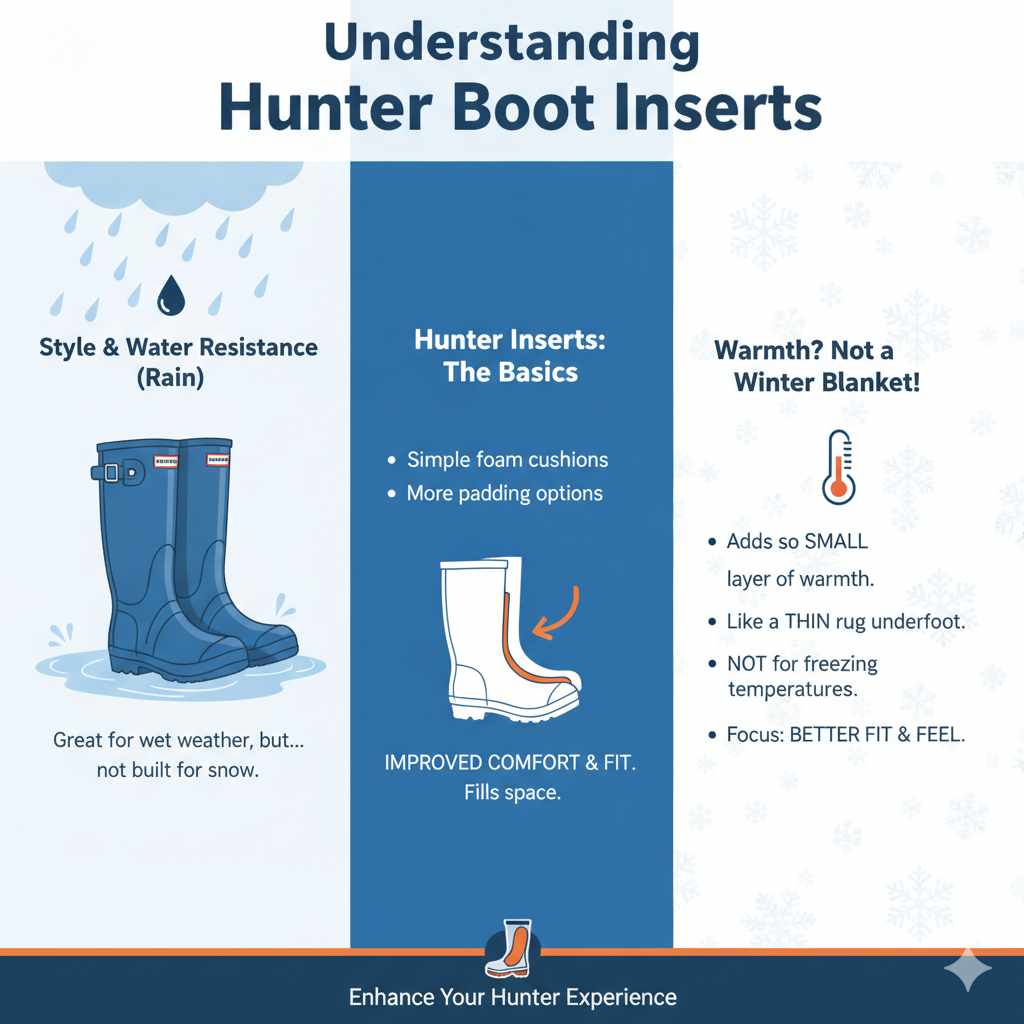
Hunter boots are known for their style and water resistance. Many people wear them for rainy days. But what about snow?
Hunter offers different types of inserts. Some are just simple foam cushions. Others have a bit more padding.
They help make the boot feel more comfortable. They can also help fill a bit of space if the boot is a little too big.
Think of them as adding a small layer of comfort. They are like a thin rug inside your house. It feels nicer underfoot.
It might keep your feet a tiny bit warmer than bare boot. But it’s not like wearing a thick winter blanket. They are not designed to be the main source of warmth for your feet in freezing temperatures.
Their focus is often on a better fit and feel.
How Warm Are They Really?
The warmth of Hunter boot inserts varies. Some are made with fleece. Others use a simple EVA foam.
EVA foam is light and comfy. It offers some small protection from cold floors. Fleece can add a little more heat.
But neither is a high-performance insulator. They are not built like a winter coat for your feet.
Most inserts are thin. They don’t have much space to trap warm air. Trapping air is key to staying warm.
Think about a down jacket. It has lots of fluffy down. This down traps air.
That air keeps you from losing body heat. Hunter inserts don’t have this kind of structure. So, they won’t keep your feet toasty in very cold weather.
Real-World Experiences with Cold Feet
I remember one winter day vividly. It was around Thanksgiving. We had an early snow.
I decided to wear my favorite black Hunter boots. I had them on with the basic fleece inserts. I was just running a few errands.
The snow wasn’t too deep. It was maybe only a couple of inches. The temperature was around 25 degrees Fahrenheit.
Within about 30 minutes of walking around town, I started to feel it. My toes got that pins-and-needles feeling. It was a cold ache.
I thought, “This isn’t right. These are supposed to be boots!” I had to rush back to my car. I put on thicker socks.
That helped a little. But I knew then that the inserts alone were not enough for a real winter day. It was a bit of a shock, honestly.
Hunter Boot Insert Types
Standard Fleece Inserts: These add a soft feel and a thin layer of fleece. They offer basic comfort and a little warmth. Good for cool, damp days.
Original Tall Inserts: Often a bit thicker than the standard. They are designed to give a snugger fit. They also provide some extra padding and warmth.
Sherpa-Lined Inserts: These are usually the warmest option Hunter offers. The sherpa lining is thicker and provides better insulation.
What Makes Feet Cold in Winter Boots?
Several things can make your feet cold. One is the outside temperature. If it’s very cold, your boots have to work harder.
Another is moisture. If your feet sweat, that moisture can make them feel colder. Wet socks are a big enemy of warm feet.
Hunter boots are waterproof on the outside. But if your feet sweat inside, that moisture can get trapped.
The design of the boot matters too. Hunter boots are often tall and slim. They are not usually bulky like winter snow boots.
Bulky boots have more space. This space can trap warm air. Hunter boots are more about a sleek look.
This sleekness can mean less room for thick insulation. The sole also plays a part. A thin sole can let cold from the ground seep through.
Common Winter Boot Problems
- Moisture: Sweat or melting snow makes feet cold.
- Poor Insulation: The boot material itself doesn’t hold heat well.
- Thin Soles: Cold from the ground gets through.
- Poor Fit: Too tight cuts off blood flow. Too loose lets cold air in.
- Lack of Air Pockets: Not enough space to trap warm air.
When Are Hunter Boots Okay for Winter?
Hunter boots can be great for certain winter conditions. Think about crisp, dry, cold days. If the temperature is just below freezing, say 30-32°F, and there’s no snow or ice, they might be fine.
Especially if you wear a good pair of wool socks.
They are also good for light snow that melts quickly. Or for walking through a little slush. Their waterproof nature is a big plus here.
You won’t get wet feet from puddles. But if the snow is deep, or the temperature is much lower, they start to struggle.
Here’s a quick look at scenarios:
Scenario Guide: Hunter Boots and Winter
- Dry, cold days (30-32°F)
- Light, wet snow
- Walking in slush
- Cool, rainy autumn days
- Temperatures below 20°F
- Deep snow
- Extended time in freezing weather
- Icy conditions (lack of grip)
Adding Extra Warmth: What You Can Do
If you love your Hunter boots but need more warmth, don’t despair! There are ways to boost their winter performance. The first and easiest step is your socks.
Thick wool socks are your best friend in cold weather. They trap air and wick away moisture. Avoid cotton socks at all costs.
Cotton holds onto moisture and makes your feet colder.
Next, consider specialized boot liners. These are like extra socks or sleeves that go inside your boot. Some are made of thick fleece or Thinsulate.
They add a significant layer of insulation. Hunter even makes their own fleece boot socks. These are designed to fit their boots perfectly.
They offer much more warmth than a standard insert.
You can also look at third-party thermal insoles. Some are made with materials like memory foam and Mylar. This Mylar can reflect your foot’s heat back towards your foot.
It acts like a mini thermal blanket. Always make sure any liner or insole you add doesn’t make the boot too tight. A boot that’s too tight restricts blood flow.
This will actually make your feet colder.
When to Choose Different Boots
For truly cold climates, or if you spend a lot of time outdoors in winter, Hunter boots might not be your primary choice. There are boots specifically designed for harsh winter conditions. These boots usually have:
- Thicker Insulation: Often rated for very low temperatures.
- Waterproof Materials: Designed to keep snow and ice out.
- Lugged Soles: For better grip on snow and ice.
- Roomier Fit: To allow for thick socks and air circulation.
Brands like Sorel, Bogs, and Columbia offer excellent winter boots. These boots are built from the ground up for cold weather. They might not have the same fashion appeal as Hunters.
But they will keep your feet warm and safe when the temperature plummets.
Winter Boot Features to Look For
- Temperature Rating: Check how cold the boot is designed for.
- Insulation Type: Thinsulate, down, or felt liners are common.
- Waterproofing: Essential for snow and slush.
- Grip: Good tread pattern for slippery surfaces.
- Height: Taller boots keep snow out.
The Role of Fit and Blood Flow
This is a crucial point that many people miss. Even the warmest boot won’t help if your feet can’t get enough blood flow. When your feet are too cold, your body sends blood to your core.
This leaves your extremities feeling the chill first. But if your boots are too tight, blood flow is restricted even more.
This is why adding too many layers inside a boot can be counterproductive. If you’re wearing thick socks and then trying to stuff in a very bulky liner, the boot might become too snug. You’ll end up with colder feet, not warmer ones.
It’s a balance. You need enough room for the insulation to work, but not so much room that cold air rushes in freely.
In real homes across the U.S., especially in colder regions, we learn this lesson quickly. A boot that’s too tight feels almost painful when it’s cold. You can feel the circulation slowing down.
It’s a discomfort that signals a problem with the fit.
What About Hunter’s Official Warm Liners?
Hunter does make official boot liners that are warmer. They offer fleece welly liners and sherpa-lined boot socks. These are specifically designed to fit inside their boots.
They provide more insulation than the standard thin inserts. The fleece liners add a cozy feel and some extra warmth. The sherpa-lined ones are even warmer, with a thicker, fluffy lining.
If you’re set on using your Hunter boots in colder weather, these official liners are a good investment. They are made to complement the boot’s design. They ensure a proper fit.
They also help prevent the boot from feeling too loose when you add warmth. They are a step up from basic inserts. But again, they are not a substitute for a true winter boot in extreme cold.
Hunter Boot Liners vs. Inserts
Inserts:
- Primary purpose: Comfort, fit, slight cushioning.
- Warmth: Minimal, adds a thin layer.
- Material: Often foam or thin fleece.
Official Liners/Socks:
- Primary purpose: Added warmth, snugger fit.
- Warmth: Significant, designed for colder temps.
- Material: Thicker fleece, sherpa, or wool blends.
When Is It Normal to Have Cold Feet in Hunter Boots?
It’s completely normal to have cold feet in Hunter boots when:
- The temperature is well below freezing (below 20°F).
- You are spending a long time outside in the cold.
- You are walking through deep snow or standing in snow.
- You are only wearing thin socks with them.
- The weather is very damp or wet for extended periods.
Hunter boots are excellent for their intended purpose: protection from rain and wet conditions. They are fashion-forward and practical for many outdoor activities. But they are not snow boots.
If your goal is to keep your feet warm on a snowy winter walk in a cold climate, they will likely fall short.
Simple Checks You Can Do
Before heading out in cold weather, do a quick check. First, feel the material of your inserts. Are they just a thin piece of foam?
Or do they have some soft lining? Then, consider the thickness of your socks. Are they thin dress socks, or thick wool socks?
Slip your foot into the boot with the socks you plan to wear. Can you wiggle your toes easily? If your toes feel cramped, the boot is too tight.
This means cold is likely. If there’s a lot of empty space, cold air can get in. You want a snug but not tight fit.
Try them on indoors. Wear them for 10-15 minutes. Do your feet start to feel chilled quickly?
This is a good indicator of how they will perform outside. If they feel cool indoors, they’ll be much colder outside.
Quick Tips for Warmer Feet
Here are some quick ways to make your feet warmer:
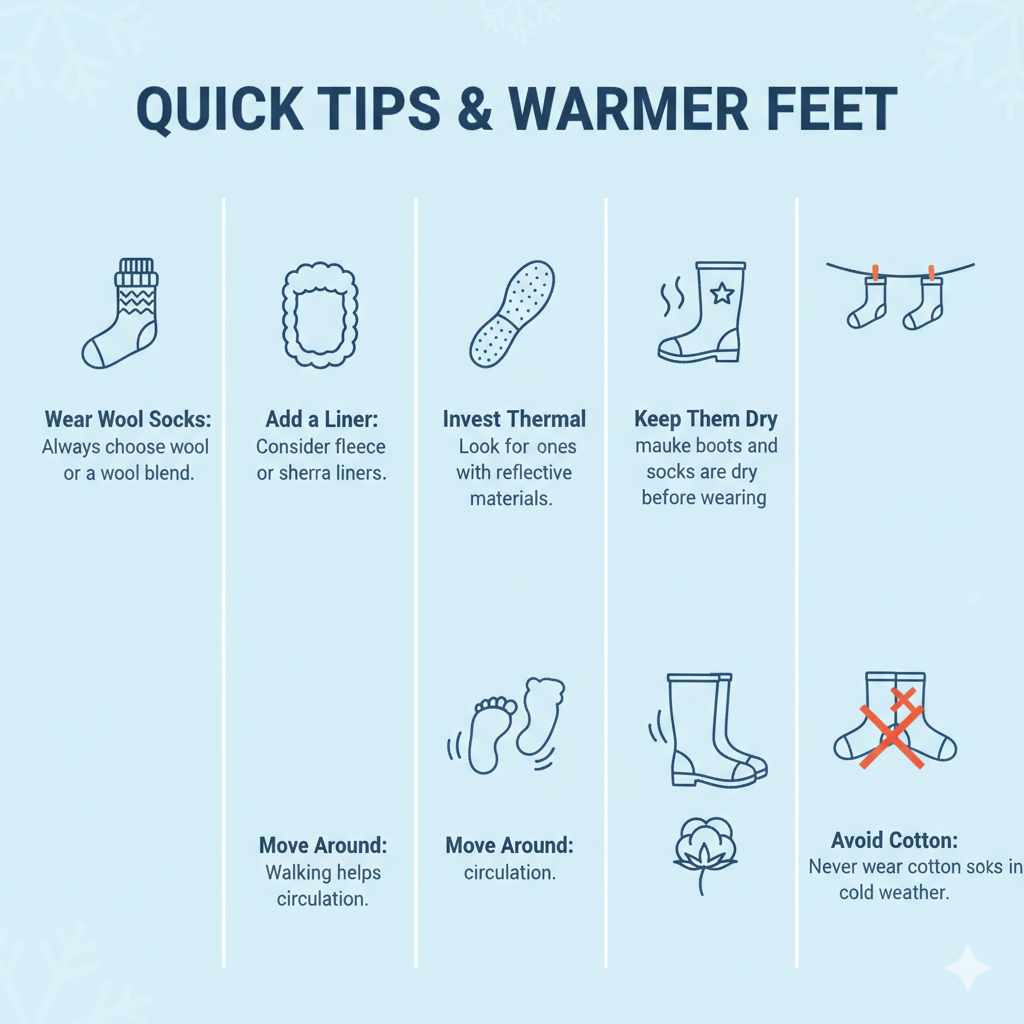
- Wear Wool Socks: Always choose wool or a wool blend.
- Add a Liner: Consider Hunter’s fleece or sherpa liners.
- Invest in Thermal Insoles: Look for ones with reflective materials.
- Keep Them Dry: Make sure boots and socks are dry before wearing.
- Move Around: Walking helps circulation.
- Avoid Cotton: Never wear cotton socks in cold weather.
Frequently Asked Questions about Hunter Boot Warmth
Are Hunter boots warm enough for snow?
Hunter boots are generally not warm enough for deep snow or extended periods in freezing temperatures. They are excellent for rain and slush, but lack the insulation needed for true winter snow conditions. You’ll likely need thicker socks and possibly liners.
Can I wear Hunter boots in very cold weather?
You can wear Hunter boots in cold weather, but their warmth is limited. For temperatures below 20°F or in snowy conditions, they are usually not sufficient on their own. Adding thick wool socks and official Hunter boot liners is recommended.
For extreme cold, consider dedicated winter boots.
What are the warmest Hunter boot inserts available?
The warmest options from Hunter are their sherpa-lined boot socks or thick fleece welly liners. These are designed to add significant warmth compared to basic foam or thin fleece inserts. Always check the product description for warmth ratings.
Do Hunter boot liners make a big difference?
Yes, Hunter boot liners can make a big difference in warmth. They provide an extra layer of insulation that standard inserts do not. They help trap more heat and can make your boots suitable for cooler temperatures.
They also help improve the fit.
How can I make my Hunter boots warmer without buying new ones?
You can make your Hunter boots warmer by pairing them with thick wool socks and adding warmer liners. Hunter offers official fleece and sherpa-lined options. You can also find aftermarket thermal insoles designed to add extra warmth and reflect heat.
Are Hunter boots waterproof in snow?
Hunter boots are waterproof, meaning they will keep your feet dry from external moisture like rain and slush. However, they are not designed to be snow boots. The tops can let snow in, and they lack the insulation to keep your feet warm in very cold, snowy conditions.
Conclusion: Smart Choices for Cozy Feet
So, are Hunter boot inserts warm enough for winter? Usually, no, not on their own. They add comfort but minimal warmth.
For real winter conditions, you’ll need more. Think thick wool socks and specialized liners. For extreme cold, dedicated winter boots are your best bet.
Making smart choices keeps your feet happy and warm.