Are Horses Harmed To Make Violin Bows?
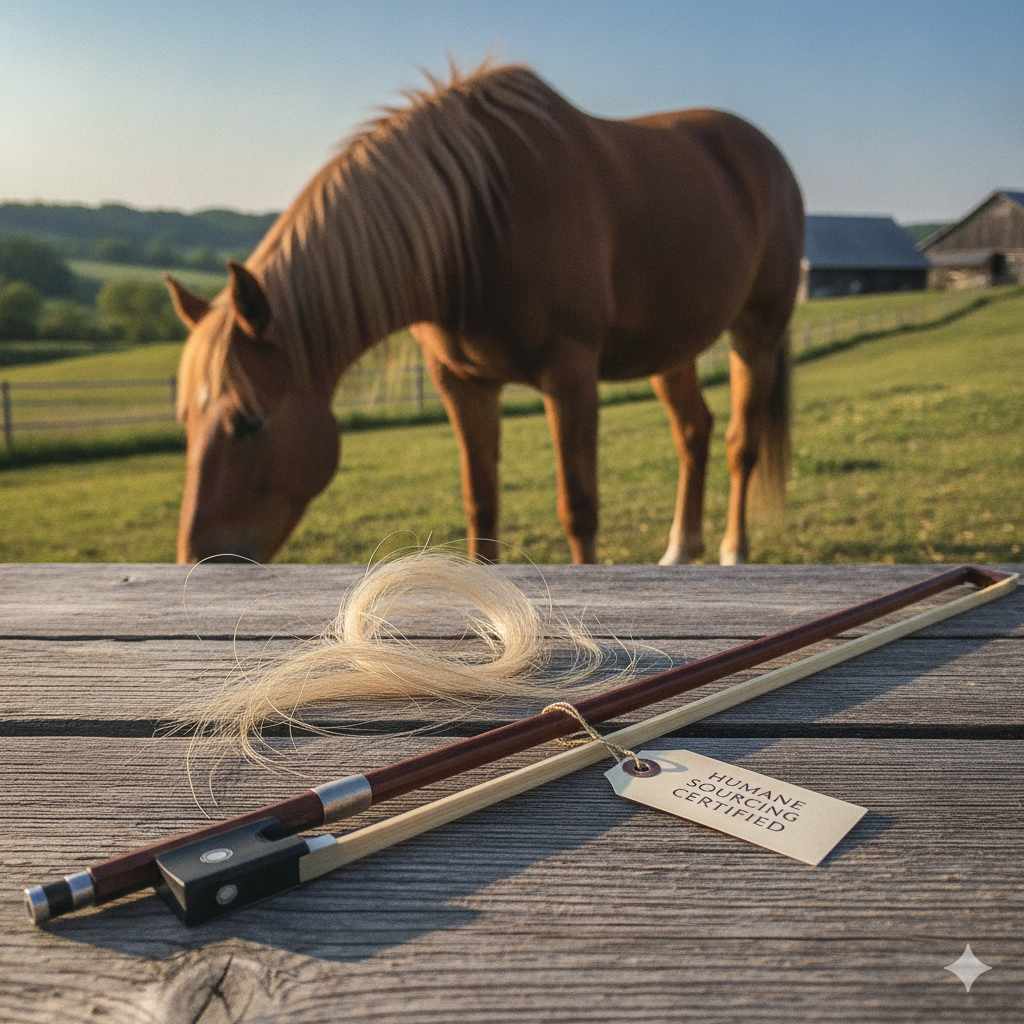
The primary material for violin bow hair comes from the tails of horses. However, ethical harvesting practices ensure that horses are not harmed or killed for their hair. The hair is typically collected from living horses through a process called combing or brushing, similar to how human hair is collected.
The Unveiling of Violin Bow Materials
Violin bows are intricate tools. They create the sound we love from string instruments. Many parts go into making a bow.
Each part plays a vital role. Understanding these parts helps us see the whole picture. It answers the question about where the hair comes from.
It also sheds light on other materials used.
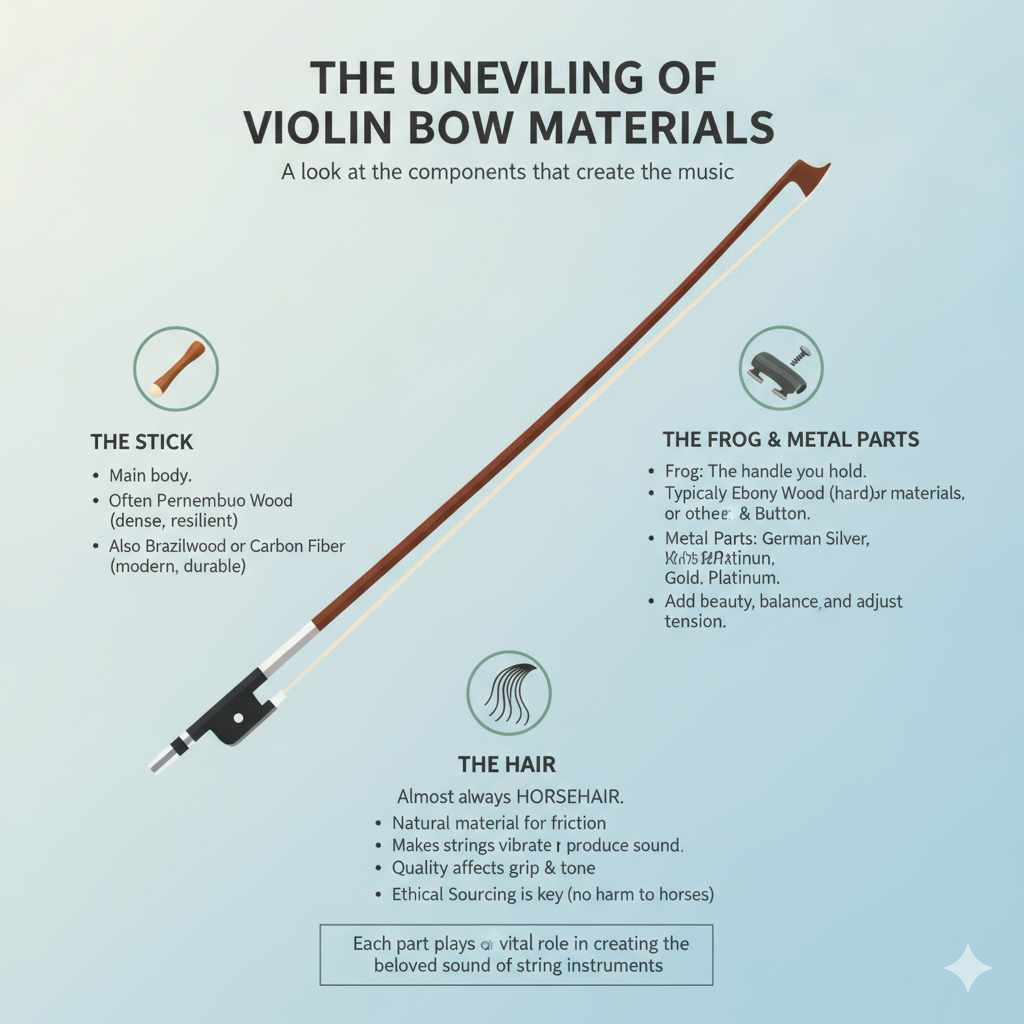
The stick of the bow is often made from wood. Pernambuco wood is a very popular choice. It’s known for its density and resilience.
Other woods like Brazilwood are also used. Sometimes, carbon fiber is chosen. It’s a modern and durable option.
The frog is the part you hold. It’s usually made of ebony wood. It can also be made of other hard materials.
Metal parts, like the ferrule and the button, are made of common metals. These can include nickel silver or German silver. They might also be made of gold or even platinum for very high-end bows.
These metals add beauty and balance. They help secure the hair and adjust tension.
And then there’s the hair itself. This is where the main concern often lies. The hair used is almost always horsehair.
It’s a natural material with unique properties. These properties are essential for creating friction. This friction makes the strings vibrate.
It produces the violin’s sound. The quality of the hair matters a lot. It affects how well the bow grips the strings.
It also impacts the tone of the instrument.
My Own Bow-Making Journey and a Moment of Doubt
I remember visiting a luthier’s workshop a few years ago. It was a fascinating experience. The air smelled of wood dust and varnish.
Tools were laid out neatly. The luthier, a kind older gentleman named Mr. Henderson, was working on a bow.
He showed me a bundle of raw horsehair. It was long and slightly coarse. He explained how it was sourced.
I asked him directly about the horses.
“Do you ever worry about where this comes from?” I asked. My voice was a bit shaky. I felt a knot of anxiety in my stomach.
I pictured horses in distress. Mr. Henderson smiled gently.
He saw my concern. “Ah, yes,” he said. “That’s a very common and important question.
Let me show you.”
He then explained the process in detail. He spoke of farms where horses are raised. These farms are often focused on their breeding stock.
The hair is a byproduct. It’s not the primary reason for raising the horses. This explanation started to ease my worries.
But I still wanted to understand more. I wanted to be absolutely sure.
Horsehair: More Than Just Strands
Why Horsehair?
Horsehair is chosen for its unique qualities. It has microscopic scales. These scales grip the violin string.
This grip creates the friction needed for sound. Other materials just don’t do the job as well. They can’t produce the same nuanced tone.
Natural Collection
The hair is collected without hurting the animal. It’s usually gathered from the tail. This is done by combing or brushing.
Think of it like grooming a pet. The horses are not harmed in the process. The hair grows back over time.
It’s a renewable resource.
Real-World Context: Farms and Families
The reality of where violin bow hair comes from is often rooted in agricultural communities. Many horsehair suppliers work with horse farms. These farms raise horses for various reasons.
Some are for riding or racing. Others are for breeding. The tails of these horses are naturally shed or can be combed.
In many places, especially in parts of Russia and South America, horse husbandry is a long-standing tradition. The horses are valued for their strength and health. The collection of tail hair is a careful process.
It is done by experienced individuals. They understand how to gather the hair without causing discomfort to the animal. This practice has been passed down through generations.
It’s not about a single animal being subjected to cruelty. It’s about a natural byproduct of animal care and life. The hair itself is a long, strong fiber.
It needs to be processed. This involves cleaning and sorting. The best hair is selected for making bows.
This ensures high quality for the musician.
The economic aspect also plays a role. For some farming families, selling horsehair can provide an additional income stream. This income can help support their farms and their animals.
It’s a symbiotic relationship. The horse is cared for. The bow maker gets a vital material.
The musician gets to play beautiful music.
What This Means for You: Understanding the Source
Knowing where violin bow hair comes from offers peace of mind. It means you can enjoy your music without guilt. The process is generally ethical.
Horses are not harmed for their hair. They are living animals whose tails are groomed. The hair is a natural material that is collected.
It’s similar to how we might shear sheep for wool.
You might wonder if there are ever exceptions. Like any industry, there can be bad actors. However, the vast majority of suppliers adhere to ethical standards.
Reputable bow makers and suppliers are transparent. They will often tell you where their hair comes from. If you are ever concerned, it’s always good to ask.
Look for bow makers who are open about their materials. Many will proudly state that they use ethically sourced horsehair. This transparency is a sign of good practice.
It shows they care about both the instrument and the animals. The quality of the hair also often reflects the care taken in its collection.
Common Bow Hair Questions
Length and Quality:
Good bow hair is long. It can be up to 30 inches. It must be strong.
It needs to be supple. White horsehair is often preferred. It’s believed to be the strongest and best for grip.
Processing Steps:
After collection, the hair is cleaned. It’s then bleached or dyed. It is straightened.
Finally, it’s sorted by quality and length. This ensures consistency for bow makers.
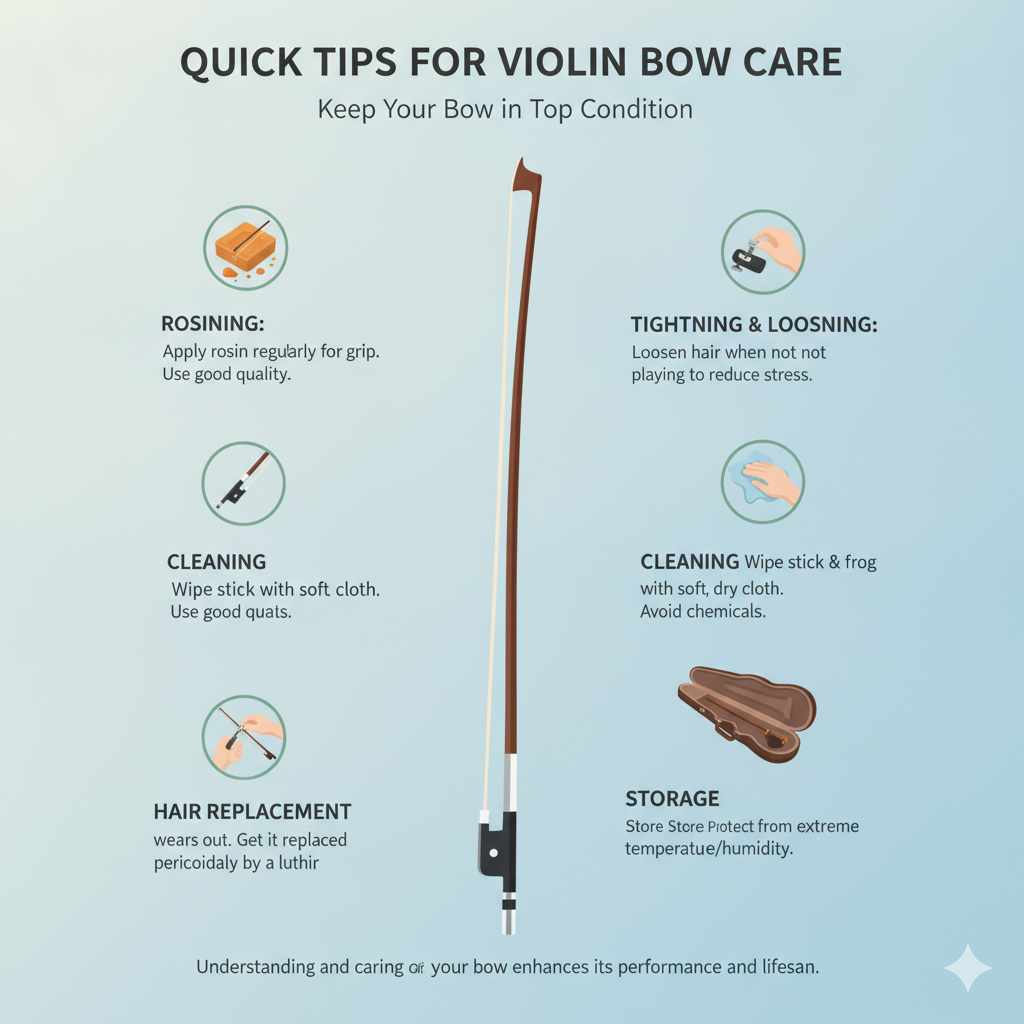
Quick Tips for Bow Care and Understanding
Understanding your bow helps you appreciate it. It also helps you care for it better. When you know the materials, you can make informed choices.
This includes how you maintain your bow.
- Rosining: Regularly apply rosin to your bow hair. This helps the hair grip the strings. Use a good quality rosin.
- Tightening and Loosening: Loosen the bow hair when you are not playing. This reduces stress on the stick. Tighten it just enough for playing.
- Cleaning: Wipe down the bow stick and frog. Use a soft, dry cloth. Avoid harsh chemicals.
- Storage: Store your bow in its case. Keep it away from extreme temperatures or humidity.
- Hair Replacement: Bow hair wears out over time. It needs to be replaced periodically. A luthier can do this for you.
Horsehair vs. Synthetic Bow Hair
Horsehair Pros:
- Superior grip and articulation.
- Rich, warm tone.
- Responsive feel.
Horsehair Cons:
- Can be affected by humidity.
- Needs regular rehairing.
- Ethical sourcing requires attention.
Synthetic Hair Pros:
- Durable and consistent.
- Less affected by weather.
- No ethical animal concerns.
Synthetic Hair Cons:
- Tone can be less rich.
- Grip might be less nuanced.
- May feel less responsive.
Frequently Asked Questions About Violin Bows and Horsehair
What is the most common material for violin bow hair?
The most common material for violin bow hair is horsehair. It is highly valued for its natural grip on the strings, which allows for nuanced bowing and tone production. While synthetic alternatives exist, natural horsehair remains the standard for most professional and student bows.
How is horsehair collected for violin bows?
Horsehair is typically collected from the tails of living horses. This is done through combing or brushing, much like grooming a pet. The process does not harm the horses, as the hair is a natural byproduct of their grooming and shedding.
It is a sustainable practice.
Are horses harmed or killed to make violin bows?
No, horses are not harmed or killed to make violin bows. The hair used is collected from their tails through ethical grooming methods. The animals are not subjected to cruelty or distress for this material.
It is a common misconception that their lives are endangered.
Where does most violin bow horsehair come from?
The majority of horsehair for violin bows comes from regions like Russia, Mongolia, and South America. These areas have large horse populations and established practices for collecting tail hair ethically as part of horse husbandry and care.
Can I use synthetic hair for my violin bow?
Yes, synthetic hair is an option for violin bows. It is more durable and less affected by humidity changes than natural horsehair. However, many musicians prefer the unique tonal qualities and responsiveness that only natural horsehair can provide.
It is a matter of personal preference and budget.
How often does violin bow hair need to be replaced?
Violin bow hair typically needs to be
What makes horsehair good for bowing?
Horsehair has microscopic scales along its length. These scales create friction when the hair rubs against the violin string. This friction is what makes the string vibrate and produce sound.
The quality of the hair affects the grip and thus the tone and control a violinist has.
Conclusion: The Harmony of Music and Ethics
So, to answer the central question: no, horses are not harmed to make violin bows. The beautiful sound we associate with the violin is, in large part, thanks to ethically sourced horsehair. It’s a natural material gathered with care.
This ensures that the art of music can flourish without causing distress to animals. You can enjoy the rich tones of your violin with a clear conscience. The process is one of respect for both the musician and the animal.