Are Federal Prison Guards Armed On Duty?
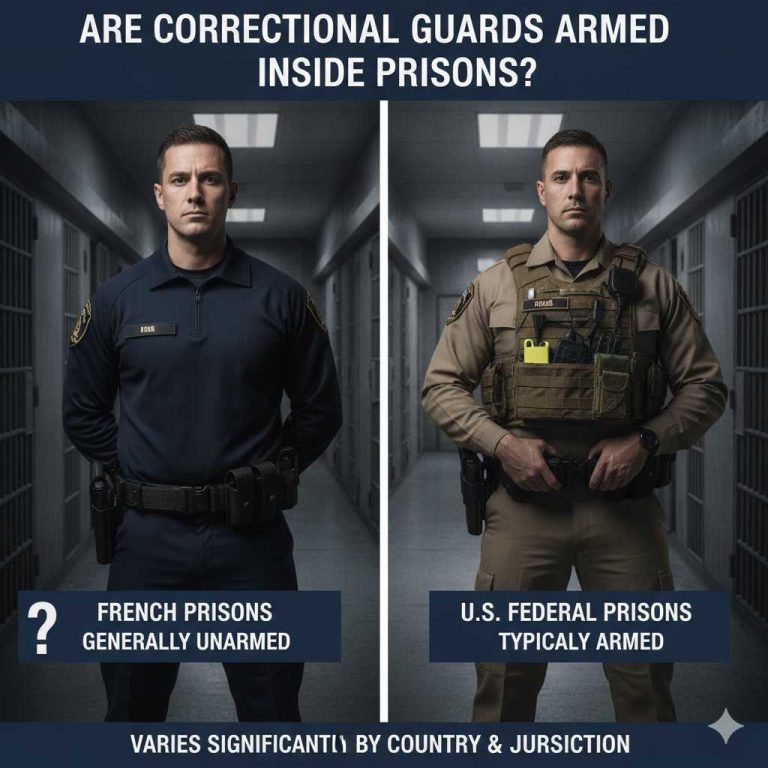
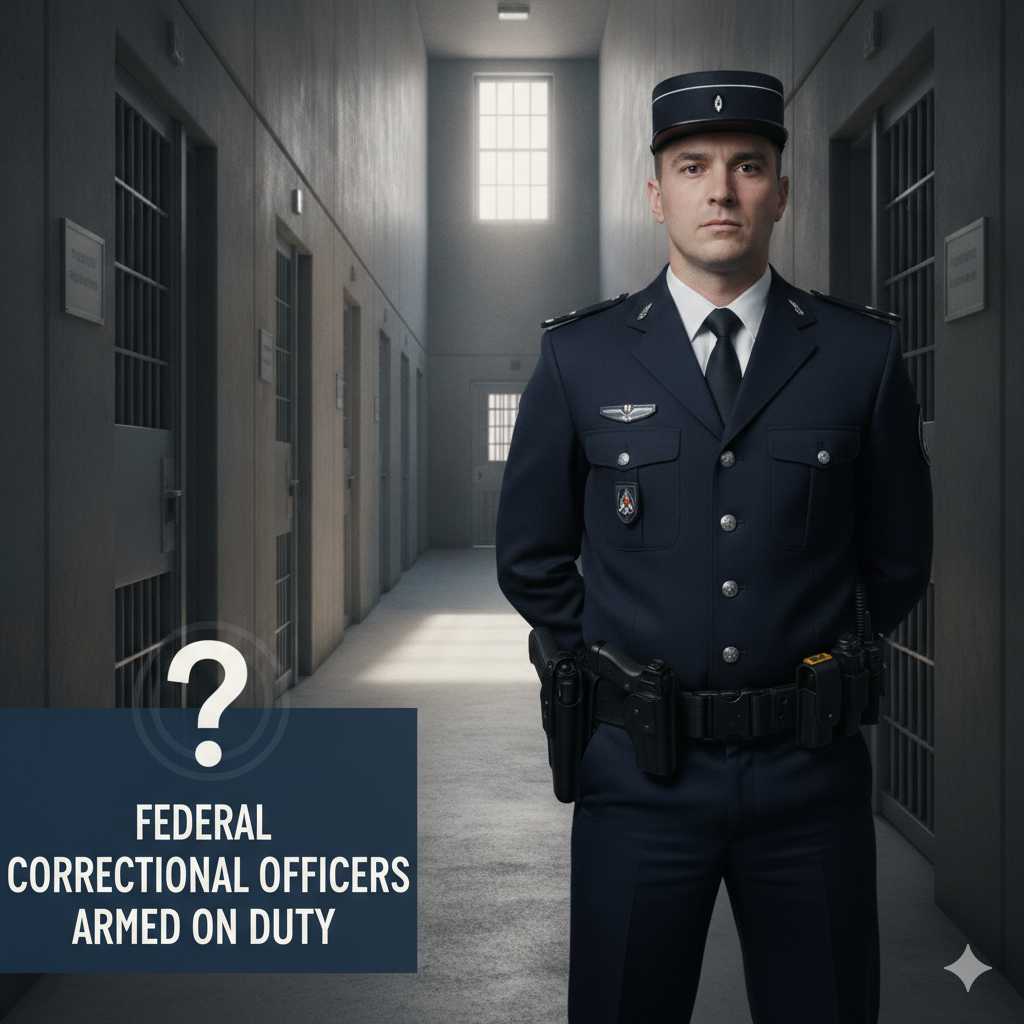
Federal prison guards are armed on duty. This is a critical safety measure in correctional facilities. The specific types of firearms and the rules for their use can vary based on the facility and the guard’s role.
The Role of Armed Officers in Federal Prisons
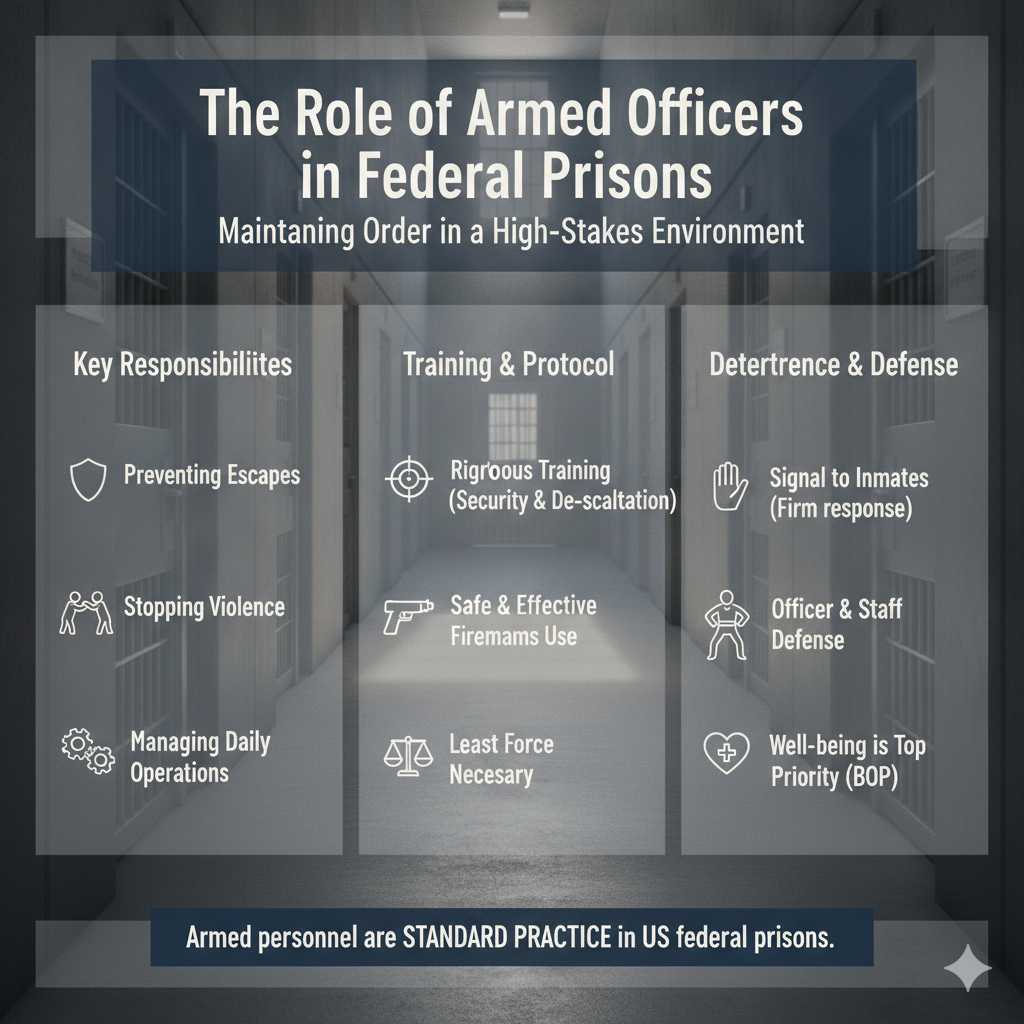
Federal correctional officers have a tough job. They are tasked with maintaining order and ensuring security within a high-stakes environment. This means preventing escapes, stopping violence, and managing daily operations.
Because of the potential dangers, having armed personnel is a standard practice in federal prisons across the United States.
These officers are trained professionals. They go through rigorous training programs. This training covers not only security protocols but also how to de-escalate tense situations.
It also includes how to use their firearms safely and effectively if a situation demands it. The goal is always to use the least amount of force necessary.
The presence of firearms is a deterrent. It helps to signal to inmates that unauthorized actions will be met with firm response. It also provides a means of defense for the officers themselves and for other staff members.
The well-being of every person on the grounds is a top priority for the Federal Bureau of Prisons (BOP).
A Day in the Life: Experience of an Officer
I remember my first few months as a correctional officer. It felt like a whole different world. You hear about things, you train for things, but actually being there is another story.
I was on duty in a medium-security facility. We were doing a routine cell search. Suddenly, there was a surge of tension in the block.
Two inmates had gotten into a verbal argument. It was escalating fast. You could feel the energy shift.
My heart started pounding. We had been taught that communication and distance are your best friends. But when words turn into aggressive stances, your training kicks in.
I could see my fellow officers subtly adjusting their positions.
My hand instinctively moved toward my duty belt, where my firearm was holstered. It wasn’t a conscious decision to grab it, but more a practiced readiness. The officers on the scene did an excellent job of intervening verbally.
They used clear, firm commands. They managed to separate the individuals before any physical fight broke out. It was a stark reminder of why the tools we carry are there, and the constant vigilance required.
Officer Training and Firearm Qualification
Federal correctional officers undergo extensive training. This includes:
- Firearms Proficiency: Regular shooting practice to maintain accuracy.
- Use of Force: Learning when and how to use force, including deadly force.
- Tactical Operations: Skills for responding to emergencies like riots or hostage situations.
- De-escalation Techniques: Methods to calm tense situations without force.
- Legal Standards: Understanding the laws surrounding the use of firearms.
These training modules ensure officers are prepared for a range of scenarios they might face.
Understanding the Different Roles and Armament
Not every federal correctional officer is armed in the same way, or even armed at all times. The Bureau of Prisons has different security levels for its facilities. These range from minimum to administrative and maximum security.
Each level has specific security needs and protocols.
In higher-security facilities, like maximum-security prisons, officers on the housing units, in control centers, and escorting inmates are typically armed. They carry standard-issue sidearms. These are usually semi-automatic pistols.
They also have access to other less-lethal tools like pepper spray or batons.
In lower-security facilities, the approach might be different. While firearms are still present and accessible, not every officer on every post may be carrying a weapon. There are specialized units, such as the Special Operations Response Team (SORT).
These teams are highly trained and equipped to handle critical incidents. They often have access to more robust tactical gear, including rifles or shotguns, when the situation warrants.
The key is that the decision of who is armed and with what is based on a thorough risk assessment. The safety of staff, inmates, and the public is always the primary consideration. This layered approach ensures appropriate security measures are in place for each specific correctional environment.
Security Levels and Armament Considerations
| Security Level | Typical Armament Approach | Officer Roles Often Armed |
|---|---|---|
| Minimum Security | Firearms available, but not all officers may carry daily. Focus on perimeter security. | Perimeter patrol, roving posts. |
| Medium Security | Most officers on housing units, control rooms, and escort duties are armed. | Housing unit officers, control room operators, escort teams. |
| Maximum Security | Nearly all staff in direct inmate contact or control areas are armed. Enhanced security measures. | Housing unit officers, yards, control centers, escort teams, specialized units. |
| Administrative Facility | Mixed-security population. Armament varies based on specific housing units and population risks. | Varies greatly. Based on inmate classification and unit specific risks. |
This is a general guideline. Specific protocols are set by the institution.
Policies and Procedures: Rules of Engagement
The rules for when and how federal correctional officers can use their firearms are very strict. These are known as the “Rules of Engagement.” They are designed to ensure that force is used only when absolutely necessary and in accordance with the law.
Officers are authorized to use deadly force to protect themselves or others from an imminent threat of death or serious bodily injury. This is a high standard. It means the danger must be immediate and severe.
It’s not about punishment or mere disobedience.
There are also protocols for warning shots, though these are rare and highly controlled. The primary focus is on preventing harm. This includes situations like riots, attempts to kill or seriously injure someone, or active escape attempts that pose a threat.
After any use of force involving a firearm, there is a thorough investigation. This is standard procedure. It ensures that the actions taken were justified and followed all policy guidelines.
Transparency and accountability are vital components of the correctional system.
The Federal Bureau of Prisons (BOP) has detailed directives and policies that govern these actions. These documents are regularly reviewed and updated to reflect best practices and legal requirements. Every officer is trained on these policies repeatedly throughout their career.
Key Principles of Use of Force
Imminent Threat: Force can only be used if there’s a clear and present danger of death or serious injury.
Necessity: The use of force must be necessary to stop the threat.
Proportionality: The level of force used should be in proportion to the threat faced.
Objectivity: Decisions must be based on objective reasonableness, not on the officer’s feelings.
Investigation: All incidents involving force are reviewed.
The Human Element: Officer Stress and Decision-Making
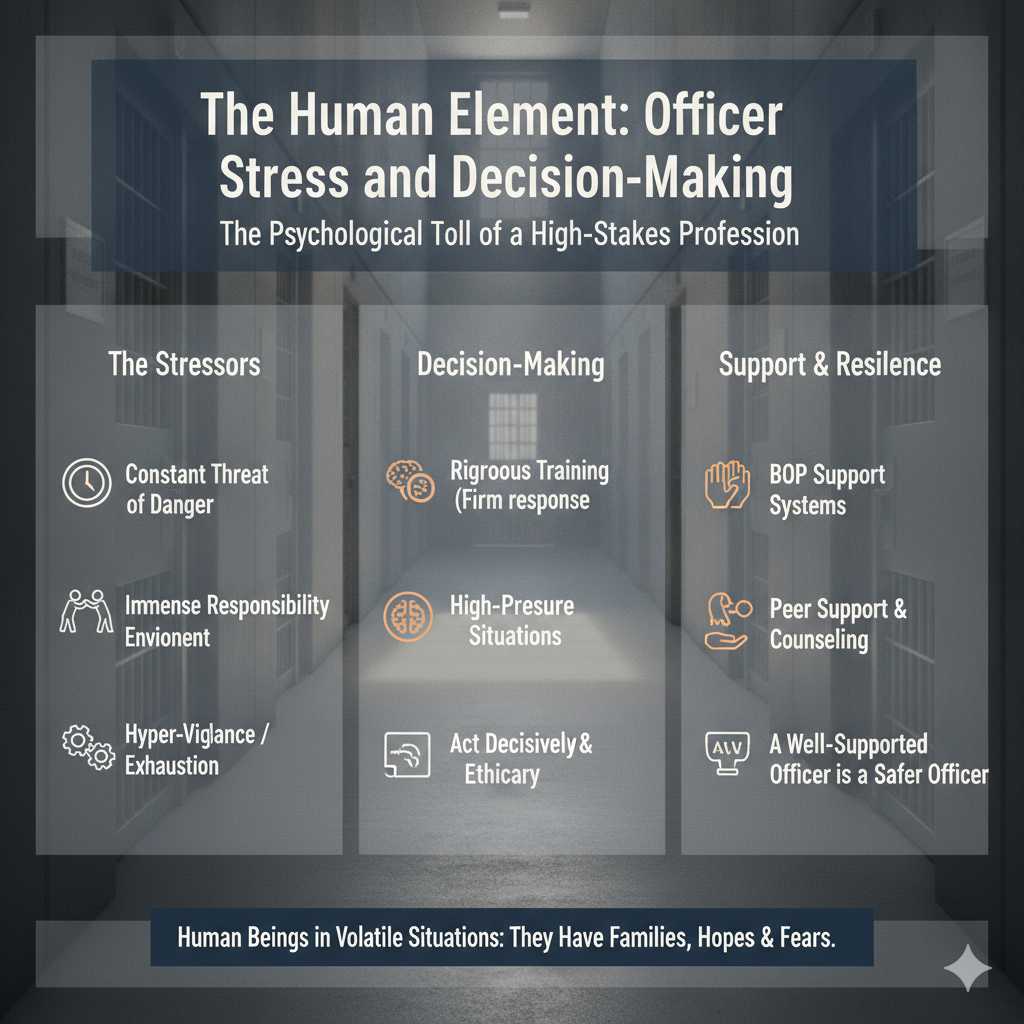
Working in a federal prison is incredibly stressful. The constant threat of danger, the confined environment, and the immense responsibility weigh heavily on officers. This stress can impact decision-making, especially in high-pressure situations.
I’ve seen seasoned officers struggle with the mental toll. It’s not just about physical readiness; it’s about mental resilience. You’re always on alert.
Your senses are heightened. Sometimes, this hyper-vigilance can be exhausting. The decision to use a firearm is never taken lightly.
It is often the last resort.
The training aims to prepare officers for these moments. It helps them to act decisively and ethically. But the reality is that these are human beings in highly volatile situations.
They have families, hopes, and fears just like anyone else.
Support systems within the BOP are crucial. These include peer support programs, counseling services, and mental health resources. These are there to help officers cope with the unique challenges of their profession.
A well-supported officer is a safer officer, for themselves and for everyone else.
Officer Well-being Strategies
- Mental Health Support: Access to counselors and psychologists.
- Peer Support Groups: Talking with colleagues who understand the pressures.
- Critical Incident Stress Management: Programs to help cope after traumatic events.
- Physical Fitness Programs: Maintaining good health aids mental resilience.
- Clear Policies and Training: Knowing the rules reduces ambiguity in stressful moments.
What This Means for Inmates and Visitors
For inmates, the presence of armed officers is a constant reality. It reinforces the fact that they are in a secure facility and that rules must be followed. It contributes to the overall control and order within the prison.
For visitors, the security measures, including armed guards, are visible from the moment they arrive. The correctional officers ensure that all visitors follow the strict entry and visitation rules. This is a vital part of maintaining security and preventing contraband from entering the facility.
The armed presence is a key component of the overall security architecture. It’s not just about the physical act of carrying a weapon. It’s about the authority and responsibility that comes with it.
This authority helps to manage a population that is often at high risk.
It is important for inmates and visitors to understand that the officers are there to enforce rules and maintain safety. Their role is to ensure the security of the institution, which benefits everyone within its walls and the public outside.
Alternatives and Less-Lethal Options
While firearms are a critical tool for federal correctional officers, they are not the only means of ensuring safety. The BOP emphasizes a “toolbelt” approach, meaning officers have a range of options available.
Less-lethal weapons are frequently used. These include:
- Pepper Spray (OC Spray): Effective for incapacitating individuals without causing permanent harm.
- Baton: Used for compliance and to create distance.
- Tasers: Conducted energy weapons that can temporarily incapacitate a subject.
- Restraints: Handcuffs, leg restraints, and security belts are essential for control.
In addition to these tools, communication and de-escalation are paramount. Officers are trained in verbal judo and crisis intervention techniques. The goal is always to resolve situations peacefully if possible.
The use of force, especially deadly force, is always the last resort.
There are also strategic security measures. This includes the design of the facility, surveillance systems, and strict routines. These help to prevent situations from escalating to a point where weapons are needed.
When is an Officer NOT Armed?
It’s worth noting that there are certain situations or roles where federal correctional officers might not be carrying a firearm on their person.
- Administrative Roles: Officers in purely administrative or support roles that do not involve direct inmate contact or security functions may not carry a weapon during their daily duties.
- Specific Posts: Certain low-risk posts within a facility might not require an armed officer, although firearms would still be readily available nearby.
- Training and Education Roles: Instructors or officers conducting certain types of training might operate under different protocols.
- Off-Duty: When off duty, correctional officers are subject to the same laws as any other citizen regarding firearm possession, unless they are on official duty for specific reasons.
However, it’s crucial to understand that even in these instances, the institution’s overall security plan ensures that armed personnel are available and that weapons are secured appropriately. The overall facility remains under constant security oversight.
The Evolving Landscape of Prison Security
The methods and tools used in federal correctional facilities are not static. They evolve as new technologies emerge and as our understanding of security and rehabilitation deepens. The Bureau of Prisons continuously reviews and updates its policies and procedures.
This includes looking at advancements in less-lethal technologies. It also involves studying best practices from other correctional systems and law enforcement agencies. The aim is to create the safest possible environment for everyone involved.
There’s also a growing emphasis on programs designed to address the root causes of criminal behavior and to foster rehabilitation. While security remains the primary concern, a focus on positive change for inmates can also contribute to a safer environment in the long run.
The training for correctional officers also adapts. It incorporates new research on human behavior, conflict resolution, and tactical response. This ensures that officers are equipped with the most current and effective skills to manage the complex challenges of their role.
Frequently Asked Questions
Are all federal prison guards armed?
No, not all federal prison guards are armed at all times. While many officers on duty, especially those in direct inmate contact or security roles, carry firearms, others in administrative or support positions may not. The decision to arm an officer is based on their role, the facility’s security level, and the specific duties they perform.
What kind of guns do federal prison guards carry?
Federal correctional officers typically carry standard-issue semi-automatic pistols. These are reliable and effective sidearms. Specialized units might have access to other types of firearms, like rifles or shotguns, depending on the tactical situation and their unit’s operational needs.
Can federal prison guards shoot inmates?
Federal prison guards are authorized to use deadly force, including their firearms, only when there is an imminent threat of death or serious bodily injury to themselves or others. This is a strict policy based on self-defense and defense of others, not for punishment or to enforce simple rules.
How often do federal prison guards practice shooting?
Federal correctional officers undergo regular firearms training and qualification. This means they must demonstrate proficiency with their service weapon at scheduled intervals to ensure they can use it safely and effectively if needed. The frequency of these qualifications is part of their ongoing professional development.
What happens if a federal prison guard uses their firearm?
If a federal prison guard uses their firearm, a thorough investigation is immediately conducted. This process examines the circumstances, the officer’s actions, and adherence to the Bureau of Prisons’ use-of-force policies. The goal is to ensure accountability and that the force used was justified and lawful.
Are there unarmed guards in federal prisons?
Yes, there are roles within federal correctional facilities that do not require an officer to be armed. These often involve administrative tasks, civilian support roles, or specific posts deemed lower risk. However, the overall facility security plan ensures that armed personnel are always present and accessible.
Final Thoughts
The question of whether federal prison guards are armed is straightforward: yes, they are, and it’s a critical aspect of prison safety. Their training, policies, and the tools they carry are all designed to maintain order and protect lives. It’s a complex system built on vigilance and professional responsibility.