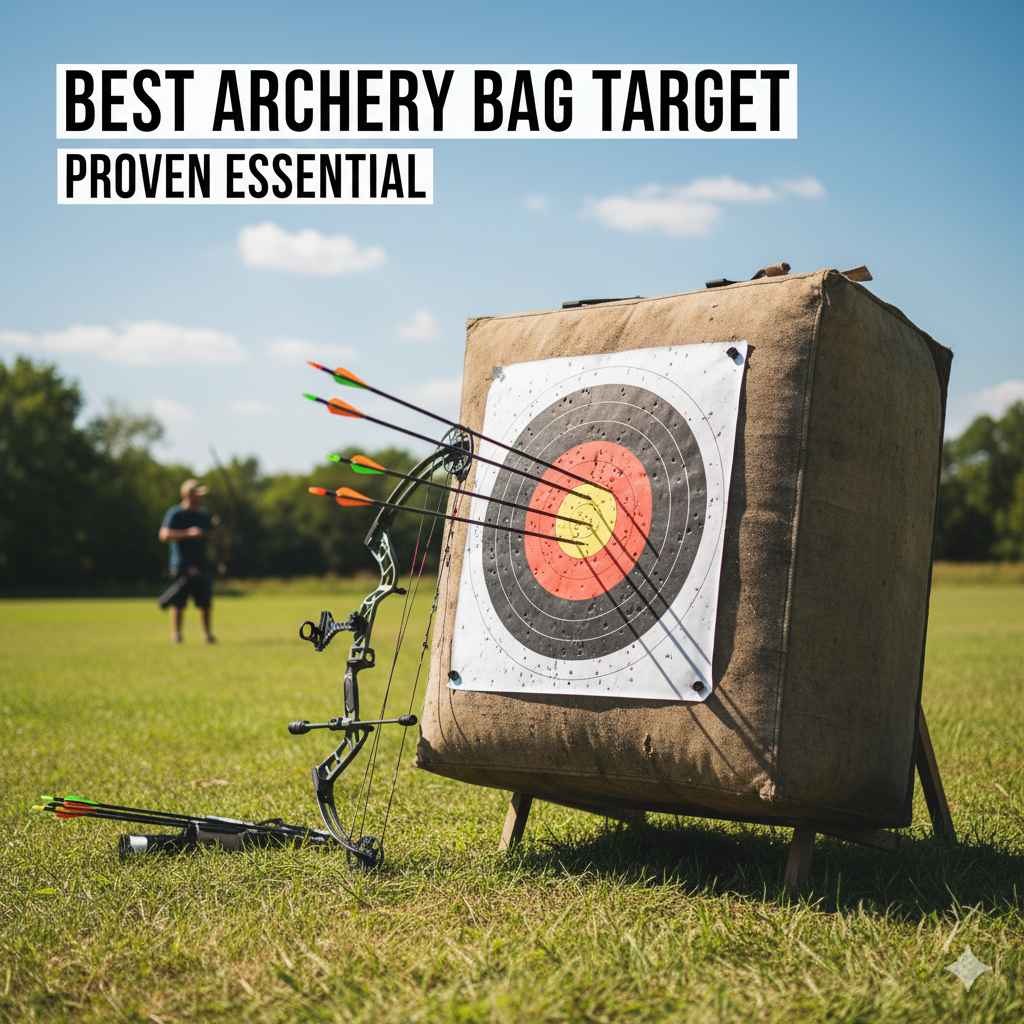
The best archery bag target, often a multi-layered, dense foam or fabric construction, is a proven essential for archers of all levels. It reliably stops arrows, offers excellent durability, and is crucial for practicing safely and effectively at home or the range. Choosing the right one ensures your arrows last and your practice sessions are productive.
Learning archery is exciting, and hitting that bullseye feels amazing! But when you’re starting out, figuring out the right gear can feel a little overwhelming. One piece of equipment that’s absolutely key, yet sometimes overlooked, is your target. You need something safe and reliable to shoot at. Without the right target, your arrows might fly off course, get damaged, or just not give you the feedback you need to improve. Don’t worry, though! We’re going to break down exactly what makes a great archery bag target and how to choose the perfect one for you. We’ll cover everything from what to look for to why it’s such a vital part of your archery journey.
Why an Archery Bag Target is Your New Best Friend
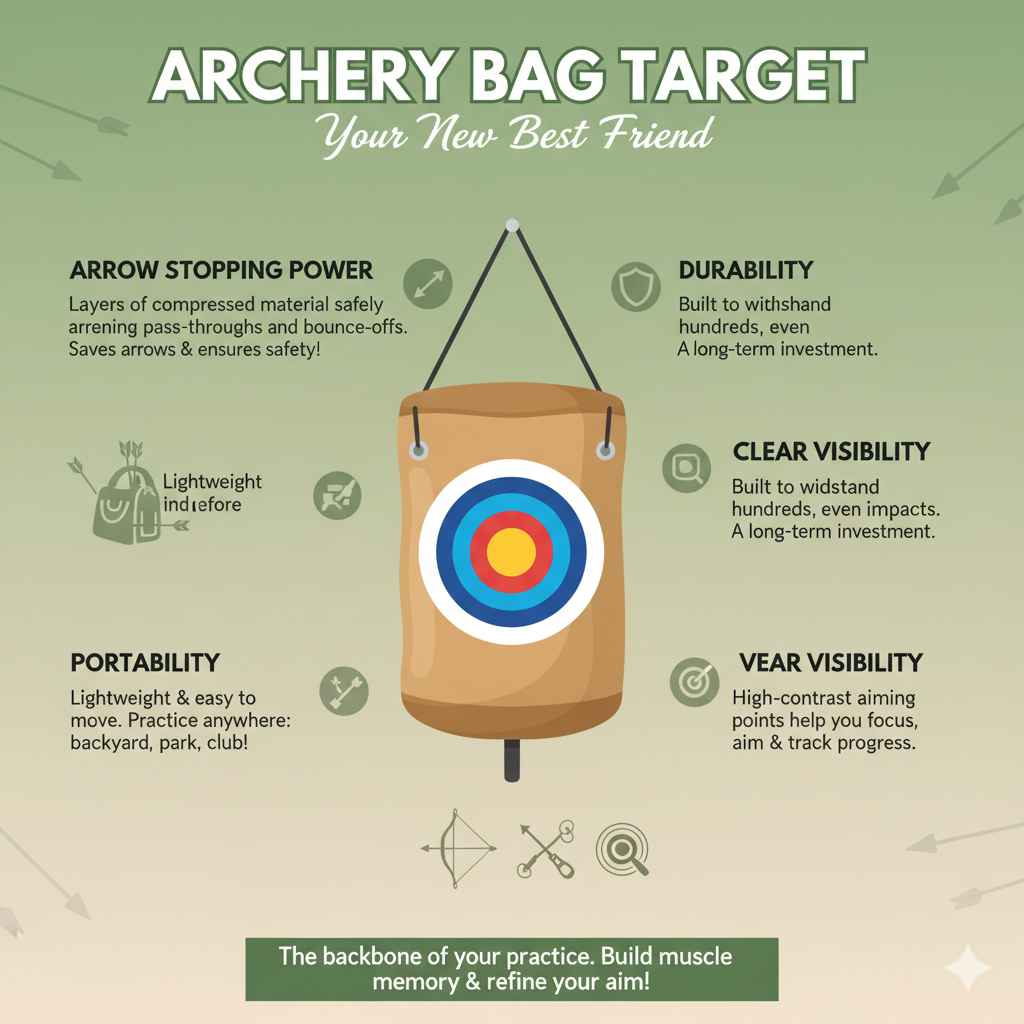
Think of an archery bag target as the backbone of your practice. It’s not just something to shoot at; it’s a tool that helps you grow as an archer. A good bag target does a few crucial things that other target types might not do as well, especially for beginners:
- Arrow Stopping Power: This is the most important job! A well-designed bag target uses layers of compressed material to catch your arrows gently, preventing them from passing through or bouncing off dangerously. This saves your arrows and keeps you safe.
- Durability: Archery can be tough on gear. A quality bag target is built to withstand hundreds, even thousands, of arrow impacts. This means it’s a long-term investment in your practice.
- Portability: Many bag targets are designed to be relatively lightweight and easy to move. This means you can set up a practice range almost anywhere – your backyard, a local park (where permitted), or at an archery club.
- Clear Visibility: Most bag targets come with aiming points (like dots or a grid) that are clearly visible from a distance, helping you focus on your aim and track your progress.
- Versatility: Whether you’re shooting a recurve bow, a compound bow, or even a simple youth bow, a good bag target can handle the job.
Choosing Your Perfect Archery Bag Target: What to Look For
Not all bag targets are created equal. When you’re shopping, keep these factors in mind to ensure you get a target that’s a perfect fit for your needs and budget:
Types of Bag Targets
Bag targets generally fall into a few categories based on their construction and intended use:
- Layered Foam Bag Targets: These are extremely popular. They consist of many compressed layers of specialized foam. Each layer helps to absorb the arrow’s energy. They are known for excellent stopping power and durability.
- Compressed Fabric/Woven Bag Targets: These use tightly woven fabric or stuffing materials. They can be lighter and sometimes more affordable, but might not offer the same longevity or arrow-stopping performance as high-quality foam targets for faster bows.
- Mixed-Material Bag Targets: Some targets combine different materials, like foam layers with a fabric outer shell or a core of compressed material. These can offer a good balance of performance and cost.
Key Features to Evaluate
When you’re ready to make a purchase, dive into these specifics:
- Arrow Stopping Power (Draw Weight Compatibility): This is paramount. Always check the target’s specifications for the maximum draw weight it can safely and effectively stop arrows from. Shooting a bow heavier than the target is rated for can lead to pass-throughs, damaged arrows, and safety hazards. For beginners, a target rated for typical youth or beginner adult bows (e.g., up to 50 lbs) is usually sufficient.
- Dimensions and Size: A larger target provides a bigger scoring area and is more forgiving if your aim wavers slightly. For home practice, consider the space you have available. A common size might be around 20×20 inches, but they come in many variations.
- Durability and Material: Look for durable outer fabrics that can withstand weather if you plan to shoot outdoors. For the internal material, dense, high-quality foam is generally preferred for longevity and arrow stopping. Check reviews for how well the target holds up over time.
- Ease of Arrow Extraction: This is a big one for practice enjoyment! Some targets make it incredibly easy to pull arrows, while others can be quite a workout. Targets with internal material that doesn’t compress too tightly, or those with a smooth internal surface, are usually easier.
- Portability and Weight: If you plan to move your target often, look for one with sturdy handles and a manageable weight. Some larger targets can be quite heavy.
- Included Aiming Points: Does it come with a face that has dots, a bulls-eye, or a grid system? These are helpful for aiming and tracking your progress. You can also often buy separate, replaceable target faces to keep things interesting.
- Weather Resistance: If your target will be left outdoors, check if it’s designed to handle rain, sun, and temperature changes without degrading quickly. Tightly woven, UV-resistant materials are good indicators.
Top Archery Bag Target Recommendations for Beginners
While specific models change, here are types of features and brands that consistently receive high marks for beginners. Always check current reviews and specifications before buying.
When looking for the “best archery bag target,” beginners often find success with targets designed for broad use. These are forgiving, durable, and offer good value.
Below is a table outlining some common characteristics you’ll find in highly-rated beginner bag targets. This isn’t an endorsement of specific brands but an illustration of what to look for.
| Feature | Typical Beginner-Friendly Characteristics | Why it Matters for Beginners |
|---|---|---|
| Stopping Power | Rated for up to 50-60 lbs draw weight; multi-layered compressed foam | Ensures arrows stop safely and arrow damage is minimized, even with slightly harder shots. |
| Size | 20×20 inches or larger; offers a generous aiming area. | More forgiving for less-than-perfect shots, builds confidence. |
| Arrow Extraction | Firm but not overly difficult; good internal material. | Prevents frustration during practice and makes sessions more enjoyable. |
| Durability | Reinforced seams, durable outer fabric, dense internal layers. | A wise investment that will last through many practice sessions. |
| Portability | Integrated handles; weight manageable for one person (under 20 lbs). | Allows for easy setup and storage, making practice more convenient. |
| Aiming Points | Clear bulls-eye or dot system. | Helps focus, track progress, and learn aiming techniques. |
Popular Brands to Consider
While you should always read recent reviews, brands like Morrell Targets, Rinehart Targets, and Delta McKenzie are frequently mentioned for their quality and reliability in the archery target market. They often offer a range of bag targets suitable for different needs and budgets.
Setting Up Your Archery Practice Area
Once you have your bag target, setting up a safe and effective practice area is your next step. Safety is always number one in archery. Remember, even practice arrows are projectiles!
Safety First: Creating a Secure Range
Here’s how to ensure your practice space is safe:
- Clear Your Shooting Lane: Make sure there’s absolutely nothing behind your target – no windows, people, pets, or anything you don’t want an arrow to hit if, by chance, it misses the target or passes through. A sturdy backstop (like a thick wooden fence or a specially designed archery backstop net) is highly recommended, especially if your range is set up in a less controlled environment. For home use, many archers use a large, thick wooden frame filled with discarded carpet scraps or straw bales behind their bag target for extra security.
- Establish a Shooting Line: Designate a clear line where everyone must stand to shoot. Ensure it’s a safe distance from the target based on your bow’s power and the target’s capabilities. A good starting distance for many beginner setups is 10-20 yards (about 9-18 meters).
- Check Your Surroundings: Be aware of where your arrows might go if they miss. If you’re shooting in a backyard, ensure there are no neighbors’ properties directly behind your target. Communicate with anyone else in the area.
- Never Dry Fire Your Bow: This means drawing and releasing the string without an arrow nocked. It can cause significant damage to your bow and is incredibly dangerous. Always have an arrow nocked when drawing your bow. This is a fundamental safety rule when handling any bow.
- Inspect Your Equipment Regularly: Before each practice session, check your arrows for damage (bent shafts, cracked nocks, damaged fletchings) and your bow for any signs of wear or damage. Damaged equipment can be unsafe.
Maximizing Your Practice Sessions
To get the most out of your practice, focus on more than just hitting the center:
- Focus on Form: Use your target to practice consistent drawing, anchoring, and release. Small changes in your form can make a big difference in where your arrows land.
- Vary Your Aiming Points: Don’t always aim for the center after a good shot. Try aiming for different dots or sections to practice accuracy across the whole target face.
- Practice from Different Distances: As you improve, gradually increase the distance to your target. This helps you develop a better feel for how your arrow trajectory changes.
- Shoot in All Conditions (Safely): If possible and safe, practice in different lighting conditions. Understanding how glare or low light affects your aim is valuable.
Maintaining Your Archery Bag Target
Even the best archery bag target won’t last forever if you don’t take care of it. A little maintenance can go a long way in extending its life and keeping it effective.
Tips for Longevity
- Rotate Your Target: Don’t shoot at the exact same spot every time. Rotate the target or use both sides if it’s designed for it. This distributes the wear and tear evenly.
- Protect from the Elements: If possible, store your target indoors or cover it with a waterproof tarp when not in use, especially if it’s made of foam or materials that can degrade from prolonged sun exposure or moisture. Many targets have reinforced carry handles that make them easy to move to a shed or garage.
- Keep it Clean: Brush off dirt, leaves, or debris periodically. This helps maintain the integrity of the outer fabric and internal materials.
- Inspect for Damage: Regularly check the seams, handles, and outer fabric for any tears or wear. Address small issues before they become big problems.
- Consider Arrow Lubricant: For extremely tight arrow extraction, some archers use a small amount of arrow lubricant or even a bit of spit (though lubricant is generally cleaner and more effective) on the arrow shaft before inserting it into the target. This can make pulling arrows significantly easier. However, excessive use can degrade some target materials over time, so use sparingly.
Beyond the Bag Target: Other Archery Practice Tools
While hugely important, the bag target is part of a larger ecosystem of archery gear. As you progress, you might explore other options:
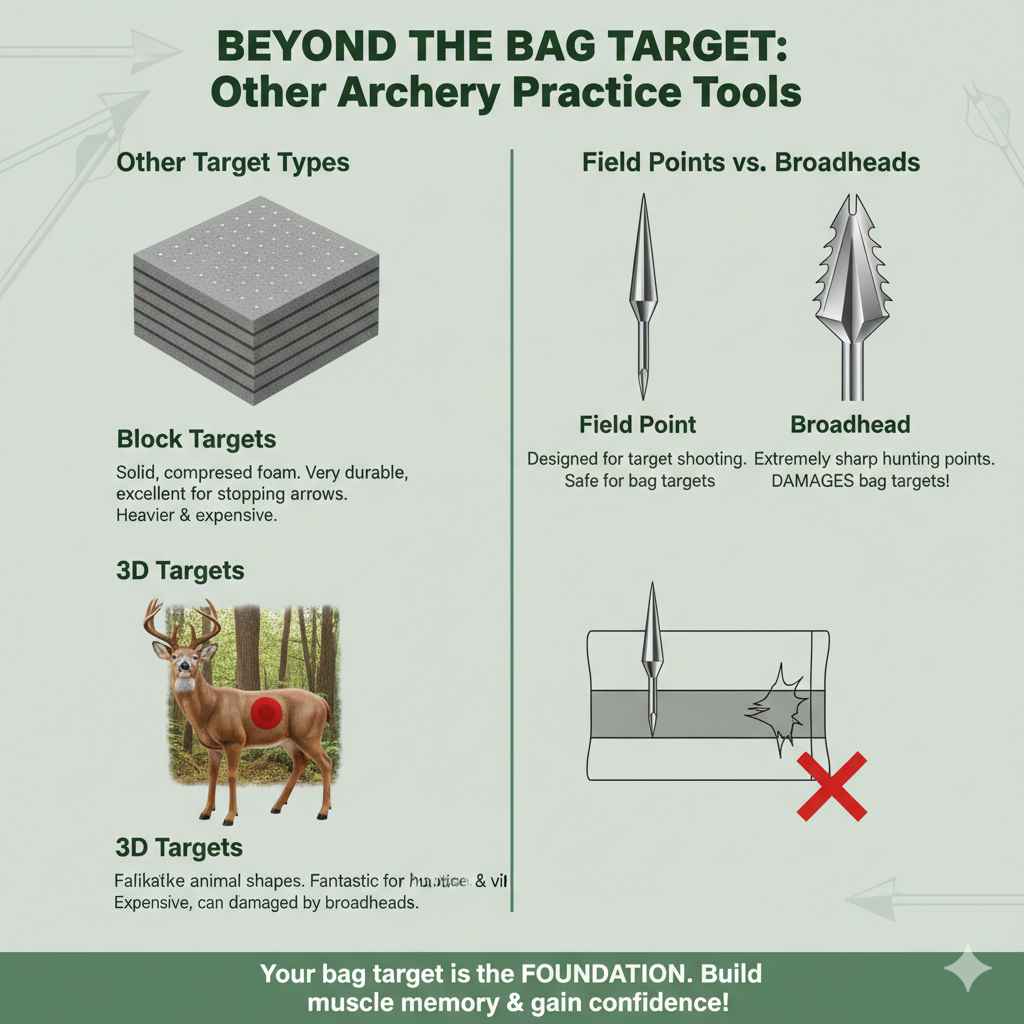
- Block Targets: These are solid, compressed foam targets, often square or rectangular. They are very durable and excellent for stopping arrows but can be heavier and more expensive than bag targets.
- 3D Targets: These are lifelike foam targets shaped like animals (deer, bears, etc.). They are fantastic for hunting practice and learning to shoot for vital zones, but are typically more expensive and can be damaged by broadheads (special hunting arrowheads).
- Field Points vs. Broadheads: For practice with a bag target, ALWAYS use field points. These are designed for target shooting. Broadheads are extremely sharp hunting points and will severely damage most bag targets, making extraction difficult and shortening the target’s life. Some specialized targets are designed for broadheads, but they are different from standard bag targets. You can learn more about arrow tips from resources like the Archery GB equipment guide.
Having a solid bag target is your foundation for improving your shooting. It’s where you build muscle memory, refine your aim, and gain the confidence to step up to more challenging targets or even real-world hunting situations.
Frequently Asked Questions (FAQ) About Archery Bag Targets
Q1: How do I know if an archery bag target is strong enough for my bow?
A: Always check the target’s listed maximum draw weight capacity. For example, if your bow is 60 lbs, ensure the target is rated for at least 60 lbs, preferably a bit higher. Shooting a bow that’s too powerful for the target can cause arrows to pass through, which is dangerous and damages the target.
Q2: Can I use broadheads on a bag target?
A: It’s generally not recommended for most standard bag targets. Broadheads are designed for hunting and will significantly damage the target’s internal materials, making arrows very difficult to remove and shortening the target’s lifespan. Use field points for practice.
Q3: How do I make arrow extraction easier from my target?
A: Ensure you’re using the correct weight arrows for your bow and target. Some targets get tighter as they age or after being shot with high-poundage bows. Occasionally applying approved arrow lubricant (sparingly!) to the arrow shaft can help. Also, try to aim for slightly less dense areas if possible.
Q4: My bag target is outdoors. How can I protect it from rain and sun?
A: If your target isn’t specifically advertised as weather-resistant, it’s best to cover it with a waterproof tarp or bring it indoors when not in use. Prolonged exposure to sun and rain can degrade the materials and significantly shorten its life.
Q5: How often should I replace my archery bag target?
A: A well-maintained, quality bag target can last for thousands of shots. You’ll know it’s time to replace it when arrows start passing through, the seams start to split significantly, or the material becomes so compressed that it no longer stops arrows effectively and safely.
Q6: What’s the difference between a layered foam bag target and a compressed fabric target?
A: Layered foam targets are known for superior arrow-stopping power and longevity, especially for higher poundage bows. Compressed fabric targets can sometimes be lighter and more affordable, but may not offer the same durability or stopping performance for powerful bows.
Conclusion: Your Archery Journey Starts Here
Choosing the best archery bag target is a foundational step for any aspiring archer. It’s more than just a piece of equipment; it’s your partner in developing accuracy, consistency, and confidence. By understanding what makes a good bag target – from its stopping power and material to its size and ease of use – you can make an informed decision that sets you up for success. Remember to always prioritize safety by creating a secure practice area and inspecting yours and your equipment regularly. Maintain your target properly, and it will serve you well for countless enjoyable practice sessions. So, select your target wisely, embrace the journey, and get ready to watch your archery skills soar!