Choosing Arrow Spine: Unpacking 300 vs 500 Options
Choosing the right arrow spine can be tricky, especially if you’re just starting archery. The concept of 300 vs 500 Arrow Spine: Key Differences can feel overwhelming because it’s all about how much an arrow bends when it’s shot. Don’t worry, though! We’ll break down everything you need to know in a way that’s easy to grasp. This guide will take you step by step through what spine is, why it matters, and how to pick the best arrow for your bow. Get ready to learn!
What is Arrow Spine and Why Does It Matter?


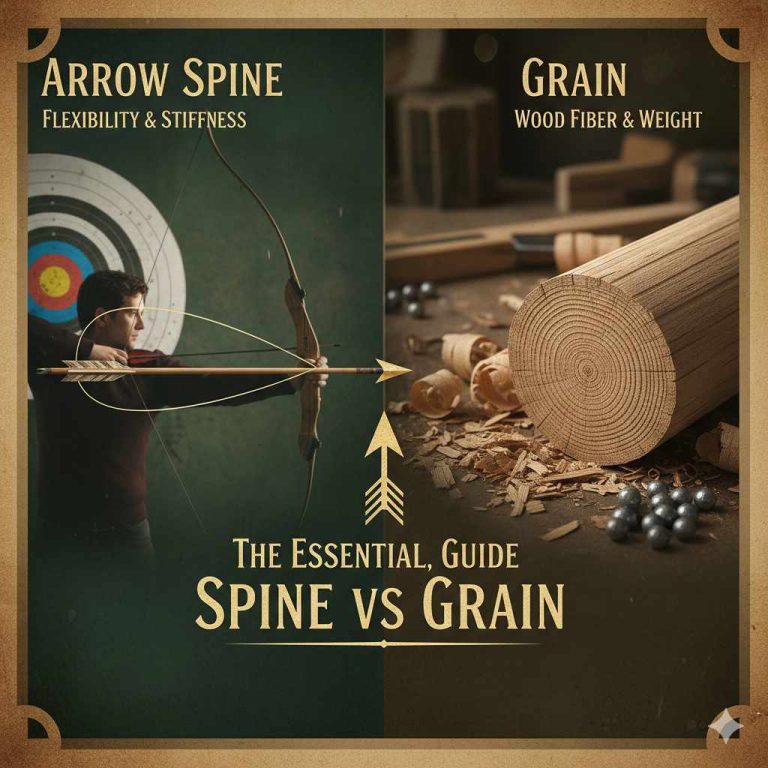
Arrow spine refers to how much an arrow flexes or bends when it’s shot from a bow. Think of it like a diving board: a stiff board barely bends, while a flexible one bounces a lot. The spine measurement is a number that tells you how much the arrow will deflect. It’s an important factor because the arrow’s bend directly impacts how accurately your arrow flies to the target. An arrow that’s too stiff or too flexible will likely hit the target off-center. Proper spine selection leads to better grouping and a more satisfying archery experience. Choosing the right spine is a combination of your bow’s draw weight, the arrow’s length, and the point weight you use.
This process is crucial because it affects the “archer’s paradox,” which describes the arrow bending around the bow. If the spine isn’t correct, the arrow might not flex the right way, leading to poor accuracy. It is common for archers to miss because they are using an arrow spine that is either too stiff or too weak. Think of it this way: your bow wants to send the arrow straight. The spine helps the arrow get there.
Arrow Spine Explained
The spine rating, often expressed as a numerical value, is a measure of an arrow’s flexibility. The lower the number, like a 300 spine, the stiffer the arrow. Conversely, a higher number, like a 500 spine, indicates a more flexible arrow. The arrow spine is determined by a testing method where the arrow is supported at two points a certain distance apart, and a weight is placed in the center. The amount of deflection, measured in inches, determines the spine number. For example, an arrow with a 300 spine deflects less than an arrow with a 500 spine when subjected to the same test.
- Stiff Arrows (Low Spine Numbers): These arrows bend less and are typically used with bows that have a higher draw weight or shorter draw lengths. This stiffness is useful in absorbing the energy from powerful bows, making them less prone to bending too much upon release.
- Flexible Arrows (High Spine Numbers): These arrows bend more and work better with bows with lower draw weights. They are more forgiving and can compensate for minor inconsistencies in the archer’s form. This flexibility helps the arrow to better navigate the “archer’s paradox” at a lower draw weight.
- Matching Spine to Bow and Archer: The correct arrow spine is determined by considering several factors, including the bow’s draw weight, the arrow’s length, and the point weight. This is important to ensure that the arrow flexes in the correct manner to fly straight and hit the target accurately.
The Importance of Spine in Archery Accuracy
Accuracy in archery is heavily influenced by how well the arrow interacts with the bow during the shot. When the arrow is released, it bends around the riser before straightening out to fly towards the target. If the spine is not matched to the bow’s draw weight, draw length, and the weight of the point, the arrow will not flex properly. This results in the arrow either hitting the target to the left or right of the bullseye. This bending motion is the “archer’s paradox”, and the spine plays a key part in controlling it.
- Optimal Flight Path: An arrow with the correct spine will flex just enough to clear the bow and fly straight. This ensures the best possible grouping on the target.
- Reduced Wobble: A poorly matched spine can cause the arrow to wobble in flight, leading to inconsistent shots.
- Consistency: Choosing the right spine enhances overall shooting consistency. It can reduce the amount of time you spend trying to correct for spine issues during a shooting session.

Comparing 300 and 500 Arrow Spine
The difference between a 300 and a 500 spine arrow is significant and directly relates to their flexibility. A 300 spine arrow is much stiffer, meaning it bends less when shot. A 500 spine arrow is more flexible, bending more during flight. Understanding these differences is vital for selecting the correct arrows for your setup. It’s not a matter of one being “better” than the other; instead, it’s about which one fits your particular bow, draw weight, and shooting style.
The main takeaway is this: the choice between 300 and 500 spine arrows isn’t random. It’s about matching the arrow to your bow’s power and your shooting style to get the best possible accuracy. Consider a shooter with a high draw weight versus one with a lower draw weight: the first will likely need a stiffer arrow (300) while the second will likely benefit from a more flexible one (500). Matching this is more important than almost any other consideration.
300 Spine Arrows: Characteristics and Uses
300 spine arrows are generally used for bows with higher draw weights and/or shorter arrow lengths. They are built to withstand the force generated by powerful bows without excessive bending. If you are using a compound bow with a draw weight of 60 pounds or more, you are likely to need a 300 spine arrow. Archers who prefer to use heavier point weights might also prefer the 300 spine, as the arrow’s stiffness helps to counteract the extra weight.
- Higher Draw Weight Compatibility: 300 spine arrows are ideal for bows with a draw weight of 60 pounds or more. The stiffness helps the arrow maintain its shape and flight path.
- Shorter Arrow Lengths: They are commonly used when shorter arrows are needed, as the reduced length increases their stiffness.
- Hunting Applications: The 300 spine is frequently selected by hunters, since the arrow’s stiffness provides the necessary penetration power needed to take down game.
500 Spine Arrows: Characteristics and Uses
500 spine arrows are more flexible and often used for bows with lighter draw weights, usually under 50 pounds. This is because lighter draw weights don’t generate as much force when the arrow is released. 500 spine arrows are able to bend more and are more tolerant of minor errors. For beginner archers, the 500 spine is easier to work with because it is more forgiving of form errors.
- Lower Draw Weight Compatibility: 500 spine arrows are better suited for bows with draw weights under 50 pounds.
- Beginner-Friendly: Their flexibility is forgiving, making them a good option for those still improving their technique.
- Target Archery: These arrows are often chosen for target archery, where accuracy and tight groupings are critical.
Factors to Consider When Choosing Arrow Spine
Selecting the correct arrow spine involves taking many factors into account to ensure the arrow matches your bow’s specifications and your shooting needs. This process might seem complex at first, but with careful evaluation of draw weight, draw length, and point weight, you can find the perfect arrow spine for consistent and accurate shooting. Don’t worry, the perfect choice is always available.
It is important to remember that these factors work together. The bow draw weight and arrow length, combined with the point weight, all affect how the arrow flexes when shot. A small adjustment to one aspect can change the correct spine needed. By understanding how these variables affect the arrow’s performance, archers can make informed decisions. This allows them to maximize their accuracy and enjoyment of archery.
Draw Weight and Its Effect
Draw weight, measured in pounds, is the force required to pull the bowstring back fully. It is a key factor because it determines the amount of energy transferred to the arrow. A higher draw weight means more force, which requires a stiffer arrow. Lower draw weights require more flexible arrows. This is the first and most important consideration.
- Higher Draw Weight: Typically indicates the need for a stiffer spine, like a 300. This is because the arrow needs to be strong enough to withstand the increased force without excessive bending.
- Lower Draw Weight: Usually requires a more flexible spine, such as a 500. This enables the arrow to bend more as it clears the bow, providing a more consistent flight path.
- Check the Manufacturer’s Chart: The bow manufacturer’s recommendations are essential for matching your specific draw weight to the proper spine range.
Draw Length and Arrow Length
Draw length is the distance from the string at full draw to the deepest part of the bow’s grip. The length of the arrow needs to be slightly longer than your draw length to ensure the arrow is properly supported by the bow. The longer the arrow, the more flexible it is, and the shorter the arrow, the stiffer it is. For this reason, draw length and arrow length are intimately connected when choosing the proper arrow spine.
- Longer Arrows: Need a stiffer spine, as the extra length increases flexibility. A longer arrow may need a 300 spine even if your bow has a relatively lighter draw weight.
- Shorter Arrows: Can use a slightly more flexible spine.
- Safety: Always ensure the arrow is long enough for your draw length to prevent the arrow from falling off the rest or drawing too far back and damaging the bow.
Point Weight and Its Role
Point weight refers to the weight of the arrowhead installed on the arrow. Heavier points have more influence on arrow flight. They cause the arrow to flex more, so they often require a stiffer spine. Lighter points allow for more flexibility. Selecting the appropriate point weight is a key part of choosing the right arrow spine. This step can be adjusted to fine-tune the arrow’s flight after you have the basic spine figured out.
- Heavier Point Weights: Increase the need for a stiffer spine. A 300 spine may be necessary even with a lighter draw weight bow.
- Lighter Point Weights: Allow for a slightly more flexible spine.
- Testing Different Point Weights: To achieve optimal arrow flight, try different point weights with the same arrow spine. This is a common and important step when fine-tuning arrow performance.
Comparing Arrow Spine: Visual Examples
To better grasp the differences between 300 and 500 arrow spines, visualize them side by side. Imagine two arrows: one marked ‘300’ and the other ‘500’. When shot, the ‘300’ arrow would appear straighter, with minimal bending, reflecting its stiffness. Conversely, the ‘500’ arrow would show a more pronounced curve as it clears the bow. This visual comparison can improve your understanding.
By studying how these arrows perform under identical conditions (same bow, same draw weight, same arrow length), you can better appreciate the effects of the spine on arrow flight. Observing the flight paths directly can also enhance comprehension. For example, a stiffer arrow might fly straighter initially but could be less forgiving to form flaws. A more flexible arrow might show more curvature but could absorb mistakes better.
| Feature | 300 Spine | 500 Spine |
|---|---|---|
| Flexibility | Less flexible (stiffer) | More flexible |
| Recommended Draw Weight | Higher (60 lbs+) | Lower (under 50 lbs) |
| Arrow Length | Shorter or standard | Longer or standard |
| Common Uses | Hunting, higher poundage bows | Target shooting, beginner bows |
Real-World Examples of Spine in Action
Consider an experienced hunter with a compound bow set at 70 pounds draw weight and a 28-inch draw length. To maximize penetration, they’d likely select a 300 spine arrow with a heavier point weight. This combo creates a stiff, high-performing arrow suited for hunting. In contrast, a new archer practicing with a 30-pound recurve bow and a 26-inch draw length would likely find a 500 spine arrow to be more effective. The arrow’s flexibility is more forgiving, aiding in proper arrow flight even with imperfect form. These two scenarios highlight the difference spine makes.
- Scenario 1: Hunting Setup: An archer is preparing for a deer hunt. Their bow has a 70-pound draw weight, and they choose a 29-inch 300 spine arrow with a 125-grain broadhead. The stiffer spine provides the kinetic energy and penetration needed to successfully harvest a deer.
- Scenario 2: Beginner’s Target Practice: A new archer uses a 35-pound recurve bow. They choose a 26-inch, 500 spine arrow with a 100-grain field point. This combination is designed to be forgiving, helping the archer improve their form and accuracy without being penalized for minor errors.
Troubleshooting Spine Issues
Even with careful selection, you might encounter issues with arrow flight. A properly tuned bow setup, along with the right arrow spine, provides consistent results on the range. If your arrows are not hitting the target straight, or if you’re seeing inconsistent groupings, it’s time to troubleshoot. Some adjustment may be needed to achieve optimal accuracy. Many archers, even experienced ones, may need to adjust their setup, so don’t be discouraged.
- Left and Right Grouping: If arrows consistently hit to the left for a right-handed archer, the spine might be too stiff. Consider switching to a more flexible spine. If they consistently hit to the right, the spine might be too weak.
- Up and Down Grouping: If your arrows consistently hit high or low, it’s not typically a spine issue. Check the nocking point, brace height, or your aiming.
- Bare Shaft Tuning: This involves shooting arrows without fletching to assess how the arrow is flexing. The impact point indicates whether the spine needs adjustment.
- Paper Tuning: This involves shooting arrows through paper to see how the arrow is flexing as it leaves the bow. Tears in the paper indicate spine issues.

Frequently Asked Questions
Question: How do I know my draw weight?
Answer: Your draw weight is the amount of force you use to pull your bowstring back to full draw. This information is usually printed on your bow limbs or can be measured using a bow scale.
Question: Can I use the same arrow spine for both target and hunting?
Answer: It depends. If your draw weight and arrow length are the same, you might be able to. However, the point weight difference (field points versus broadheads) might necessitate tuning or a different spine for optimal flight. This is always worth consideration.
Question: What happens if I choose the wrong spine?
Answer: Using the wrong spine can lead to inaccurate shots. The arrow might bend too much or not enough, causing it to hit the target off-center or to group inconsistently. The results can vary, and it is always a good idea to shoot arrows with the correct spine.
Question: How do I measure my draw length?
Answer: Your draw length is the distance from the string at full draw to the deepest part of the bow’s grip. You can find this measurement by using a draw length measuring tool or by having a friend measure it while you’re at full draw.
Question: Is it possible to adjust the spine of my arrows?
Answer: Yes, you can fine-tune arrow flight using different point weights or by adding or removing weight to the arrow shaft. This allows you to “tune” the arrows for your specific bow setup.
Final Thoughts
Choosing between a 300 and a 500 arrow spine is a key step to becoming a more accurate archer. The main distinction between these two options comes down to their flexibility, with 300 being stiffer and 500 being more flexible. Remember, your bow’s draw weight, draw length, and the weight of your arrow points, all play a key role in finding the right arrow spine. By taking these factors into account, you can select the arrow that fits your equipment and style. This will greatly improve your accuracy on the range. Proper spine selection is critical to your success.
Don’t be afraid to experiment to see what works best for you! You can start by consulting the manufacturer’s spine charts. Start by testing a few arrows of different spines and weights. Fine-tune your setup as you gain experience. With a little trial and error, you’ll be hitting the bullseye in no time. Consistent practice, coupled with the right arrow spine, will greatly boost your confidence and enjoyment of archery. Get out there and start shooting!